

This post contains affiliate links.

Soy sauce is a common ingredient in many households but if you need a substitution for any reason, we’re covering 15 soy sauce replacements. Whether you need a gluten-free option or just don’t have soy sauce at home, these soy sauce alternatives have you covered!

What is Soy Sauce?
Soy sauce is a popular condiment and seasoning that originated in China around 2,200 years ago. It appears the original intent was to make salt go farther. Salt was very expensive and highly valued as a preservative and flavoring, and was scarce in some regions.
It’s a dark, salty liquid with a rich, savory yet tangy flavor, and it is often used to enhance the taste of dishes, particularly Asian cuisine. Its uses, however, transcend Asian cooking in use as a marinade, salt replacement, base for pasta sauce, or dipping sauce.
How is Soy Sauce Made?
The traditional method of making soy sauce involves fermenting soybeans, wheat, salt, and water. Soybeans are soaked in water and then cooked, and wheat is roasted and then ground.
The two are mixed, and this mixture is combined with a culture of mold, yeast, and bacteria and left to ferment for several months to years. The mixture is pressed to extract the liquid, which is the soy sauce. A step that has been added in recent years is pasteurization to kill any remaining microorganisms.
There are different varieties of soy sauce, including light and dark, and the flavor can vary depending on factors such as the length of fermentation and the specific ingredients used.
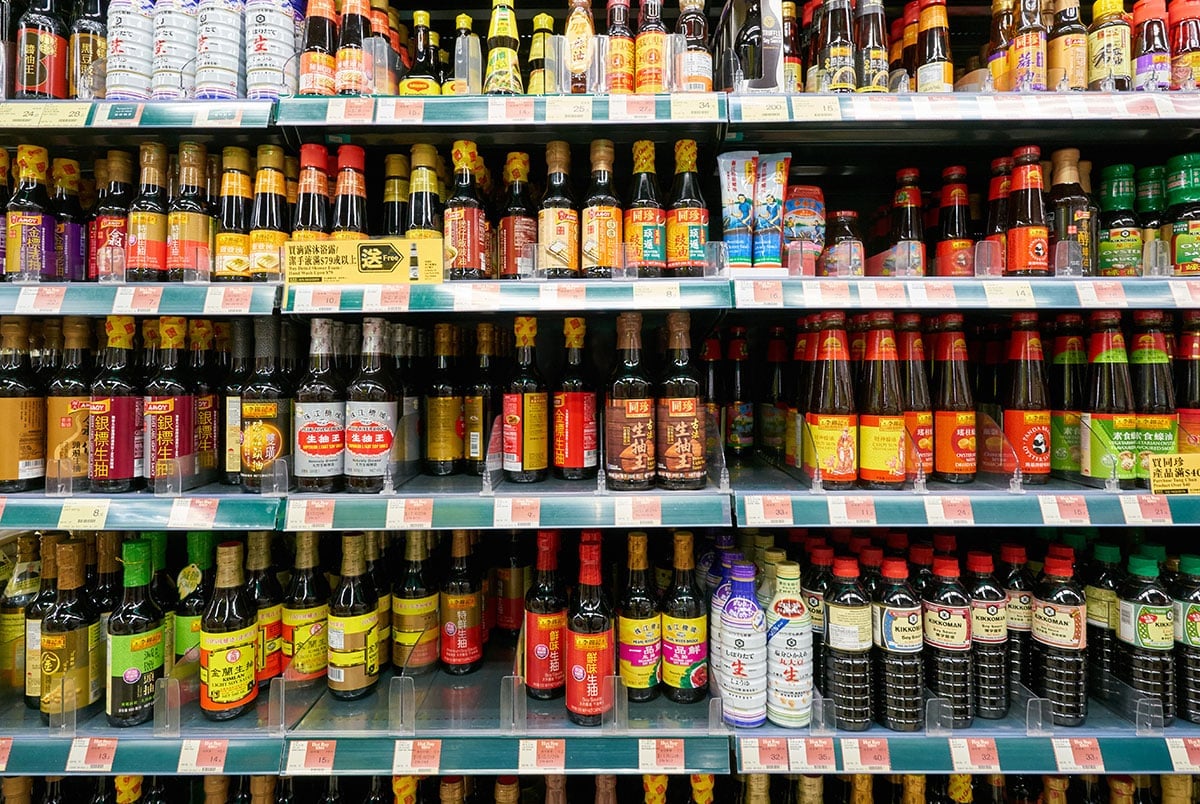
Common Soy Sauce Uses
Soy sauce is a salty and savory flavoring for a wide range of dishes, including stir-fries, soups, marinades, and sauces.
- It is commonly used as a dipping sauce for sushi, sashimi, dumplings, and other foods.
- Soy sauce is often used as a marinade for meats, poultry, and seafood, imparting flavor and helping to tenderize the food.
- Soy sauce is a key ingredient in many Asian recipes, contributing to the umami (savory) taste in these dishes.
- Soy sauce is also used as a table condiment, allowing diners to add more flavor to their meals as desired.
So Why Use a Soy Sauce Substitute?
Well, we hate to be Debbie Downer, but soy sauce does have its drawbacks. Most of them are nutritional:
Sodium: A tablespoon (15 ml) of soy sauce contains around 900 mg of sodium with some variation between brands. Dark soy sauce is higher, typically containing 1200-1600 mg. The USDA recommends that we consume no more than 2,300 mg a day and says less is better.
They go on to assert that 90% of Americans consume in excess of the recommended daily limit. According to Harvard Health, excessive sodium can lead to high blood pressure, heart disease, and stroke. It can also cause calcium losses and inhibit mineral absorption. You can, however, find reduced-sodium soy sauce, but these will still contain around 600 mg of sodium per tablespoon.
GMOs: Over 90% of soy produced in the USA is from plants that are Genetically Modified Organisms (GMO). This isn’t an issue for many people, but for those avoiding GMOs, soy sauce is a problem.
Gluten: Since soy sauce is made from wheat, it contains gluten, and is not appropriate for those with gluten sensitivity unless you buy a gluten-free soy sauce.
Phytoestrogens: These are naturally occurring compounds found in certain plants, including soybeans. These compounds have a chemical structure similar to human estrogen, and some research suggests it can bind to estrogen receptors in the body causing hormonal and potentially thyroid problems.
The National Institute of Health (NIH) states that this is a complicated and unresolved issue. If you are concerned, you ought to read more from the NIH.
So while soybeans are a high protein and nutrient dense bean, soy sauce does present health concerns to many. Fortunately, there are a lot of good options if you are looking for a soy sauce alternative.
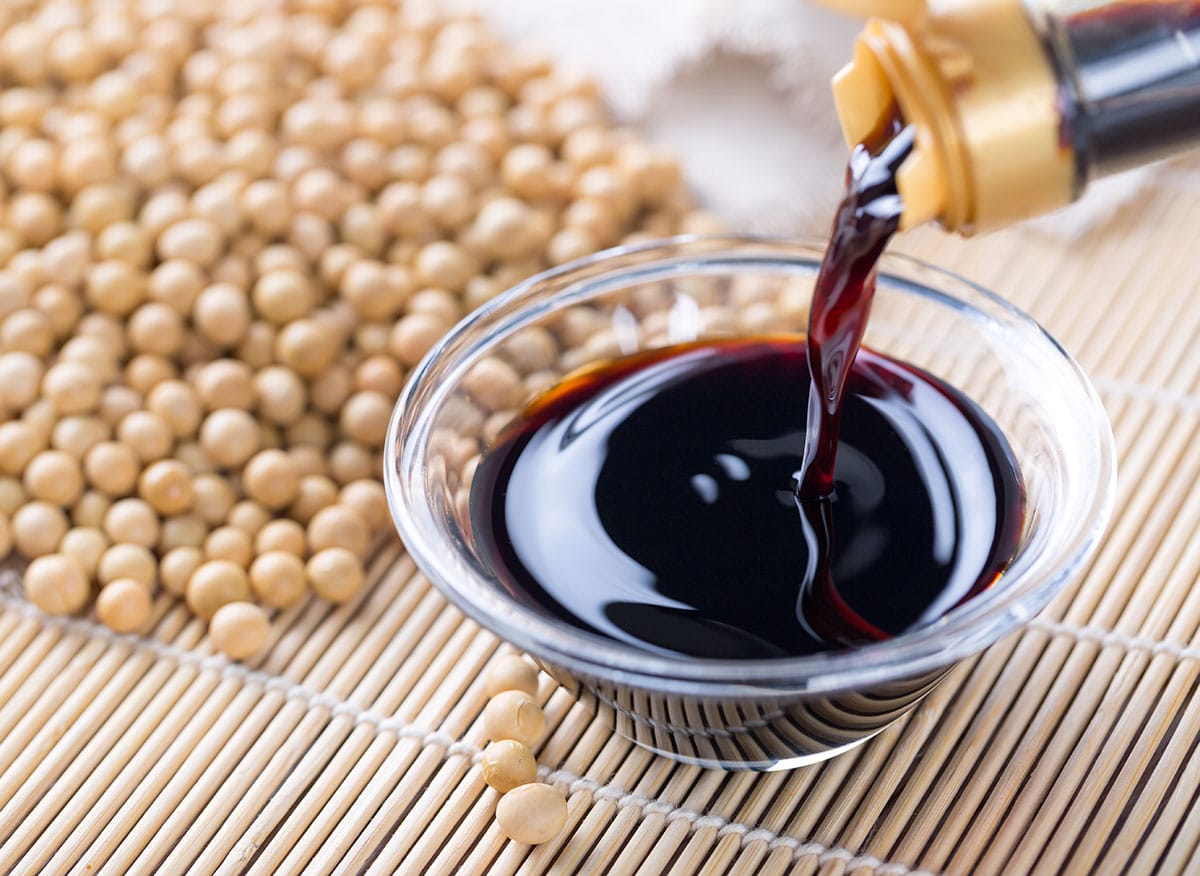
15 Soy Sauce Substitutes Graded from A to C
We’ve assigned a grade to our substitution options based on a few factors. The primary reasons are how similar they taste to soy sauce and how easy they are to use in place of soy sauce.
Tamari (Grade A)
What is Tamari? Tamari is a type of Japanese soy sauce traditionally made as a byproduct of miso paste. It is similar to soy sauce but generally thicker, darker, and has a richer flavor.
Tamari is normally gluten-free (check the label), making it suitable for those with gluten sensitivities. Tamari is produced by brewing soybeans, sometimes in combination with roasted grains such as barley, and then fermenting the mixture. The liquid that is extracted after the fermentation process is tamari.
Why is Tamari the best soy sauce substitute? Tamari is a gluten-free soy sauce. Its flavor is not as strong and salty as soy sauce’s, and its color is generally closer to dark than light. You can substitute it 1:1.
Tamari Sodium Content: Around 900-1000 mg per tablespoon.
Coconut Aminos (Grade A)
What are Coconut Aminos? This is a sauce made from the sap of coconut trees. It is a popular soy sauce alternative, especially among those following a soy-free or gluten-free diet. Sap is collected from the flower buds of the coconut tree and then blended with salt.
The mixture is fermented and aged, resulting in a sauce with a flavor similar to soy sauce but slightly sweeter. Overall, the taste is pretty close to soy sauce. It is naturally sweet and salty and does not impart a coconut flavor.
Why are Coconut Aminos a good substitute for soy sauce? They are a good gluten-free, soy-free, low-sodium option. You can substitute them 1:1 with soy sauce. They are more expensive than soy sauce, but they don’t break the bank.
Coconut Aminos Sodium Content: Around 400-500 mg per tablespoon.
Liquid Aminos (Grade A-)
What are Liquid Aminos? Liquid aminos is a liquid protein concentrate derived from soybeans. It’s made by treating soybeans with an acidic solution to break down the proteins into amino acids. The liquid is then neutralized and pasteurized, but it’s not fermented like soy sauce. It’s sweeter and milder than soy sauce but just as salty-tasting.
Why are Liquid Aminos a good substitute for soy sauce? Liquid aminos provide a similar salty and savory flavor as soy sauce while remaining gluten-free. You can substitute this as a 1:1 with soy sauce, but expect it to be a bit more expensive.
Liquid Aminos Sodium Content: Around 800-900 mg per tablespoon.
Ponzu (Grade B+)
What is Ponzu? It is a citrus-flavored sauce from Japan. It is made from soy sauce, citrus juice (such as yuzu or lemon), rice vinegar, mirin (a sweet rice wine), and sometimes seaweed or bonito flakes.
Why is Ponzu a good substitute for soy sauce? Ponzu provides a similar umami flavor along with a sweet citrusy kick. It works well with dishes in which you want the saltiness of soy sauce but with an added zing. Ponzu is not usually used as a cooking ingredient but is more commonly used as a dipping sauce or dressing. Due to its acidic content, it can, however, work well in marinades. Its suitability as a substitute just comes down to taste.
Ponzu Sodium Content: Between 300 – 500 mg of sodium per tablespoon.
Teriyaki Sauce (Grade B)
What is Teriyaki Sauce? It is a sweet and savory sauce commonly used in Japanese cuisine. It is made from soy sauce, sugar (or a sweetener like honey or mirin), sake or rice wine, and sometimes ginger and garlic. The ingredients are simmered or reduced together to create a thick glaze.
Why is Teriyaki Sauce a good substitute for soy sauce? It works best when you want a substitute for sweet soy sauce, as it has a decidedly sweet flavor. It serves as a great marinade for meats and as a glaze for grilled or roasted dishes.
It can be used as a 1:1 replacement for soy sauce, but because it is thicker, you may want to cut it with a touch of water, depending on the use.
Teriyaki Sauce Sodium Content: Between 200-600 mg of sodium per tablespoon with a wide variation between manufacturers.
Worcestershire Sauce (Grade B)
What is Worcestershire Sauce? It is a fermented liquid condiment that originated in Worcester, England, in the first half of the 19th century and has since become popular almost worldwide. Production methods vary, but it often contains anchovies, garlic, onions, molasses, tamarind, vinegar, salt, and various spices. After fermentation, the mixture is strained to remove solids, and the resulting liquid is bottled.
Why is Worcestershire Sauce a good Substitute for Soy Sauce? This all depends on your taste preferences. Worcestershire has a complex, savory, and tangy umami flavor that is not that close to soy sauce. It is, however, a salty fermented condiment like soy sauce that many people find an acceptable substitute even in stir-fries.
Worcestershire Sauce Sodium Content: Between 160-200 mg per tablespoon.
Fish Sauce (Grade B)
What is Fish Sauce? It is a condiment made from fermented fish, usually anchovies, and salt. It is made by layering fresh fish with salt in wooden barrels and allowing the mixture to ferment for several months to a couple of years. The liquid that is extracted from this fermentation process is the fish sauce.
Why is Fish Sauce a good substitute for soy sauce? It provides a similar salty and umami flavor, so if you like a strong fishy flavor this is a good option.
Fish Sauce Sodium Content: Between 1200-1500 mg of sodium per tablespoon.
Oyster Sauce (Grade B)
What is Oyster Sauce? It is a thick, brown sauce made from oysters, soy sauce, and other ingredients. Despite its name, it often doesn’t have a pronounced oyster taste but is noted for its rich, savory flavor.
Oyster sauce is typically made by cooking oysters in water until they produce a flavorful broth. This broth is then combined with soy sauce, sugar, and sometimes other seasonings. The mixture is simmered until it thickens into a syrupy consistency.
Why is Oyster Sauce a good substitute for soy sauce? Well, for one, it is made with soy sauce, but also because the umami flavor from the oysters complements some recipes, especially in Asian cuisine. You just have to experiment with this substitute to see if it works for you.
Oyster Sauce Sodium Content: Between 500-900 mg of sodium per tablespoon.
Hoisin Sauce (Grade B)
What is Hoisin Sauce? This is a thick, dark, sweet, and savory sauce used as a glaze for meats, a dipping sauce, and in stir-fries. It is made from soybeans, garlic, vinegar, sugar, and spices. Some recipes also add sesame oil or red chili peppers. Regardless of the exact ingredient list, it is fermented and then blended into a smooth, thick sauce.
Why is Hoisin Sauce a good substitute for soy sauce? Hoisin sauce has a similar umami flavor but is a bit sweeter. It works well in dishes where you want a sweet and savory flavor, such as in barbecue sauces, glazes, and marinades.
Hoisin Sauce Sodium Content: Between a wide range of 200-800 mg of sodium per tablespoon.
Maggi Seasoning (Grade B)
What is Maggi Seasoning? This condiment originated in Switzerland but has become popular in many parts of the world, especially in Asia. It has a dark color and a strong, savory flavor. Maggi seasoning is often used to enhance the umami taste in a variety of dishes. It is a fermented product typically made from water, salt, soy sauce, wheat, and various flavorings.
Why is Maggi Seasoning a good substitute for soy sauce? Maggi seasoning shares a similar savory flavor, and is often used in soups, stews, sauces, and marinades. It is a good bit stronger than soy sauce, so start with only ½ of the soy sauce you would ordinarily use and taste test it from there.
Maggi Seasoning Sodium Content: Between 1000-1200 mg of sodium per tablespoon.
Miso (Grade B-)
What is Miso? Miso is a traditional Japanese seasoning produced by fermenting soybeans with salt and koji (a type of fungus) and sometimes other ingredients like rice, barley, or other grains. The mixture is then left to ferment for several months to several years, resulting in a thick paste with a unique, complex flavor. You can find it in white, red, and brown varieties.
Why is Miso a good substitute for soy sauce? Miso has a rich, umami flavor that works well in marinades, dressings, soups, and stews like soy sauce does. As it is not a liquid, but a paste, you can’t just substitute it in equal proportions to soy sauce. Use 1:1 as a planning figure, but mix miso paste into, say stir-fry a bit at a time until you know how much is right for your preferences.
Miso’s Sodium Content is between 500 and 900 mg per tablespoon. Manufacturers vary widely, so check the labels.
Mushroom Broth (Grade B-)
What is Mushroom Broth? It is a liquid made by simmering mushrooms in water, extracting their flavors, and creating a savory broth. Shiitake or porcini mushrooms are typically used along with garlic, onions, herbs, and sometimes soy sauce or miso.
Why is Mushroom Broth a good substitute for soy sauce? It provides a rich umami flavor, fairly similar to soy sauce, but not typically as salty. It is a good option for those looking for a considerable reduction in sodium, or looking for non-GMO or gluten-free options.
Mushroom Broth Sauce Sodium Content: Between 30-50 mg of sodium per tablespoon.
Balsamic Vinegar (Grade C+)
What is Balsamic Vinegar? Balsamic is a dark and concentrated vinegar that was developed in Italy thousands of years ago. It is made from freshly crushed grape juice, normally from Trebbiano grapes, which have a high sugar content. The grape juice is simmered into a syrup which is then fermented and aged in wooden barrels for several years. Aging contributes to the vinegar’s rich flavor and thick consistency.
Why is Balsamic Vinegar a substitute for soy sauce? Balsamic vinegar has a sweet, tangy, and sometimes slightly woody flavor. While it won’t provide the same umami flavor as soy sauce, it can be good in marinades, dressings, and sauces. Many people keep it in the pantry, so in a pinch it is there as a substitute.
Balsamic Vinegar Sodium Content: There is substantial variation between brands, but it generally only contains 5-15 mg of sodium per tablespoon.
Salt (Grade C)
Why is Salt a possible sub for soy sauce? Salt really isn’t a good substitute, but if you just want to up the salty flavor of your food or recipe, it can work in a pinch. It is a straightforward way to enhance the taste of food without introducing additional flavors as all of our other recommendations will do.
Salt Sodium Content: A tablespoon of salt contains 2,300 mg of sodium. We think it unlikely you would use this much salt in replacing soy sauce, but even a small amount is very high in sodium.
Dark Soy Sauce vs. light Soy Sauce
All soy sauce subs are not the same, and some work better for dark soy sauce than others, so let’s first look at the differences.
Color: Dark soy sauce has a deep brown color that can be almost black. Light soy sauce has a lighter amber or golden color.
Flavor: Dark soy sauce has a more intense flavor and is less salty than light soy sauce, which has a slightly sweet and savory taste.
Consistency: Dark soy sauce is generally thicker and more viscous than light soy sauce, while light soy sauce is lighter and more fluid.
The Best Dark Soy Sauce Substitutes
- Teriyaki Sauce
- Hoisin Sauce
- Worcestershire Sauce
- Oyster Sauce
- Coconut Aminos
- Homemade Soy Sauce
Low-Sodium Soy Sauce Substitutes
For a low, or even, very low sodium alternative we recommend:
- Coconut Aminos
- Ponzu
- Teriyaki Sauce
- Worcestershire Sauce
- Mushroom Broth
- Balsamic Vinegar (its lack of sodium is its best feature as a substitute)
Soy-Free Soy Sauce Alternatives
If you want the taste of soy sauce without the soy itself, we recommend:
- Coconut Aminos
- Worcestershire Sauce
- Fish Sauce
This wraps up our look at soy sauce replacements. We hope you found one or more you want to use, and as always happy cooking!


