

This post contains affiliate links.

From avocados to apricots and mulberries to lychee, we are covering 17 different types of spring fruits grown in the US!
When spring is in the air, the fruits of spring bring along sweet aromas. They range from apricots and rhubarb to more unique fruits like mulberry and cherimoya. This list of seasonal spring fruits will give you a full description of these fruits, the peak season, and ways to use the fruit!
What is a seasonal fruit?
This question might seem like it has an easy answer. But in today’s world, seasonal fruits can be anything because produce is grown and shipped around the world.
We consider seasonal fruits as those bought in the season that they are grown nearest you. This can look like mangos in Hawaii or passionfruit in Brazil. No matter where you are in the world, buying seasonal and local produce is a great way to ensure the sustainability of the produce.
For the purposes of this article, we are covering seasonal spring fruit that grows in the United States. We hope you’ll find something to enjoy that’s grown near your home.
Fruity Trivia
Apricot trees can produce fruit for up to 25 years but can you guess how long apricots have been around? Scroll to the bottom of this post for the answer!
Seasonal Spring Fruits
Apricots
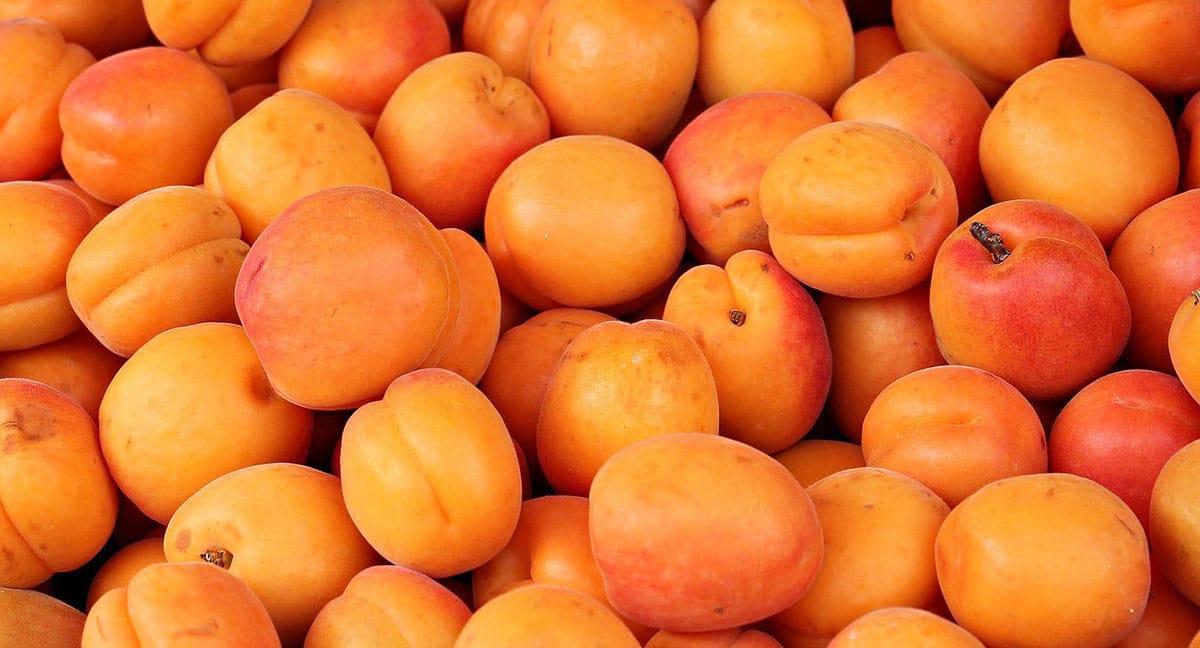
Apricots are small oval fruits with a velvety, golden-orange skin and a juicy, sweet, and slightly tart flesh. They are closely related to peaches, and are stone fruits which simply means they have a single seed at the center. Apricots are typically in season in the USA from late spring to early summer.
Apricots are often eaten whole as a snack, in both fruit and green salads, or as a topping for yogurt and desserts. They make wonderful jams and preserves which you can get at any grocery, but are so much better if you make your own.
Avocado
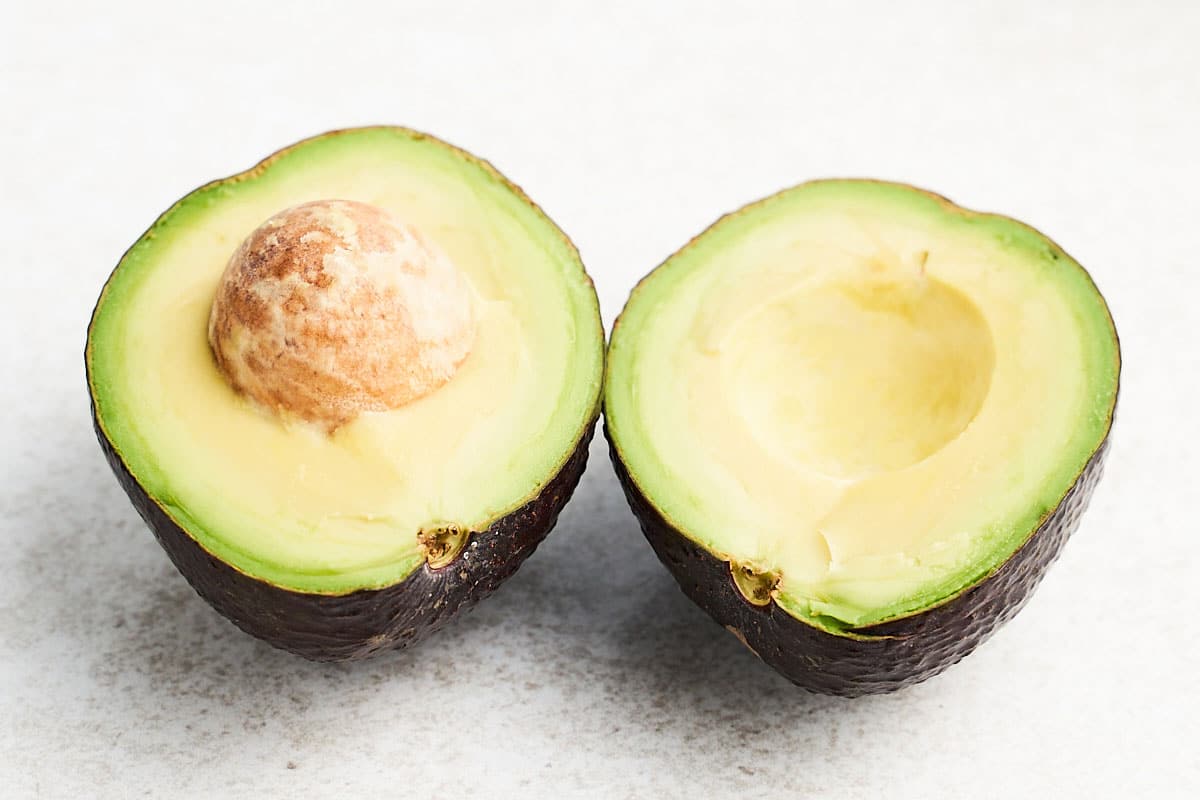
The avocado is a unique fruit with a creamy texture and buttery flavor. It has a dark green, pebbly skin and a large, round pit in the center. Avocado flesh varies in color, ranging from pale green to deep green or even yellow, depending on the variety of avocado. The huge pit (sometimes called a stone) in the center makes them a bit hard to cut.
Avocados are in season in the USA primarily from late winter to early summer. Different avocado varieties may have slightly different growing seasons. Of course, we import many Avocados from Mexico and South America, making them available year round.
This is one of our favorite fruits in the Live Eat Learn test kitchens. It’s a popular ingredient in salads, sandwiches, and guacamole. It is great for breakfast, desserts like avocado chocolate mouse pie, or a host of savory options.
Banana
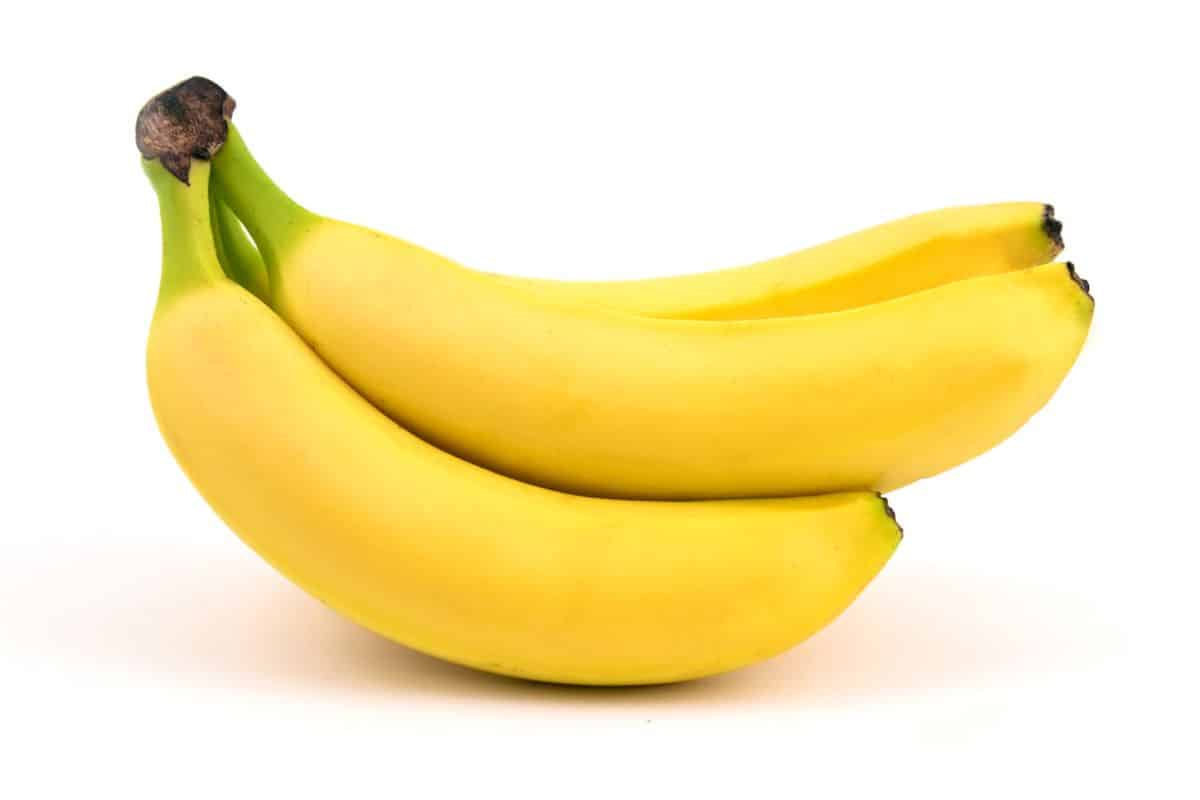
Okay, we feel pretty silly describing bananas. Long, yellow, creamy, and sweet. But, did you know that 96% of American families buy at least one banana every month? The vast majority of these are Cavendish bananas. Bananas are available year-round in the USA because they are so heavily grown in South America. It is a bit of a stretch to call this a Spring fruit when it is really a year-round fruit.
70 years ago most grocery stores only carried the Big Mike banana, but Panama wilt disease struck banana plantations across Central and South America, and forced the big growers to switch to Cavendish. Today bananas are one of the world’s favorite foods, and we eat over 100 million tons of them a year. There is a wide variety of types of banana though your grocery will likely carry only a couple.
The most common use of bananas is to peel them and eat them fresh. They are a great addition to breakfast like in cereal, oatmeal, and pancakes. Bananas can be used in smoothies, baked goods such as banana bread and muffins, and even grilled as a dessert with a scoop of ice cream. Don’t think of bananas as only a sweet, however, try them in a savory dish like banana thai curry!
Blueberry
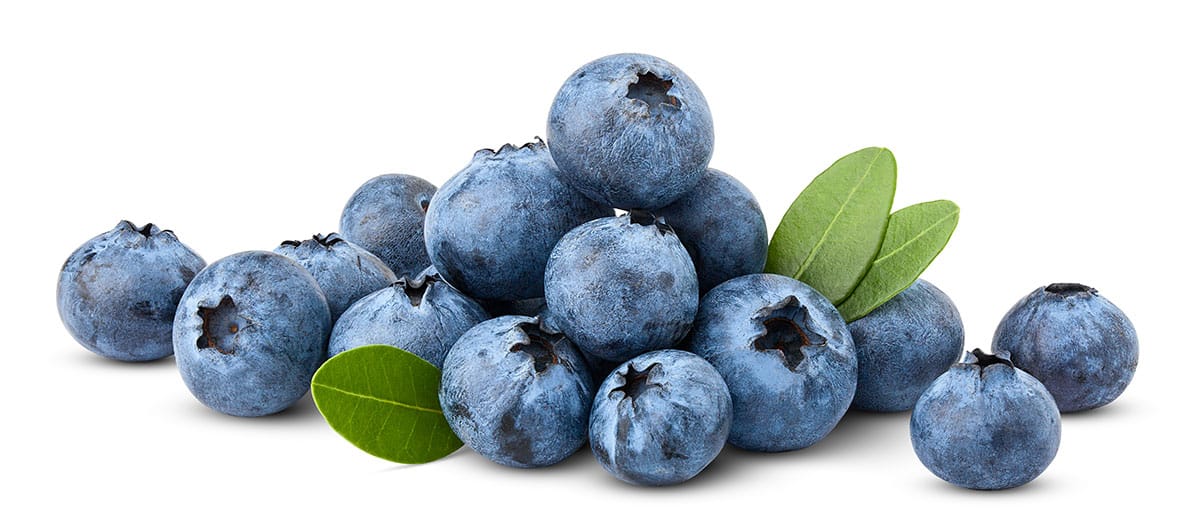
Blueberries are small, round, and plump berries with a deep blue or purple-black skin. We are all familiar with their sweet-tart flavor, but did you know their blue color comes from the pigmentation of anthocyanins, a strong antioxidant that really amps up the health benefits of blueberries.
Blueberries have a prime season in the USA from late spring to early summer, typically from May to July. Some regions may have extended seasons, depending on the variety and local climate.
They are great as a snack eaten by the handful, but their real strength is in baking, including muffins, pies, galettes, and cobblers. They are also excellent in pancakes, waffles, smoothies, and yogurt parfaits.
Cherimoya
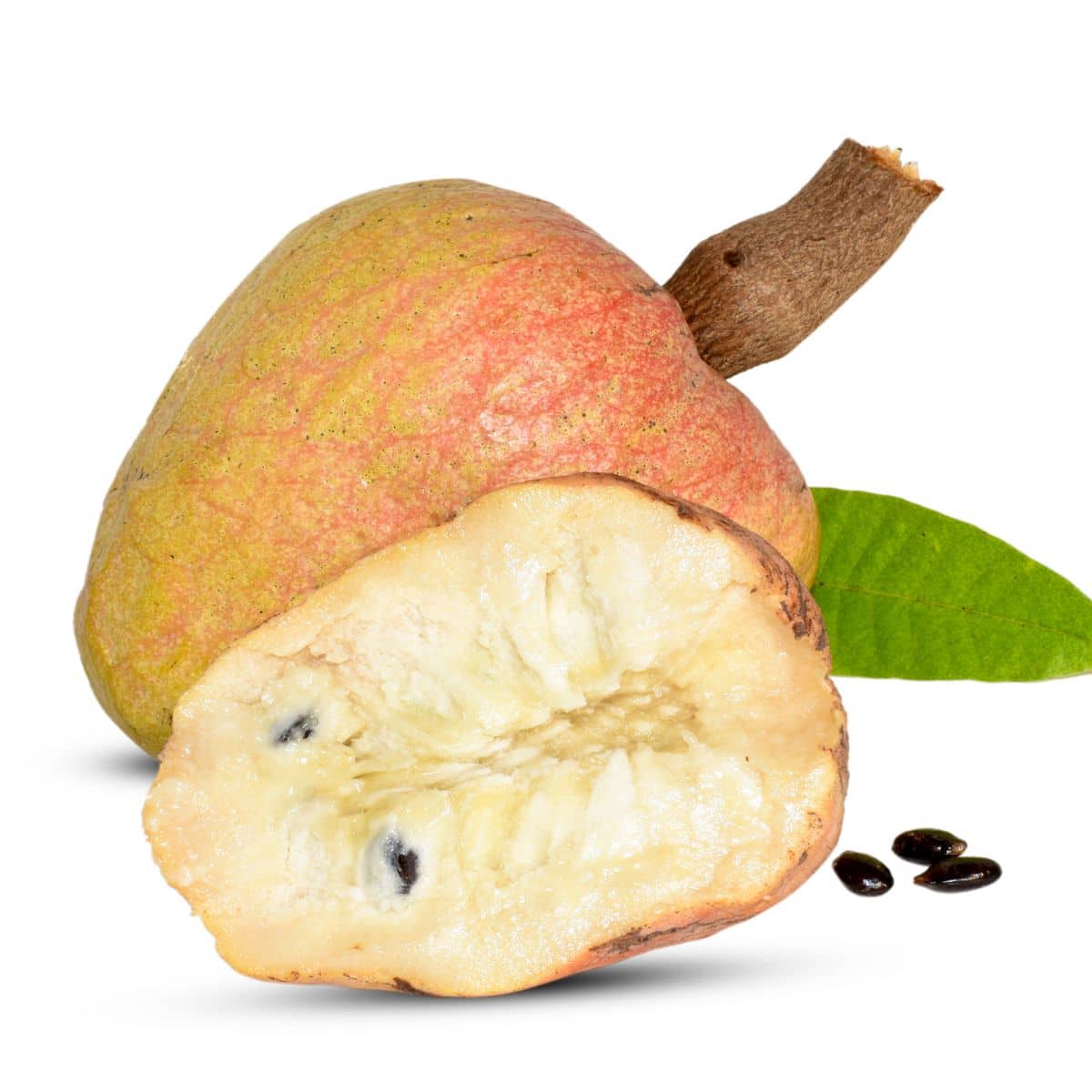
The cherimoya is also called the “custard apple,” It is a tropical fruit native to South America, but is also grown in the spring to early summer in the United States. It has a green scaly skin and creamy white pulp. The custard apple name is the result of its wonderful custard-like texture and a flavor that combines banana and strawberry flavors.
You can eat it fresh on its own with a spoon, add it to fruit or green salads, or use it in smoothies, desserts, or as a topping for ice cream.
Cherry
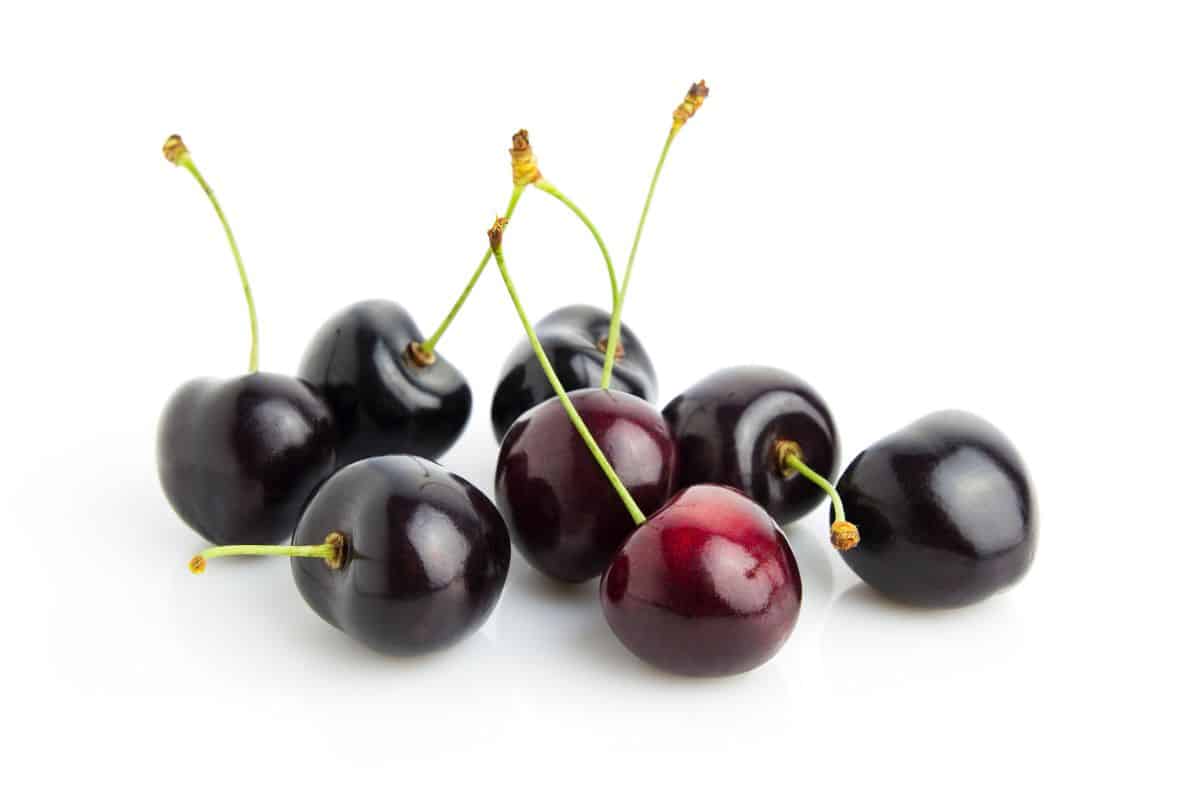
Cherries are small, round, and juicy fruits that fall into two broad categories: sweet and tart, but they come in a lot of varieties. As you surely know, they are red to dark purple and have a wonderfully sweet and slightly tangy flavor. Cherry season in the United States varies depending on the region. Generally, sweet cherries are in peak season from late spring to early summer, typically from May to June. Tart cherries, on the other hand, are usually harvested in July.
Sweet cherries are great eaten fresh by the handful spitting out their single seed. Tart cherries are used more in baking desserts or even incorporated into savory dishes like cherry chutney for serving with meats.
Gooseberry
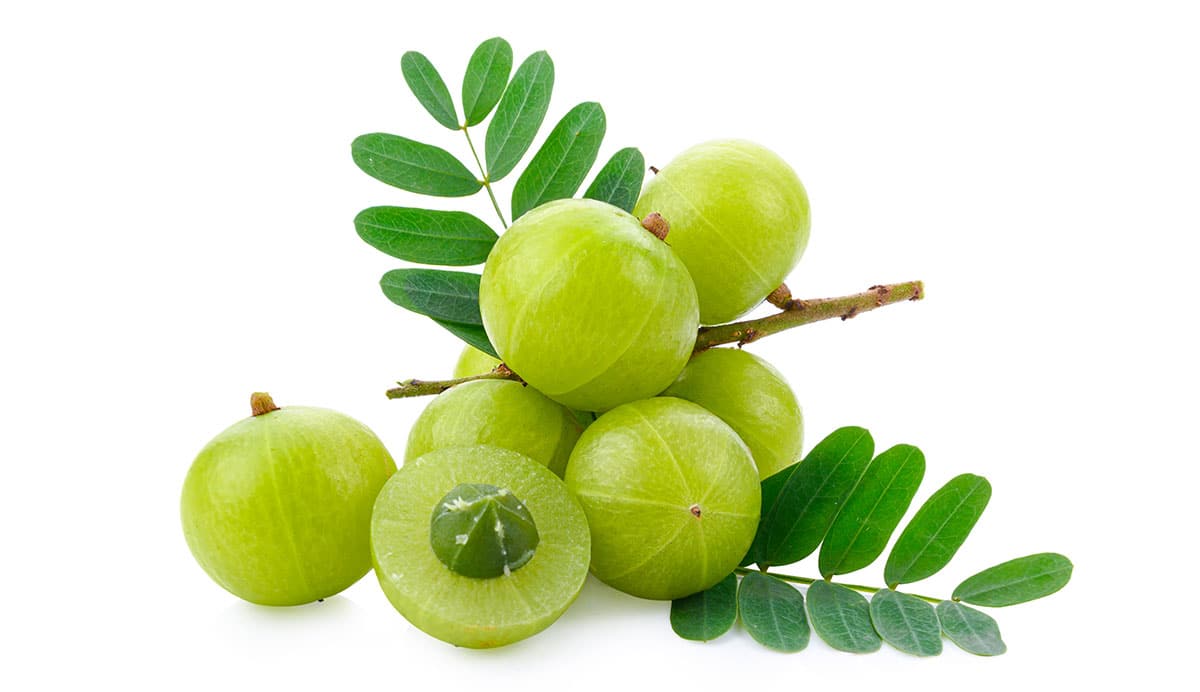
The gooseberry is a small, round berry that can be green, red, or purple and is covered with a hair-like fuzz. They have a tart and tangy flavor, and hit their peak season in Spring to early Summer.
Gooseberries are good in pies, crumbles, tarts, and preserves and are almost always cooked with sugar to balance their tart flavor. Gooseberries can also be used to make sauces, jams, and even chutneys, as they pair well with savory dishes.
Grapefruit
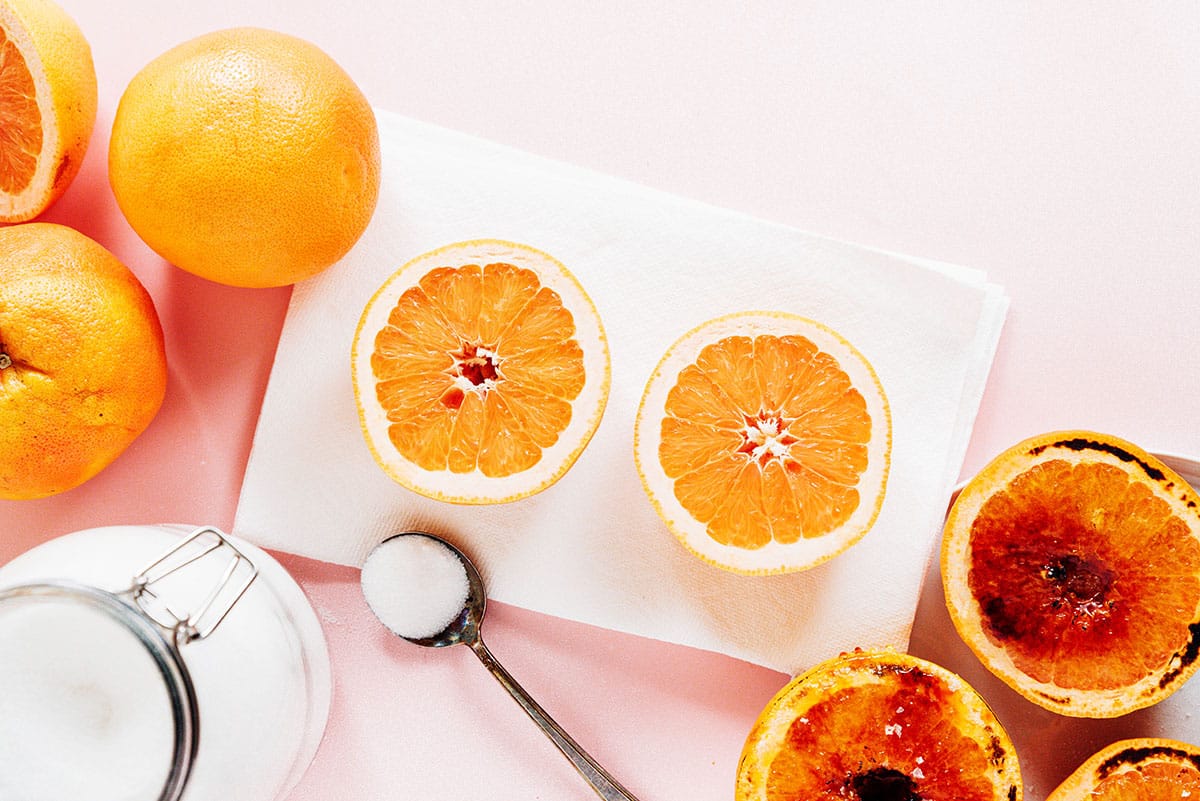
Grapefruits are citrus fruits with a tart and slightly bitter flavor we all know. The flesh can range from pale yellow to deep red or pink, while the outer skin is typically yellow or green and often has a slightly rough texture. Grapefruits are in season in the United States from November to June.
They can be cut in half and eaten by a spoon out of their skin, juiced, or used in salads to add a zesty kick. The tangy-sweet flavor pairs well with other fruits and can be incorporated into both sweet (like grapefruit brulee) and savory recipes. Looking for a healthy but decadent use? Try this grapefruit smoothie bowl.
Kiwi
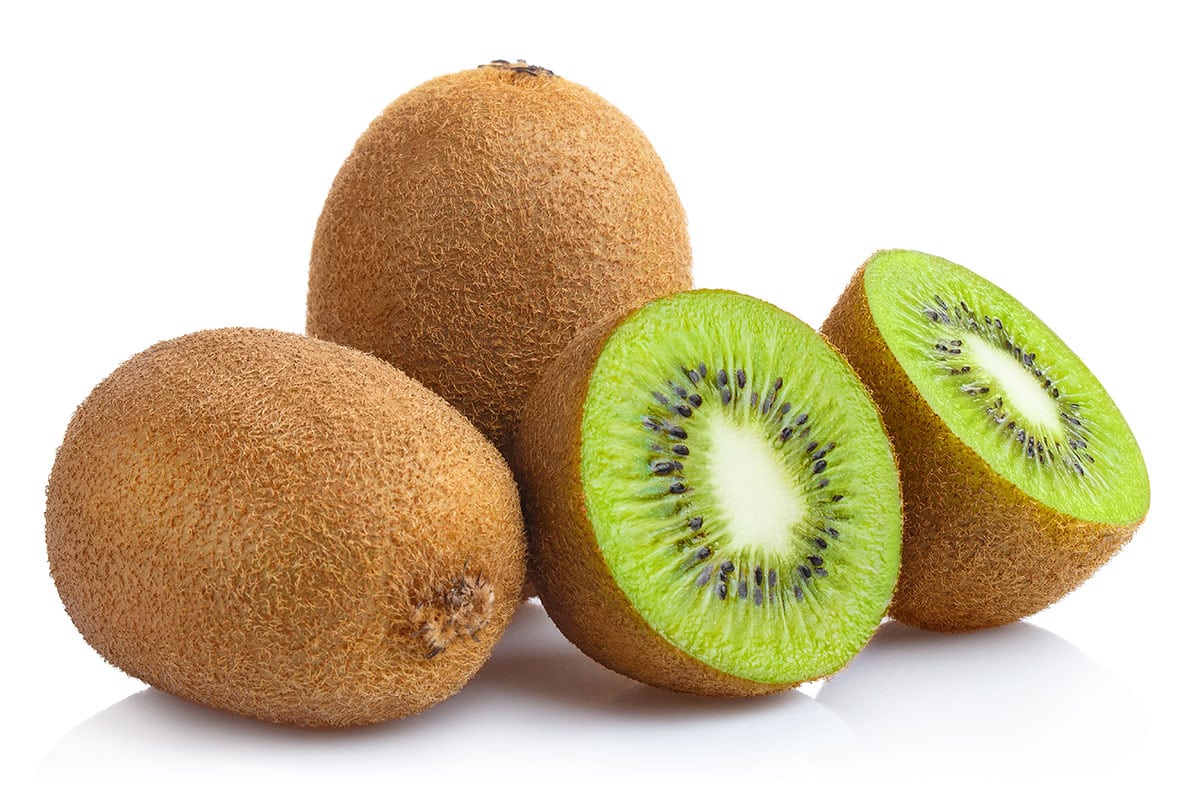
Kiwis are small, egg-shaped fruits with brown, fuzzy skin and vibrant green or golden flesh with tiny black seeds. The fruit has a tangy and slightly sweet flavor that seems almost tropical. Kiwis are in season in the United States from late fall through early spring, typically from November to May.
Lemon
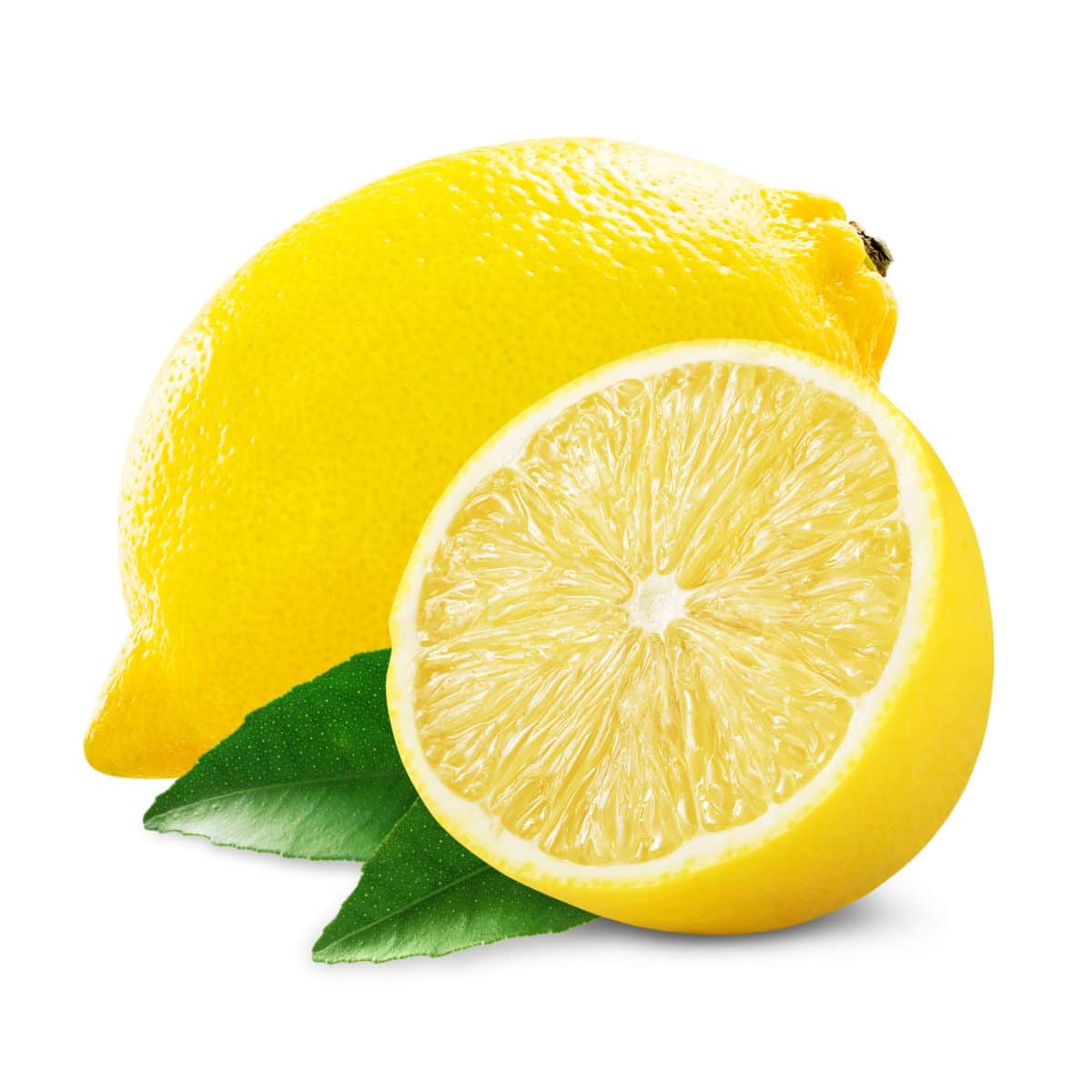
Lemons are bright yellow citrus fruits with a distinctly sour taste and sweet aroma. Their juicy tart pulp is divided into segments like oranges, and they are available year-round in the USA. However, their peak season in California, where they are mostly grown, is in the spring and summer.
Lemons are best used for their tangy flavor and acidity in salads, seafood, and grilled meats. Lemon juice and zest are common ingredients in salad dressings, marinades, and sauces. We like to use lemons to bake lemon bars, lemon meringue pies, and lemon cakes.
Lime
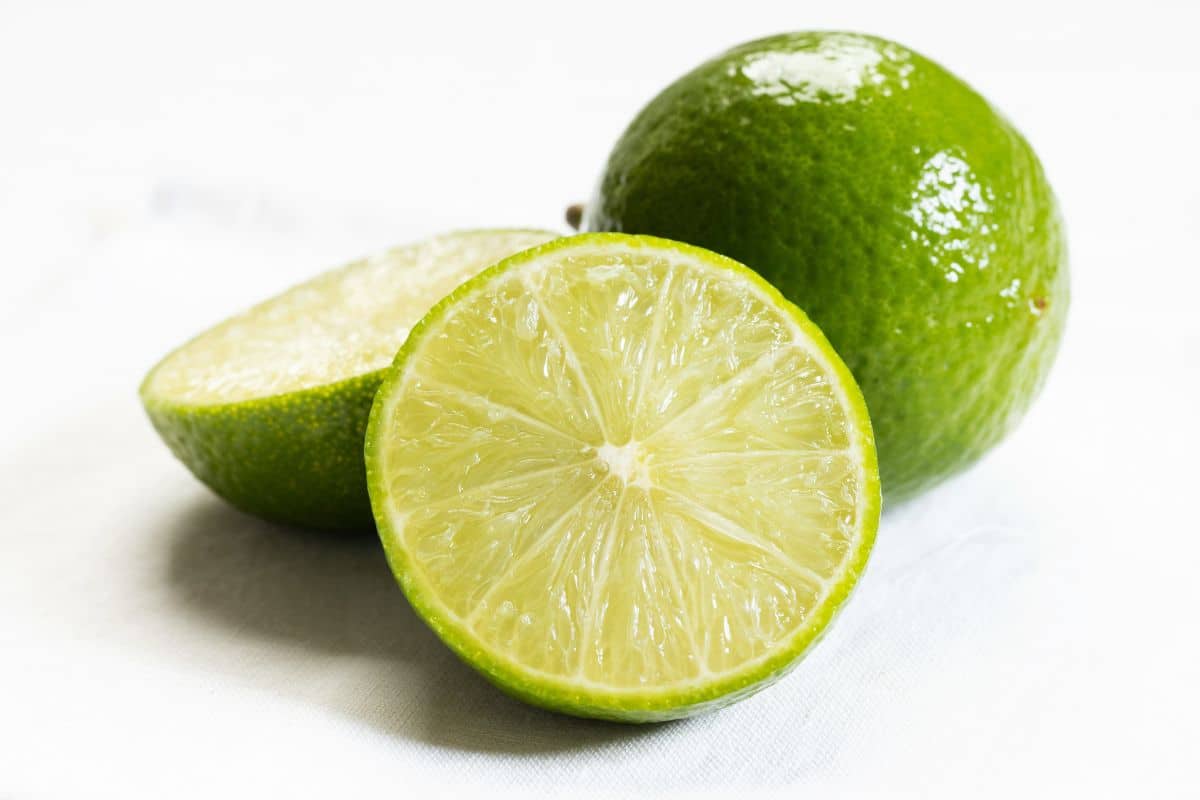
Limes are small, round, green citrus fruits with a zesty, tangy flavor. They are closely related to lemons and belong to the same genus. Limes have a thin, smooth skin and are divided into segments like lemons, containing juicy, acidic flesh. Depending on the variety, their flavor can range from slightly sweet to intensely sour.
Limes are used in both savory and sweet foods, as well as beverages. They are a key ingredient in Mexican, Thai, and Indian cuisines.like guacamole, ceviche, and curries. Lime juice is also used in marinades, dressings, and salsas. In desserts, limes are used to make pies, tarts, and bars, such as the always popular key lime pie. Limes are also a hit in beverages, including limeade, margaritas, mojitos, and even lime smoothies.
Lychee
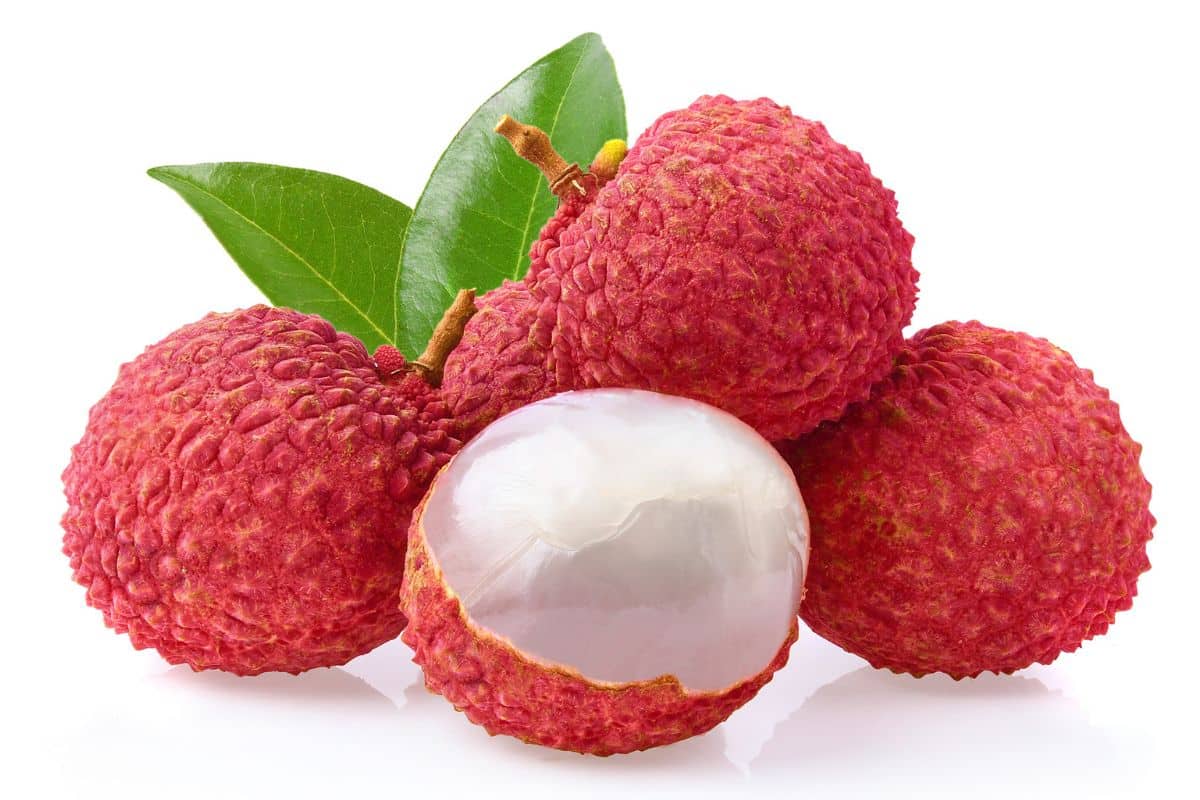
The lychee is a tropical fruit with a sweet taste and fragrant aroma. It has a rough, reddish-pink or brownish shell that needs to be peeled to reveal the juicy, translucent, and white flesh. The fruit is roughly the size of a golf ball and contains a single large seed in the center.
Lychees are great eaten fresh like so many other tropical fruits or added to green and fruit salads. Due to their sweet, floral flavor, they are also used in desserts like sorbets, ice creams, and fruit tarts. They can also be mixed into cocktails and beverages like lychee martinis and lychee-infused iced tea. Additionally, lychees can be used to make chutneys and sauces.
Mango
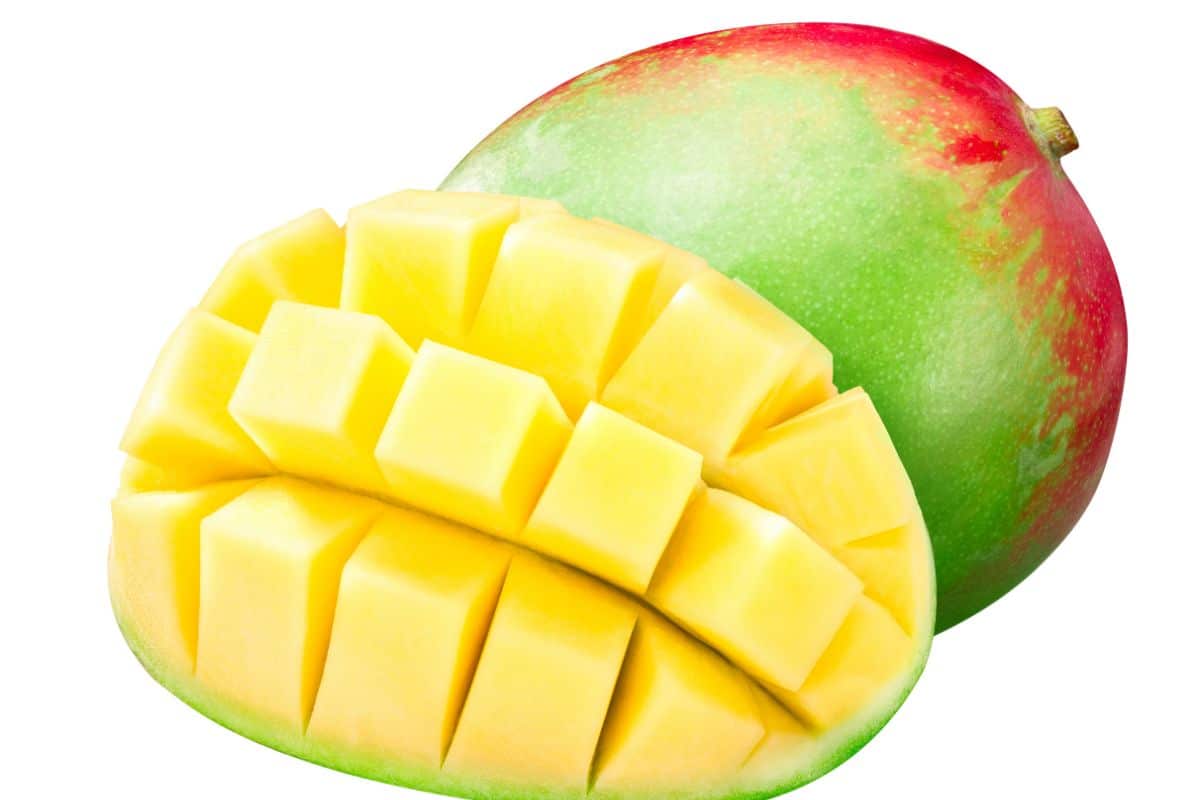
Mangoes are orange or yellow fruits with sweet, juicy flesh. They are oblong with smooth, green or red skin depending on the variety of mango. The flesh is orange or yellow and has a sweet and slightly tangy flavor.
Mangoes are wonderful, sliced and eaten as they are, added to fruit salads, or blended into mango smoothies. Mangoes also make great savory dishes like salsas, chutneys, and salads. In desserts, they are a hit in ice creams, sorbets, puddings, and pies. Additionally, mangoes are a key ingredient in tropical drinks, such as mango lassi, tropical mango juice, or mango margarita slush, and mango salsa.
Mulberry
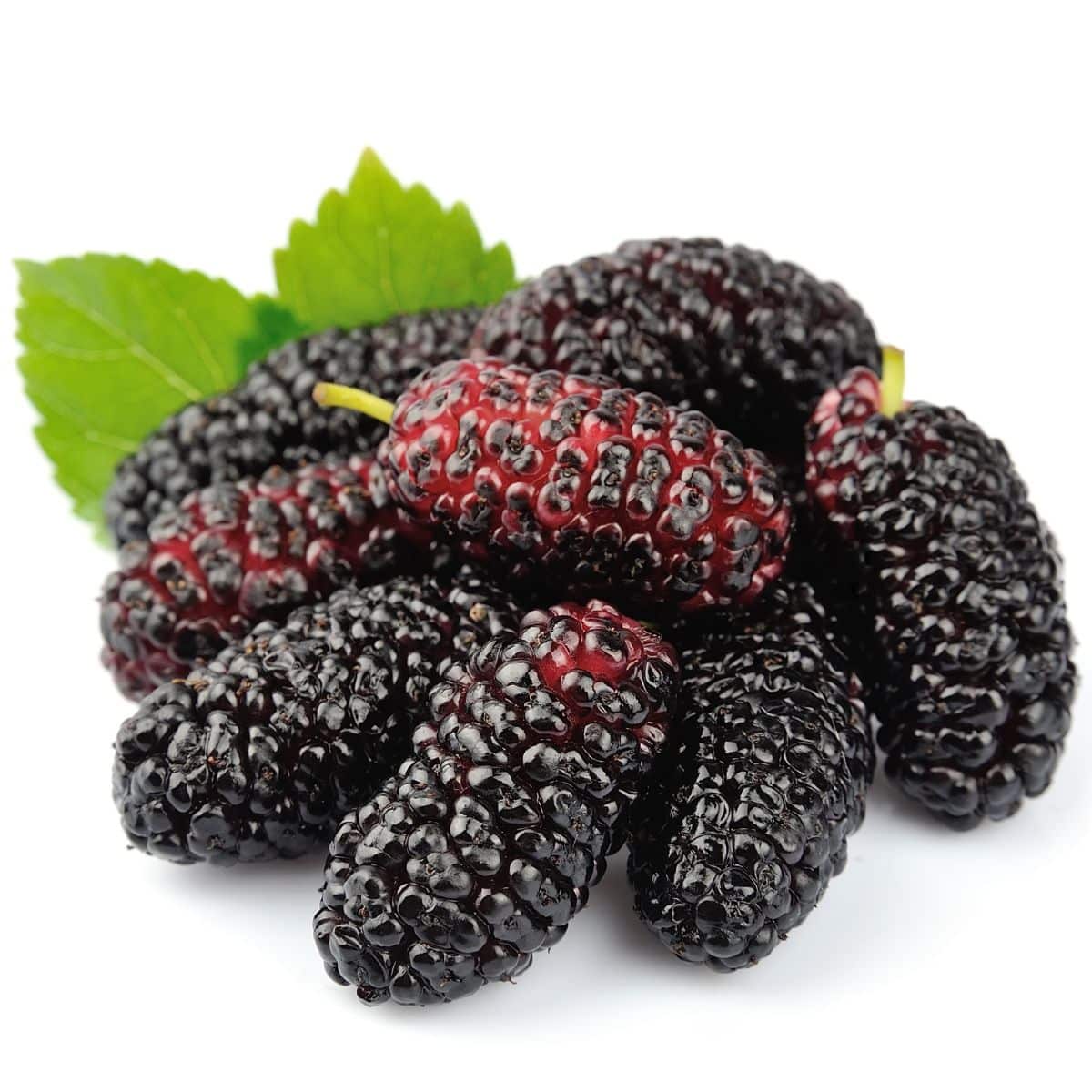
Mulberries are small sweet berries that grow on deciduous trees and shrubs. They are dark purple to black, but you can also find red and white mulberries. The fruit has a pleasant sweet-tart flavor with a somewhat crunchy texture despite being a bit delicate and easily smashed.
They are great just eaten by the handful, or added to your cereal, yogurt, or smoothies. They can also be baked into pies, tarts, and muffins. Mulberry jams and preserves are popular, and the berries can be used to make wine or dried for later use in trail mixes and granola bars.
Pineapple
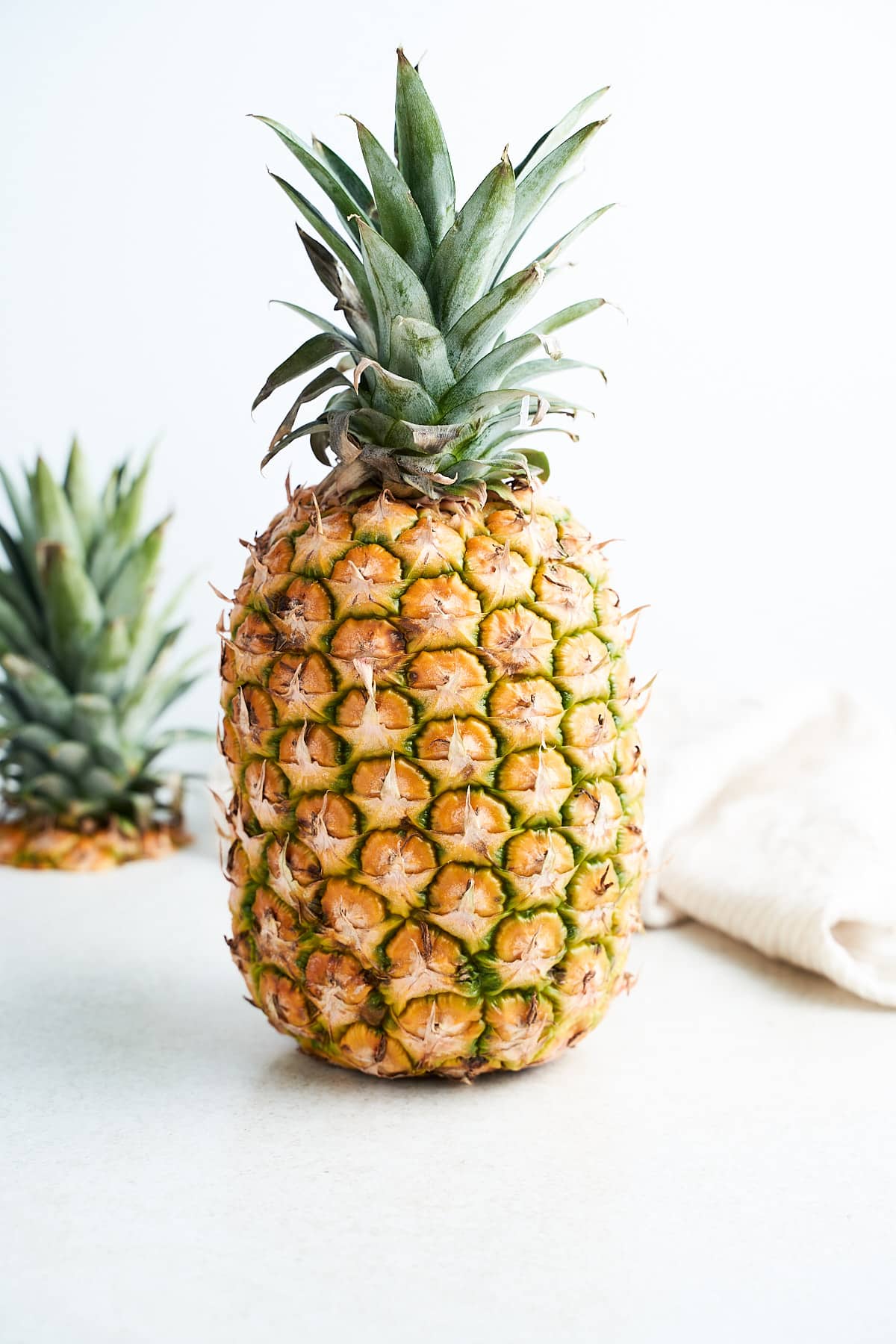
Pineapples are tropical fruits that we are hopefully all familiar with. Their odd appearance conceals a sweet, tangy, tropical fruit that is popular around the world.
Pineapples are available year-round due to imports, but their prime season is typically from March to July. Hawaii was once a significant pineapple-growing state in the U.S. but has fallen off dramatically in the last 20 years.
You can serve pineapple in so many ways: sliced, diced, crushed, or juiced. They go great in savory dishes like pineapple salsa and grilled pineapple and as a topping for pizzas. In desserts, pineapple is a key ingredient in tropical favorites like piña coladas, pineapple upside-down cake, pineapple pancakes, and pineapple tarts. Canned pineapple and pineapple juice are great for making marinades, cocktails, and pineapple smoothies.
Rhubarb
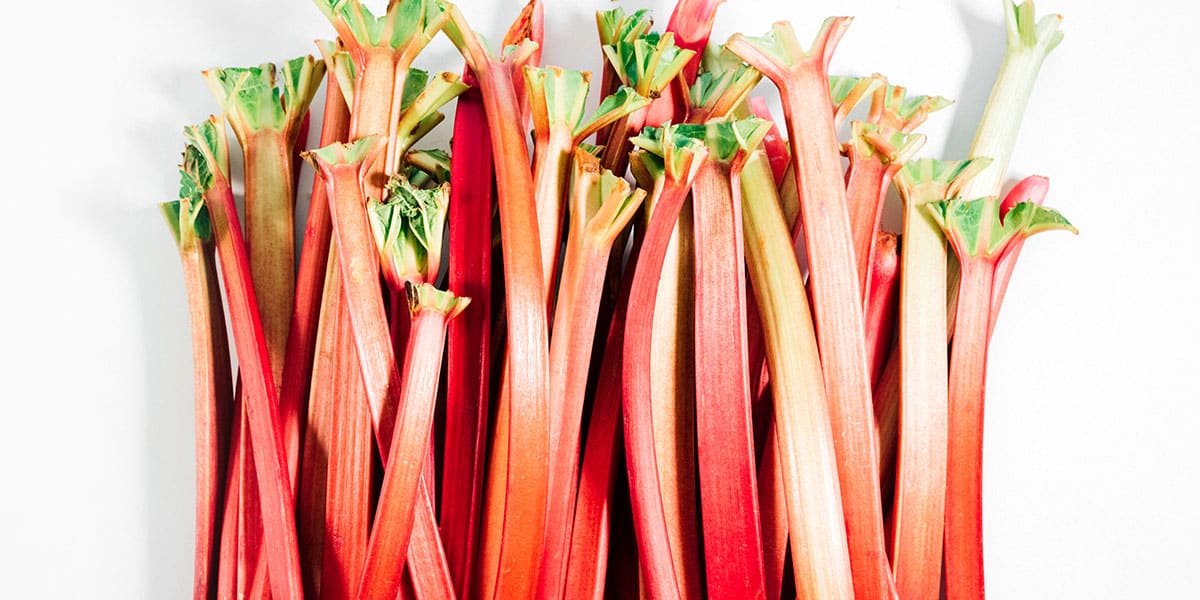
Rhubarb is a largely unappreciated vegetable that is used more like a fruit. It has long, thick, bright red stalks, like celery. The leaves of the rhubarb plant are toxic and should never be consumed, but the stalks are wonderfully tart and tangy.
I grew up in Alaska, where the long sunny days of late spring and summer caused the rhubarb to grow to huge sizes. We always had about 20 pounds of chopped stalks in the freezer, and we used it!
One of the most popular uses is in pies, where the tartness of rhubarb is balanced with sugar to create a great filling. Rhubarb compotes and jams are also good options for topping desserts. In addition to desserts, rhubarb can be used in savory recipes like chutneys and sauces and even as an ingredient in salads.
It pairs well with strawberries, which helps to balance its sharp taste, making it a classic combination in dishes like strawberry-rhubarb pie or strawberry rhubarb crisp.
Strawberry
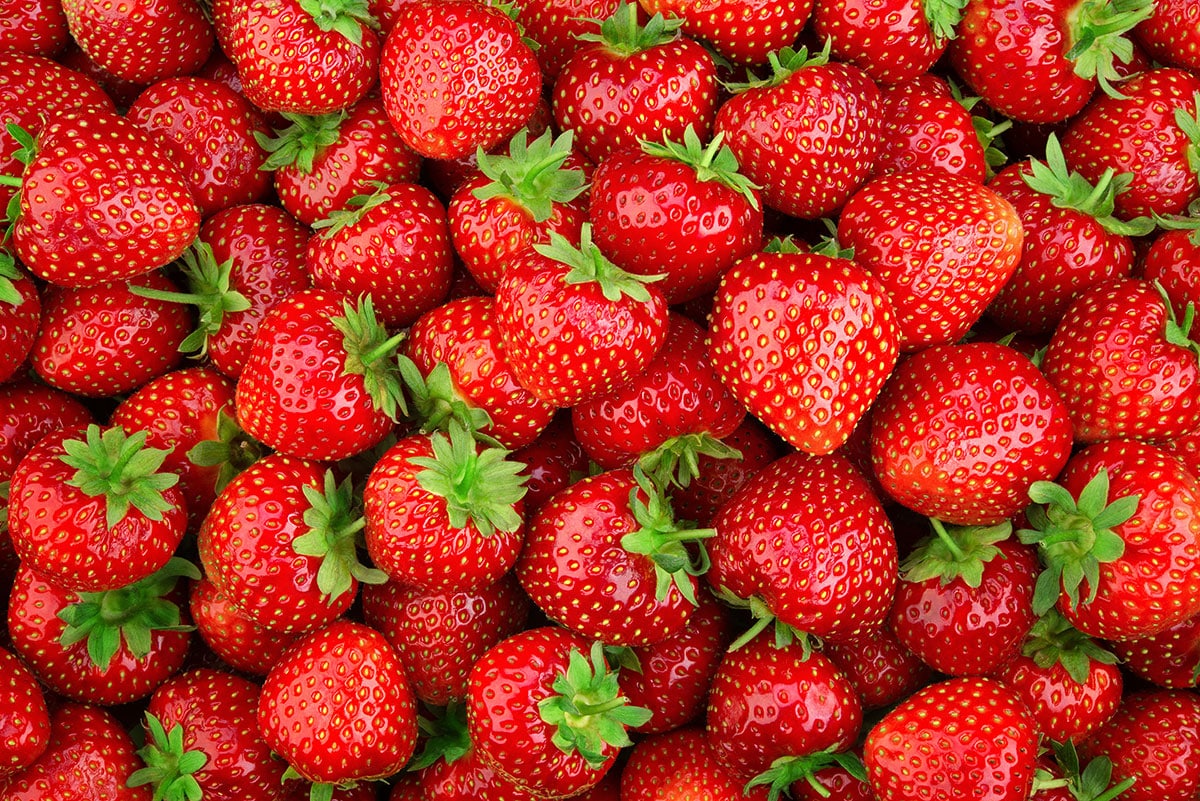
Strawberries are one of America’s favorite fruits from both the grocery and the home garden. They are small, red, heart-shaped berries with tiny seeds on their surface and sweet, juicy flesh. Did you know, however, that botanically they are not considered berries while bananas are? Things that make you go huh?
Fresh strawberries are great just eaten by the handful and can be added to green or fruit salads, yogurt, or oatmeal for a nutritious breakfast. They are a key ingredient in classic desserts such as strawberry shortcakes, strawberry tarts, cookies, and strawberry ice cream. Strawberries can also be blended into smoothies, used to make preserves and jams, or incorporated into baked goods like muffins, cakes, and scones.
Strawberries are suitable for both sweet and savory dishes. They can be combined with spinach, goat cheese, and balsamic vinaigrette in salads or used in sauces for savory dishes like grilled chicken or pork. Their sweet-tart flavor makes them a fantastic addition to cocktails, from strawberry daiquiris to mojitos.
Oh, and if you skipped the section above on rhubarb, the pairing of strawberries and rhubarb is one of the best flavor combinations I have ever worked with. Seriously, give it a try. strawberry rhubarb crisp.
This wraps up our look at the fruits of spring. We hope you found some useful information here, and as always happy cooking from your friends at Live Eat Learn!
Trivia Answer
The oldest apricots found are 4000 years old!


Thank you for this info! However, this seems more of a Summer season list instead of a Spring season. I consider Spring March-May and Summer starting on Memorial Day.