

This post contains affiliate links.
We’re covering everything you need to know to be a cilantro expert, including its uses, benefits, storage practices, and why some people hate it!
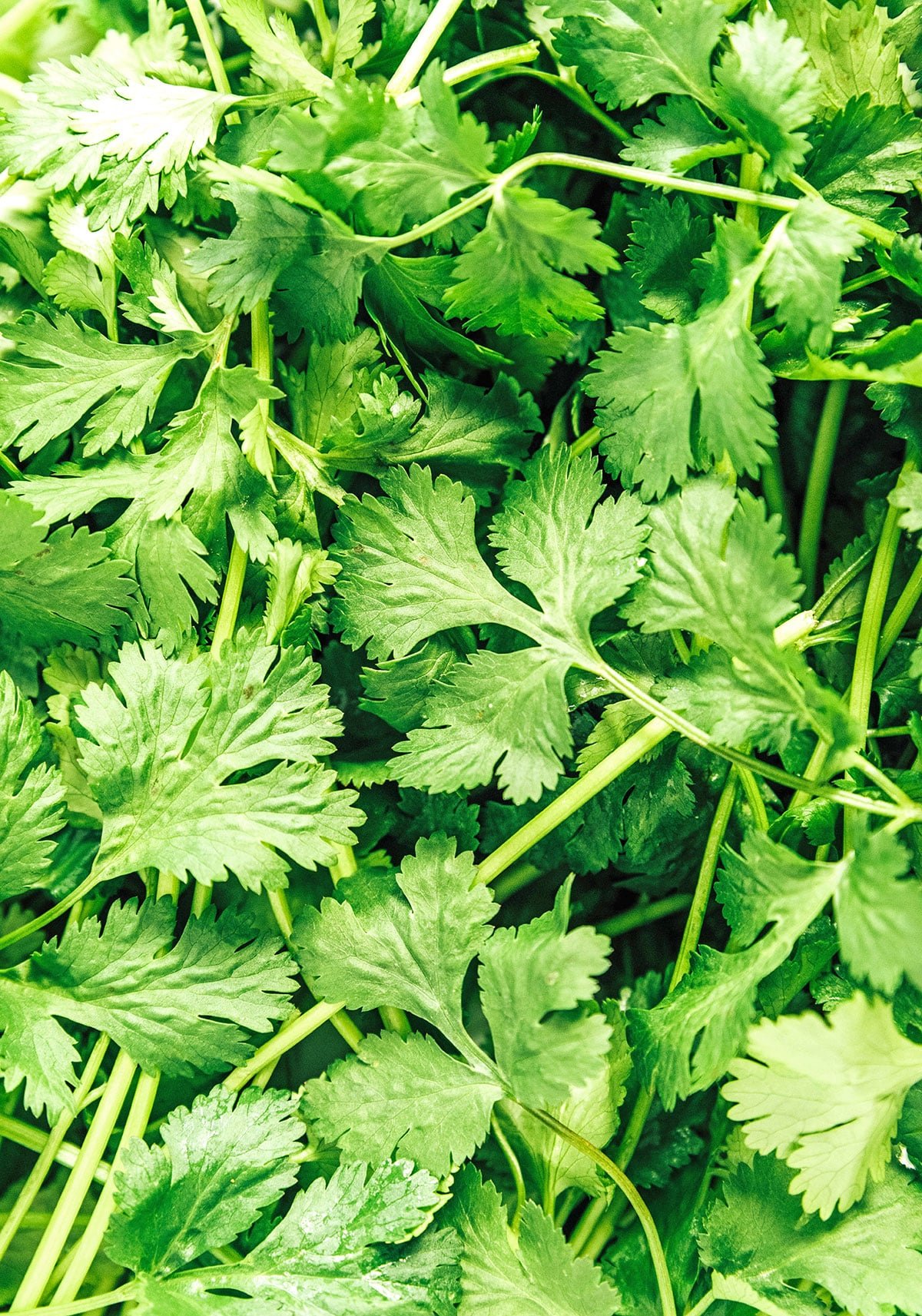
What is cilantro?
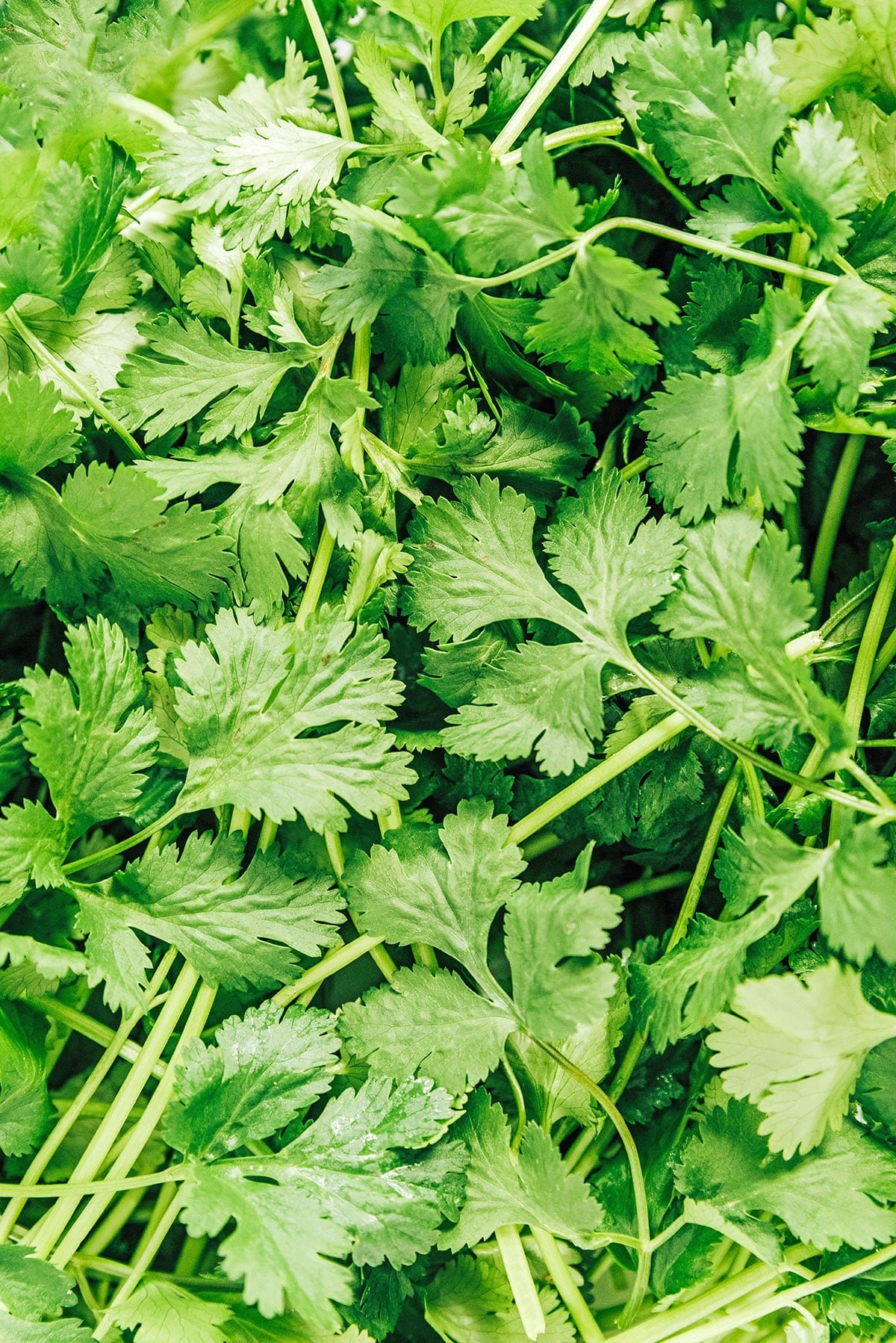
Did you know that the cilantro herb is actually… coriander? “Cilantro” is actually Spanish for the word coriander.
However, in the United States, they aren’t one and the same. We refer to the seeds of the coriander plant as “coriander,” while the leaves and stems are dubbed “cilantro.” Other countries call it all coriander, though they may differentiate between the leaf and seed portions by referring to the seeds as “coriander seeds.”
What does Cilantro taste like
You will find cilantro to have a sort of citrusy flavor. It’s very fragrant, and its taste makes it great for Mexican dishes in particular. Guacamole, salsa, tacos, and huevos rancheros all benefit from using it as a garnish. However, it can also be used on soup, sandwiches chili, rice, roasted vegetables, stir fry, etc. Where a strong and citrusy herb is needed, it is often a perfect contender!
Though you can use both the leaves and the stems, you will likely find the leaves to contain the best flavor. I often omit the stems altogether for this reason.
How to clean cilantro
Cilantro is best cleaned by placing it in a bowl filled with cold water. Swish the herbs around a bit to remove some of the dirt. Then, gently run them under cold water using a light stream (a heavy water stream can tear the leaves).
Lay the herbs out on a paper towel. You can let them air dry or lightly tap them with another towel to remove some of the excess water.
How To Cut Cilantro
Can you chop the stems? And how do you prevent a huge mess? You sure can! Chop and use it all!
How to store It
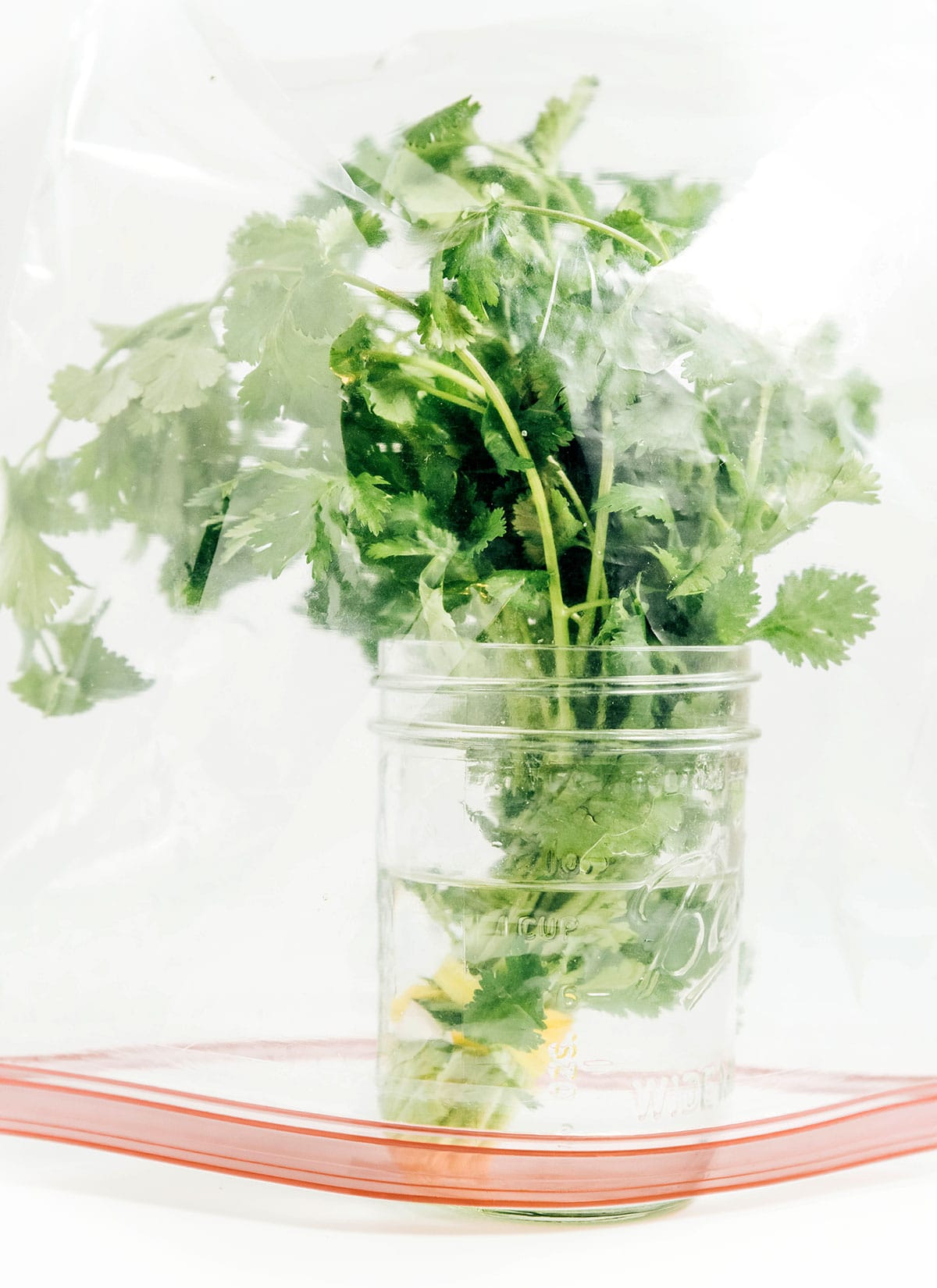
Storing cilantro is simple, and when done right the herb will stay nice and fresh for a couple of extra days.
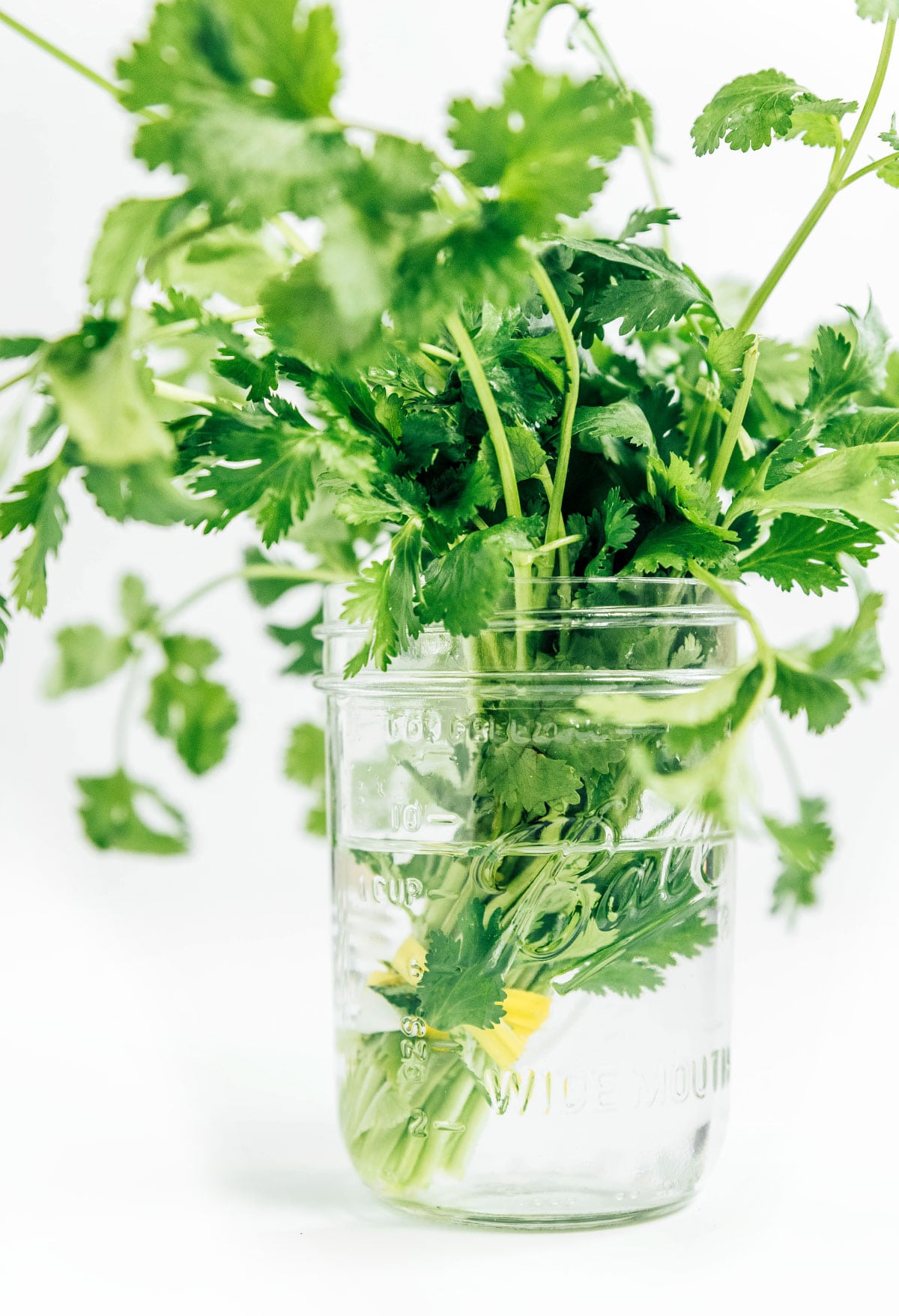
Fill a mason jar about 2/3 of the way with water, and then place the cilantro inside. Open a plastic sandwich baggie and place it over the top. Then, store the baggie-covered jar in the refrigerator.
Using this method, you should have about a week to use it. If you notice black spots or wilting, a new batch is needed!
The benefits of cilantro
Our spotlight herb provides more benefits than just its great perfect-for-guac flavor. For such a small herb it sure does have a lot of vitamins and minerals, and these include Vitamins K, C, and A, iron, magnesium, manganese, copper, and more.
Together the nutrients in the herb support many parts of the body, like blood sugar, heart health, and digestion. The herb even benefits anxiety levels and sleep!
Why do some people hate Cilantro?
You probably know at least one person who detests the taste of cilantro. While you may think they’re just being picky, it’s actually science at play!
A dislike for the herb is genetic. The gene that many people have (between 3% – 20% depending on the country you’re in) makes cilantro take on a soapy flavor. It is caused by the way their smell and taste receptors register the aldehydes of the leaves.
Of course, you wouldn’t want anything soap-flavored in your food, now would you?! So next time someone tells you they’d like to skip the cilantro, don’t give them a hard time. It’s science!
Cilantro vs. Parsley
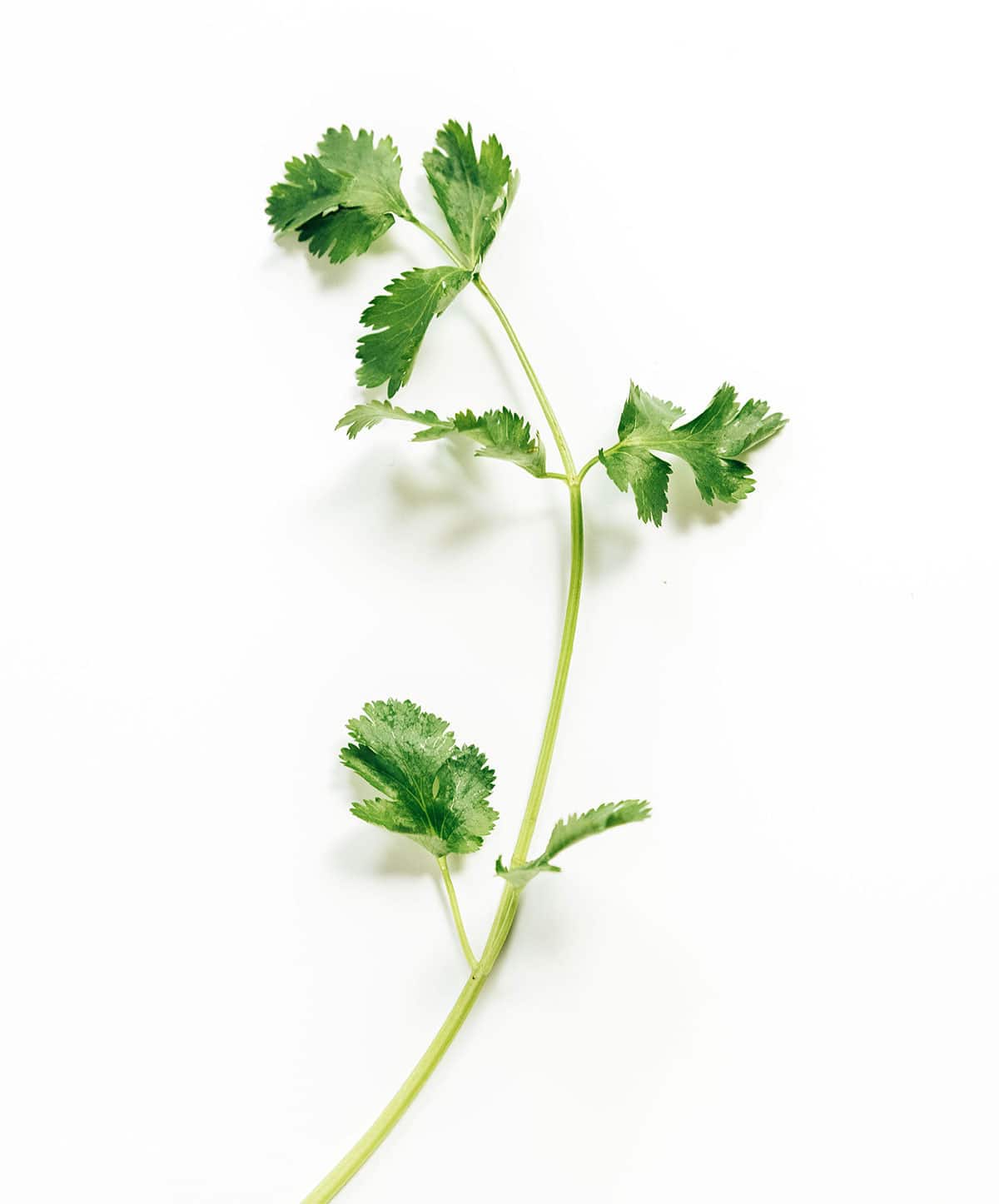
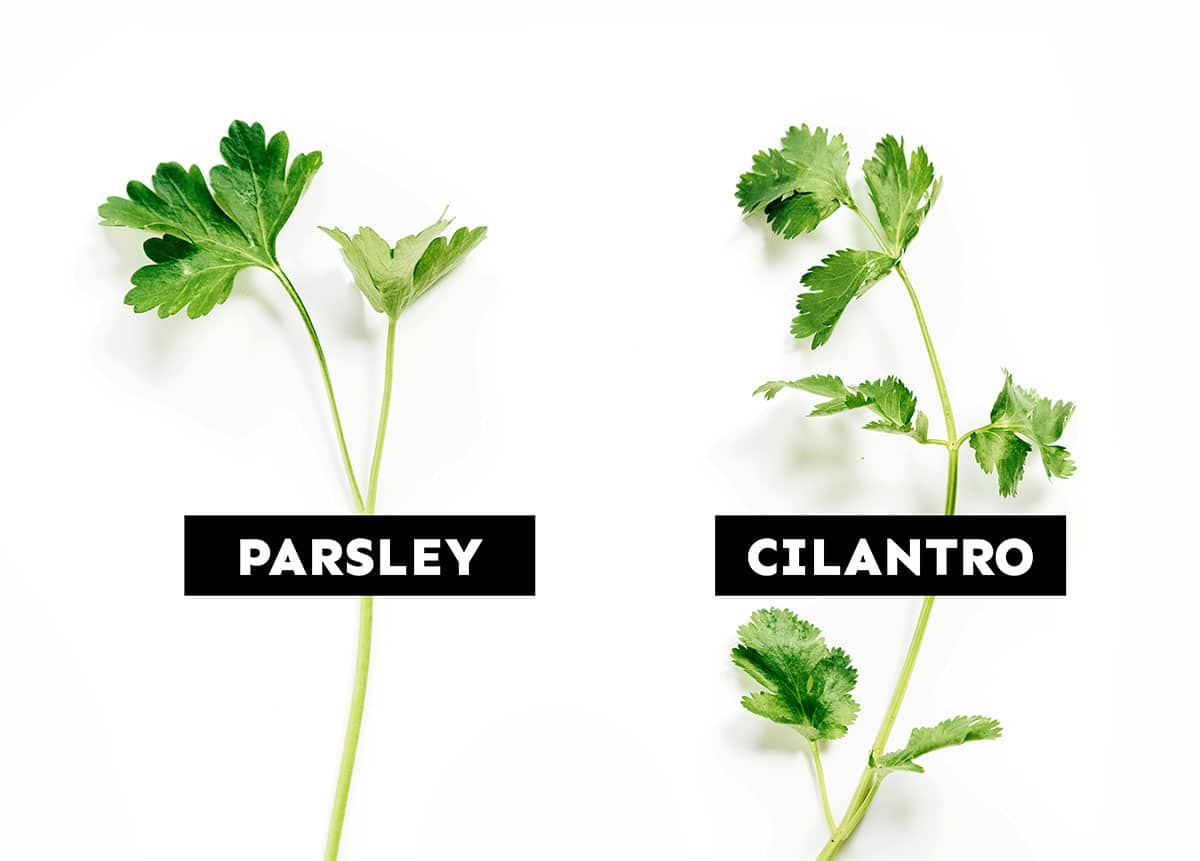
To the untrained eye, cilantro and parsley look alike. But upon closer inspection, there are a few ways you can easily tell them apart!
First, cilantro and parsley leaves are shaped differently. While they both have a sort of ridged fan shape to the leaves, the parsley ends are more round and defined. Cilantro leaf ends tend to be more ridged with shorter and stubbier ends.
Second, the scents of the two herbs are very different. You’ll find cilantro to smell stronger with a citrus scent, while parsley will be milder.
Recipes that use cilantro
Now that you know all about cilantro, here are some recipes that you can make to try it out!
- Tacos are always delicious with the addition of the herb, and Mushroom Carnitas Tacos are no different!
- Flavor Mexican-style dips, like Mama’s Famous Bean Salad!


Thank you for sharing
I 💚 cilantro! My husband 🤬 it! He must have the gene. 🧬
He tells restaurant servers he’s allergic, to assure they leave it out. Then I tell them to take what they leave OUT of his dish, and add it to MINE! 🤣
Does Cilantro help extract heavy metals in the body?
Cilantro is often mentioned in natural wellness circles for its potential to help remove heavy metals, but the science is still pretty limited. A few small animal studies suggest it might help mobilize certain metals like lead or mercury, but there’s not enough solid human research to confirm it as an effective detox. That said, cilantro is nutrient-rich and tasty—just don’t rely on it as your main detox tool!
Does cilantro enhance mashed potatoes??? Or should I use parsley??
I would use Italian parsley 🙂
Hello purchased a cilantro plant in soil its turning yellow. What can I do?
I found cilantro notoriously difficult to grow at home. It sounds like it might be overwatered or oversunned.
The parsley you show in the picture we, in the Netherlands, call ‘flat parsley’. It has slightly more taste than the more commonly used ‘curly parsley’.
Furthermore I actualy have the gene you mention, so I never use the coriander leaves.