

This post contains affiliate links.
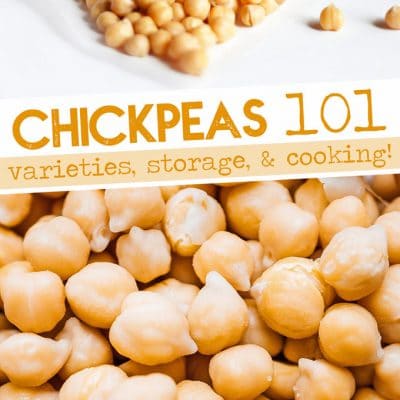
Are chickpeas good for you? And why should we be eating more of them? Everything you need to know about chickpeas (a.k.a. garbanzo beans), including different varieties, uses, and nutrition information.

Health benefits of chickpeas
Chickpeas are a staple in the world of legumes. But are they as healthy as we think? In short, yes.

Chickpea Nutrition
A nutritionists favorite ingredient! Chickpeas are a great source of fiber and plant-based protein, as well as load of nutrients, like folate and iron! I’ll put on my nutritionist brain and break it down! (This information is per 1 cup (164g) of canned or cooked chickpeas)
Calories: 269
Chickpeas are middle of the road in terms of calories – they’re not low calorie, but also not packed with calories. Chickpeas contain a similar amount of calories as most peas and beans like it (helloooo healthy legumes).
Carbohydrates: 45 grams
Chickpeas are not a low-carb food, so they’re not suited for a keto diet. But with loads of complex carbs and fiber (see below), they have a relatively low glycemic index.
Fiber: 12 grams
Chickpeas are an excellent source of insoluble and soluble fiber, and have 50% of your Daily Value (DV). This means that chickpeas can make you feel full, helping you to eat less and lose weight. Fiber is also great for maintaining gut health!
Protein: 15 grams
Chickpeas are a good source of protein, making it great for building and maintaining muscle. Like many plant-based proteins, they don’t contain all the essential amino acids that we need, but they are rich in a few, including lysine and arginine.
Fat: 4 grams
While not completely fat-free, chickpeas are relatively low-fat.
71% Daily Value of Folate
Chickpeas are rich in folate, which is a water-soluble vitamin that helps make DNA & RNA.
28% Daily Value of Phosphorus
They also contain a good amount of phosphorus, the mineral that works with calcium to help build strong bones and teeth bones and teeth.
26% Daily Value of Iron
For a vegetarian diet, any plant source with this much iron is a huge win! Chickpeas are high in iron, which is a major component of hemoglobin, the protein that makes up red blood cells and carries oxygen around the body.
17% Daily Value of Zinc
They also contain zinc, a mineral important in strengthening the immune system, healing wounds, and maintaining the sense of taste and smell.
Phew! That’s a lot of chickpea nutrition. If that didn’t fill you in, here are answers to some common questions about chickpeas!
Are chickpeas starch or protein? Both! Chickpeas contain both starches and proteins. But while they may be a starch, they are a great source of fiber and have a lower glycemic index than their other starchy veggie counterparts (like potatoes).

Types of Chickpeas
There are different varieties of chickpeas which vary by the plant itself, then there are varying forms you may find these legumes in your grocery. So first, here are a few varieties you may find around the world:
- Kabuli: Large and beige with thin skin, these are increasingly common in American groceries. They have a mild nutty, creamy flavor.
- Desi: Small and dark with yellow interiors, these guys are most popular worldwide. They have a thicker, more nutritious seed coat than the Kabuli-type beans.
- Green: These are younger chickpeas with a sweet flavor, almost like green peas.

How to Buy Chickpeas
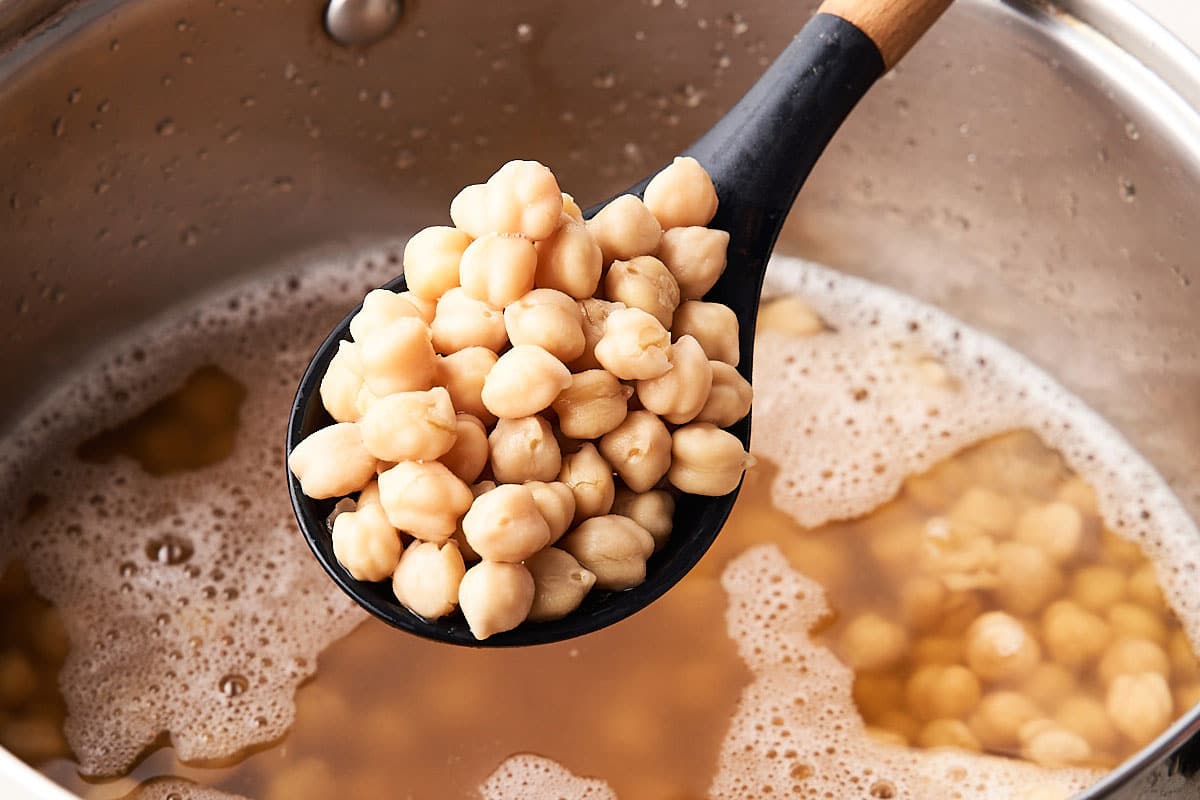
Dried chickpeas: You may find dry chickpeas in the bulk section of your grocery or with the canned goods. These should be stored in an airtight container for up to a year. The longer they’re stored, the more moisture they’ll lose and the longer they’ll take to cook.
Canned chickpeas: Canned chickpeas are pre-cooked chickpeas. You can eat canned chickpeas straight out of the can! Just be sure to rinse them off before chowing down to wash out excess sodium!
Chickpea flour: Indian and Italian cuisines both incorporate chickpea flours into a lot of dishes, from curries to pastas! In fact, India is crazy about chickpeas and produces more than any other country in the world. (Here’s how to make chickpea flour!)
Healthy chickpea recipes
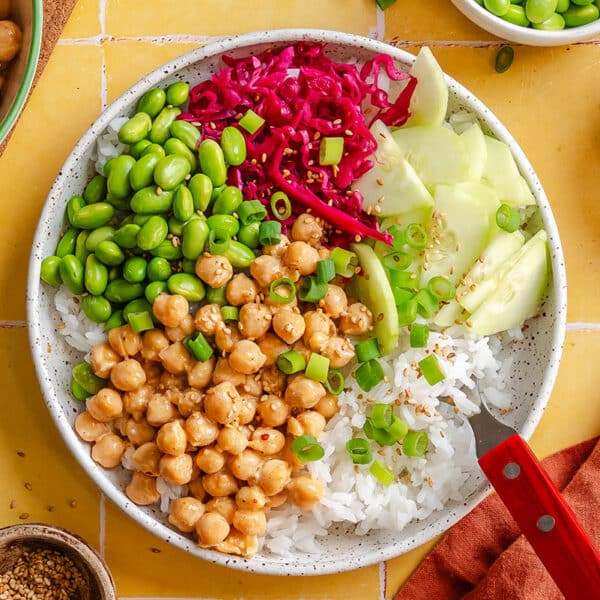
Ready to get cooking? We love chickpeas here at Live Eat Learn and put it in everything from chickpea salads to traditional hummus Check out all our chickpea recipes here!



Was interested in learning about the fiber content and good value thereof. Is it due in greater part to the shells rather than the meat? I like peeling the shells and the creamy result – and yet am now wondering if I am removing a valuable part of the fiber content. You have a great site and great tips!!! You mention removing skins at one point – but I have searched around and cannot find a definitive answer. Thanks Sarah!!!
Patti
Thanks so much, Patti. I’m happy to help! 😀
Came here with the same question! Have no answer yet.
There is a good bit of fiber in the chickpea skins, but you’ll still be getting fiber if you take them off 😀
Thanks for all the great info. Do you need to make the effort to remove all the casings on the chick peas – as from a can – or just remove those already loose? Do they have any nutritional benefit?
They do have a little fiber in them, so they have some benefit! Unless you mind the texture, I usually just remove the skins that are already off. Too labor intensive for me!
I love putting olive oil and buffalo sauce on them and roasting them in the oven! Soooo good!
Great info thanks👍
Hi Sarah, My name is Sarah also how fun. 🙂 Seriously though, I am new to becoming a vegetarian. I haven’t started yet. I always put chickpeas on my salad and mushrooms and avocados no lettuce though as I wear dentures sometimes but since they don’t fit most of the time I go without and I put lots of salad dressing on my salad. so that blows the vegetarian diet right there, I bought frozen Jamba Juice Green Fusion and a bag of chopped spinach. I honestly don’t know what a beginner vegetarian’s grocery list should look like. I want to ease into the vegetarian lifestyle maybe 3 days a week for 2 weeks then 4 days a week for 2 weeks and so on. Is that advisable? Oh, as I have mentioned before I can eat almost anything without my teeth, I’m saving up for new dentures. So, don’t let that stop you from suggesting things you think I might like. I really appreciate any help you can give me. maybe I am too much trouble. I hope not.
I’m looking forward to becoming vegetarian after being a junk food junky and not a healthy eater for so long. You see, I have 2 lung diseases and 1 of them has my lifespan down to 3-5 years and I’ve known about it for a year and a half so I have 3.5 years to live according to Healthline. According to ALA, they don’t put a time on it. Which I guess is good, that is supposed not to make me worry but I worry more when I don’t know. This way, I do what I have always done. Live life to the fullest. I have my own copywriting and direct response business which I just got into.I am learning that. I have 2 cats. I am an only child, a widow of 2 yrs. but that is quite hard. I’ll deal with it. but I want to make a change in my life. I am tired of not having any energy. I want to eat healthier, yes, I want to lose some weight but slowly. I don’t like meat unless it’s covered in gravy. So will you help?
Hi Sarah! While I can’t give any medical advice here, I can point you in the direction of some tasty recipes! Here are all of our vegetarian recipes, and here are some recipes for beginners. Enjoy!