

This post contains affiliate links.
From honey to coconut sugar, we are covering substitutes for brown sugar for all different uses including baking, drinks, and more! These are all brown sugar substitutes that we’ve tried and loved for their unique characteristics.
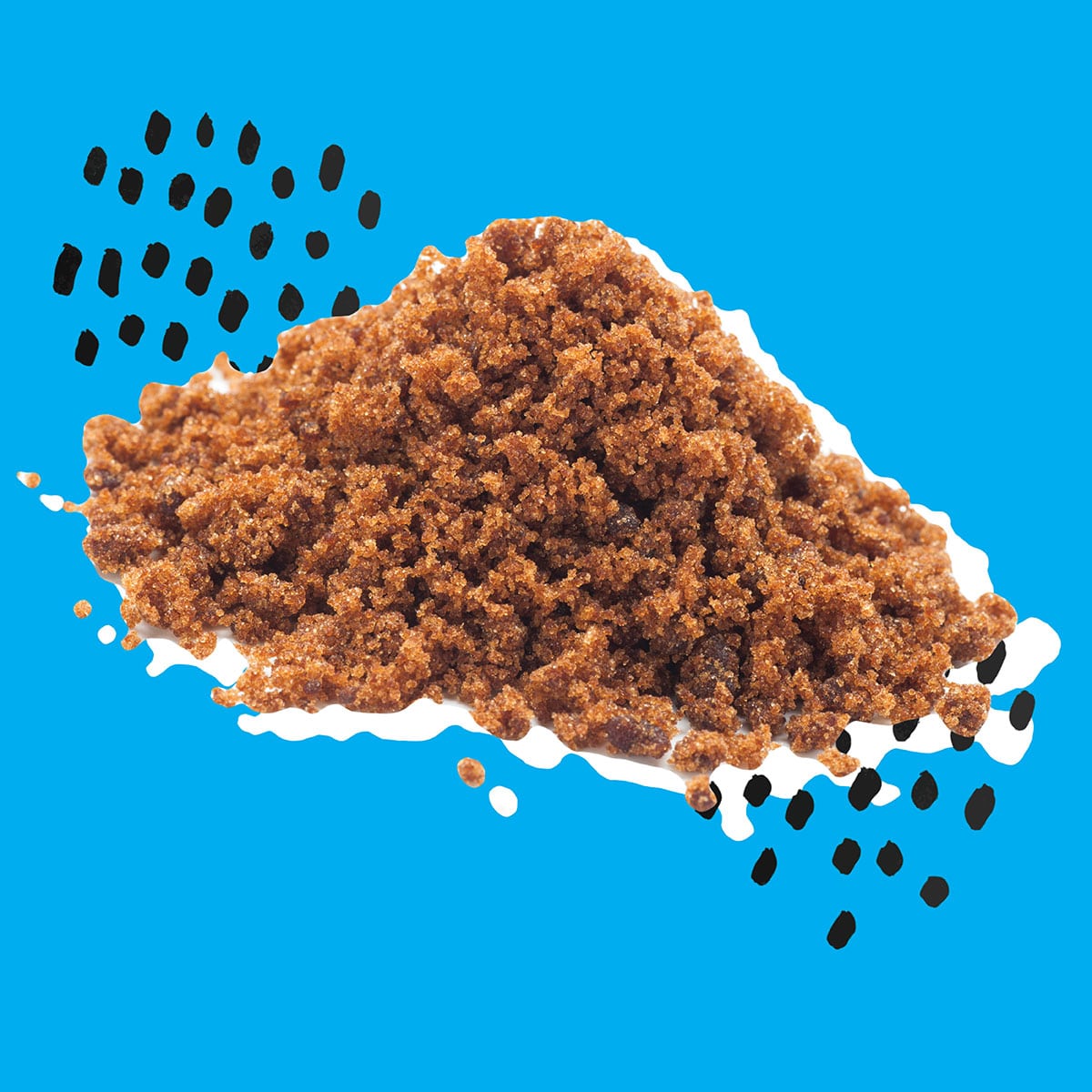
What is Brown Sugar?
The best way to explain how brown sugar is made is to first touch on white sugar. After cane or beet sugar is harvested, the sugary liquid is extracted and heated to form molasses. The crystallized sugar is then run through a centrifuge that further separates the sugar from molasses. Finally, the white sugar is subjected to a filtration process, often involving bone char (animal bone making it less than vegan friendly) to give us the white sugar we buy in the grocery.
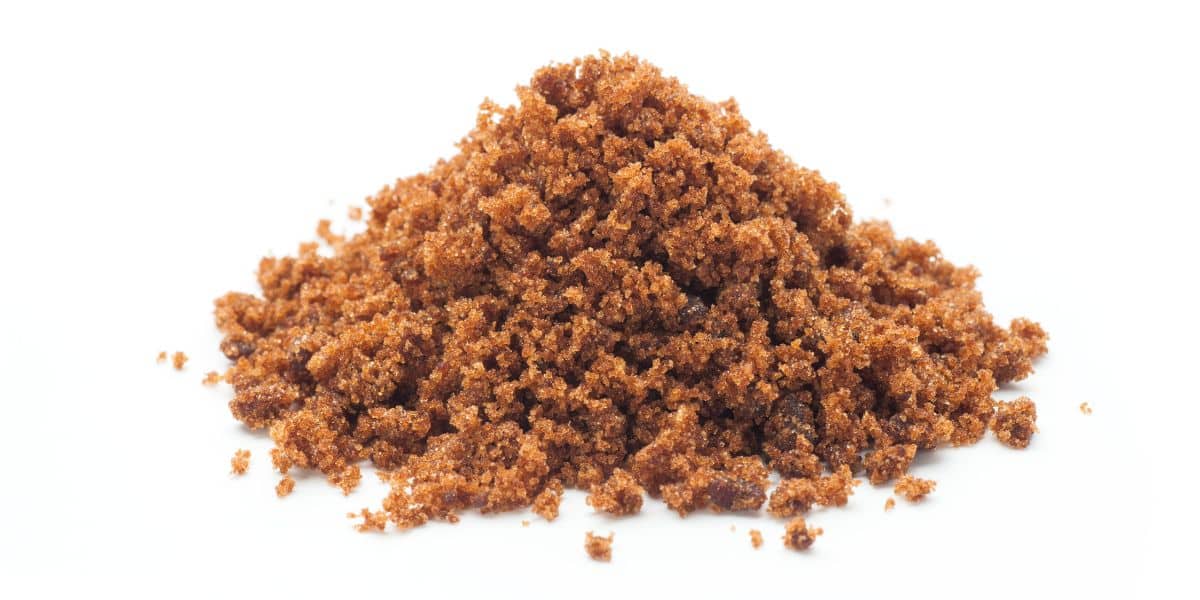
Refined brown sugar is nothing more than this white sugar with the molasses added back in. Unrefined brown sugar is similar except that it is made by removing less of the molasses right up front in the sugar-making process.
Dark Brown Vs Light Brown Sugar
There are two main types of brown sugar and the only difference is the amount of molasses in them. Light brown sugar is usually about 3–4% molasses. Dark brown sugar can range from 6–10% molasses.
Light Brown Sugar: It adds a light caramel-like flavor to your cooking and is often used in recipes when a subtle caramel or toffee flavor is desired, such as in baking cookies or cakes.
Dark Brown Sugar: Due to its higher molasses content, it has a stronger flavor and a darker color. It is used in recipes like gingerbread, barbecue sauces, and baked goods, where a richer, caramelized flavor is the goal.
Most Common Cooking Uses of Brown Sugar
There is seemingly no end to the uses for brown sugar. We won’t break this down between light and dark as that is really a matter of preference and recipe. If a recipe calls for light, you can substitute dark, and vice versa.
- Baking: Brown sugar adds moisture and flavor to baked goods like cookies, cakes, muffins, fillings, oatmeal, and more!
- Sauces and rubs: Brown sugar is a great option for sauces and glazes. Its depth of flavor is used in barbecue sauces, caramel sauce, and toffee. It is also often used in dry rubs and marinades to add sweetness and texture.
- Frosting and icing: Brown sugar can be used to sweeten frostings and make caramel icing.
- Beverages: Brown sugar syrup can be used to sweeten cocktails or to create flavored syrups for coffee and tea.
Best Substitutes for Brown Sugar
We think that these are the three best replacements for store-bought brown sugar.
Homemade Brown Sugar
We believe the best brown sugar substitute is homemade brown sugar. It is really pretty simple, and most cookbooks use the same proportion of ingredients. For each cup of white sugar, you add 1 tablespoon of molasses to make light brown sugar or 2 tablespoons for dark brown sugar. Then, mix thoroughly until you get a uniform color and consistency.
More White Sugar
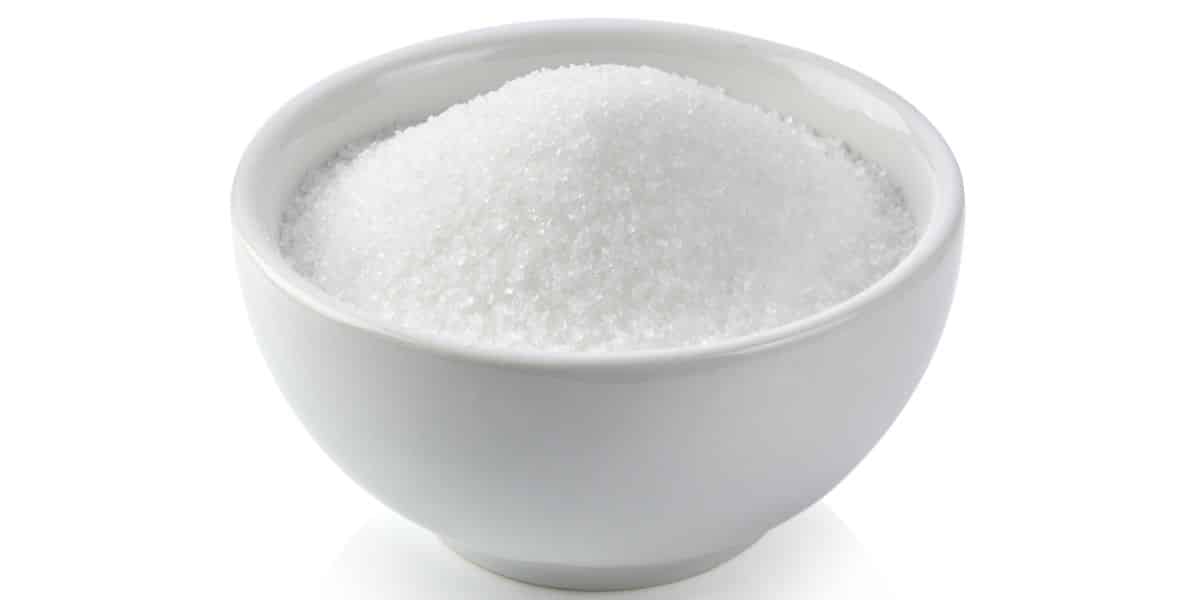
Our second recommendation is sort of a cop-out. Just use white sugar in equal proportions to the recipe’s call for brown sugar. We list this recommendation second not because we recommend it but because it is the easiest option. Most of us tend to run out of brown sugar but not white, making this the easy substitute.
If your brown sugar is as hard as a rock, don’t throw it out, just put it in the microwave for about 20 seconds. Or, if you have time, put a piece of bread in the air-tight container and let it sit for a day. It should soften up nicely.
Keep in mind that using white sugar will change the flavor of the recipe. If you are making something like pecan pie, this is not the substitution you want to make.
Liquid Sugar
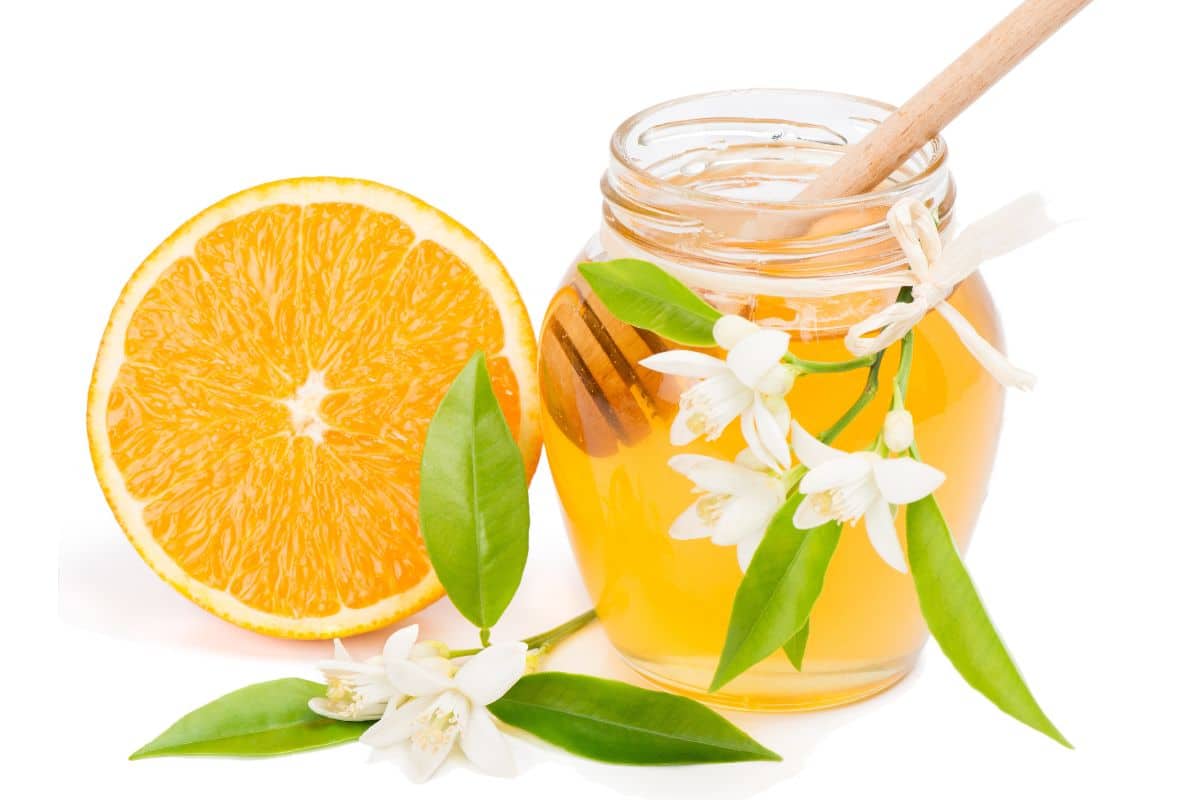
Honey, agave nectar, maple syrup, brown rice syrup, and date syrup are all decent replacements for brown sugar. Of course, they are in liquid form, so you will likely need to adjust other liquid ingredients in your recipe (by slightly reducing them) to compensate.
The amount of each liquid syrup you use is not scientific and should be made largely to taste. Our best advice is to use between ½ and ¾ cups of any of these liquid sugars for each cup of brown sugar in your recipe. Yes, this is a wide range, and perhaps we are being evasive, but these liquid sugars all have different tastes and affect various recipes differently.
While you can definitely Substitute honey for brown sugar, the taste of your recipe will definitely change. We think date syrup is probably the closest match of these.
We suggest you use any of these liquid sugars for liquid recipes like sauces, glazes, BBQ, or drinks rather than baked recipes. If you do bake with these, your best bet with any substitute is to add the brown sugar replacement slowly, allowing you to test your batter for taste and consistency before adding more.
Other Sugar Substitutes for Brown Sugar
All of these specialty sugars can be substituted for brown sugar. Use a 1:1 substitution ratio as a planning figure, but consider the taste that each will impart to the recipe you are cooking. As always, add some, test, and add more.
Maple Sugar
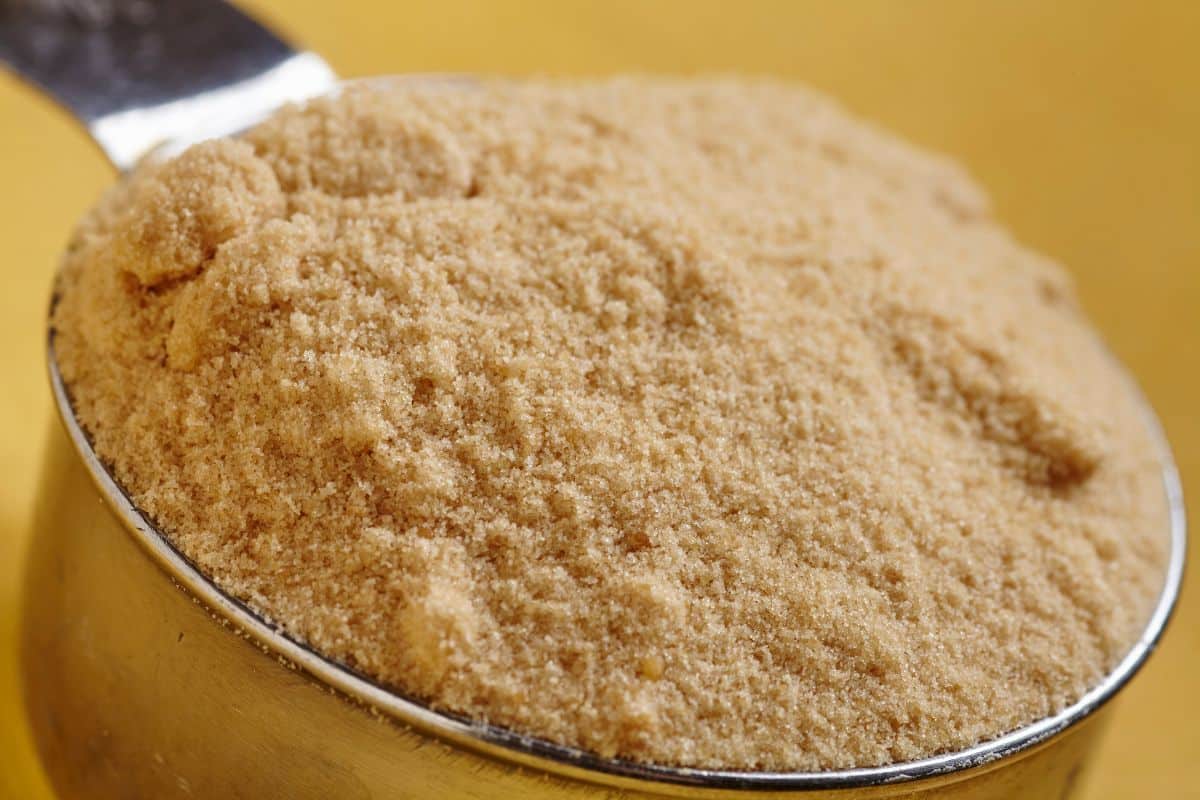
Maple sugar is made from the sap of sugar maple trees. It has a caramel-like taste with hints of vanilla and toffee. This pleasantly sweet flavor makes it a popular choice in cooking and baking, and a good substitute for brown sugar. It is not quite as moist as brown sugar, so you may have to adjust other liquids in your recipe to get the desired consistency.
Maple sugar is not processed in the way white sugar is, which, as we said, can involve the use of bone char. Thus, maple sugar is a better vegan option.
Date Sugar
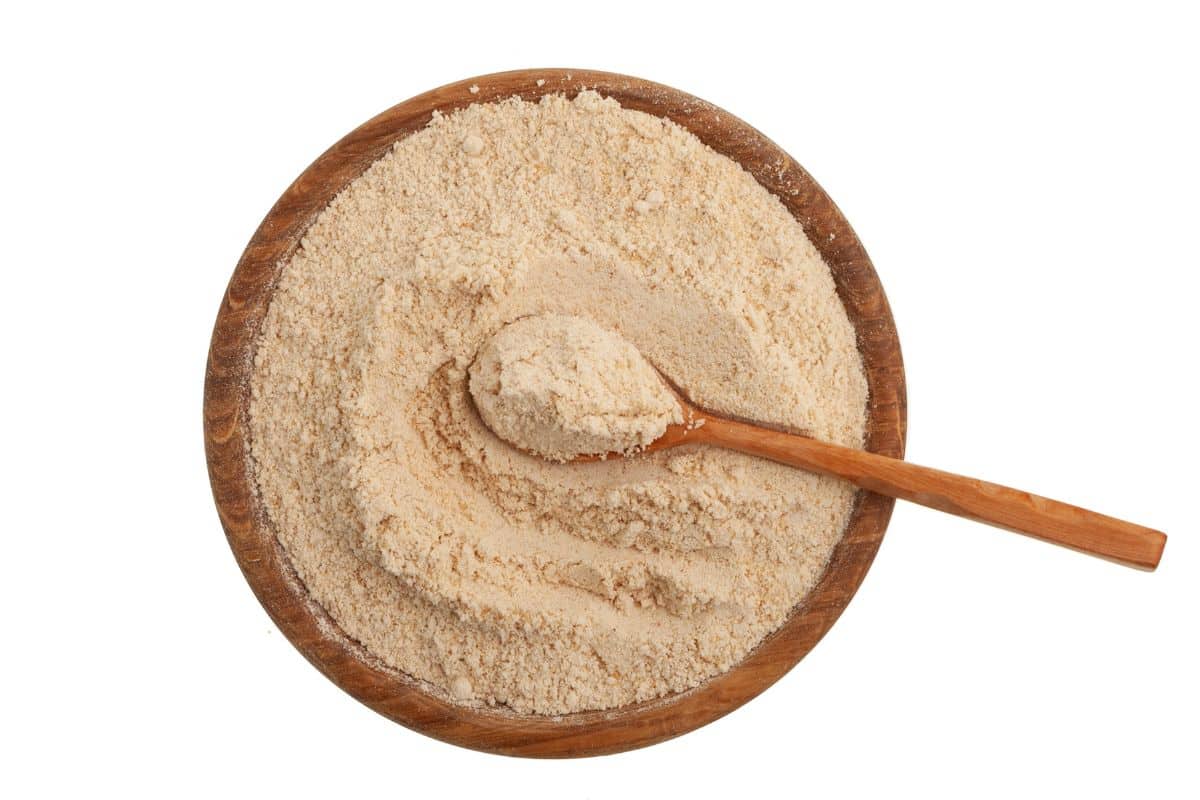
Date sugar is made from dried ground dates. It really is the ultimate unprocessed sweetener, certainly compared to table sugar. This ensures that much of the nutritional value of the dates is retained, and dates are a good source of vitamins and minerals, such as potassium, magnesium, and vitamin B6. This coupled with date sugar’s low glycemic index makes it a popular choice among health-conscious individuals and those looking for alternative sweeteners.
There is always a but. In this case date sugar doesn’t dissolve or melt in the same way as brown sugar, which can affect the texture of your baked goods. You may notice a slightly grainy texture in recipes when using date sugar. To mitigate this, you can try blending the date sugar into a finer powder before using it.
Palm Sugar
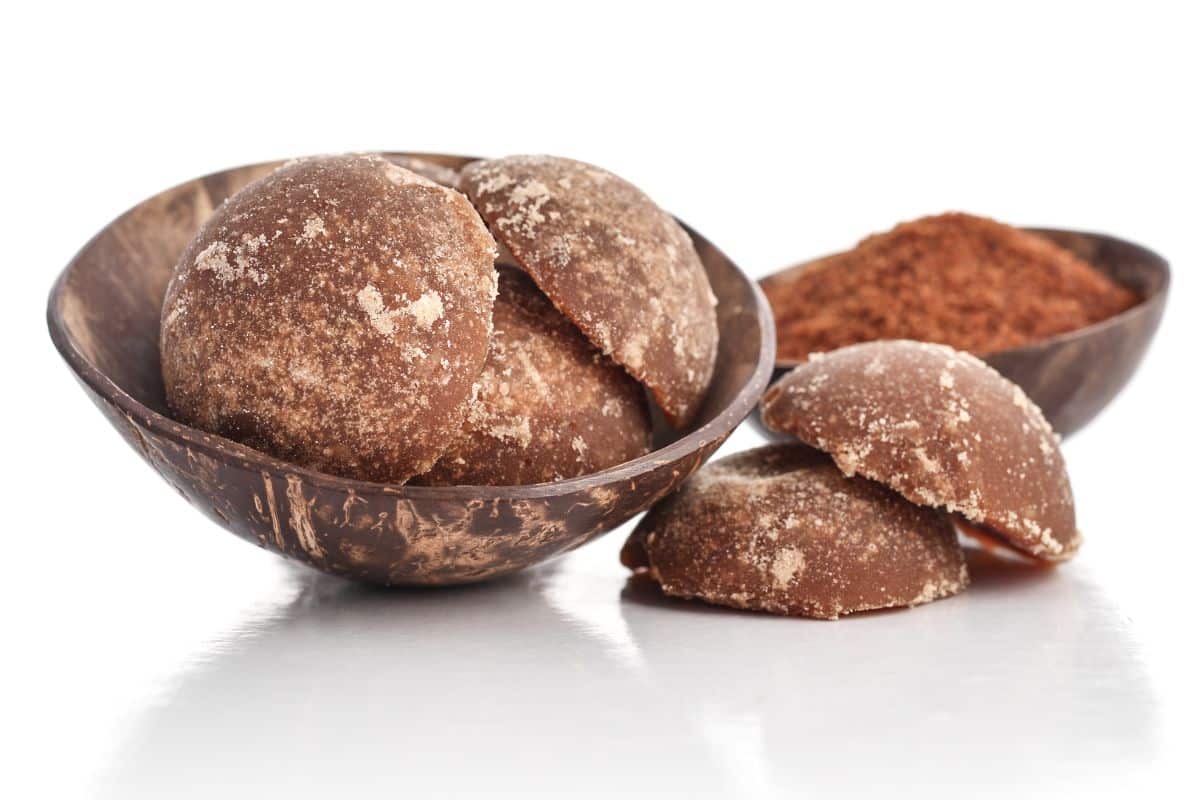
Palm sugar is made from the sap of palm trees. It has been used in Asia, Africa, and South America for centuries, certainly before we began processing sugar cane. It has a sweet caramel flavor with hints of toffee.
Palm sugar is sold in solid blocks, granules, or thick syrup. You can use any of these as a brown sugar substitute, but it doesn’t dissolve as easily as brown sugar. To fix this, you can either grate or finely chop palm sugar before using it or dissolve it in a little hot water to create a thinner syrup-like consistency.
Coconut Sugar
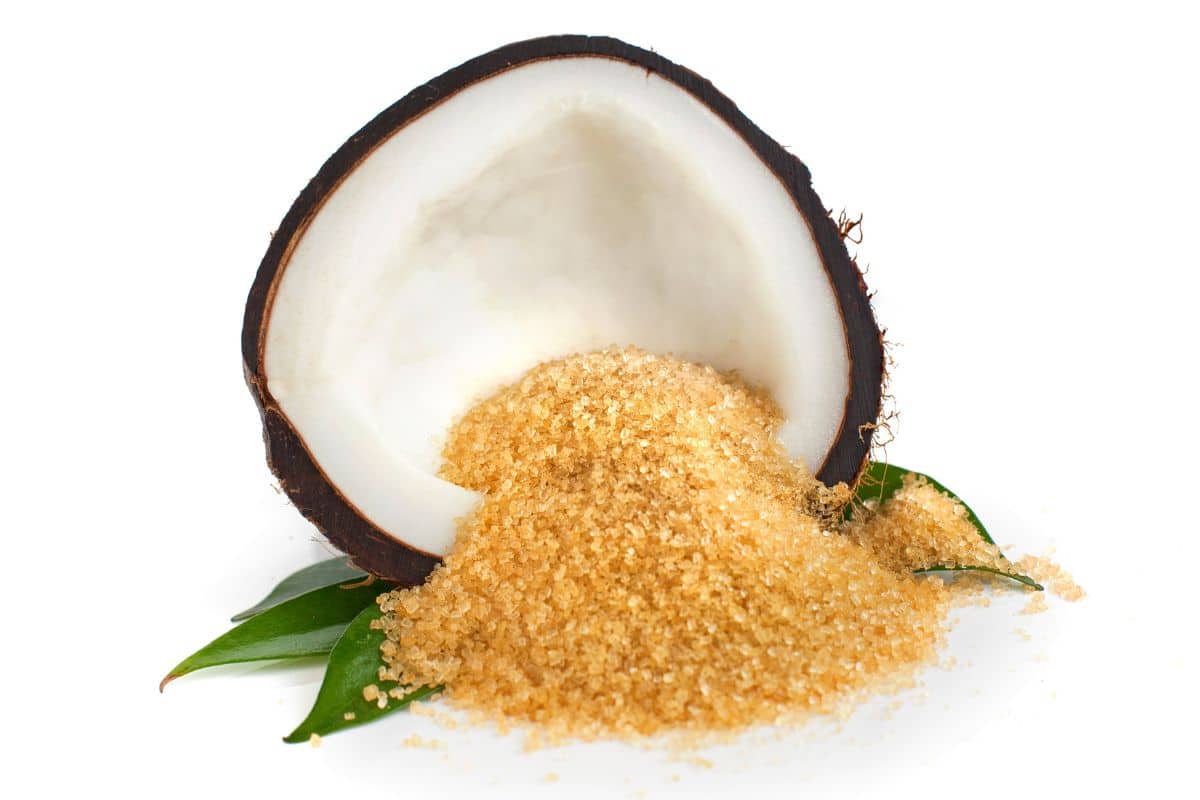
It is also known as coconut palm sugar or coconut sap sugar and is a natural sweetener made from the sap of coconut trees. It does NOT have a coconut flavor and tastes something like brown sugar. It has been used as a traditional sweetener in SE Asia for probably thousands of years.
Coconut sugar is made by heating the sap and then dehydrating it to create granules or blocks of sugar. It has gained popularity in the USA as people look for alternatives to highly refined sugar.
It has a mild caramel-like taste with hints of butterscotch. It has a slightly coarser texture than brown sugar, but you can run it through a food processor to make it finer if needed. Also, keep in mind that the caramel-like flavor of coconut sugar may be more pronounced in some recipes, so it’s a good idea to experiment and adjust the quantity to suit your taste.
Muscovado Sugar
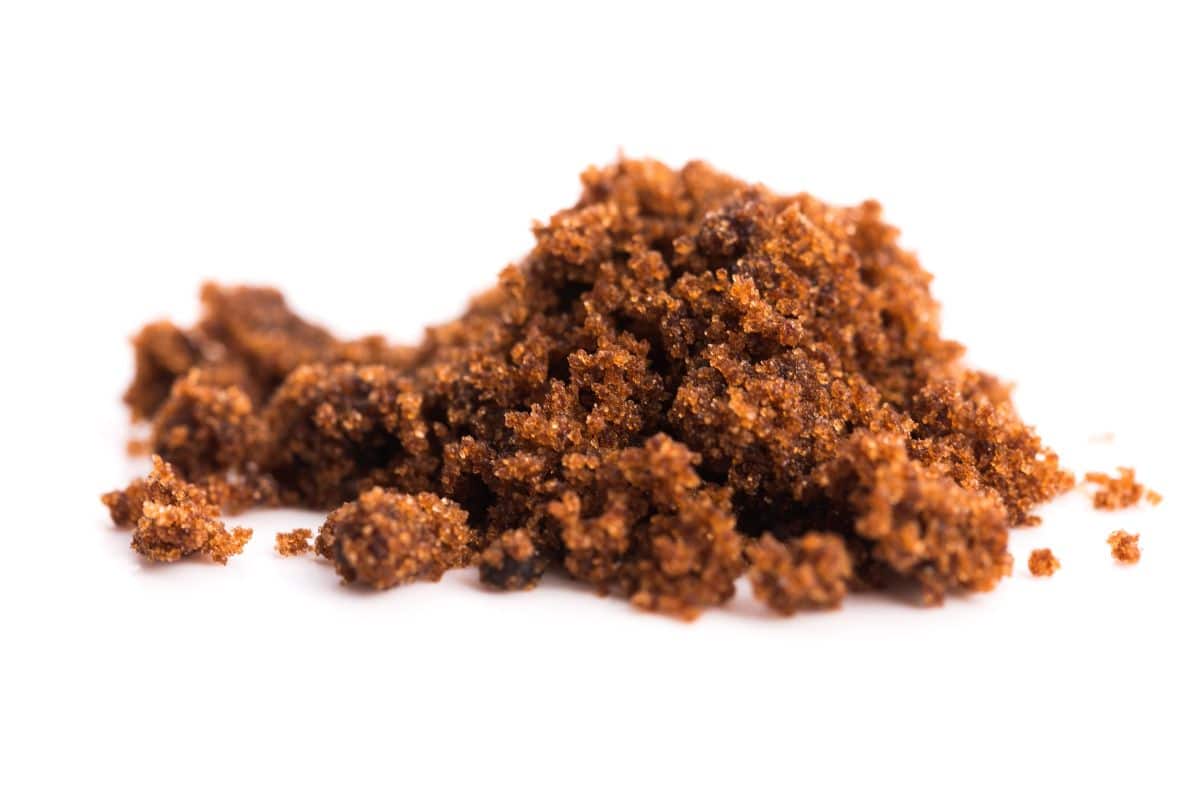
Muscovado sugar is often dubbed “unrefined brown sugar” and has a deep, dark brown color and molasses-like flavor. Most of the molasses that was originally in the sugar cane is not removed which gives it a moist and sticky texture. This makes it a good substitute for dark brown sugar and for uses like BBQ sauce or gingerbread cookies where dark brown sugar is normally used.
For those seeking to avoid heavily processed foods, muscovado is a good option. The production process involves extracting sugarcane juice and then allowing it to evaporate, resulting in the crystallization of sugar with a high molasses content.
When using this substitute, consider that muscovado has a stronger molasses flavor than even dark brown sugar, so your recipes will have a richer taste. Muscovado is also more moist than brown sugar, and that may affect the texture of your baked goods. To compensate, you can slightly reduce the liquid content in your recipe or add a little extra flour if necessary.
Turbinado Sugar
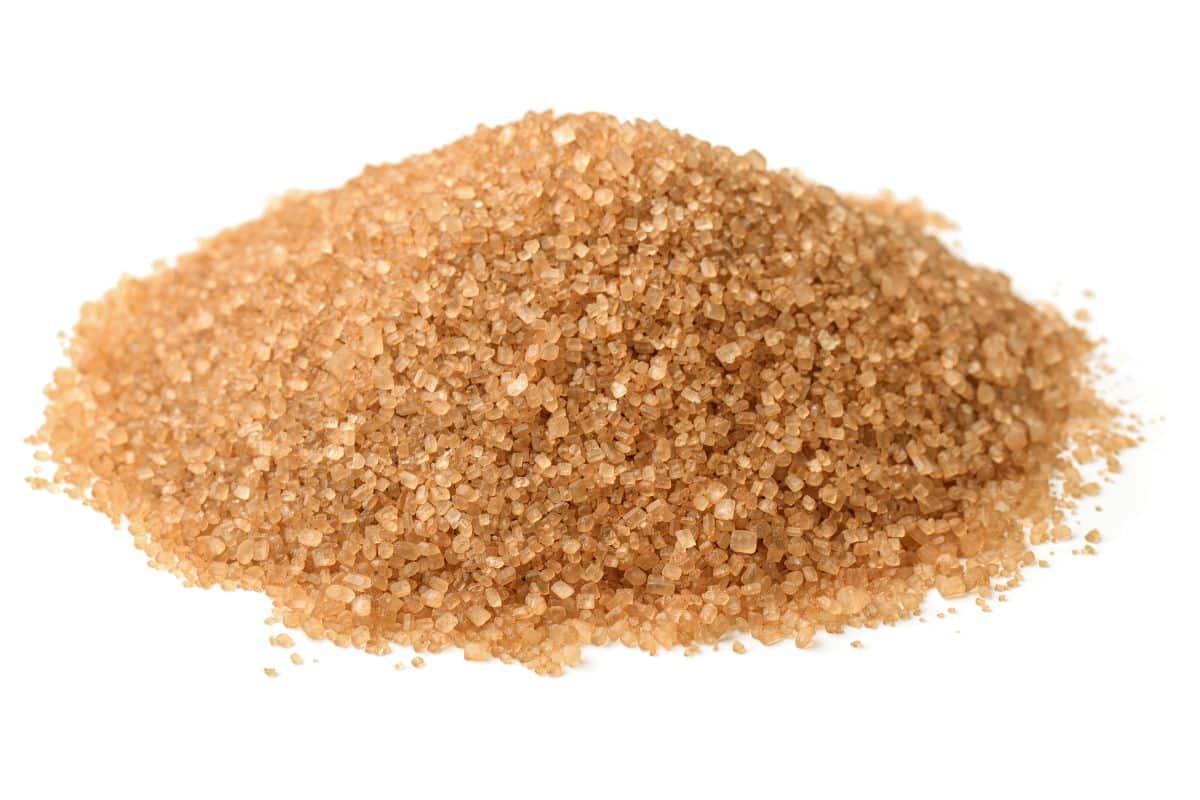
Turbinado is another type of minimally processed sugar, sometimes called “raw sugar,” though it is not strictly unprocessed. It gets its name from the turbine-like machine used in its production. It is, however, less refined compared to white granulated sugar, as it retains some of its natural molasses content, giving it a light tan or brownish color.
We think it is a good light brown sugar substitute due to its similar color as well as a similar taste and texture. Turbinado sugar has a mild caramel flavor and a subtle molasses undertone, which is similar to light brown sugar.
Turbinado does not dissolve as easily as brown sugar because it has larger sugar crystals. You can easily fix this by running it through your food processor to grind it into finer particles. It also isn’t quite as moist as brown sugar, so you may have to adjust the liquid content of some other ingredient in your recipe slightly.
Demerara Sugar
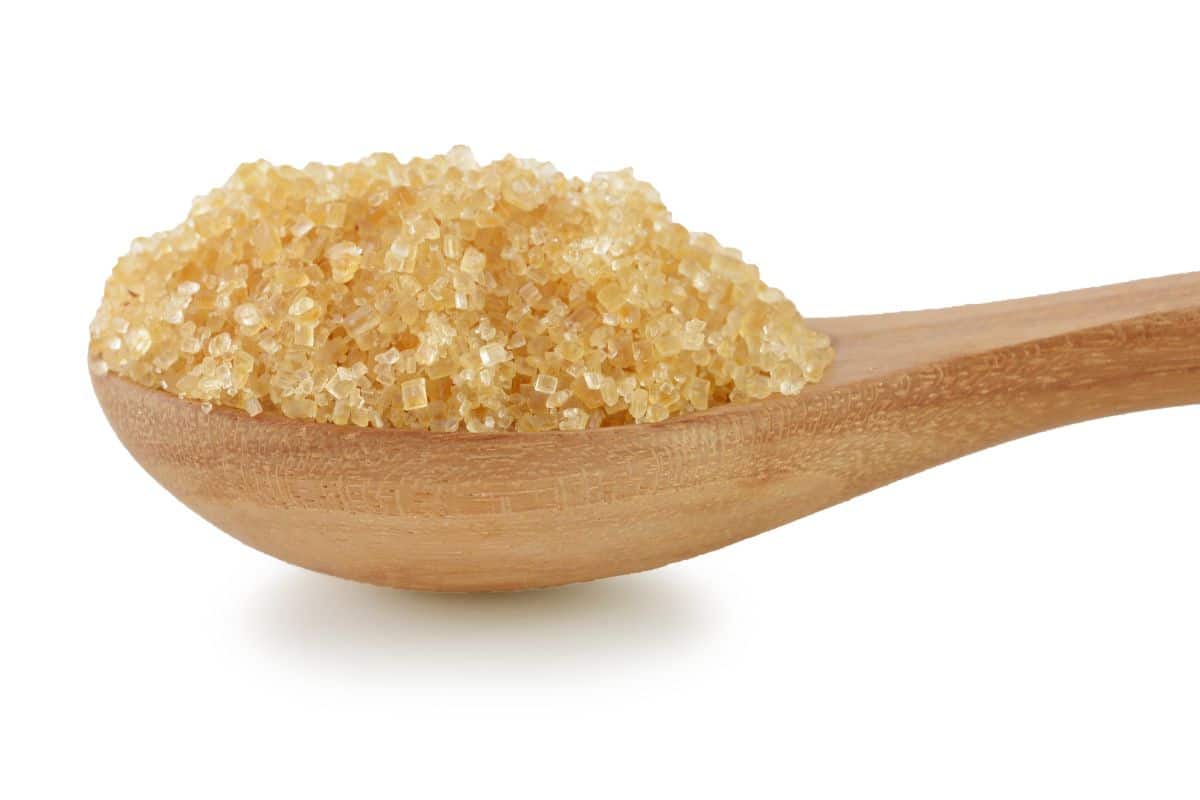
Demera is a brown sugar named after the region in Guyana where it was originally produced. Demerara sugar is less refined than white sugar and retains much of its natural molasses. This gives it its caramel-like flavor and golden brown color.
Demera is a good substitute for light brown sugar, as they have similar flavors and colors. Due to their molasses content, both demerara and brown sugar have a toasty and slightly caramelized flavor. Like turbinado, demerara has larger crystals than brown sugar, so it does not dissolve as easily. Consider giving it a quick blitz in a food processor to make the crystals finer before using them in your recipe.
Piloncillo
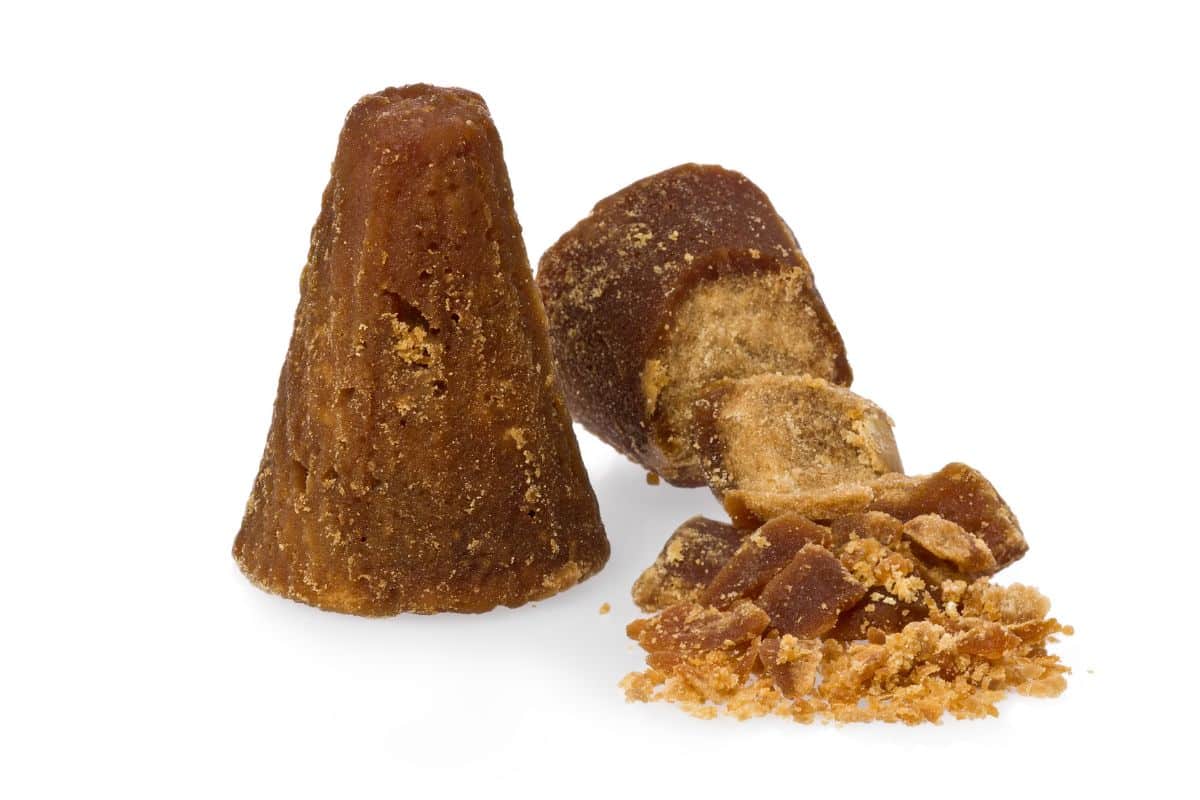
Piloncillo is a Latin American form of unrefined sugar. Piloncillo is made by boiling sugar cane juice until it thickens and then pouring it into molds. It cools and hardens into dense, dark, brown, or black sugar cones that retain the natural flavor and minerals from sugarcane.
Piloncillo has a unique, rich flavor with hints of caramel, toffee, and molasses, and is a good dark brown sugar substitute. Piloncillo is typically sold in solid cones or blocks. You’ll need to grate, chop, or crumble it before use.
Lower Calorie Brown Sugar Replacements
Applesauce
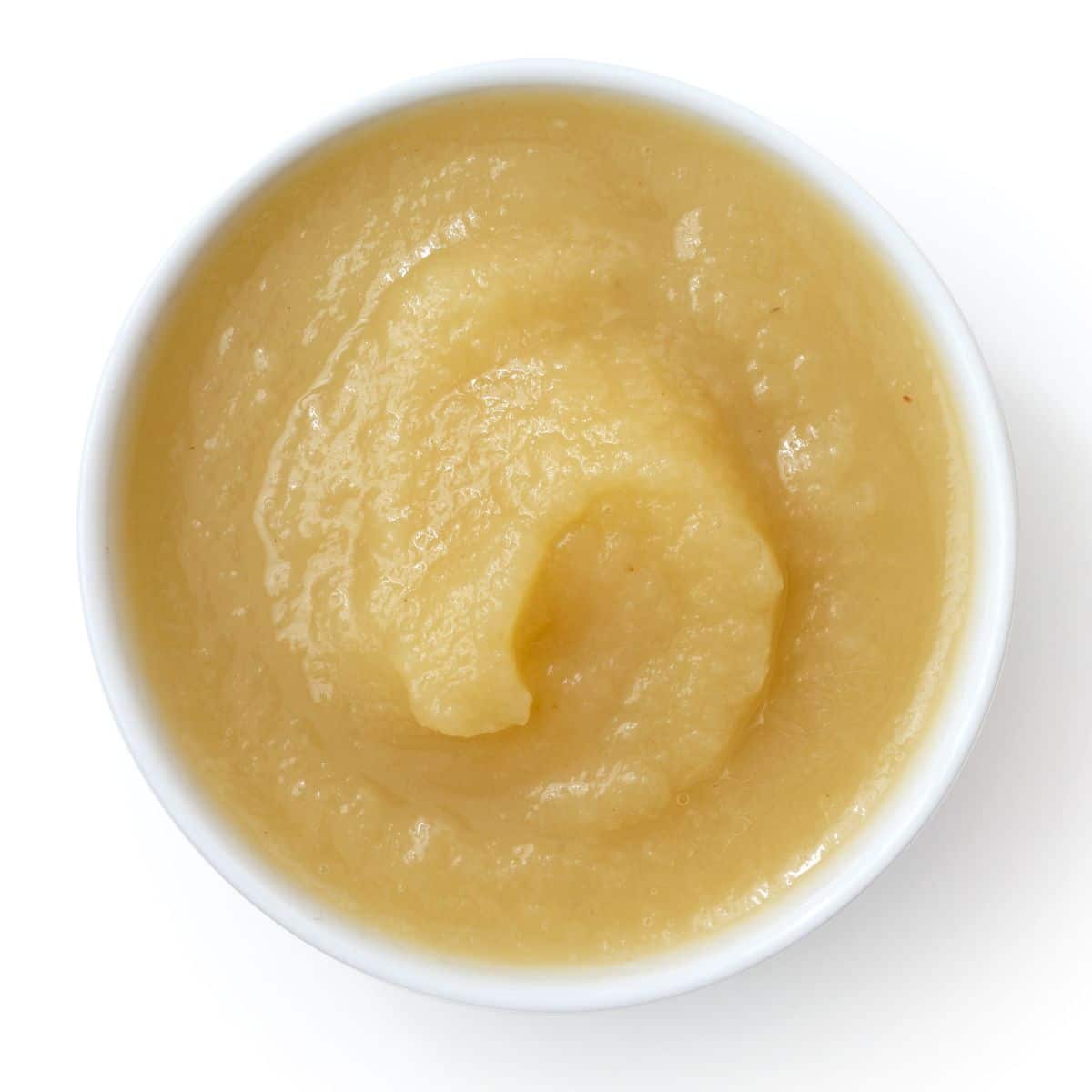
Applesauce is a healthy alternative to brown sugar that works in some recipes. Apples naturally contain sugar in the form of fructose. It isn’t as sweet as brown sugar, but this is all about tradeoffs. It also has a lot fewer calories than brown sugar and can be a good option for people trying to lose weight or control diabetes.
How to Replace Brown Sugar with Applesauce
Plan on using equal parts of applesauce to brown sugar (1:1 ratio) and adjust from there. Apple sauce adds moisture to recipes, and can also contribute to a soft and tender texture in recipes like muffins, cakes, and pancakes. For other recipes, the added moisture is a problem, so you will want to reduce the amount of other liquids in the recipe. You should probably use a different brown sugar alternative for thick recipes like cookie bars or pecan pies.
Applesauce also imparts a very different taste than brown sugar, so take a look at your recipe and the taste you are trying to achieve. Add cinnamon, nutmeg, or vanilla to compensate for the flavor change. We can’t give a hard recommendation here without knowing the recipe. Keep in mind that in some recipes, apple sauce is just not going to work due to flavor issues. Caramel sauces, BBQ sauces (kind of an obvious one), or pecan pie all rely too heavily on the flavor of brown sugar.
Stevia
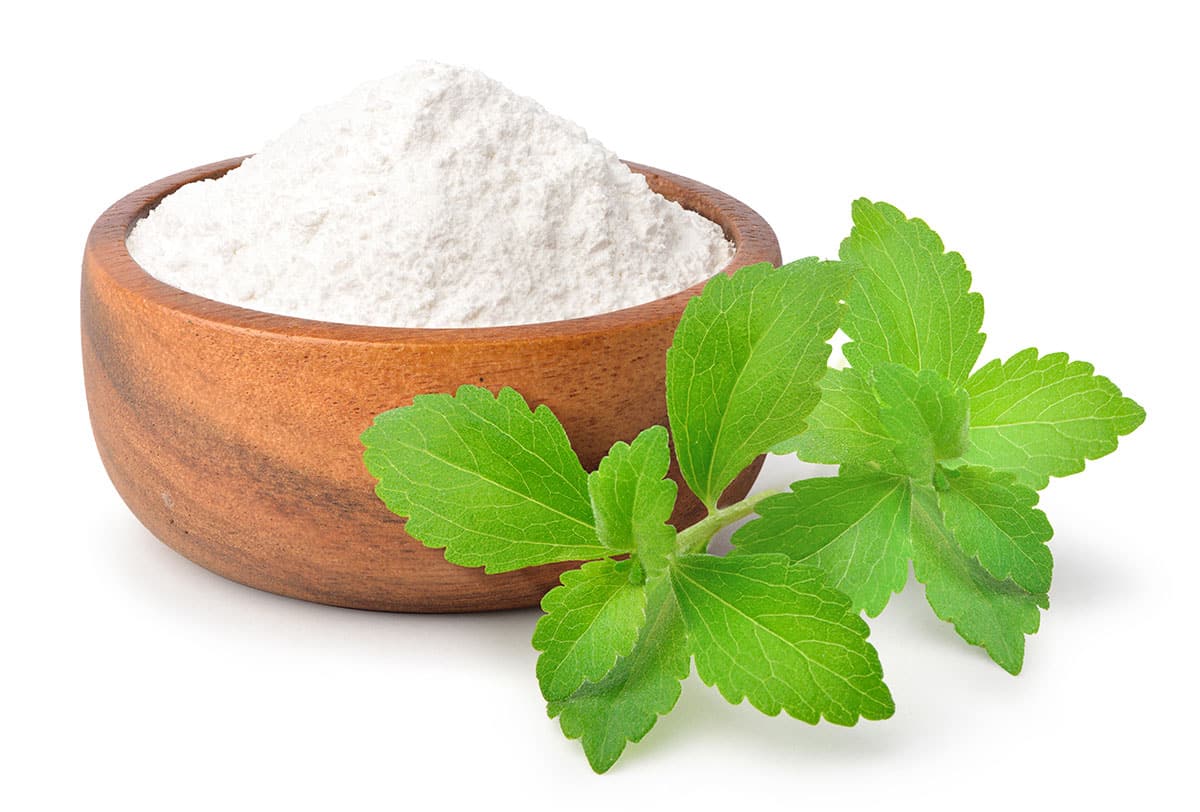
Stevia is made from the leaves of the Stevia Rebaudiana plant, which is native to South America. Many people think it is a “new sweetener,” but that isn’t the case at all. The Indigenous people of what is now Peru used these leaves as a sweetener long before the Europeans arrived.
Stevia is used for its intense sweetness, which is far greater than that of sugar. This makes it a popular choice for individuals looking to reduce their sugar intake or manage health conditions like diabetes and obesity.
How to Substitute Stevia for Brown Sugar
Stevia is significantly sweeter than brown sugar, with some estimates suggesting it can be up to 150 times sweeter. This means you need only a tiny amount of stevia to achieve the same level of sweetness as brown sugar. Of course, stevia lacks the distinct flavor of brown sugar. The compromise is to buy the stevia brown sugar blends you can find at the grocery.
You can use the blended stevia as a 1:1 replacement for brown sugar. If you want to use pure stevia, check the label on the package for their specific substitution instructions. Be prepared to experiment and adjust the amount you need in your batter until you get the right flavor and consistency. You will likely need to add a bit of liquid, perhaps apple sauce, to your batter to get the consistency you are after.
This wraps up our look at what to substitute for brown sugar. Which you choose should depend on personal preference and the recipe you are making. We hope you found some information you can use, and as always happy cooking from your friends at Live Eat Learn!


