

This post contains affiliate links.
From Hass to Zutano, we’re covering 23 types of avocados in this helpful guide to different kinds of avocados.
Millennial or not, you’ve probably had an avocado or guacamole at some point. These little fruits sky-rocketed in popularity in the last 10 years, much of that due to avocado toast.
But did you know there are different types of avocados other than the infamous Hass? Each avocado has its own unique traits and characteristics. During my avocado recipe week, I went a little overboard learning about types of avocados so I’m excited to finally share the knowledge with all you other avocado-obsessed souls!
Avocado Trivia!
Where did the name “Avocado” come from? Scroll to the bottom of the article for the less than G-rated answer
Origin of Avocados
The avocado is believed to have originated in what is now southern Mexico, Guatemala, and parts of Central America. It has a history dating back thousands of years, with evidence of avocado consumption by indigenous peoples in this region dating to at least 5,000 BCE. The earliest known evidence of avocado cultivation comes from archaeological sites in Puebla, Mexico, dating to around 2,000 BCE.
The Mesoamerican people, including the Olmecs, Mayans, and Aztecs, are credited with domesticating and cultivating avocados. They recognized the fruit’s value and versatility, incorporating it into their diets and using it in various culinary dishes. The Aztecs were the first to produce guacamole, we believe around 1500 CE. Just one more reason to be impressed by the Aztecs!
Spanish explorers and conquistadors encountered avocados during their travels in the Americas. The first European reference to avocados was made by Martín Fernández de Enciso, a Spanish explorer, in 1519. Avocados were introduced to Europe and were cultivated in Spain by the late 16th century. Spanish explorers carried them to the Philippines, Indonesia, and other tropical regions during the 17th century.
Avocados made their way to the United States in the 19th century. The first avocado trees were planted in California in the 1870s. However, it wasn’t until the early 20th century that commercial cultivation took off in California, where the ideal climate allowed avocados to thrive.
World’s Leading Producers
Today Mexico is the world’s largest producer of Avocados. The USA only ranks #11 globally. We need to state this as our list of different avocado varieties will include a lot developed in California. This just shows how popular they have become in the USA.
New variants are routinely developed to improve tree yield, taste, durability, you name it. Picking these is a labor-intensive task, and the lower labor cost in many countries gives them a distinct economic advantage in avocado production.
- Mexico: 2.4 million tons annually
- Colombia: less than 1 million tons
- Peru
- Indonesia
- Dominican Republic
- Kenya
- Brazil
- Haiti
- Vietnam
- Chile
- United States: Primarily California (90%) and Florida (10%) produce about 150 tons of avocados a year
We import about $3 billion in avocados annually, mostly from Mexico. There was a ban on Mexican avocados due to pest control issues until the 1990s. NAFTA broke through these restrictions and with it, American love for avocados grew exponentially.
Avocado Types A & B
Type A and Type B avocados refer to the two flowering groups of avocado trees, which are important for the pollination and production of avocados. Avocado trees are unique in that they have a reproductive system that depends on cross-pollination between different varieties within the two types.
- Type A Avocado (sometimes called “Mexican”):
- Type A avocados open as female flowers in the morning and then close in the afternoon.
- On the following day, they open as male flowers, releasing pollen.
- Type A avocados tend to have thicker skins and higher oil content than Type B.
- Common Type A avocado varieties include Hass, Bacon, and Zutano.
- Type B Avocado (sometimes called “Guatemalan”):
- Type B avocados have the opposite flowering pattern than do Type A.
- They open as female flowers in the afternoon and then as male flowers the next morning.
- Common Type B avocado varieties include Fuerte, Pinkerton, and Puebla.
To ensure successful pollination and a good avocado crop, Type A and Type B avocado trees are often planted in close proximity so that they can cross-pollinate. For example, if you have a Type A avocado tree, planting a Type B avocado tree nearby will enhance pollination and result in better fruit production.
This interdependence between Type A and Type B avocado trees is necessary because avocado flowers are self-incompatible, meaning they cannot typically pollinate themselves. The side effect of planting Type A and Type B trees together is that over time many natural avocado hybrids occurred. We will cover some of these below.
23 Different Types of Avocados
Bacon Avocado
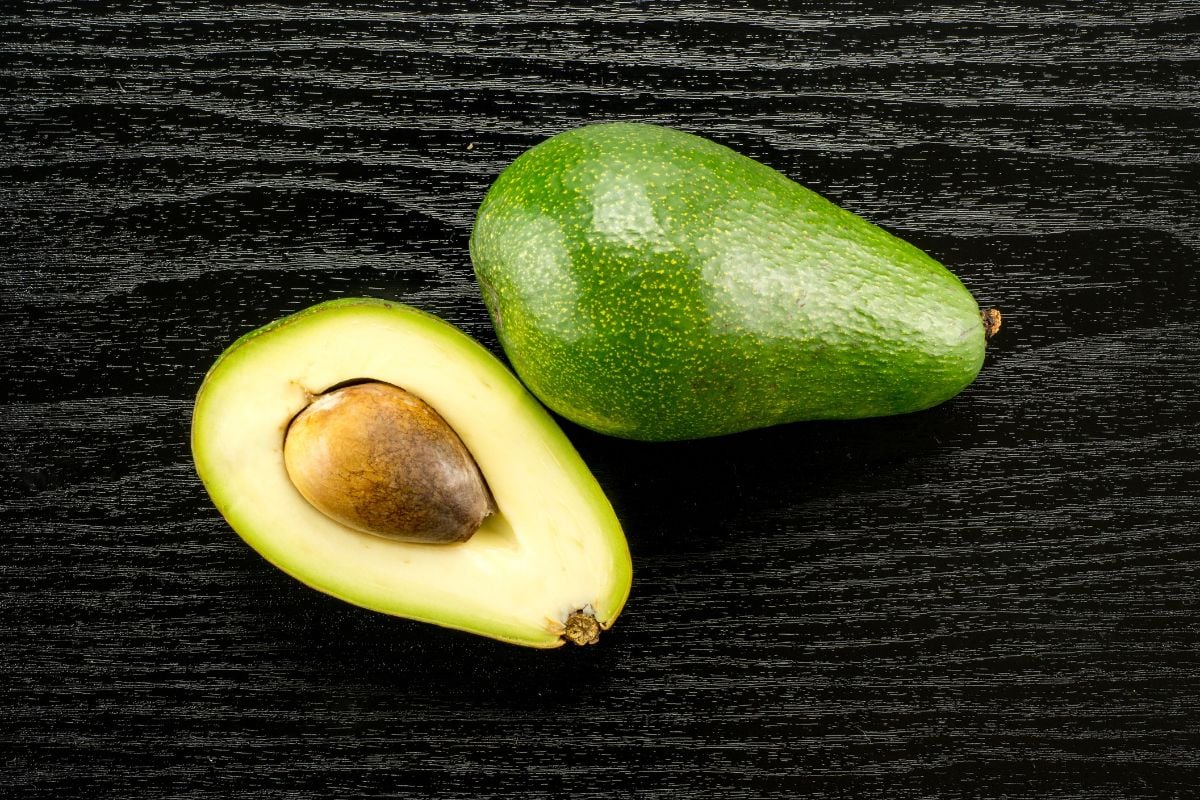
Bacon Avocado Description: The Bacon avocado is a medium-sized fruit with smooth, thin skin that turns dark green to purplish-black when ripe. Its flesh is creamy and pale yellow, offering a mild, slightly sweet flavor with a hint of nuttiness. The texture is smooth and creamy, making it a great choice for spreading on toast or adding to salads. While it doesn’t taste like bacon, it does go great in a vegetarian BLT.
Bacon Avocado Origin: The Bacon avocado was developed in California, and is primarily grown in the state. This avocado variety was named after James Bacon, the man responsible for cultivating the first tree in the early 1950s. It thrives in the mild Mediterranean-like climate of California, particularly in southern Cal. Other growing areas include Mexico and parts of South America. The bacon avocado is typically in season during the winter months, from November through February, although it may vary slightly depending on the specific region.
Brogden (Brogdon) Avocado
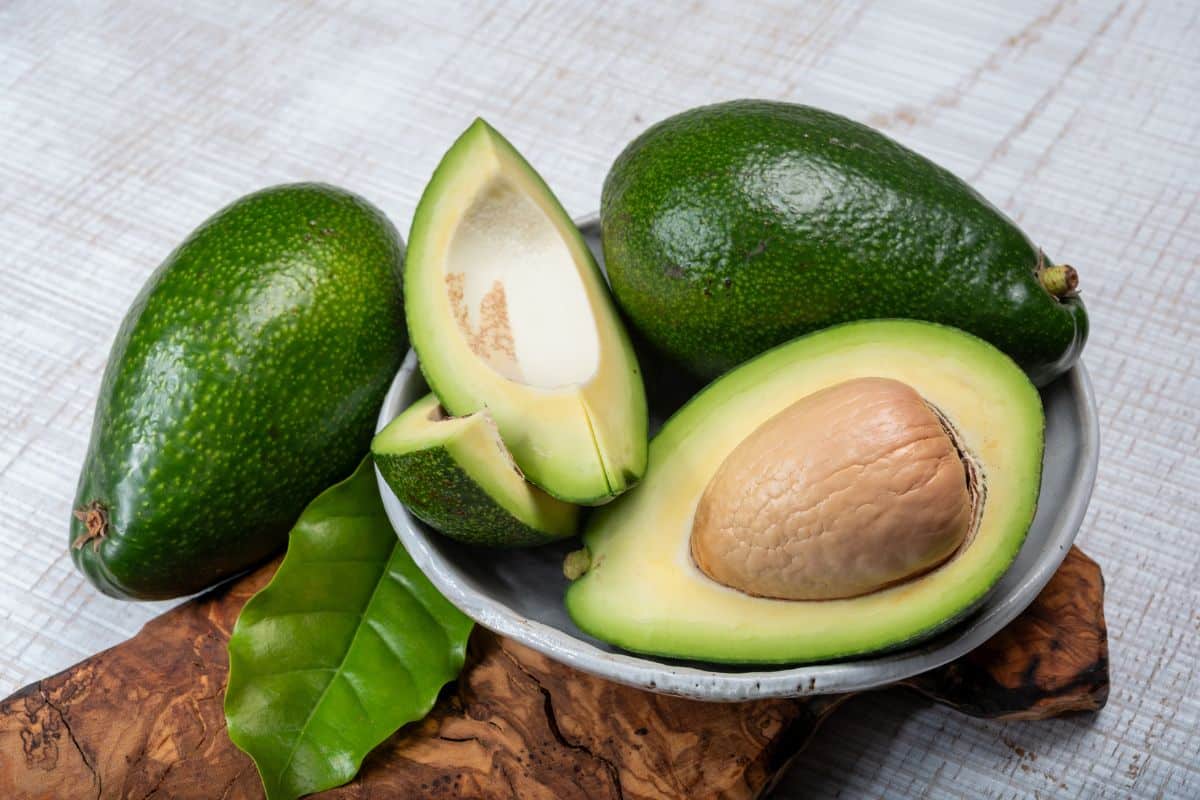
Brogden Avocado Description: This is a medium to large fruit with pebbly, dark green skin. Its flesh is creamy and has a rich, nutty flavor with a slight hint of sweetness, making it a popular choice for both eating on its own or in various dishes.
Brogden Origin: The Brogden avocado is native to Florida, and is mainly grown in the state. It is well-suited to the subtropical climate of Florida and is also cultivated in some other southern states. The peak season for Brogden avocados typically falls from June to September. It’s known for its resistance to cold temperatures, which is advantageous for growers in Florida where occasional frosts can occur.
Fuerte Avocado
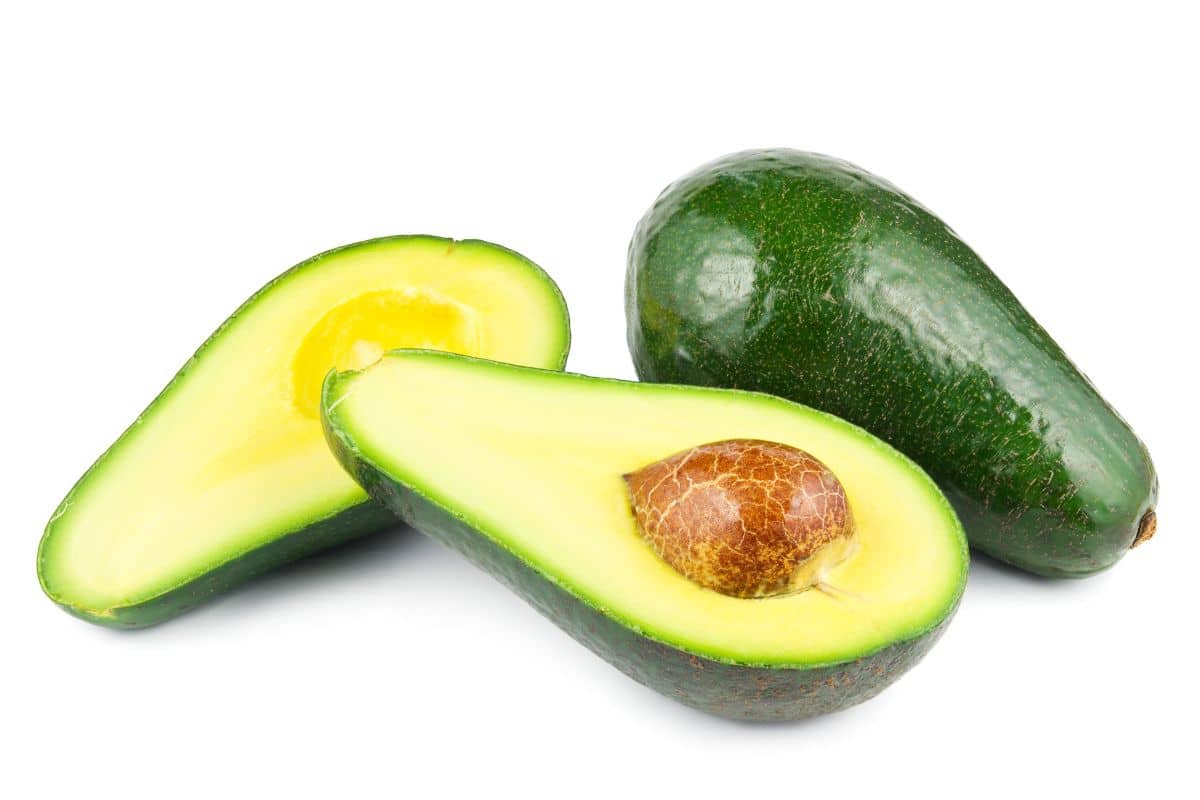
Fuerte Avocado Description: These avocados have a pear shape and medium-thick, leathery skin that changes from bright green to purplish when ripe. The flesh is creamy and pale green with a slightly nutty taste and a smooth, buttery texture.
Fuerte Origin: Fuerte avocados were originally developed in Mexico but are now cultivated in many parts of the world, with significant production in California, Chile, New Zealand, and other avocado-growing regions. The Fuerte avocado is usually in season from late autumn to early spring, typically from November to April in the United States.
They are a hybrid between the Mexican and Guatemalan avocado species developed to have an extended harvesting window and resistance to handling and shipping, making them popular for shipment to international markets.
Gwen Avocado
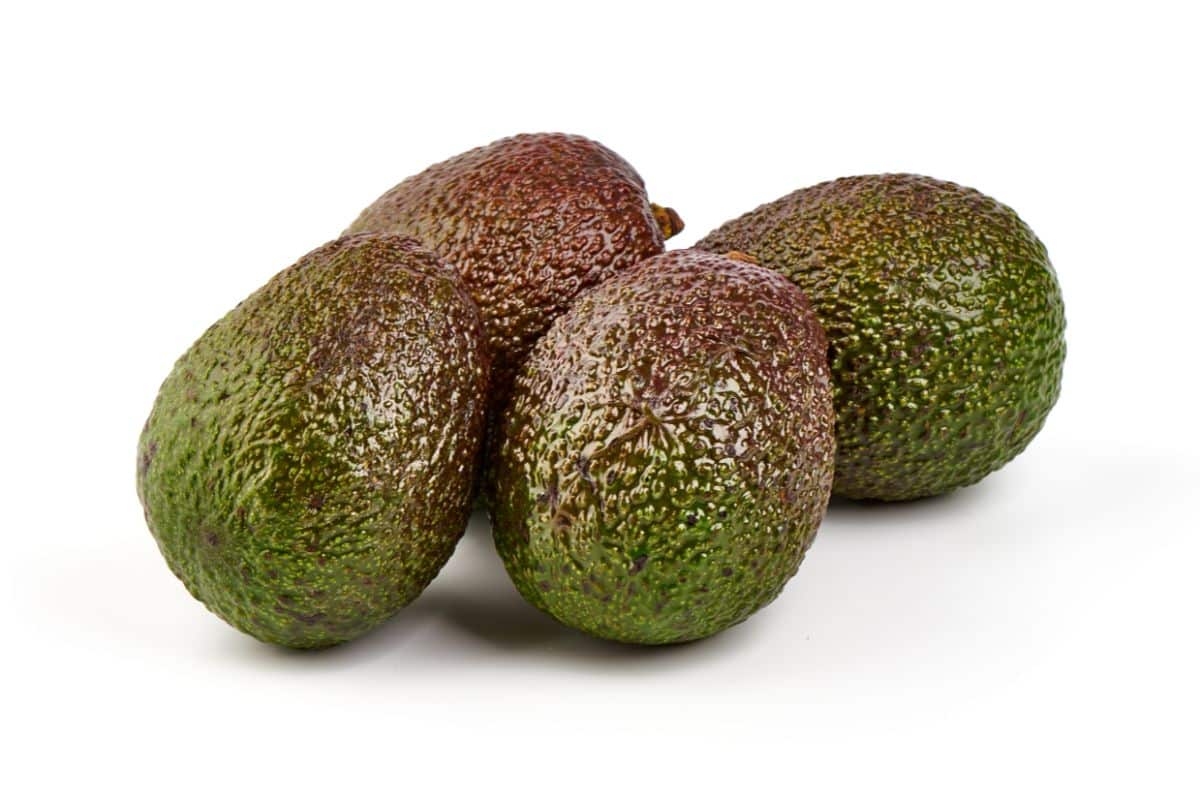
Gwen Avocado Description: The Gwen avocado is a medium-sized fruit with pebbly, green skin that becomes slightly rough when ripe. Its flesh is creamy and pale green with a mild, nutty flavor and a smooth, buttery texture.
Origin and Growing Areas: Gwen avocados are named after Gwen Zabicki, the woman who discovered the original tree in her Southern California orchard in the 1980s. They are well-suited to California’s climate and thrive statewide. The Gwen avocado is typically in season from spring to early summer, with its peak availability falling between April and July.
Hass Avocado
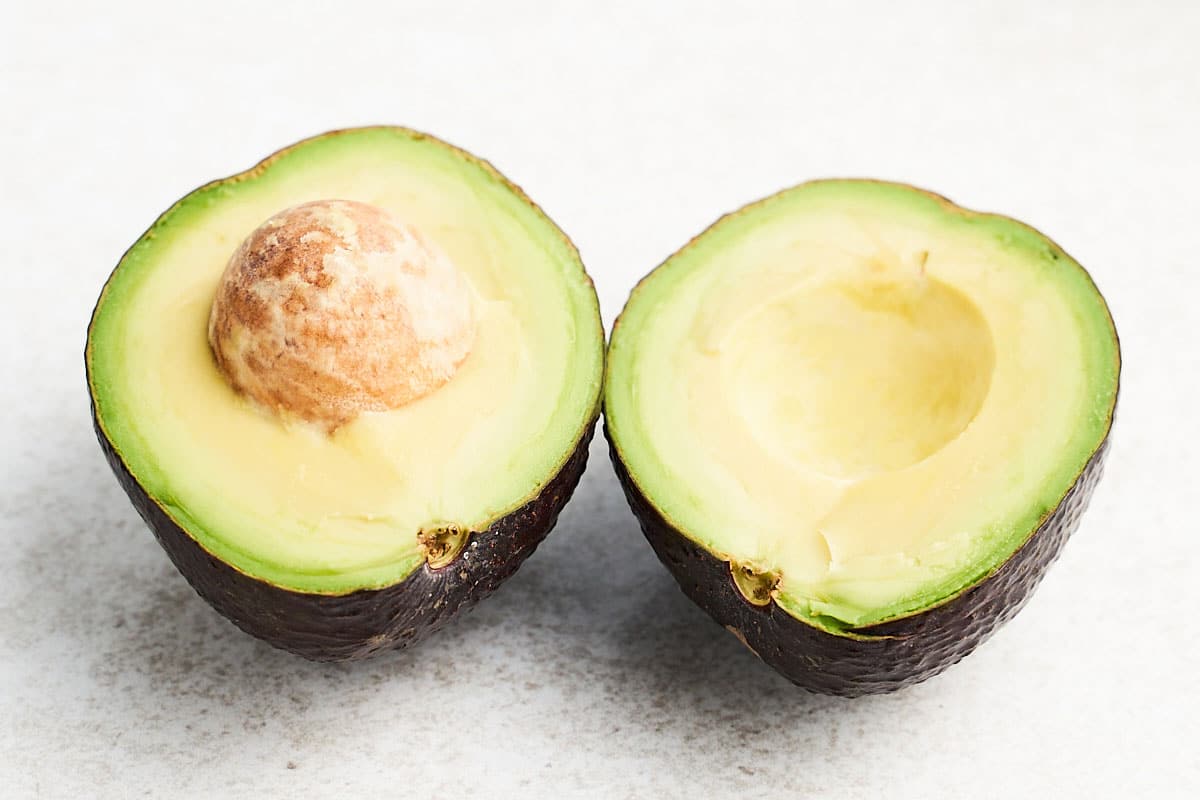
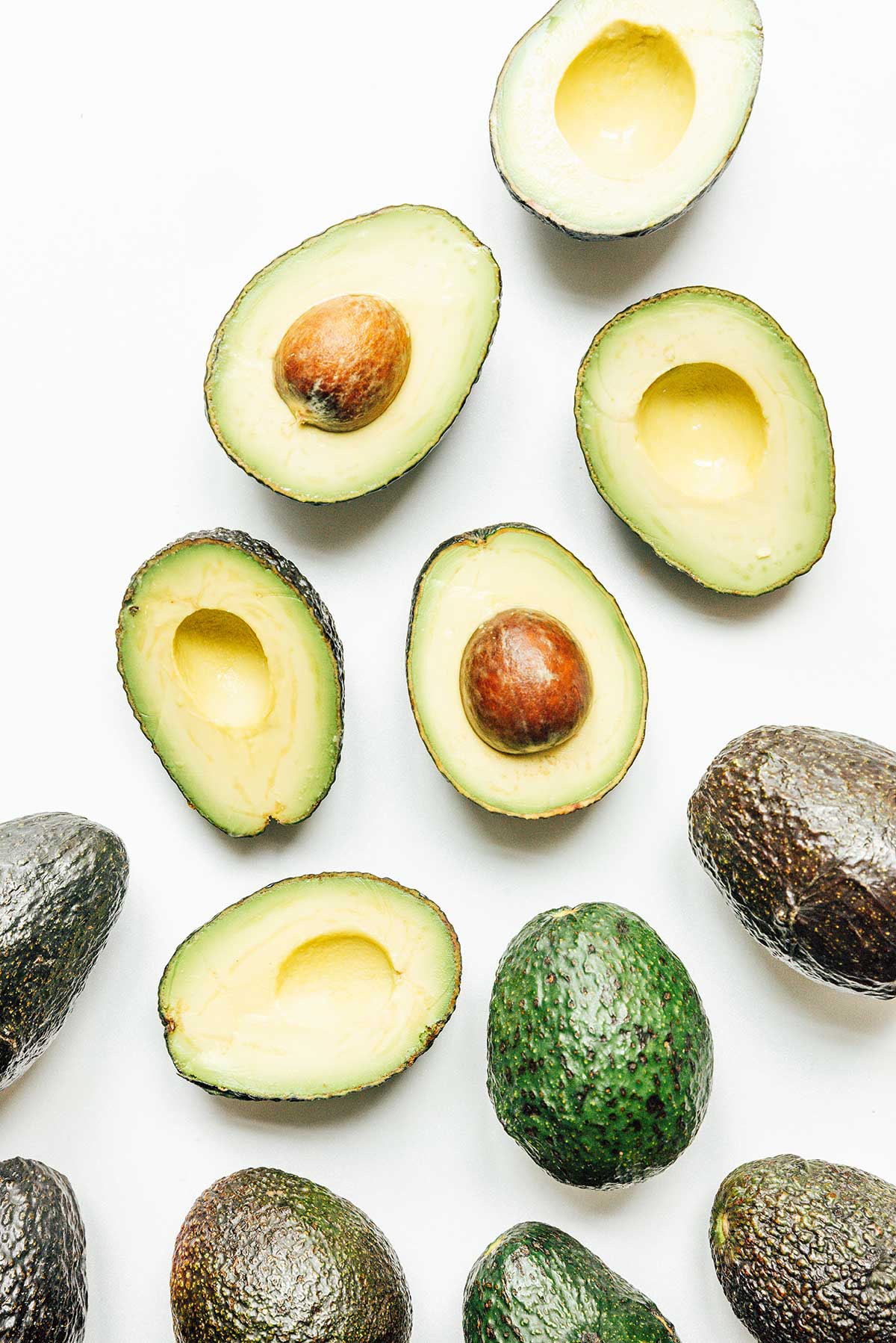
Hass Avocado Description: The Hass is arguably the most popular and recognizable avocado variety worldwide. It has a distinctive pebbly skin that changes from green to purplish-black as it ripens. The flesh is creamy, smooth, and rich in flavor, making it a favorite for guacamole, salads, and stuffed avocados. It is the most commonly found avocado in US grocery markets particularly in those areas where avocados are not grown. The Hass is clearly the standard against which other avocados are compared.
Hass Avocado Origin: The Hass originated in California in the early 20th century, with a tree planted by Rudolph Hass being the first of its kind. Today, it’s grown not only in California but also in most other avocado-growing nations. It makes up 90% of Mexico’s huge production and is also Columbia’s most-grown avocado.
It’s hands down the most widely cultivated avocado variety globally. Hass avocados are available year-round because they are grown in multiple regions, but they typically have a peak season in California from late winter to early summer.
Holiday Avocado
Holiday Avocado Description: The Holiday avocado is a pear-shaped fruit with a smooth, glossy green skin. It has a slightly nutty flavor and is known for its creamy texture which is particularly smooth and buttery when ripe. The flesh is generally pale-yellow.
Holiday Avocado Origin: This is a hybrid variety that combines the flavors of the Mexican and Guatemalan avocados. Holiday avocados are predominantly grown in Southern California and are typically in season during the late spring and early summer months. Holiday trees are on the small side making them popular with home gardeners as they take less space and are easier to pick.
Joey Avocado
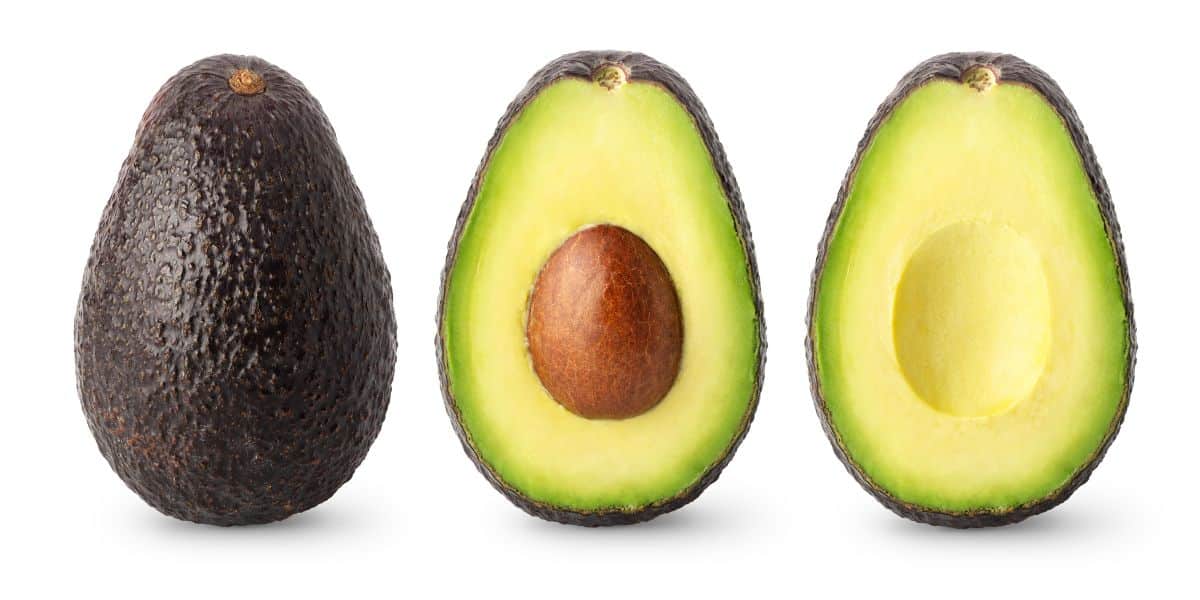
Joey Avocado Description: The Joey avocado is a smaller avocado variety with a pebbly, green skin and creamy flesh. It is often described as having a rich, nutty taste. Joey avocados are known for their petite size, making them a convenient choice for individual servings or small snacks. If you can find these in your area they are a good option for making avocado ice cream.
Joey Avocado Origin: Joey avocados originated in California and are primarily grown in the state. They are a hybrid between Mexican and Guatemalan avocado species and are typically in season during the late summer and early fall months.
Kahaluu Avocado
Kahaluu Avocado Description: These are often considered the best and most popular Hawaiian avocados. They are a small to medium-sized, pear-shaped fruit. The skin of the Kahaluu avocado is typically dark green and slightly pebbled, and the flesh inside is creamy and pale yellow with a rich, buttery texture. These avocados have a mild, nutty flavor.
Kahaluu Origin: This avocado is native to North Kona on Hawai’i island. They thrive in the tropical climate of Hawaii but are grown to a limited extent outside of the Islands. The peak season for Kahaluu avocados typically falls during the summer and early fall months, with ripe fruit ready for harvest between June and September.
Lamb Hass Avocado
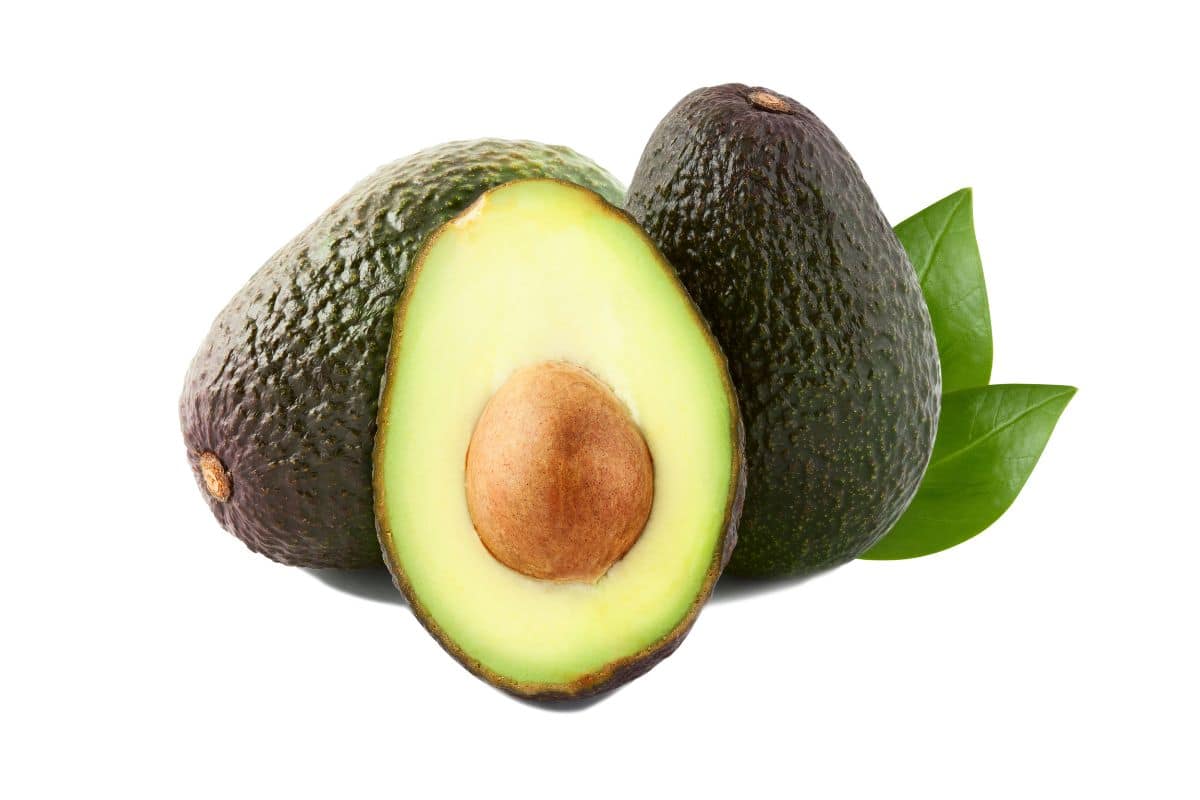
Lamb Hass Description: This avocado is similar in appearance to the Hass, with a pebbly, dark-green to black skin. The flesh is creamy and has a rich, buttery flavor. They are very similar to their parent avocado, the Hass.
Lamb Hass Avocado Origin: The Lamb Hass avocado was discovered as a natural mutation of the Hass and Gwen varieties in California. This type of natural hybridization is common because as we pointed out Type A and Type B avocado trees are often planted together. They are predominantly grown in California, where the climate is ideal for avocado cultivation. Lamb Hass avocados are typically in season from late winter through early summer.
Lula Avocado
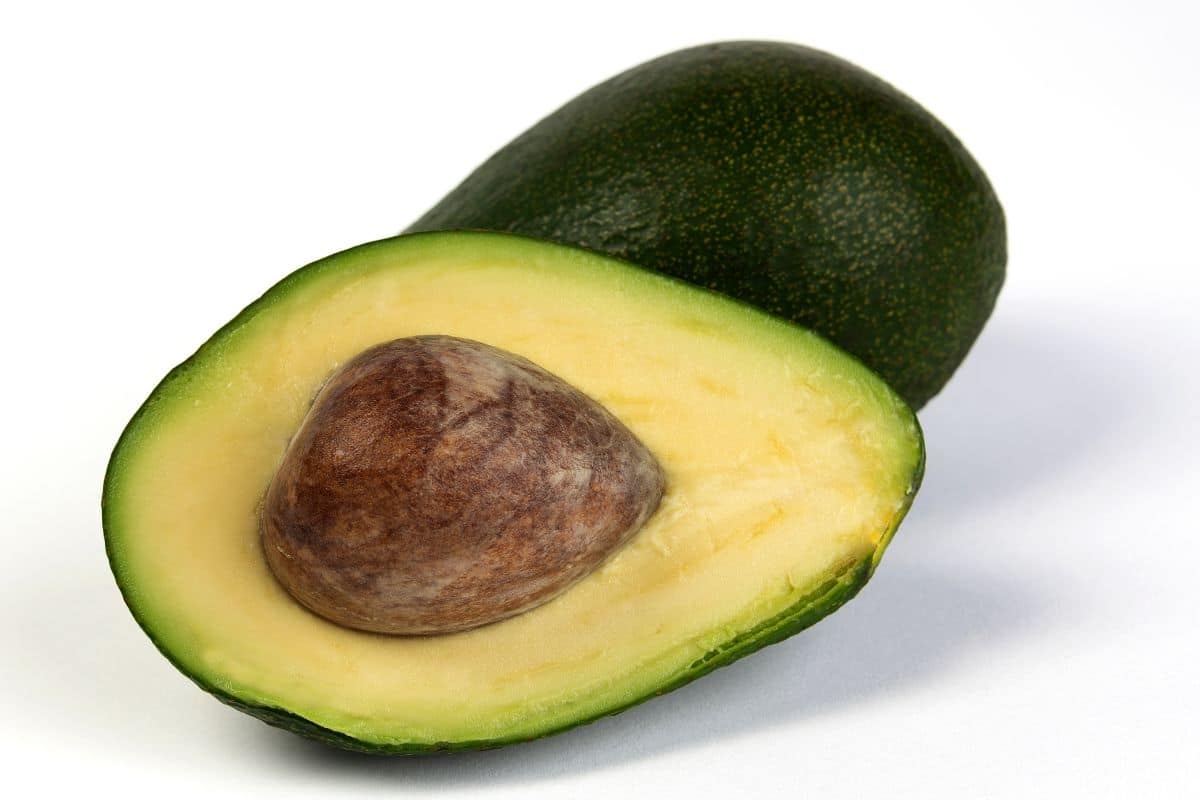
Lula Avocado Description: Lula avocados are pear-shaped with a smooth, thin, green skin. The flesh is pale yellow and has a mild, slightly sweet flavor. Lula avocados have a relatively low oil content and sweet flavor, making them a unique choice among avocado varieties. They are not as common as other varieties but have a dedicated following in Florida and nearby regions.
Lula Origin: Lula avocados are native to Florida, and are well-suited to the warm and humid conditions of southern Florida. They are typically in season from late spring to early summer.
Malama Avocado
Malama Avocado Description: The Malama avocado is oval-shaped with a pebbly, dark green to black skin. The flesh is creamy and has a mild, nutty flavor.
Malama Origin: Malama avocados were developed by the University of Hawaii in 1981, but are now grown in California, Mexico, and Central America. They are a hybrid variety based on the Guatemalan and Mexican avocados. They are typically in season from late winter through early summer.
Monroe Avocado
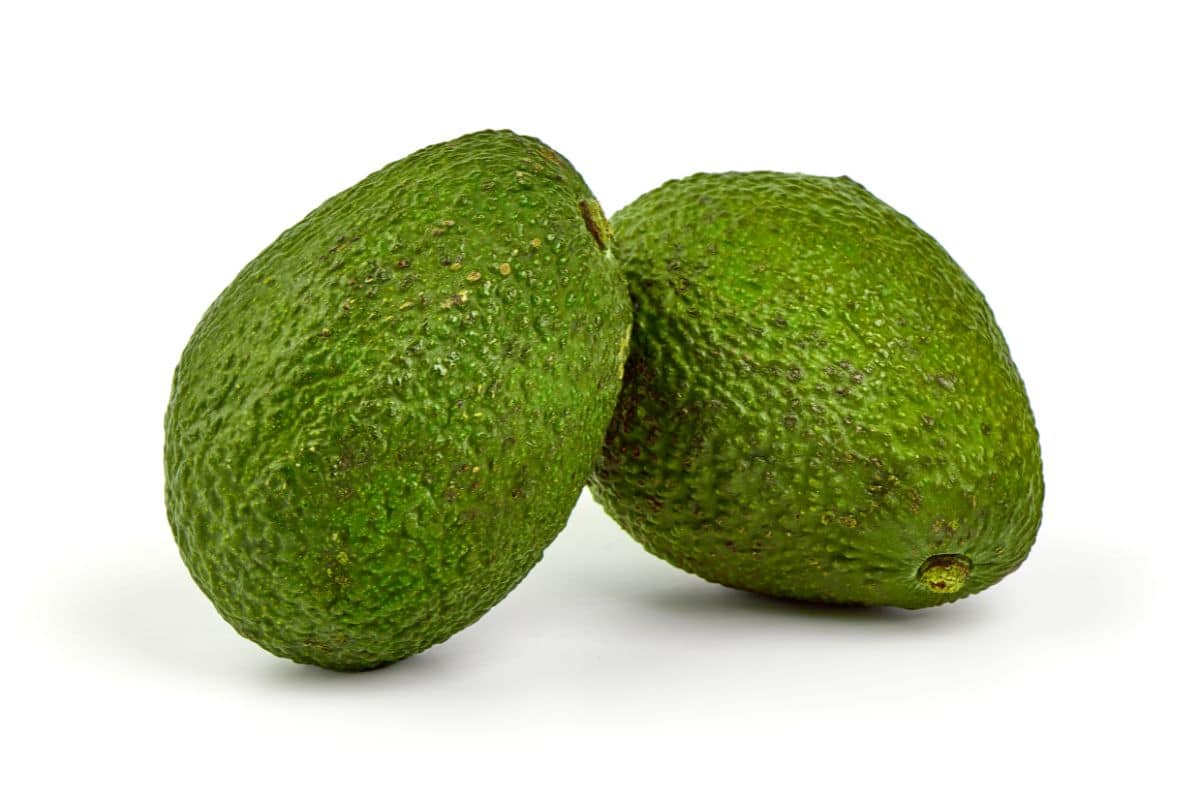
Monroe Avocado Description: This is a Floridian avocado variety recognized for its large size and smooth, green skin. The flesh inside is creamy and pale yellow, boasting a slightly nutty and buttery flavor. These avocados are known for their exceptional quality and are excellent for slicing, dicing, and mashing. They are a great option for any avocado sandwich or perhaps avocado tacos. This is a popular variety with both commercial producers and home gardeners due to their large fruit and consistent quality.
Monroe Origin: Monroe avocados were developed as a hybrid in Southern Florida in 1932 and made available commercially as early as 1935. Today they are also grown in California and a few other states as they are known as being fairly cold-resistant. The peak season for Monroe avocados is typically from late summer to early winter, with the fruit being ready for harvest from July to November.
Mexicola Avocado
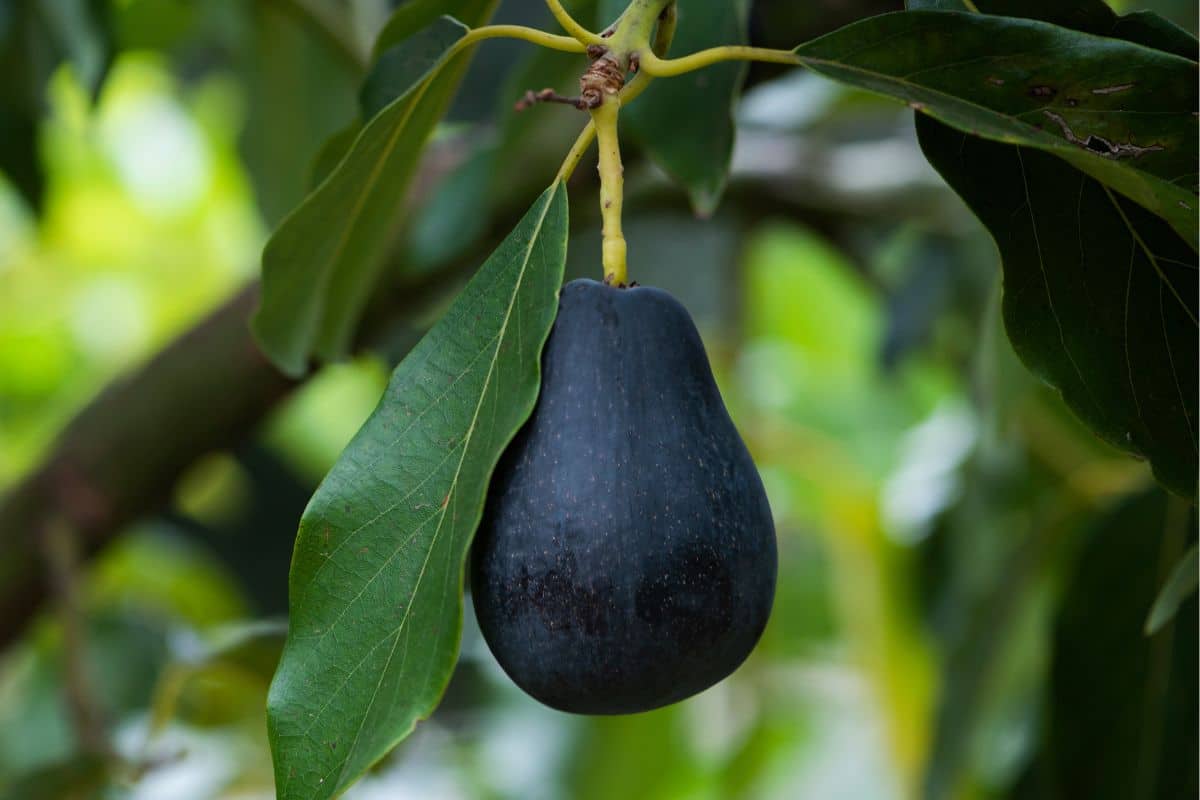
Mexicola Avocado Description: This is a small, dark-skinned avocado variety with smooth, glossy, and thin skin. The flesh inside is creamy and has a delicate, nutty flavor with a slightly sweet undertone. These avocados are known for their small size, making them perfect for single servings and garnishes.
Mexicola Origin: Mexicola avocados are believed to have originated in Mexico and are grown in various regions of the United States, including California. They thrive in warm, subtropical climates. The peak season for Mexicola avocados is typically from late spring to early summer, with harvests occurring between May and July.
Pinkerton Avocado
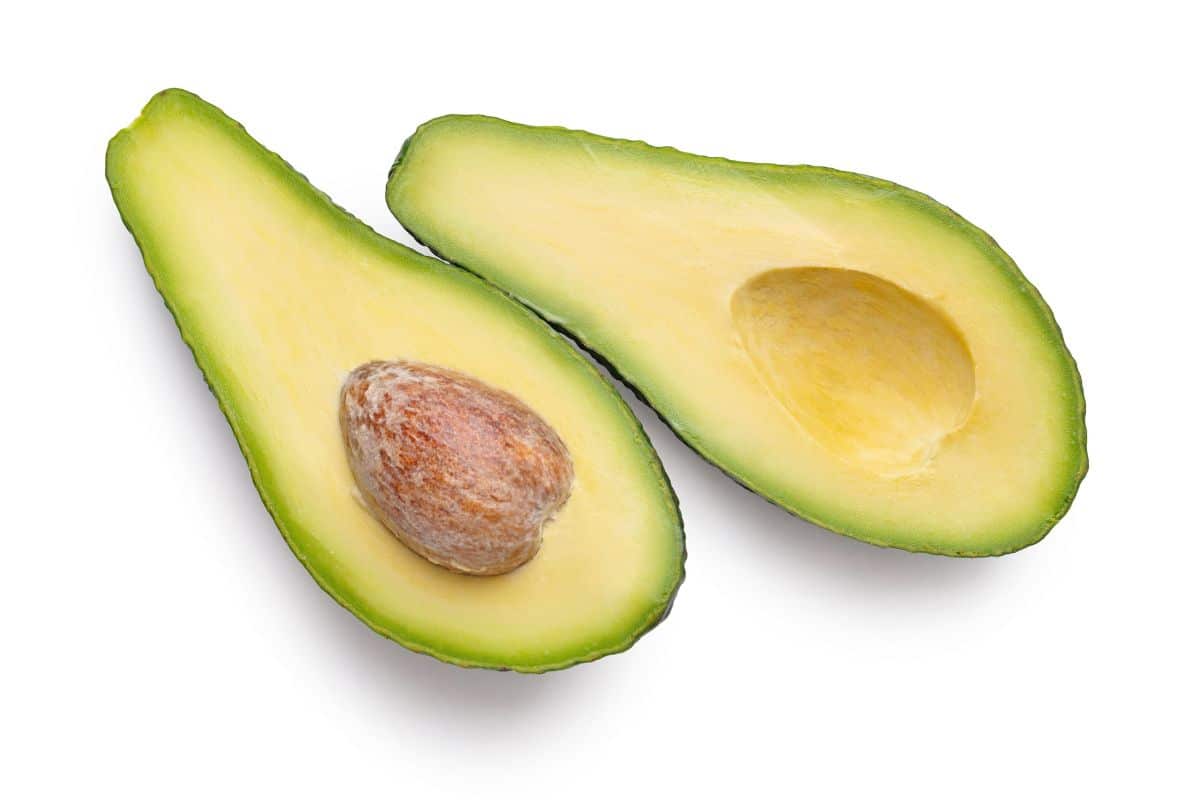
Pinkerton Avocado Description: It is characterized by its pear-shaped, medium-sized, and pebbly, green skin that remains green when ripe. The creamy, pale green flesh has a slightly nutty flavor and a smooth texture, making it a popular choice for salads, avocado bruschetta, and guacamole where its classically green color stands out.
Pinkerton Avocado Origin: The Pinkerton is a hybrid between the Hass and Rincon avocado varieties discovered or developed by a Mr. J Pinkerton in the 1960s. Today, it is primarily grown in California, particularly in counties with a Mediterranean climate, such as San Diego and Ventura County. The Pinkerton avocado typically peaks in availability from late winter through spring, roughly from February to May. During this time, you can find the freshest and most flavorful Pinkerton avocados in local markets.
Pryor/Del Rio Avocado
Pryor Avocado Description: The Pryor, also known as the Del Rio avocado, is a variety that has the typical pear-shaped with a bumpy, dark-green skin. It is medium-sized and features creamy, pale-green flesh with a rich, nutty flavor. The flesh has a somewhat higher oil content compared to some other avocado varieties making it ideal for use in avocado oil.
Pryor Avocado Origin: The Pryor/Del Rio avocado is native to Texas. It thrives in the warm, subtropical climate of the Rio Grande Valley, and is a popular choice for local growers. This avocado has a relatively short season, typically from late spring to early summer, with peak availability from May to June. It is not as widely available as some other avocado varieties.
Puebla Avocado
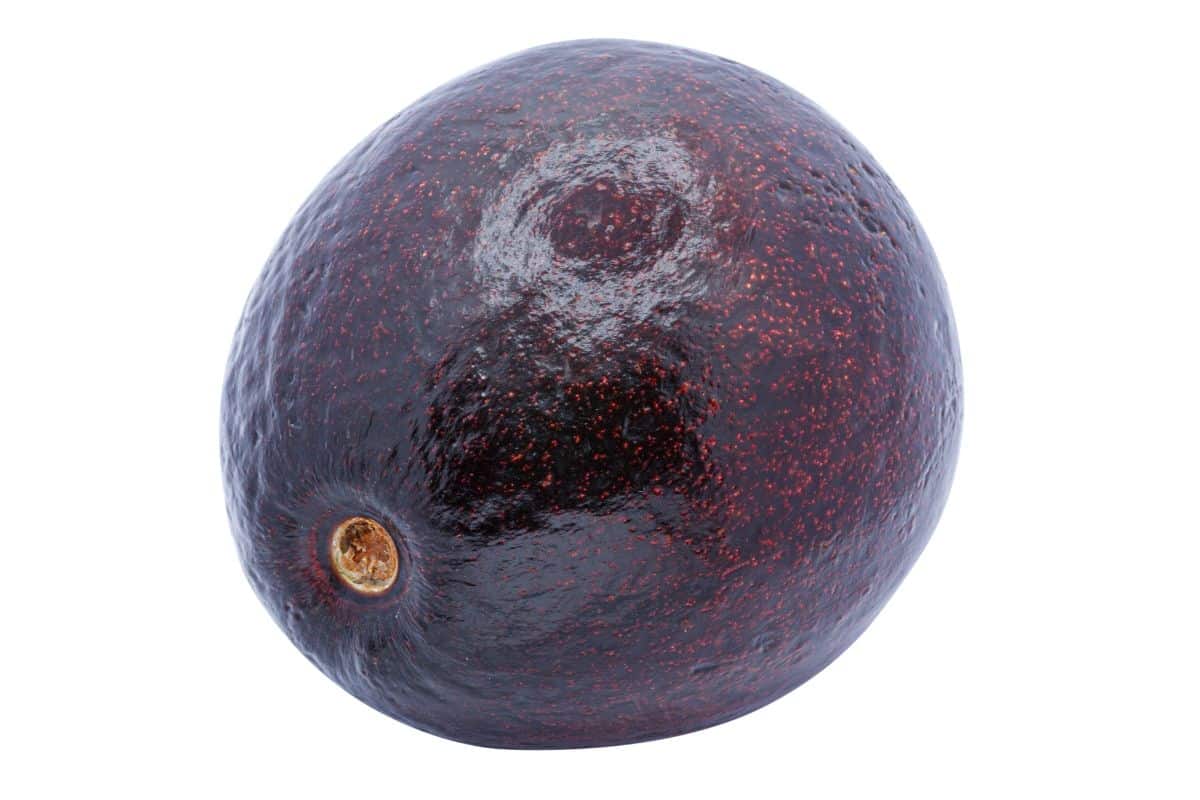
Puebla Avocado Description: The Puebla avocado is a relatively small, pear-shaped avocado with dark, pebbly skin. The flesh is creamy and pale green, with a rich and slightly nutty flavor. It is often compared to the Hass avocado in terms of taste and texture.
Puebla Avocado Origin: This avocado hails from the Mexican state of Puebla, and is primarily grown in Mexico. It thrives in the subtropical climate of Puebla and some other parts of Mexico. They are typically in season from late winter through spring, with peak availability from February to April. They are a staple in Mexican cuisine due to their local availability. Much of Mexico’s huge Hass crop is grown for export.
Reed Avocado
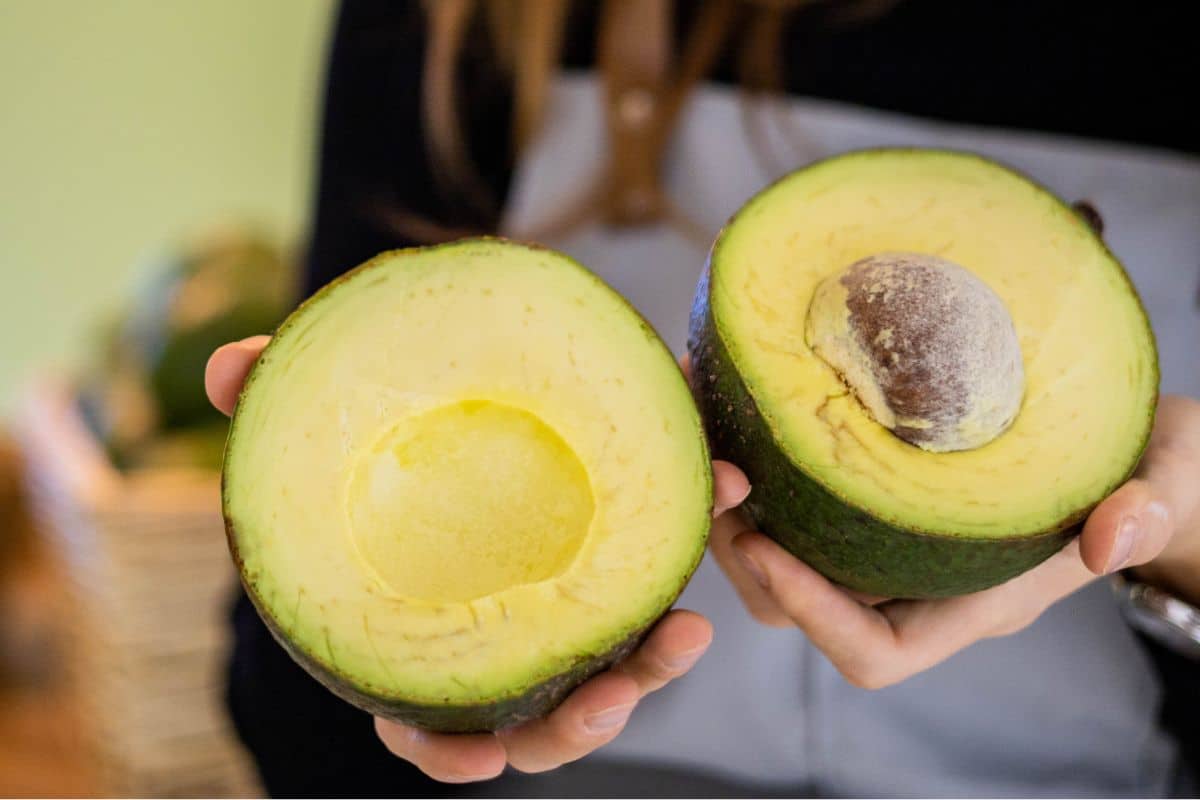
Reed Avocado Description: The Reed avocado is known for its large size and smooth, pebbly skin. It is one of the largest avocado varieties weighing up to a pound (454g). It has a creamy, buttery texture and a rich, nutty flavor. The flesh is yellow to pale green and tends to be less watery than some other avocado varieties, making it a popular choice for slicing and adding to sandwiches or salads. Their large size makes them a great option for stuffed avocados.
Reed Avocado Origin: This avocado originated in California, and was developed by James S. Reed in the early 1940s. Reed avocados are primarily grown in California, especially in San Diego and Ventura counties. They thrive in areas with a Mediterranean-like climate, so they spread to parts of Mexico as well. Peak season typically falls from late winter to early summer, with the best fruit available from March to June.
Rincon Avocado
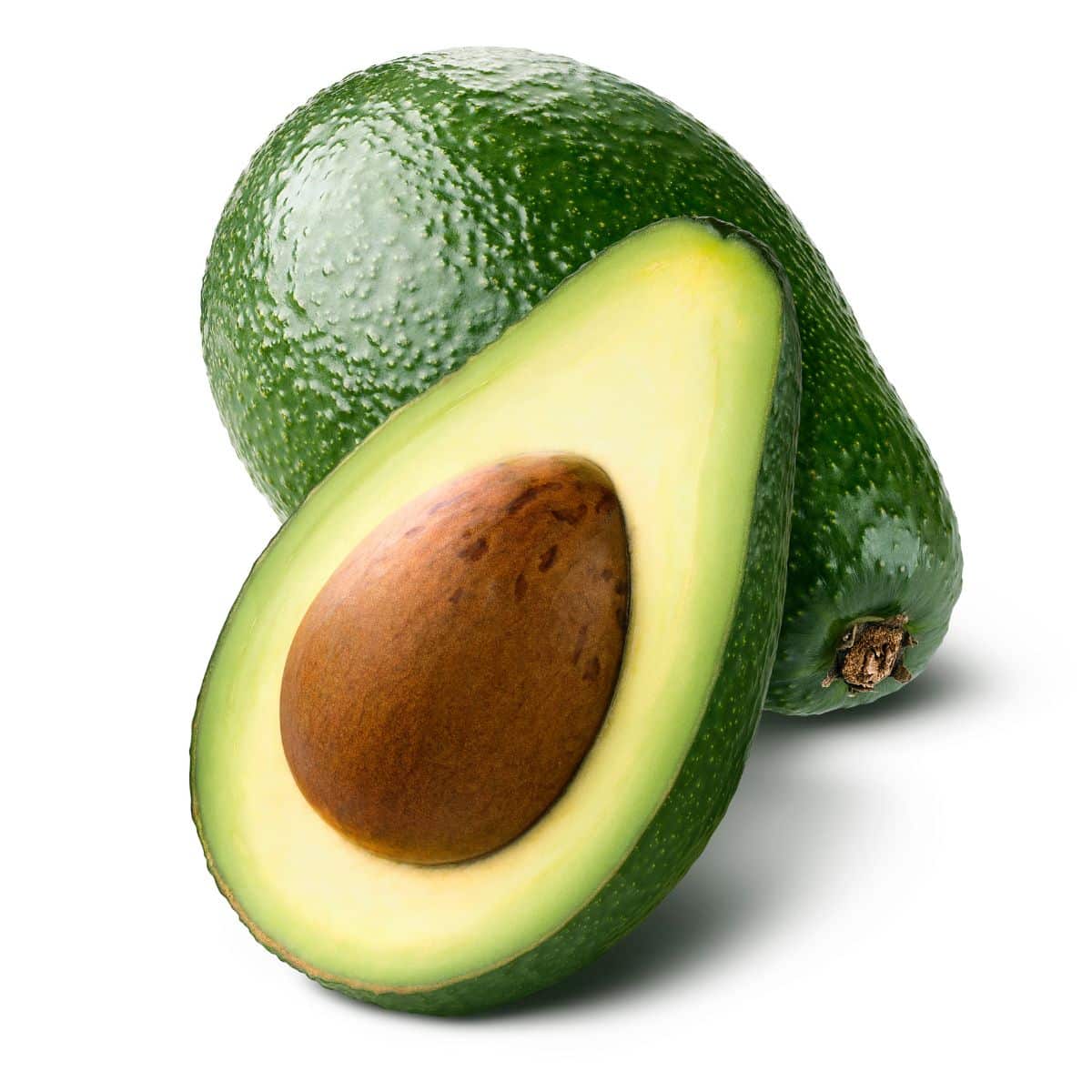
Rincon Avocado Description: This is a small to medium-sized avocado with smooth, thin skin and a classic pear-like shape. It has a creamy, pale-green flesh with a mild, nutty flavor and a slightly firmer texture compared to other avocado varieties. While it may not be as well-known as Hass avocados, it is a great choice for those who prefer avocados with a milder taste and firmer texture.
Rincon Avocado Origin: The Rincon avocado originated in California, and is primarily grown around Santa Barbara County. Rincon avocados are also cultivated in parts of Mexico and some other avocado-producing nations. The Rincon avocado’s peak season typically runs from late winter to early summer, with the best fruit available from February to June. This variety is often available in US groceries along with Hass during peak season.
Sap Avocado
Sap Avocado Origin and Description: The Sap is grown in Vietnam, and is becoming the most popular avocado in the region. Across Asia, avocados are often referred to as “butter fruit”. You won’t likely find these in the United States, but it may be possible to get them at a large international market.
Sir Prize Avocado
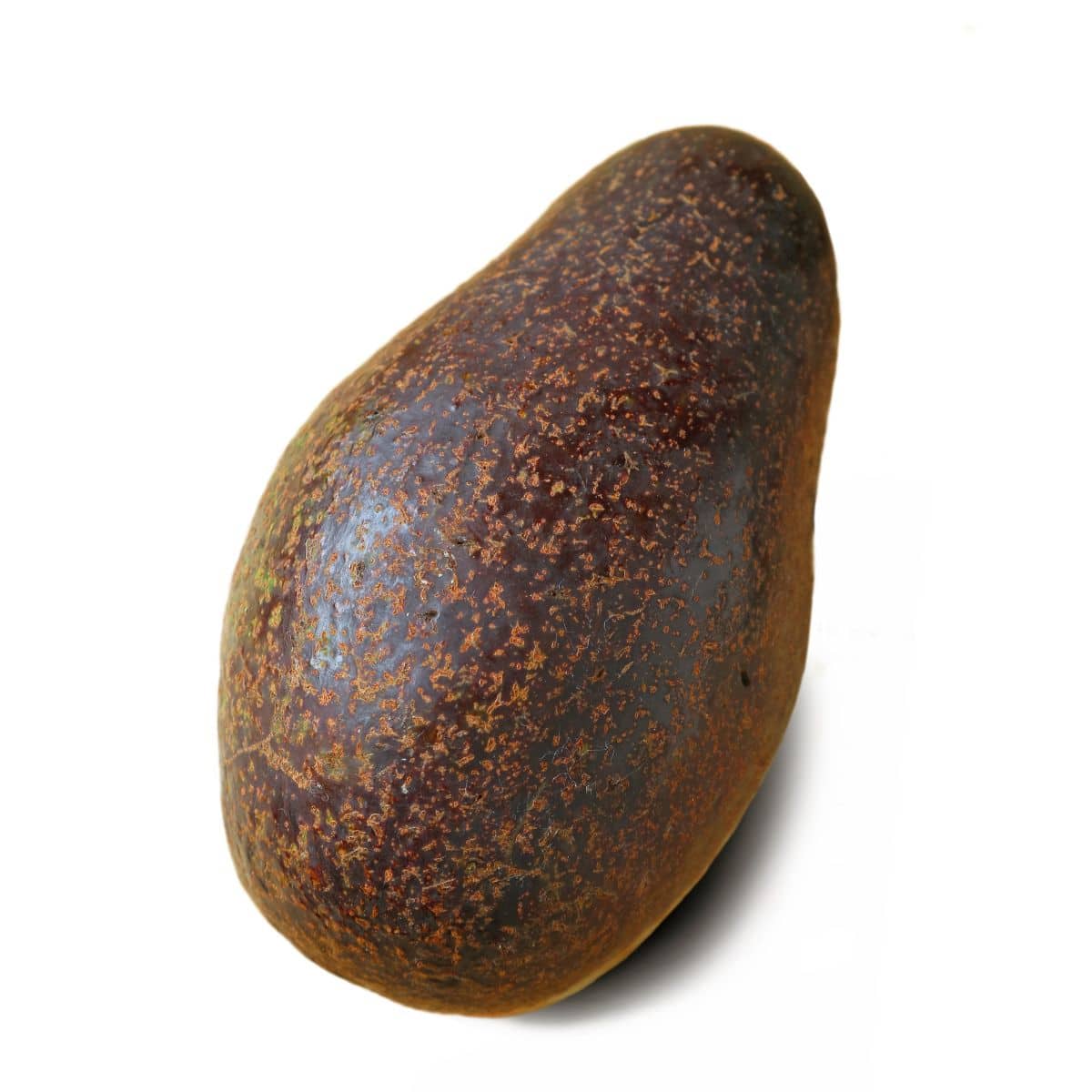
Sir Prize Avocado Description: The Sir Prize avocado is a pear-shaped variety with smooth, thin, green skin that turns black when ripe and is generally easier to peel than some other avocados. It has a pale, creamy flesh with a nutty flavor and a slightly fibrous texture.
Sir Prize Origin: The Sir Prize avocado was developed in southern California, and California remains a significant producer of Sir Prize avocados. They are, however, also grown in some other avocado-growing regions with a peak season of late spring and early summer months, with the best fruit available from May to July.
Stewart Avocado
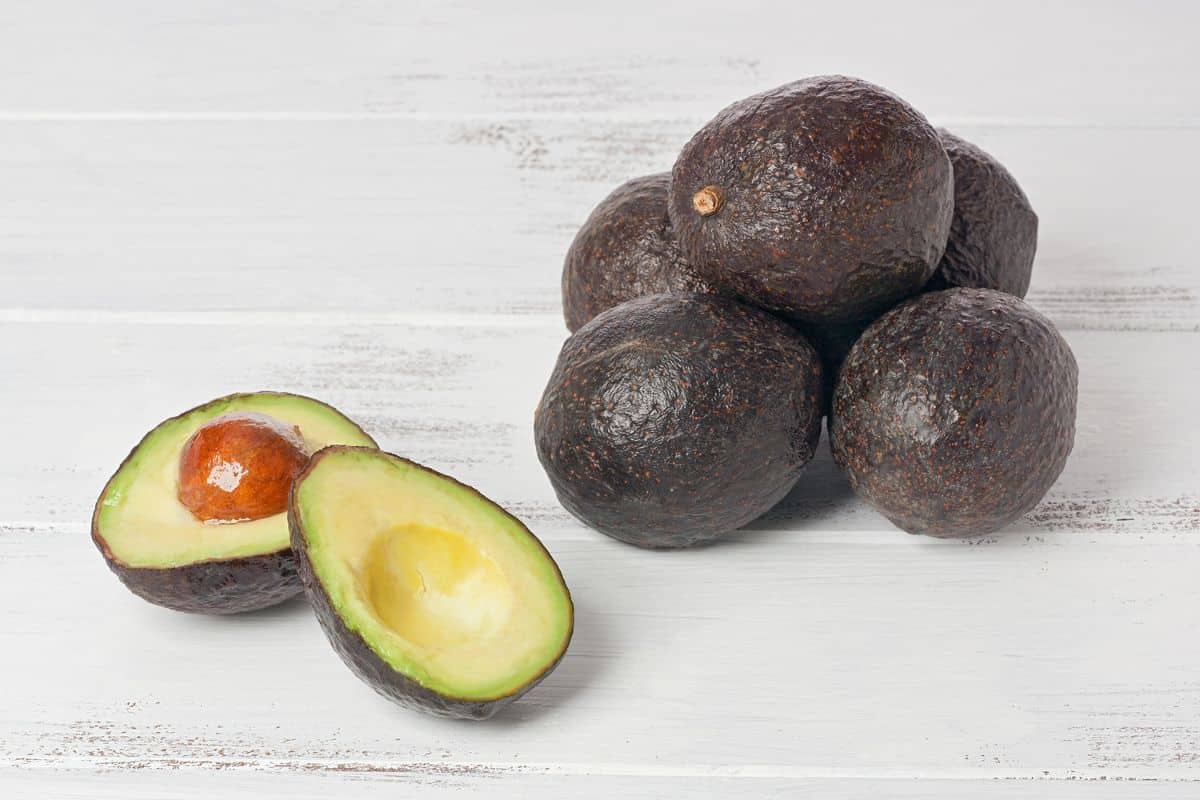
Stewart Avocado Description: Also known as the Stewart Prolific, this is a small to medium-sized avocado variety with smooth, thin, dark-green skin. It has a creamy texture and a rich, nutty flavor. The fruit is pear-shaped and can range from 6 to 12 ounces in weight. Stewarts have a high oil content making them a great option for avocado crema.
Steward Avocado Origin: The Stewart avocado originated in California. It is well-suited for cultivation in Southern California due to its tolerance of hot climates, making them a favorite for home gardeners in hotter regions. It is also grown in some parts of Mexico. They have a peak season from late fall through early winter, making them available from November to January.
Wurtz Avocado
Wurtz Avocado Description: Also known as the Little Cado, it grows from a small avocado tree perfect for those with limited space. It has dark, pebbly skin and a rich, creamy texture with a mild, nutty flavor.
Wurtz Avocado Origin: The Wurtz is a hybrid between the Mexican and Guatemalan avocados that was developed in California, and is commonly grown there. It is a favorite for backyard growers and home gardens due to its compact size. It can even be grown in containers. While the fruit is smaller, it is prized for its rich, creamy texture and ease of cultivation in limited spaces.
Zutano Avocado
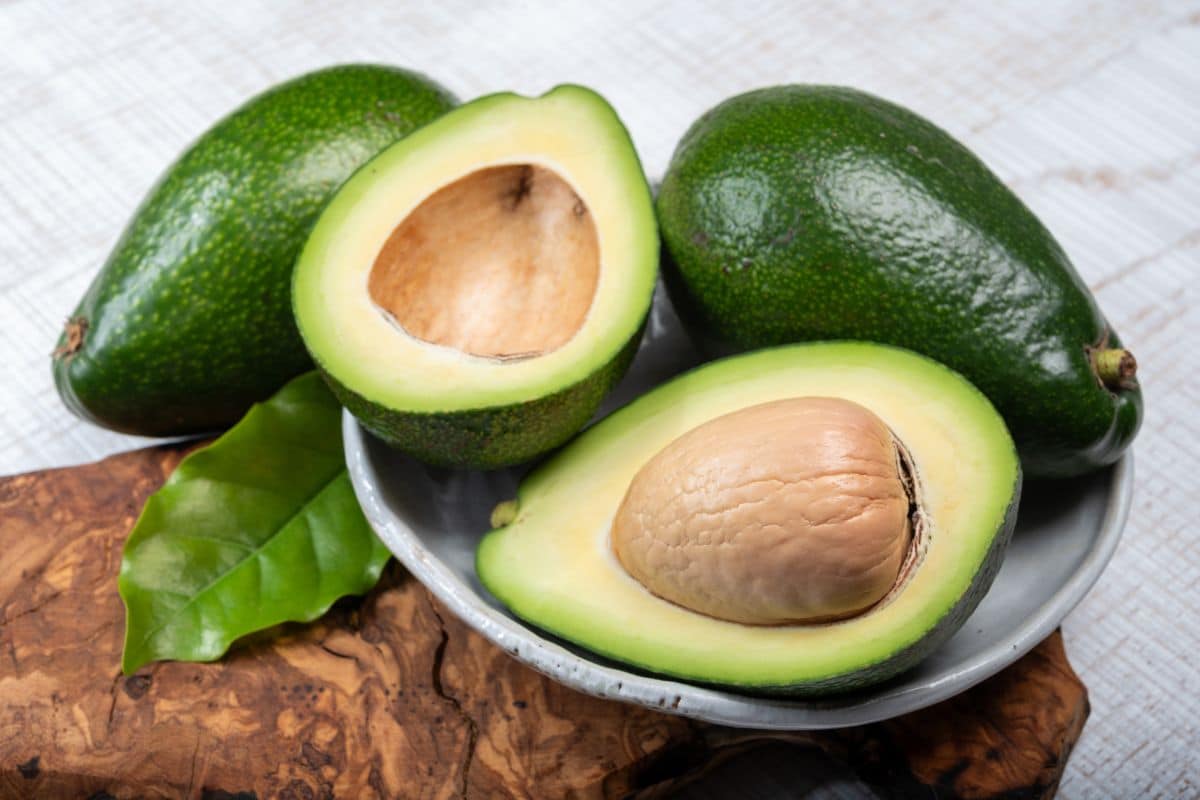
Zutano Avocado Description: These avocados are classically pear-shaped with bright green, thin skin. They have a mild, slightly tangy flavor and are generally more fibrous than other avocados.
Zutano Avocado Origin: This variety originated in and is primarily grown in Southern California. Zutano avocados are typically available from late spring to early summer, with their peak season from May to July. Zutano avocados are often used as a pollinators for other avocado varieties due to their early flowering. They are one of the first avocados to ripen each year, marking the start of the avocado season in California. While they are not as well-known as some other varieties, they play a crucial role in the avocado industry by assisting in cross-pollination.
Avocado Nutrition Information
Putting on my nutritionist hat, avocados are about 73% water and are not a low-calorie food. They do, however, contain a lot of nutrition. They are a good source of fiber and healthy fats. A 100-gram serving (about 3.5 ounces) provides the following:
- 160 calories
- 2 grams protein
- 15 grams fat
- 9 grams carbs
- 7 grams fiber
- 11% RDA Vitamin C
- 14% RDA Vitamin E
- 20% RDA Folate
- 14% RDA Potassium
- 3% RDA Iron
- 1% RDA Calcium
Water Issues Surrounding Avocado Cultivation
Growing avocados is a water-intensive operation. Just how much depends a LOT on where they are grown (climate, soil conditions, etc). It typically requires about 250 gallons of water to grow a pound of avocados.
Fortunately, much of this comes from rain, but estimates are that about 40 gallons of applied water is required per pound. We can’t warrant these numbers, as data on the topic varies widely and is no doubt manipulated by groups with competing agendas.
As most of the US-grown avocados come from California, water use is an issue for a state that is habitually short of water. We aren’t taking a stance either way here, but bring this up as an issue worth noting.
This concludes our look at different types of avocado. We hope you found something here you can use, and as always happy cooking!
Trivia answer
The name avocado was derived from the Aztec word ahuacatl, which referred to a certain part of the male anatomy that the shape of avocados happens to resemble. We warned you it wasn’t G-Rated.


Had a huge tree on Maui and always wondered what it was. It was about 36″ diameter at base and guess 50-70′ tall with gigantic fruits with a yellowish flesh. The fruit was even bigger than the Reed pictured. Tree would have hundreds and hundreds of fruit, probably tons worth. Most unreachable from the ground, but just the lower branches were more than we could eat and give away.
Our 2 retriever mix dogs loved them. They would hear one fall at the bottom of our 3+ acre lot and race each other down to claim the prize. They would bring it up in front of the garage and lie down and work at it for an hour or so. Start nibbling to get the thick skin started and pull off little bits of skin less than quarter sized and spit out. When they would get about a quarter of flesh exposed would start licking and nibbling it till all they got all the flesh out. All that would be left was the torn bits of skin and the seed/pit. Amazingly it was learned behavior taught to them by the neighbors golden retrievers!
Not a question; we were stationed in Panama before POTUS Carter broke the lease and dissolved the Panama Canal Company, a branch of the Federal Gov’t. We had two mature avocado trees in our back yard. One grew good sized pear shaped fruit with the knobby skin, while the other was twice the size with smooth skin or peel. Both tasted the same; the smaller with the rough skin was called alligator pears while the other was called simply avocado. We used them in salads or just ate them with apple cider vinegar, salt and pepper.