

This post contains affiliate links.
From the hard-to-find Alphonso mango to the more common Tommy Atkins mango, we’re going into detail on 19 types of mangoes so you can become an expert in this favorite tropical fruit!
Mangoes are a favorite fruit worldwide. In the US, we are lucky to have so many varieties imported to choose from, but we also have some grown in our soil.
We are going to cover a wide variety of mangoes from all over, but to start things off, I wanted to note the mangoes you can get in the US. Florida, California, Hawaii, and Puerto Rico all grow mangoes.
These varieties include Haden, Carrie, Glenn, Valencia Pride, and Tommy Atkins, which were derived from a seedling program in Florida. Florida actually grows a few more varieties thanks to this seedling program initiated by the United States Department of Agriculture. Now that you know what’s available locally, let’s dive into what mangoes are available around the world.
Type of Mangoes
Many of the varieties we list here are for India and not easily found in the USA. If you read about one you are intrigued by, try a large international market where a wide variety of different mangoes can often be found.
Alphonso
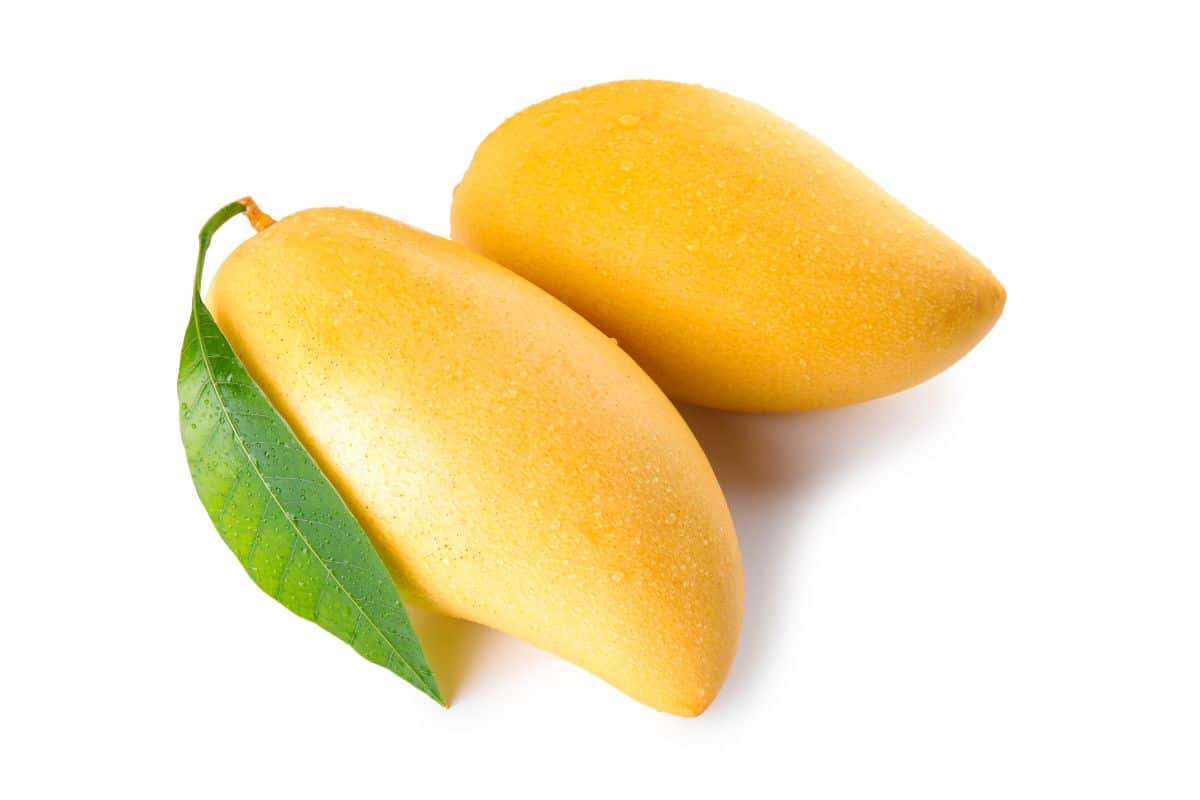
Alphonso mangoes are called by some the “King of Mangoes.” They are grown in India and have a sweet aroma that you can’t miss. They have a creamy texture, purple to yellow skin, oblong shape, and nice saffron-colored pulp. Their sweetness is really unparalleled which is no doubt how they got the nickname the king. They have a nice balance of sweet and tangy. This makes them great in all sorts of desserts, juices, and even savory recipes. Their creaminess comes from having much less fiber in their pulp than other mangoes. While more fiber would make it a healthier mango, it would also affect its wonderful texture.
Badami
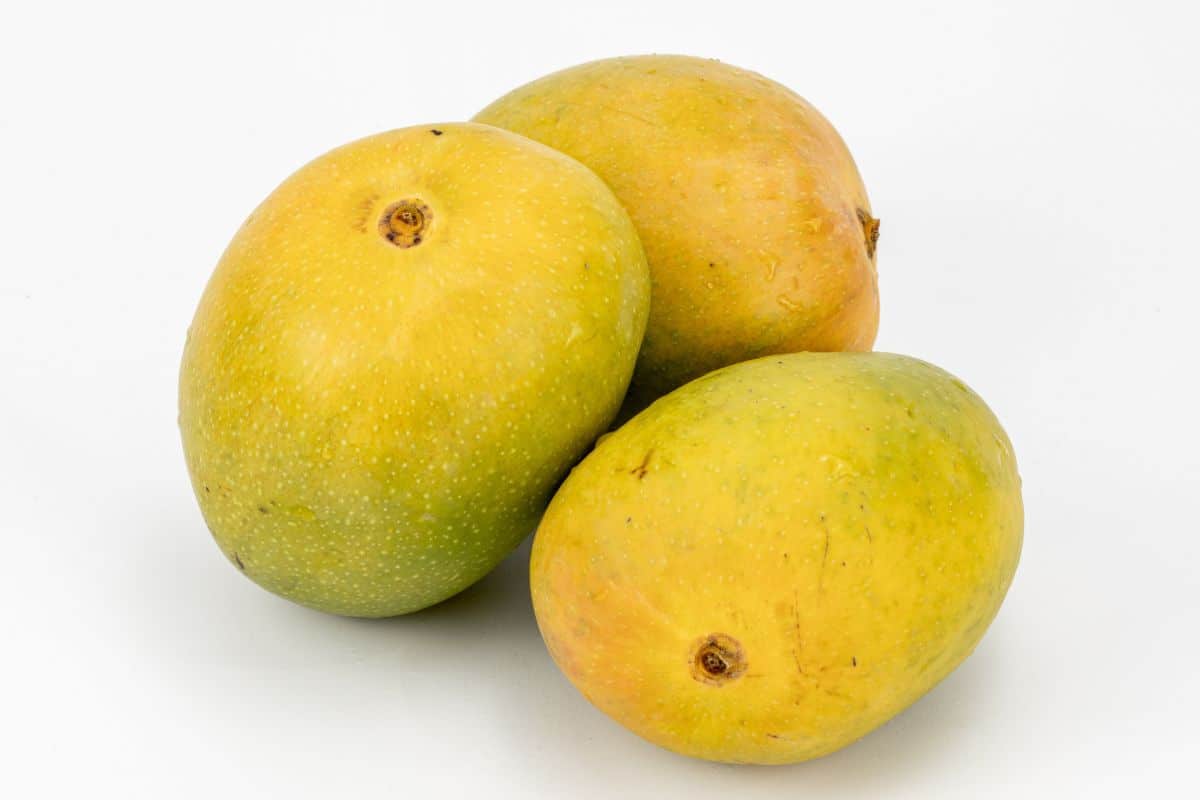
Badami mangoes are also known as Karnataka Alphonso because they come from Karnataka, India. The truth here is that they put Alphonso’s name on their mango because of how good Alphonso’s mangoes are. In India, Badami mangoes are often considered an affordable alternative to the Alphonso mango.
They are an average-sized mango with a mildly sweet flavor and a hint of tartness. The flesh is non-fibrous and smooth, making it enjoyable to eat. These mangoes are often used in desserts and juices.
Banganapalli
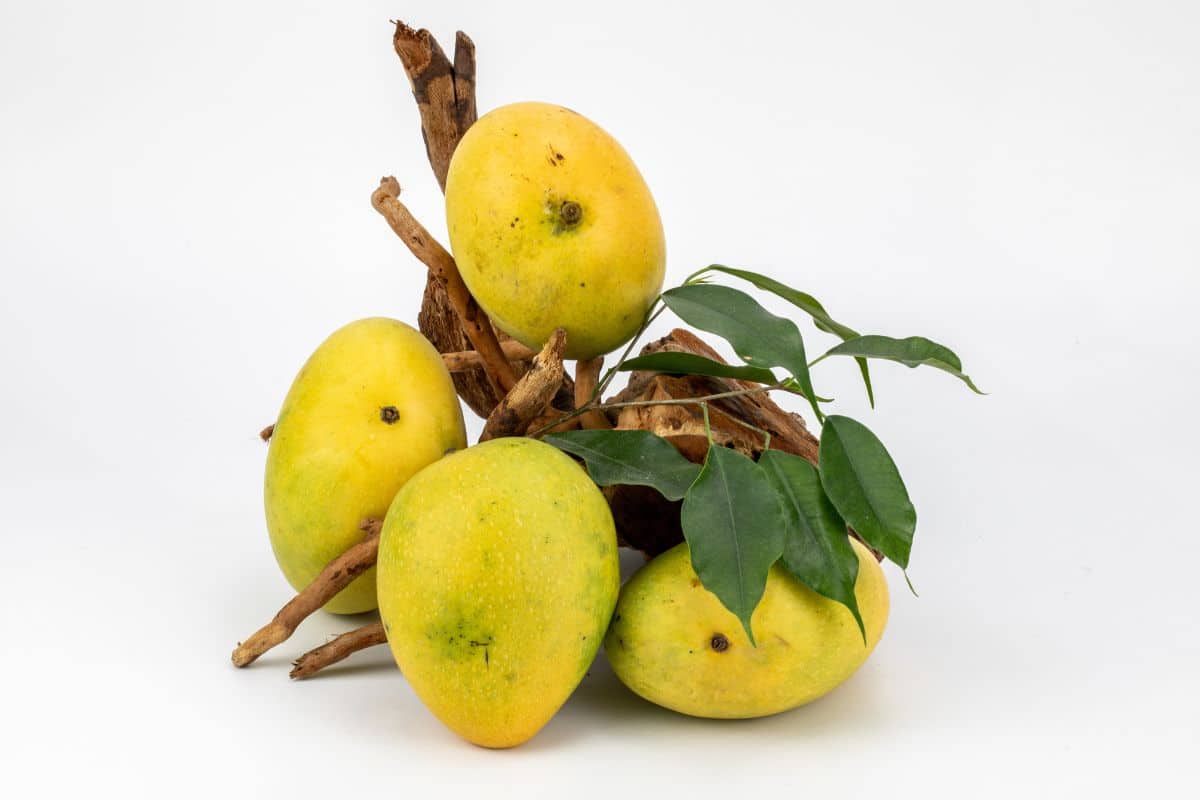
This mango comes from the town of Banganapalle in India. It is a large mango with smooth, thin skin that turns from green to yellow as it ripens. It is another non-fibrous mango with a juicy pulp. It is sweet with a moderate tang to its flavor. You may be able to find these at large international markets.
Carabao Mango
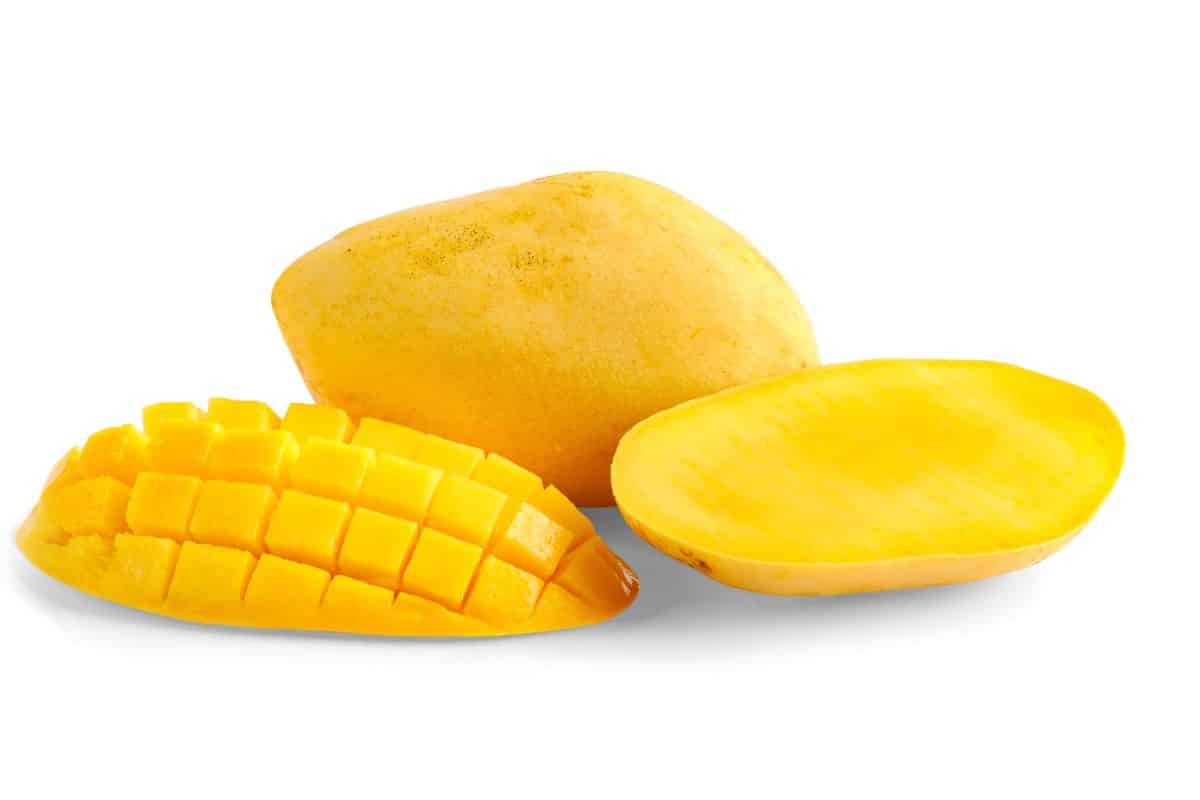
The carabao came from the Philippines and is also known as the Manila mango. It is one of the most popular mango varieties worldwide and was actually named after the carabao, a water buffalo, as its shape is reminiscent of the buffalo’s horn. They are average-sized mangoes with a vibrant yellow pulp, as the photo suggests. They are particularly sweet and aromatic making them a great mango to just eat fresh, but also in juices or desserts.
Chaunsa Mango
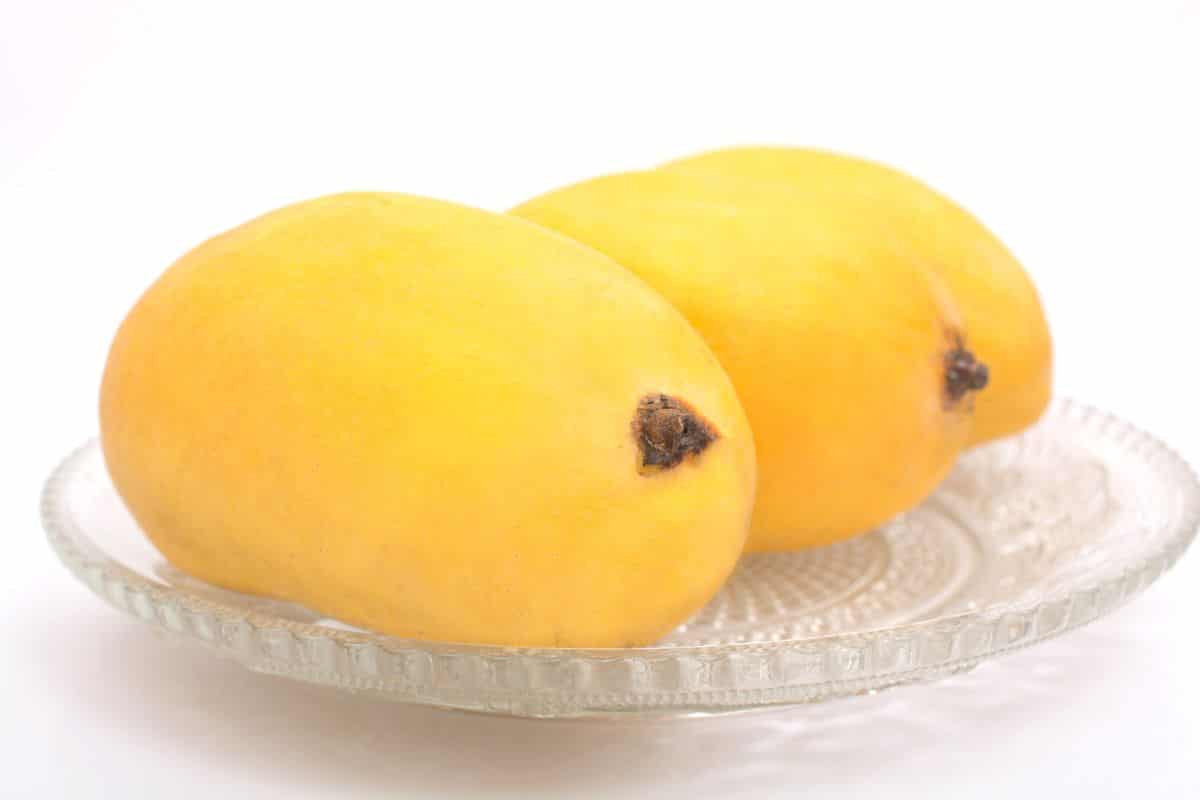
This mango comes from the Punjab region in Pakistan. While we haven’t had one at Live Eat Learn, they are said to have an amazingly distinct aroma and exquisite taste. This mango has a thin, non-fibrous skin and a succulent juicy pulp. Their sweet and tangy flavor, along with their pleasant fragrance, makes them a great export mango for Pakistan as they are just so good.
This is just one of the mangoes we discuss that are not going to be easy to find in the USA. Most grocery stores only carry one or two varieties. If, however, you go to a large international market (Atlanta has one that is amazing!), you will find a LOT more. That is a good opportunity to bring up this guide to see which mango is what before you buy.
Edward Mango
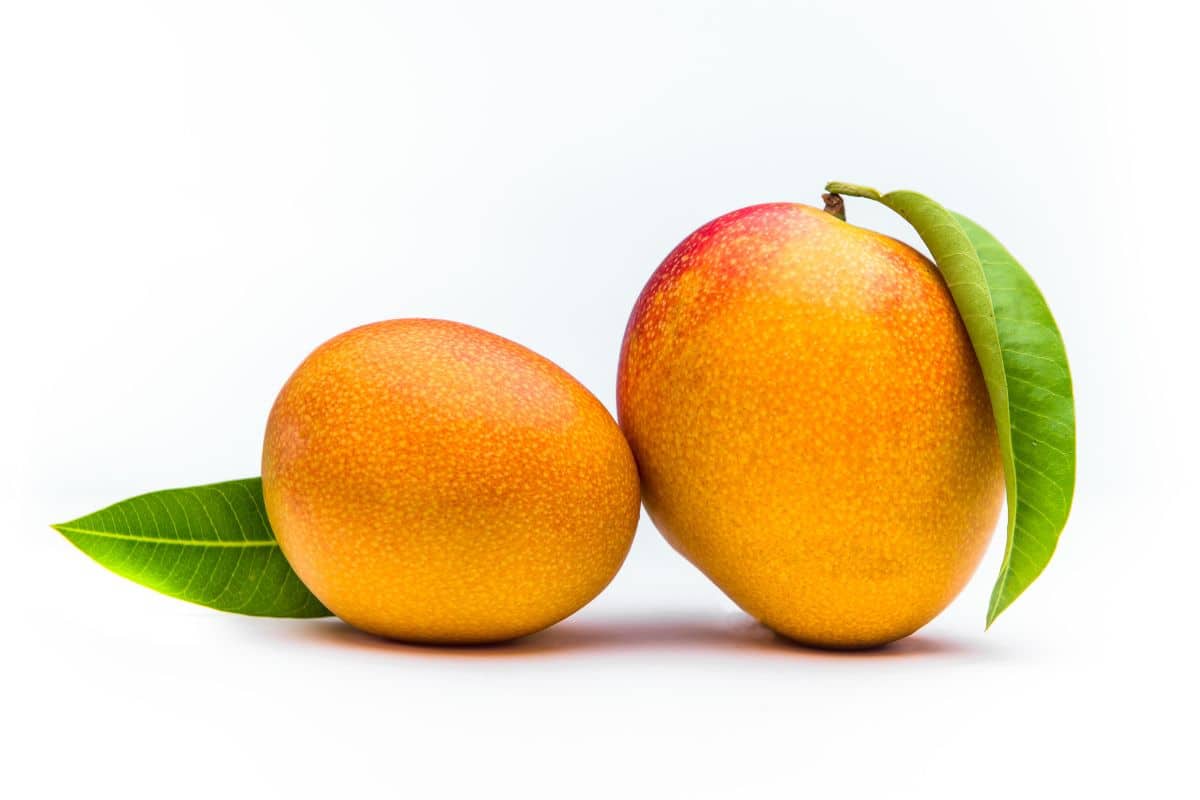
This is the first mango on our list that comes from the USA. It was developed by a horticulturist of that name working for the Florida mango breeding program. Ya, that is really a thing. Many fruits are the result of human-induced hybridization. It doesn’t mean they are GMOs or anything negative, and in fact fruits are normally crossbred to obtain some really nice characteristics.
The Edward mango is a fruit that is fiberless and notably sweet with a buttery consistency. Everything we want in a mango. You can use this mango in pretty much any recipe or application that calls for mangoes.
Haden Mango
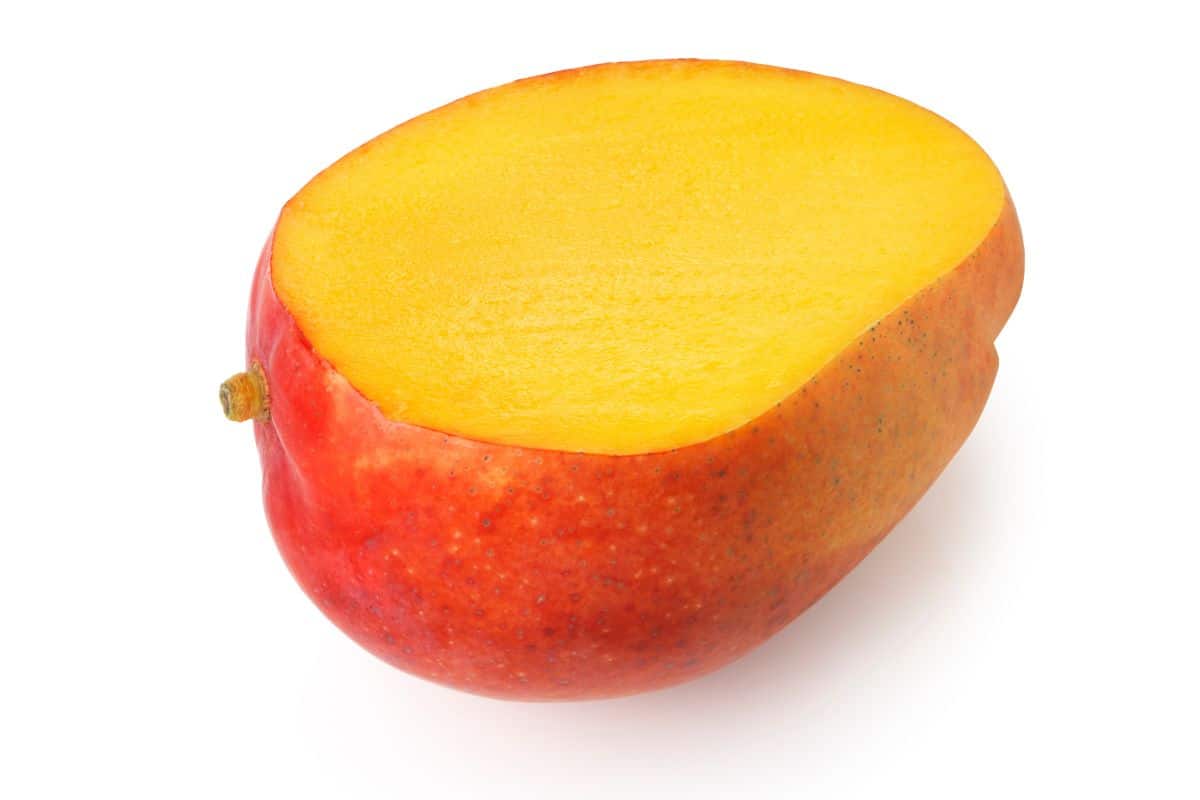
This was the first mango commercially grown and sold in the USA. It was brought to Florida by Captain John Haden in the early 20th Century and really established the mango industry in the USA (read that Florida). The rest of the mangoes grown in the USA are almost all hybrid varieties of Haden. These are large mangoes with red and green skins, and a sweet tropical flavor that hints of peach. They are a bit more fibrous than other mangoes, but that just serves to thicken your mango smoothie into frosty deliciousness.
Honey Mango
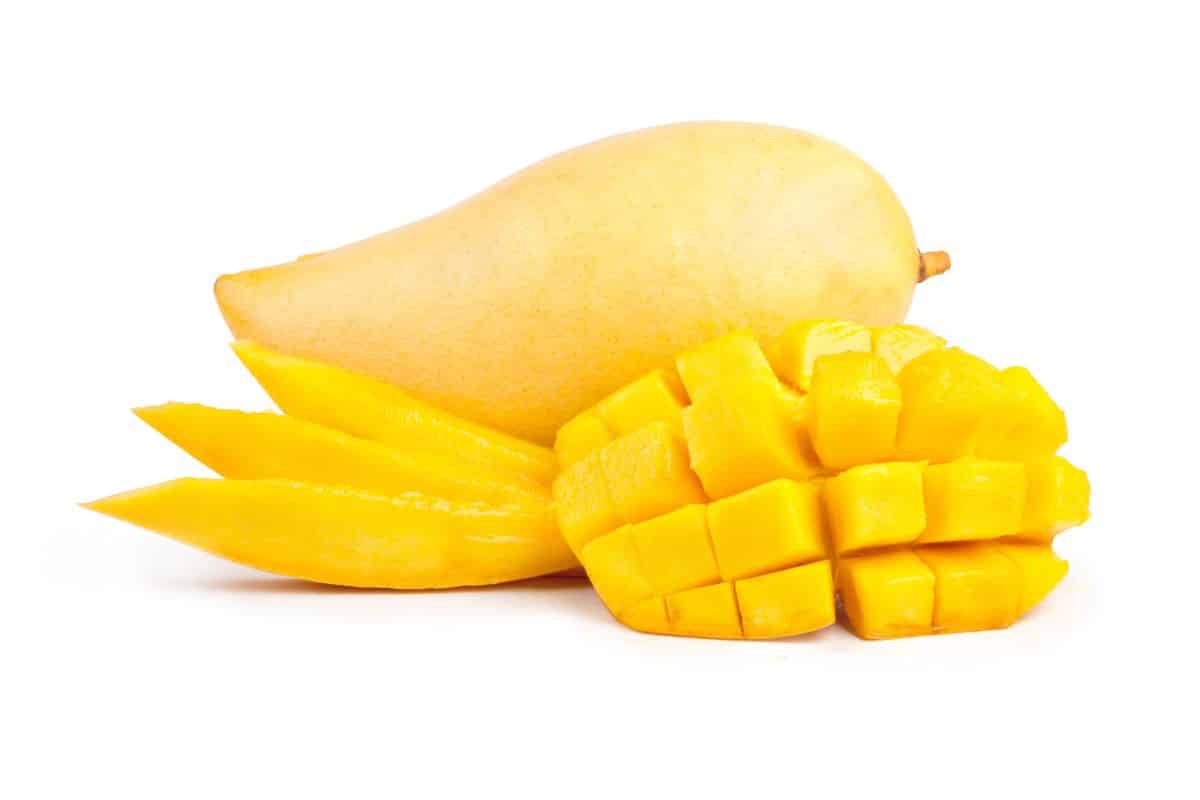
Honey mangoes are also called Ataulfo or Champagne mangoes and are grown extensively in Peru, Ecuador, and Brazil. They are small golden-yellow mangoes with a kidney shape to them. As the name would suggest, they are one of the sweetest mangoes with a taste that hints of peach and vanilla. They are also virtually fiber-free, making them a good candidate for mango popsicles.
Irwin Mango
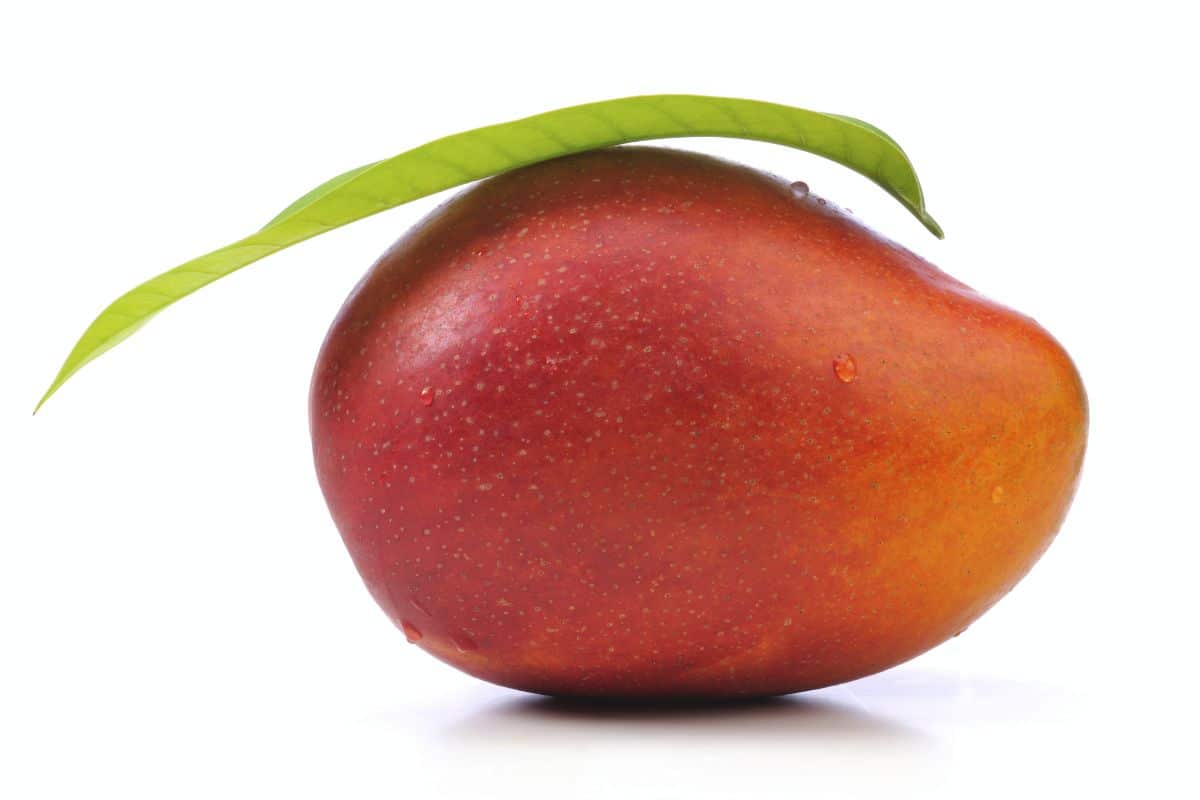
The Irwin mango is a cross between Haden and Brooks mangoes. It is a large, oval fruit with smooth, bright-red or orange skin. The pulp in the Irwin is juicy and all but fiberless, and it has a sweet and mildly tart flavor. It also has a pleasant sweet aroma that adds to its sensory appeal and makes it a nice mango to eat fresh.
Julie Mango
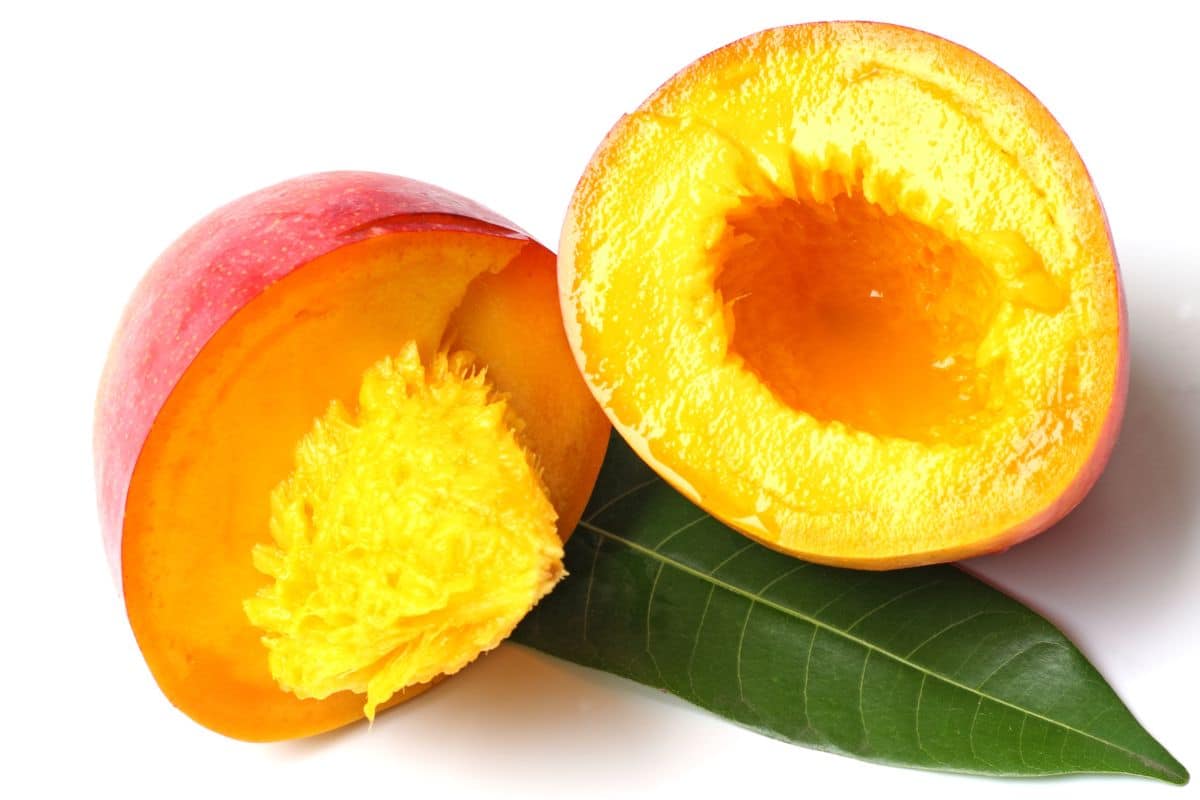
The Julie comes from Jamaica and is considered “the dwarf of the mango world” due to the small size of the tree. Despite their petite stature, they are prolific fruit bearers and are considered one of the best-tasting mango varieties.
These mangoes are small to medium-sized and have the customary oval mango shape. They have yellow and red skin and a sweet fragrant aroma. The flesh is smooth, fiberless, and has a sweet flavor with hints of citrus.
Keitt Mango
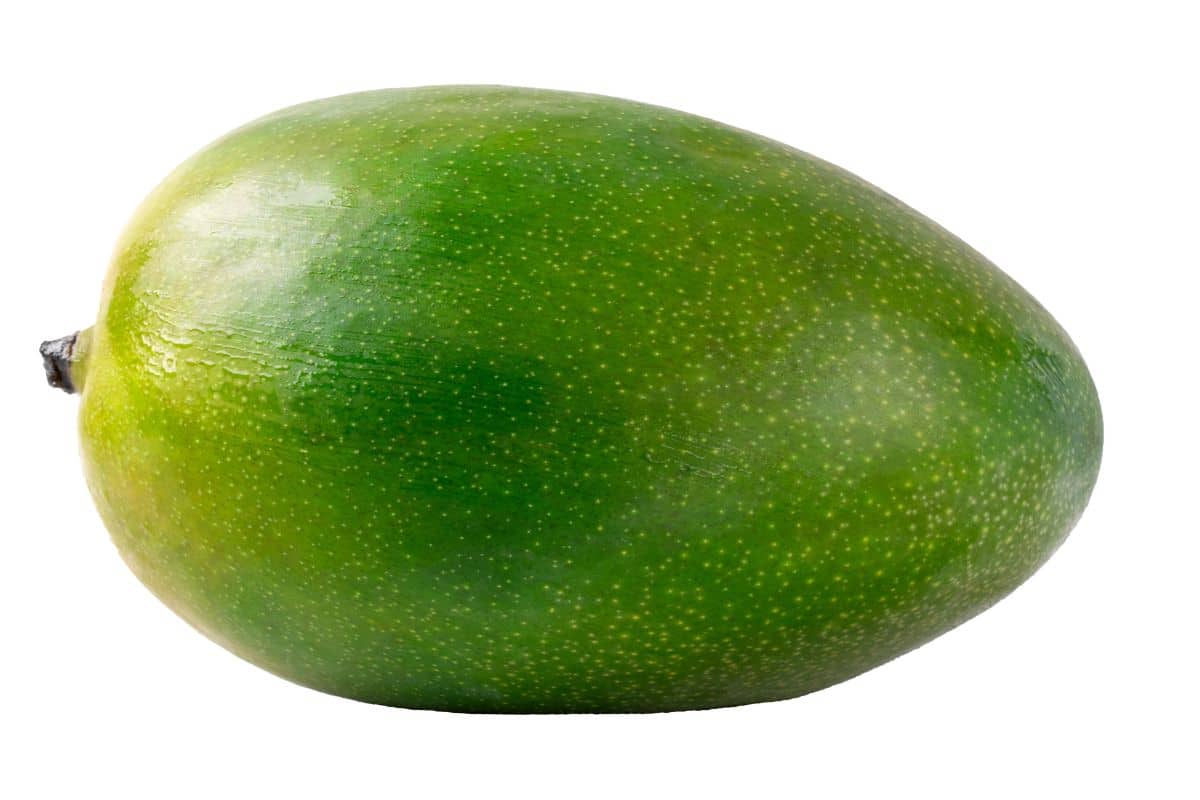
The Keitt mango was discovered as a natural hybrid growing in the garden of Mrs. J.N. Keitt in 1939 in Homestead, Florida. They are now grown all over the place (California, Mexico, Israel, and other nations).
Keitt mangoes are large, with an elongated oval shape and a green skin even when ripe. The flesh is sweet, mild, and nearly devoid of fibers, making it a popular choice for salads, chutneys, and desserts.
Kent Mango
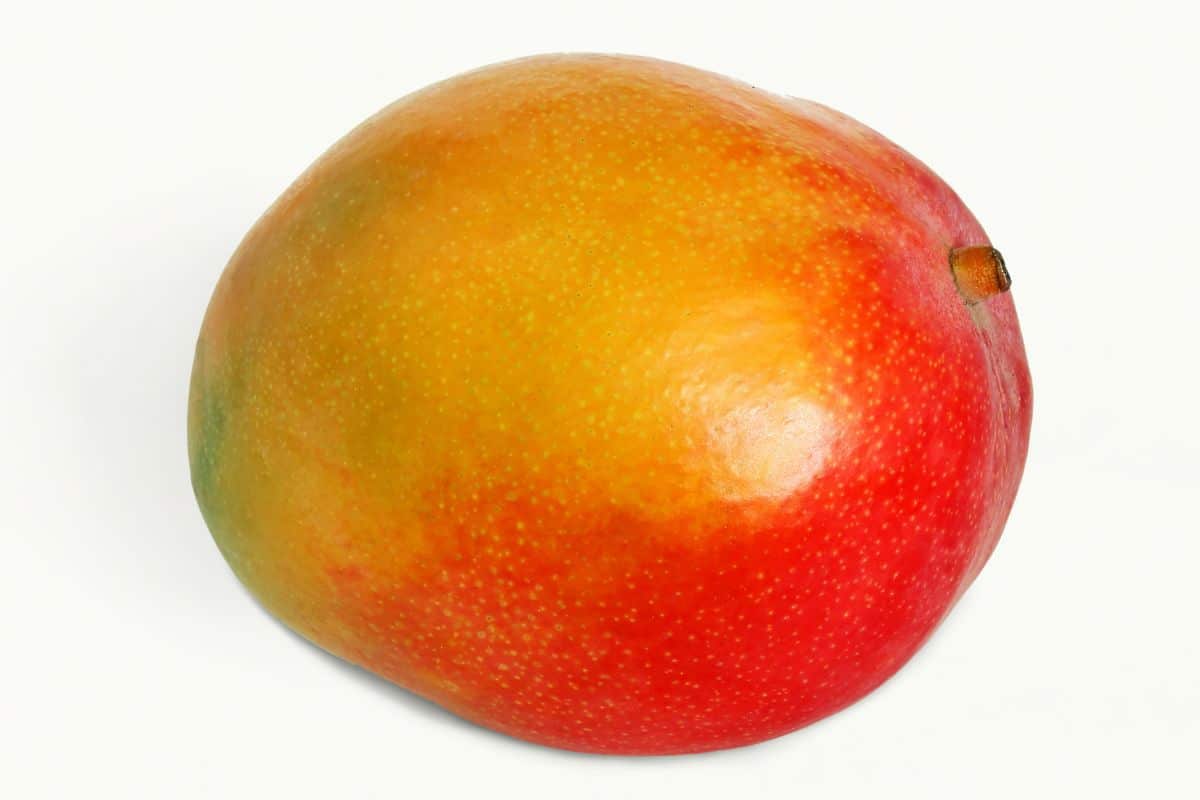
The Kent mango is another Floridian developed in the 1940s. It has greening-yellow skin and a juicy, sweet pulp with little fiber. It is on the large side and considered a high-quality variety. It is now grown in Mexico, which exports it back to the USA as this fruit withstands transportation well. We eat more mangoes than we grow in the USA. Most of what we import comes from Mexico.
Kesar Mango
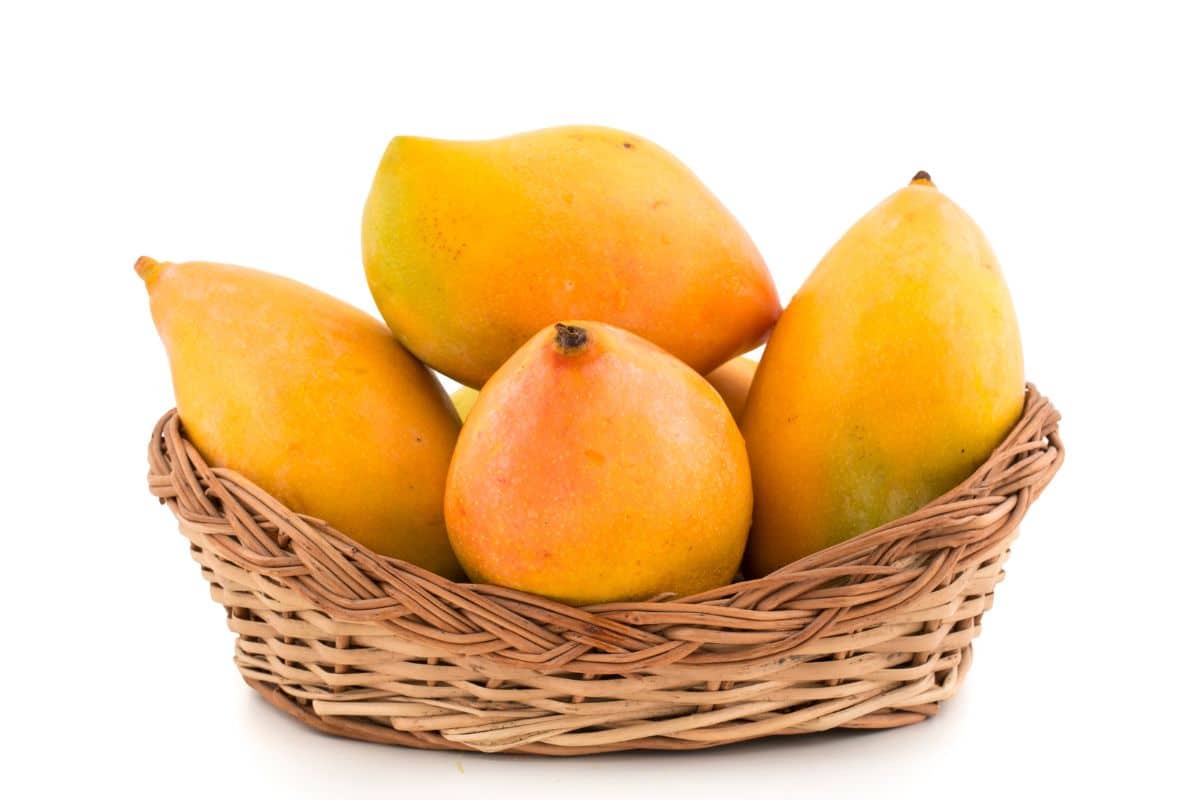
The Kesar mango from India is sometimes called the “Queen of Mangoes.” Well, Alphonso locked up the King title, so it sounds like a red ribbon for the Kesar. They are small to medium-sized with golden-yellow skin and very sweet pulp. They are often considered one of the best mango varieties in India, which is no participation trophy as India is the home of the mango and grows more than the rest of the world combined.
Nam Dok Mai
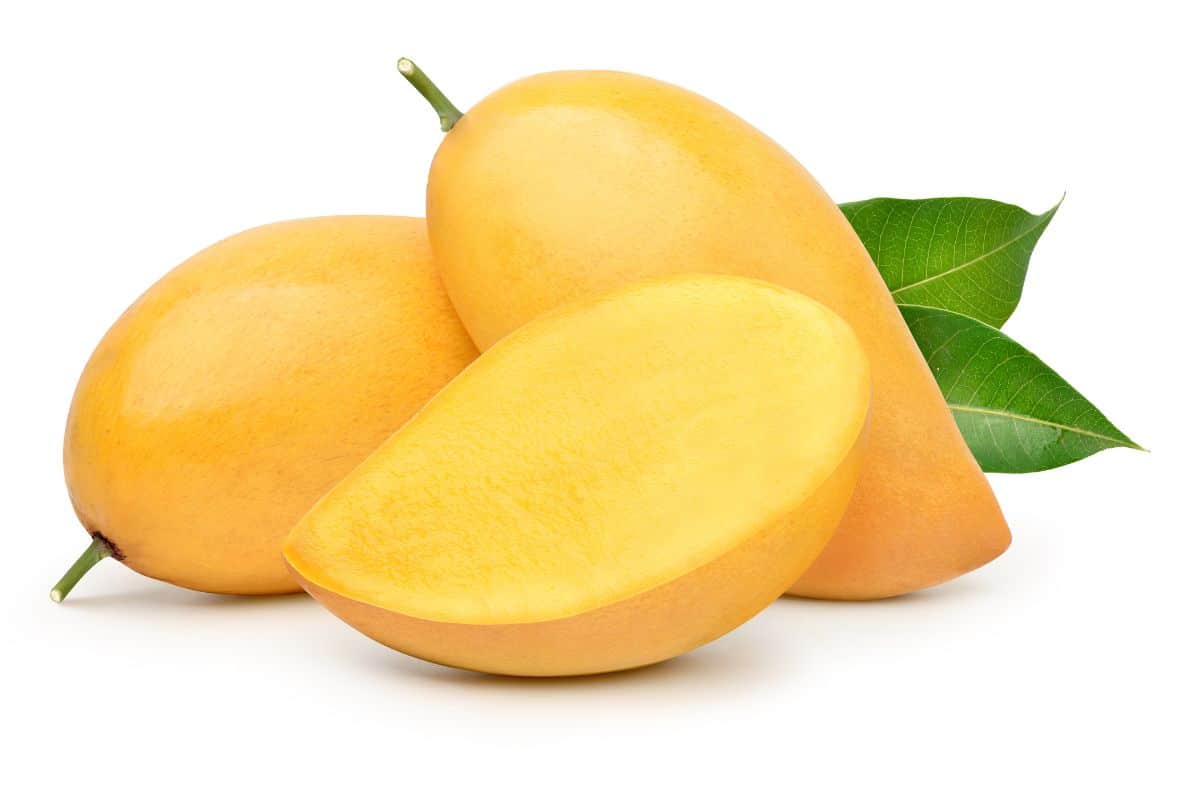
The Nam Dok Mai is a popular mango from Thailand. In Thai, the name “Nam Dok Mai” translates to “flower water,” reflecting its sweet and floral aroma. The fruit has an elongated shape, smooth yellow skin, and a distinct S-shape when sliced. Nam Dok Mai mangoes are known for their sweet, non-fibrous flesh and are often eaten fresh or used in desserts, salads, and smoothies.
Palmer
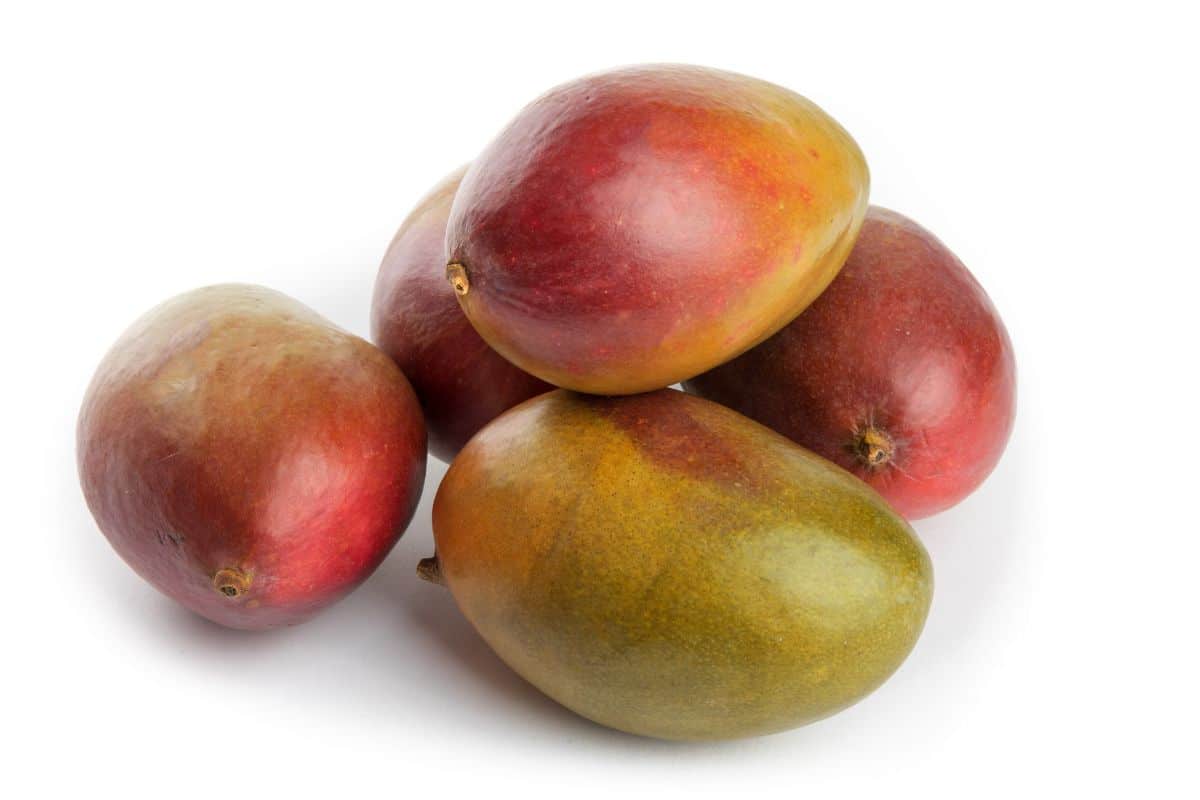
The Palmer mango is a hybrid developed from the Haden mango around 1945. It is a large mango with an aesthetic red blush on its skin and a sweet, rich flavor. The flesh is fiber-free, giving it a smooth texture and making it ideal for eating fresh or using in desserts, drinks, or…you name it!
Sensation
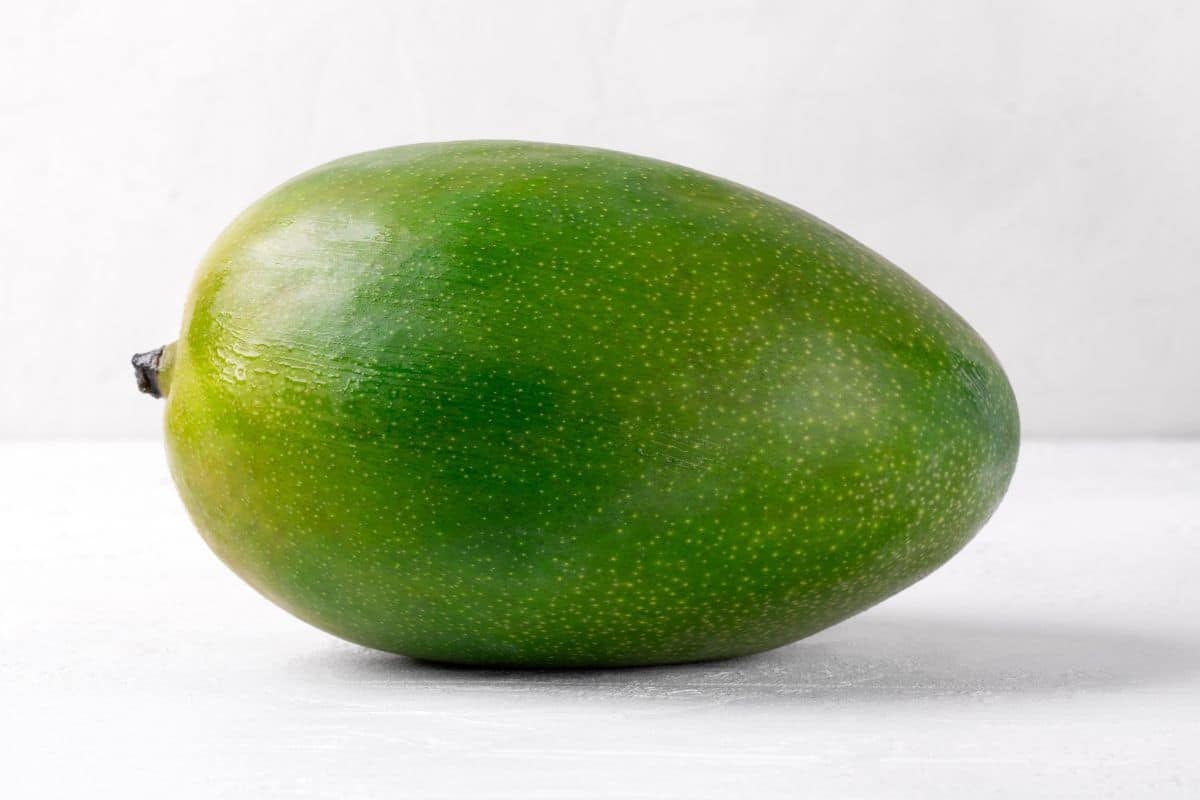
The Sensation mango is a hybrid variety of the Keitt mango; in fact, it is sometimes just called the Keitt Sensation. These large mangoes have greenish-yellow skin and a sweet, mild flavor. The flesh is smooth and virtually fiber-free, making it suitable for slicing and use in salads, salsas, or eating fresh.
Tommy Atkins
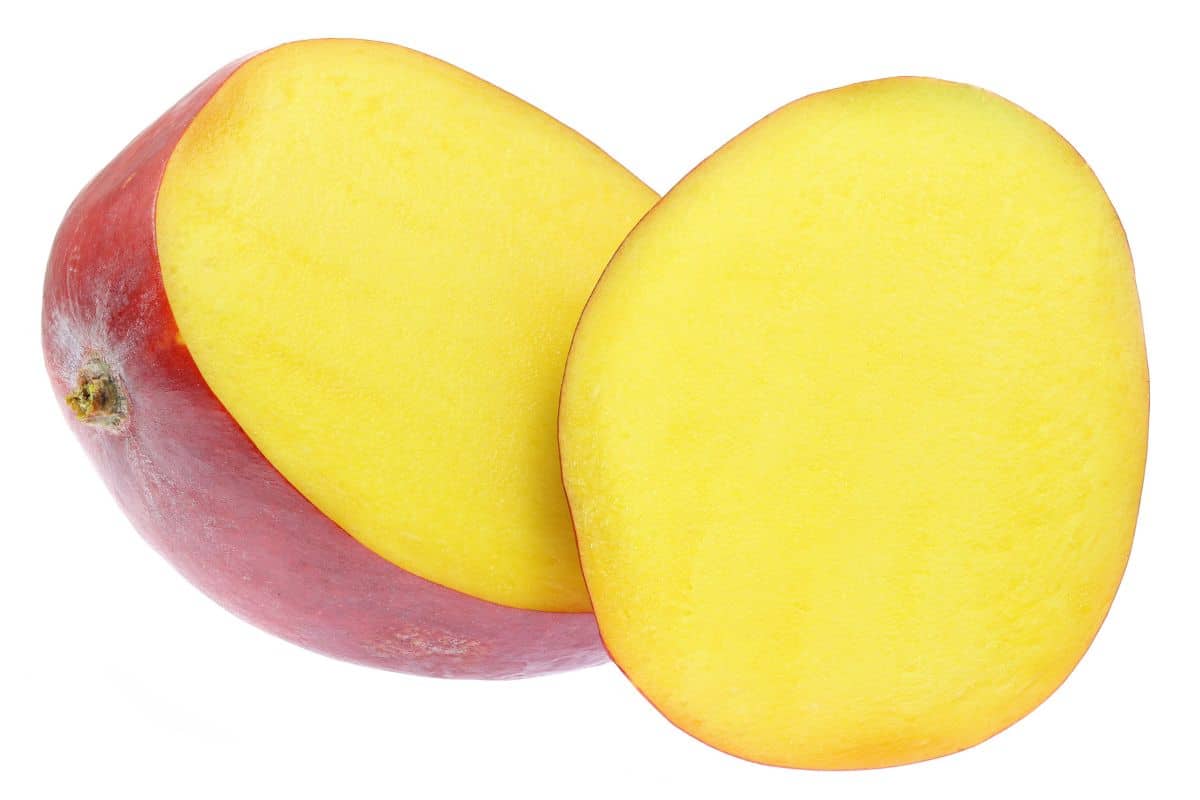
Tommy Atkins mangoes are the most sold mangoes in the USA. They were discovered growing in Florida in the 1920s as a naturally occurring hybrid. Today, they are grown around North and South America and are not encouraged to evolve into other varieties. They are good as they are.
These are large mangoes weighing between 1 and 3 pounds. They have a distinctive appearance with a dark red or crimson blush over a greenish-yellow background. The flesh is firm and quite fibrous, and the flavor is a nice combination of sweetness and tartness. They are sold for fresh use, and used extensively in commercial mango foods and drinks.
Valencia Pride
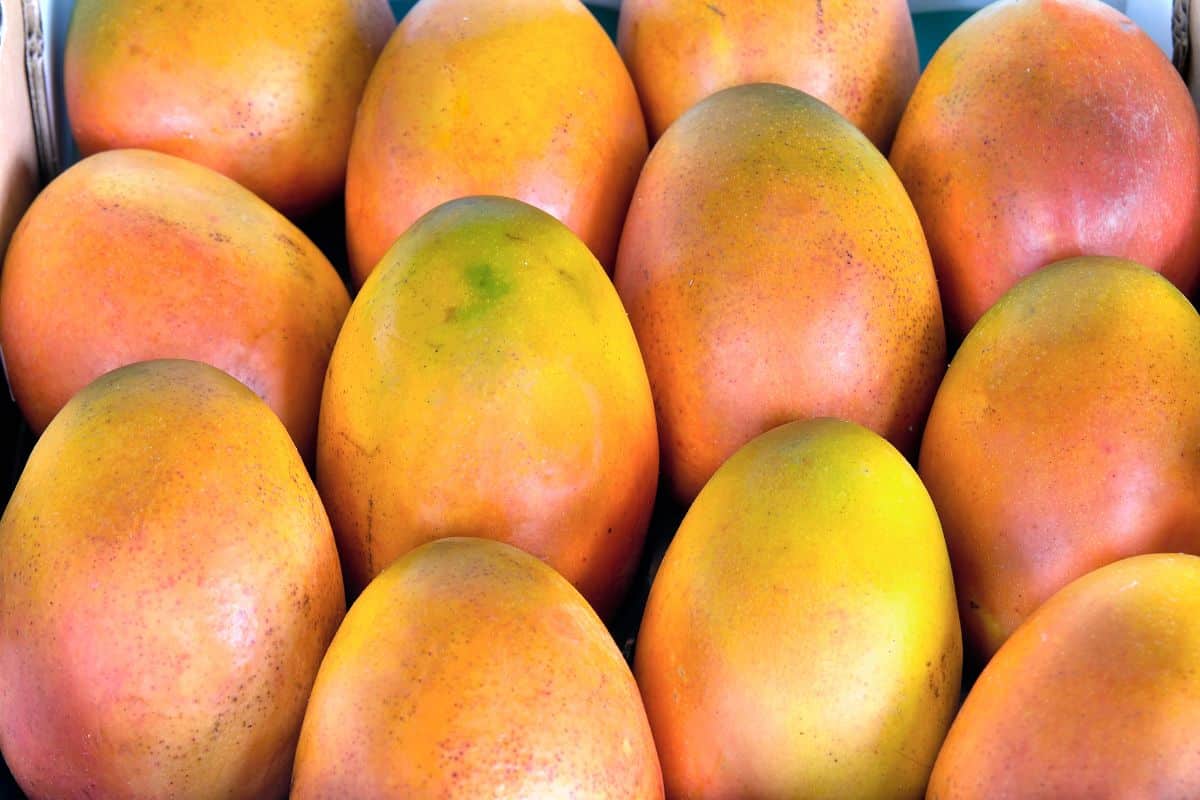
Valencia pride mangoes were developed in Florida in the 1940s. These medium—to large-sized fruits have an elongated shape. They have smooth yellow skin with an aesthetic pink blush. The flesh is virtually fiber-free, smooth, and tender, with a sweet and mildly tangy flavor. This variety is popular for its juicy and succulent texture, making it a good choice for fresh consumption and desserts.
Zill
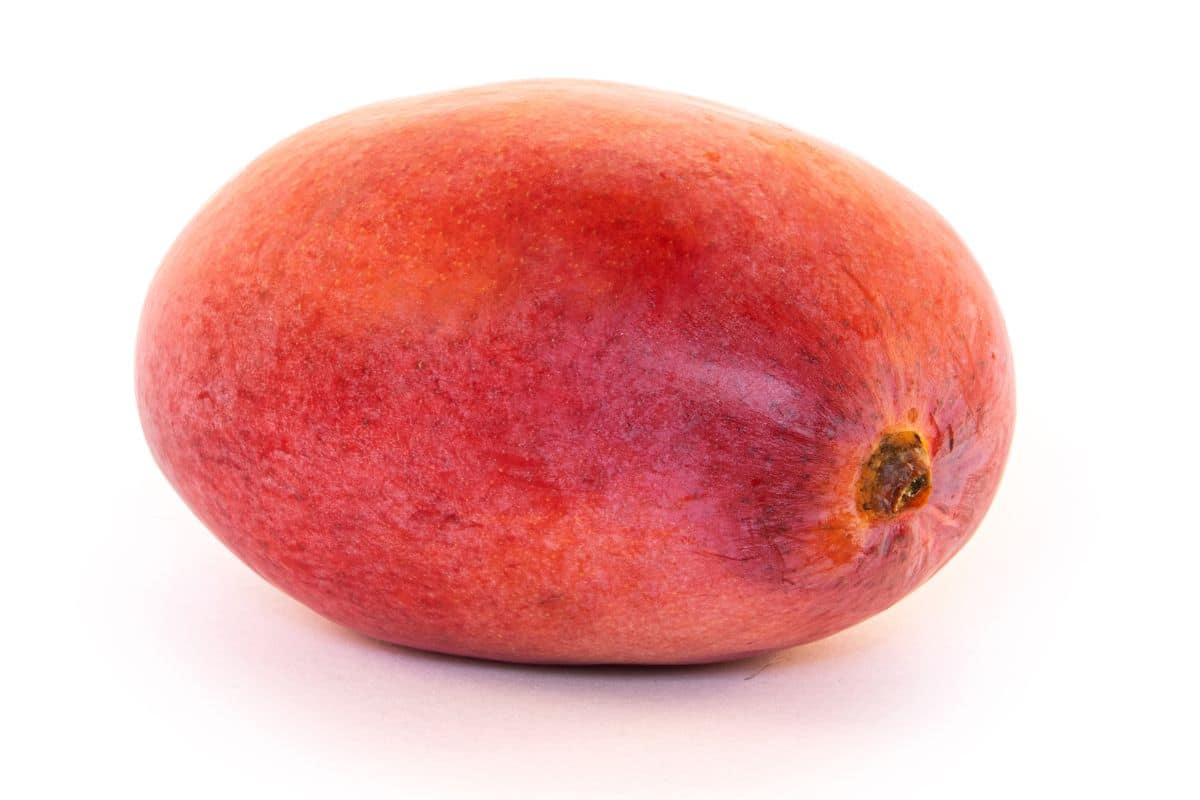
Zill mangoes are actually a group of mango varieties that were developed by the Zill family in Florida. The Zills have been the force behind the development of new mango varieties in the USA, and we can thank them for producing mangoes that are generally vibrantly colored with exceptional flavor. They are sweet fruits with a tropical taste and little fiber.
Leading Mango Producers
The chart below shows the world’s ten leading producers of Mangoes.
| Country | Tons (millions) |
| India | 24.7 |
| China | 3.8 |
| Indonesia | 3.6 |
| Pakistan | 2.7 |
| Mexico | 2.4 |
| Brazil | 2.1 |
| Malawi | 1.7 |
| Thailand | 1.6 |
| Bangladesh | 1.5 |
| Vietnam | 1.4 |
India is clearly the leading producer, growing more than the rest of the top ten combined. It is a nation of 1.4 billion people who know they have a good thing! Mexico is the leading exporter of mangoes.
The world’s leading importer of mangoes is not surprisingly the USA and most of ours come from right across the border in Mexico. Clearly, most of the world’s mangoes are grown in Asia followed by Central and South America. They are, however, also grown in Africa where Nigeria produces about 800,000 tons, and they are grown in the USA.
This wraps our look at some of the most popular varieties of mangoes. We hope you found this helpful, and as always, happy cooking!


Great coverage of Mangoes.
Thank you for sharing.