

This post contains affiliate links.
From ramen noodles to egg noodles and everything in between like zucchini noodles, we are covering 20 different types of noodles and everything you need to know about them!

We all love eating pasta but did you know that there are tons of different types of noodles that work best for very different situations? There’s the egg noodles that work great in stroganoff and ramen noodles for well, ramen, and zucchini noodles that are an awesome low carb option.
But if this all sounds overwhelming to figure out which noodle to pick – don’t worry. We are going into detail about 20 different types of noodles, including photos and ways to use them!
Noodles Vs Pasta What is the Difference
In Western cuisines, “pasta” typically refers to Italian-style noodles. The National Pasta Association defines pasta as being a dough made from durum wheat, water, and sometimes eggs, and stamped into different shapes.
Noodles on the other hand aren’t linked to one singular grain. From buckwheat noodles to rice noodles, yam noodles, and wheat flour noodles, there’s no shortage of choice. Noodles can be crafted from everything from root vegetables to tapioca flour, mung bean starch, seaweed, and rice flour. They can be stretched, pulled, rolled, cut, and twisted. They show up in soups, salads, steaming broths, stir-fries, side dishes, and as the main event. They can be silky soft, thick & chewy, and fresh or dried.
Types of Noodles
Egg Noodles
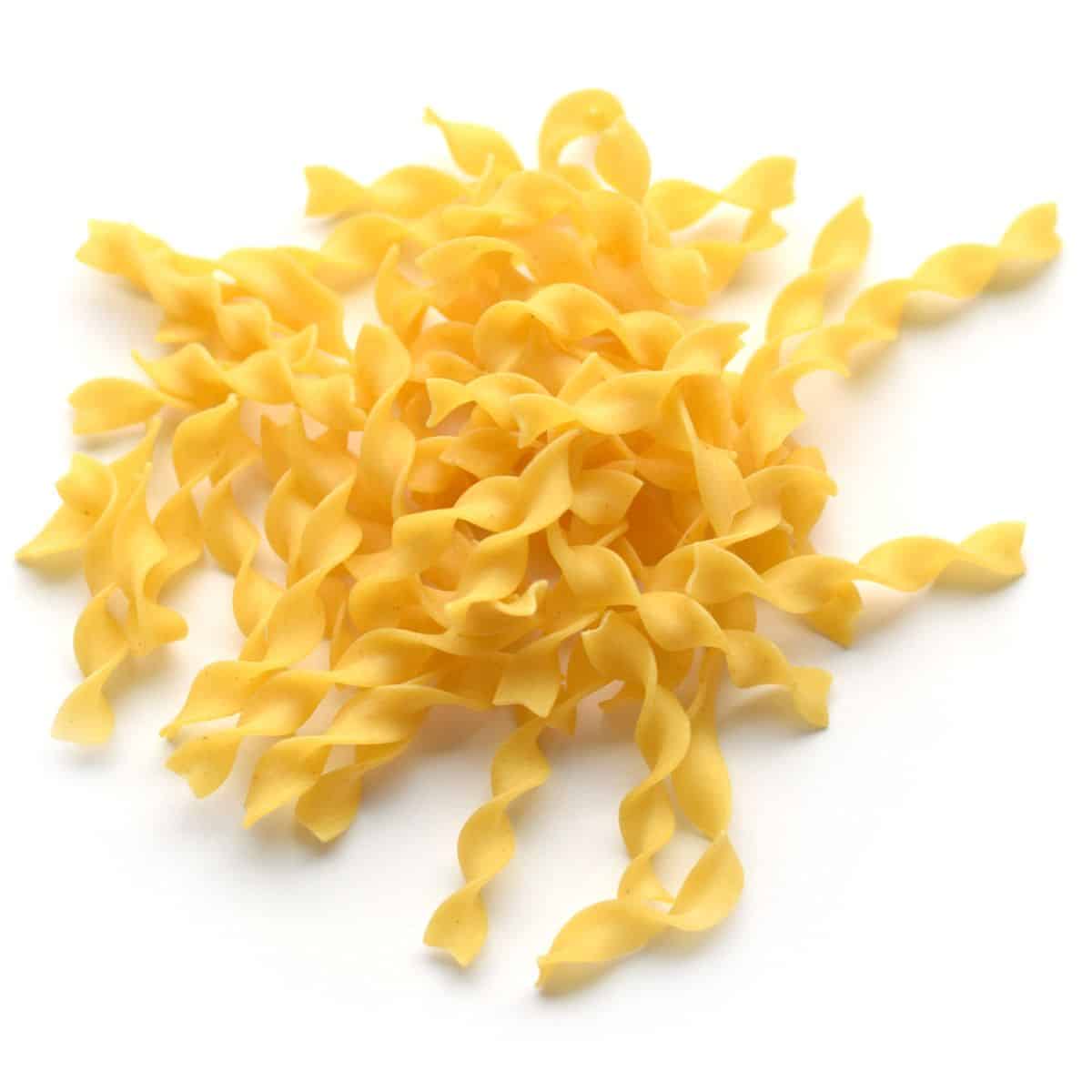
Origin and Description: Egg noodles were invented by the Chinese, and have featured heavily in Chinese cuisine for centuries. They are made with wheat flour and eggs, and can be bought in a variety of thicknesses. Their texture ranges from soft to chewy, depending on regional where and how they are made. The inclusion of eggs gives them a distinct flavor and yellow color.
What are Egg Noodles Used For? They can be used in a variety of dishes, such as soups, stir-fries, and casseroles. They are commonly found in Chinese, Japanese, and European cuisines. Egg noodles are often associated with comfort food, and variations of chickpea noodle soup using egg noodles are popular in many parts of the world. Our favorite recipe for egg noodles is Thai coconut noodle soup (khao soi). Give it a try.
Glass Noodles (Mung Bean)
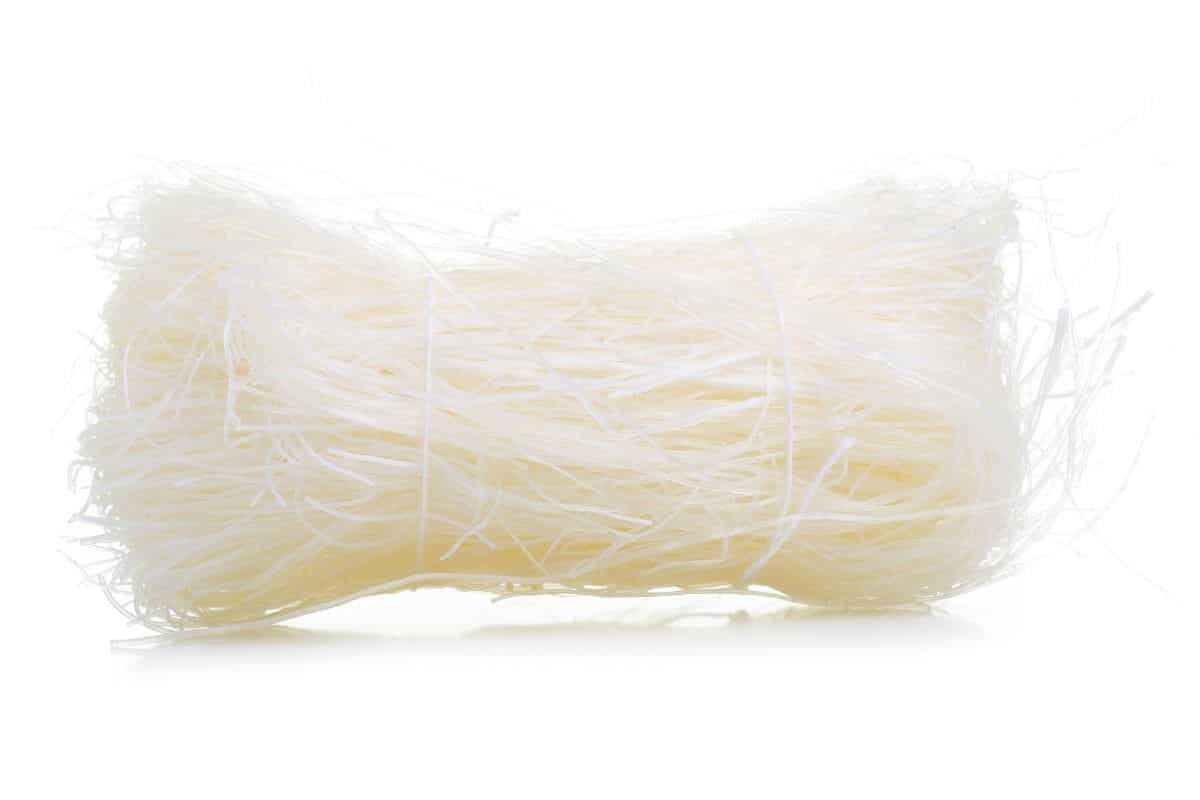
Origin and Description: Also known as cellophane noodles or mung bean noodles, these noodles have origins in East and Southeast Asian cuisines, including Chinese, Korean, and Thai. They are nearly transparent when cooked, which is what gave them the name “glass noodles.” They are made from starches like mung bean starch, sweet potato starch, or potato starch.
What are Glass Noodles Used For? Glass noodles are often used in stir-fries, Thai salads, soups, and spring rolls. Due to their neutral taste, they can absorb the flavors of the ingredients they are cooked with. Glass noodles are also gluten-free, making them suitable for individuals with gluten sensitivity. Try them in mung bean soup or perhaps this Korean-inspired bibimbap.
Hiyamugi Noodles
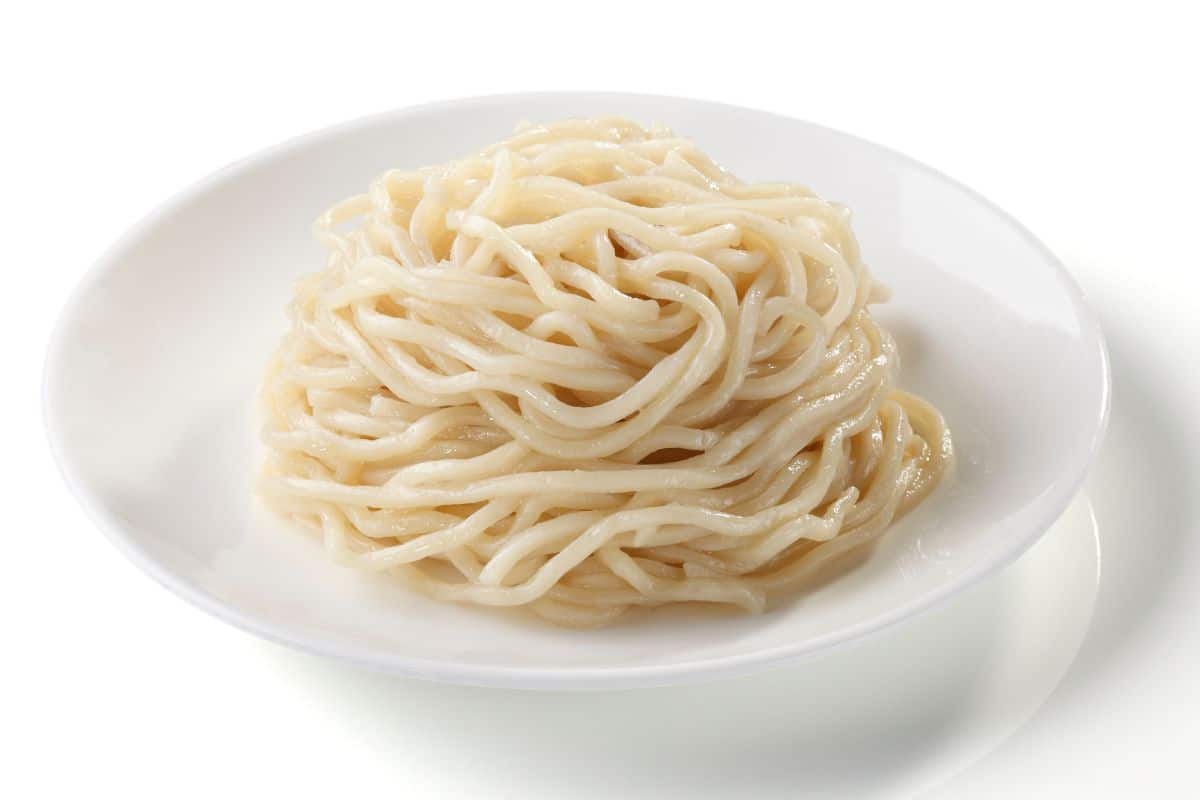
Origin and Description: These wheat noodles come to us from Japan. They are thin noodles a lot like somen with a smooth silky texture.
What are Hiyamugi Noodles Used For? Hiyamugi noodles are almost always served cold. Hiyamugi actually translates to “chilled wheat noodles” in Japanese. You can use these in a noodle side dish, or as the main course with vegetables. We think they are pretty much interchangeable with somen or udon noodles.
Ho Fun Noodles
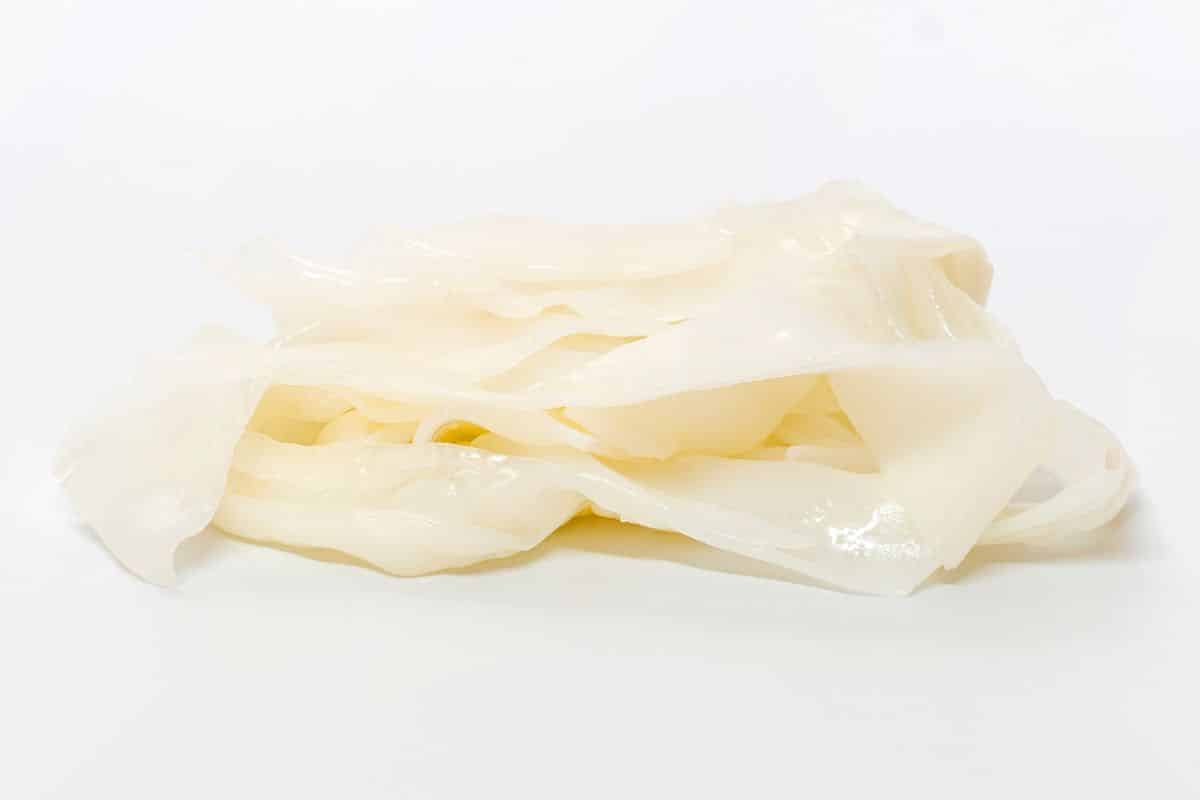
Origin and Description: Ho Fun noodles are also called wide rice noodles, and came to us from China. These are wide, flat, and slippery noodles made from rice flour and water.
What are Ho Fun Noodles Used For? These noodles are used heavily in Cantonese and SE Asian cuisine and are mostly served hot, such as in stir-fries, soups, and other noodle dishes like beef chow fun.
Hokkien Noodles
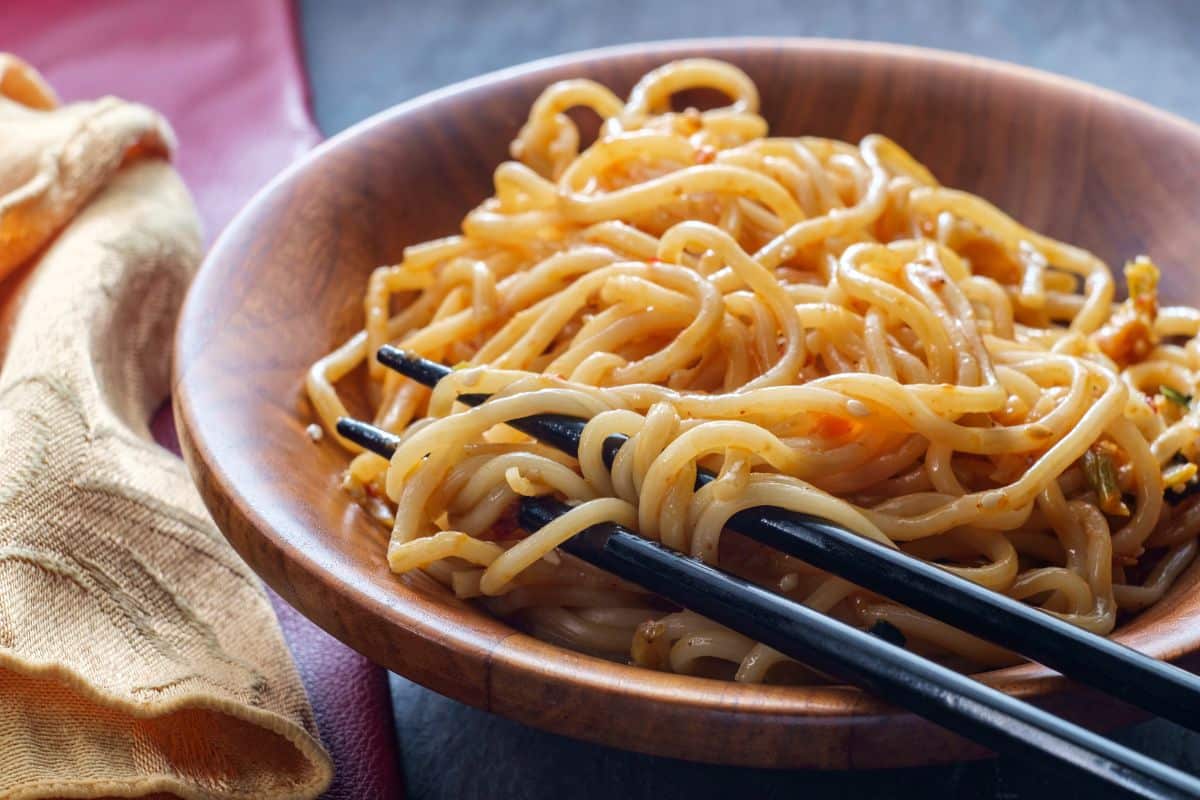
Origin and Description: Hokkien came from the Fujian province of China, but we don’t really know how long ago. Today they are used in a lot of SE Asian cuisines. They are yellow wheat noodles made from wheat flour, water, salt, and egg. They are usually sold fresh and are slightly thicker than other egg noodles.
What are Hokkien Noodles Used For? These noodles are commonly used in soups, noodle dishes, and stir-fries. You can find dozens of recipes using chicken, pork, scallions, ginger, or just about any one of these Asian vegetables.
Lo Mein
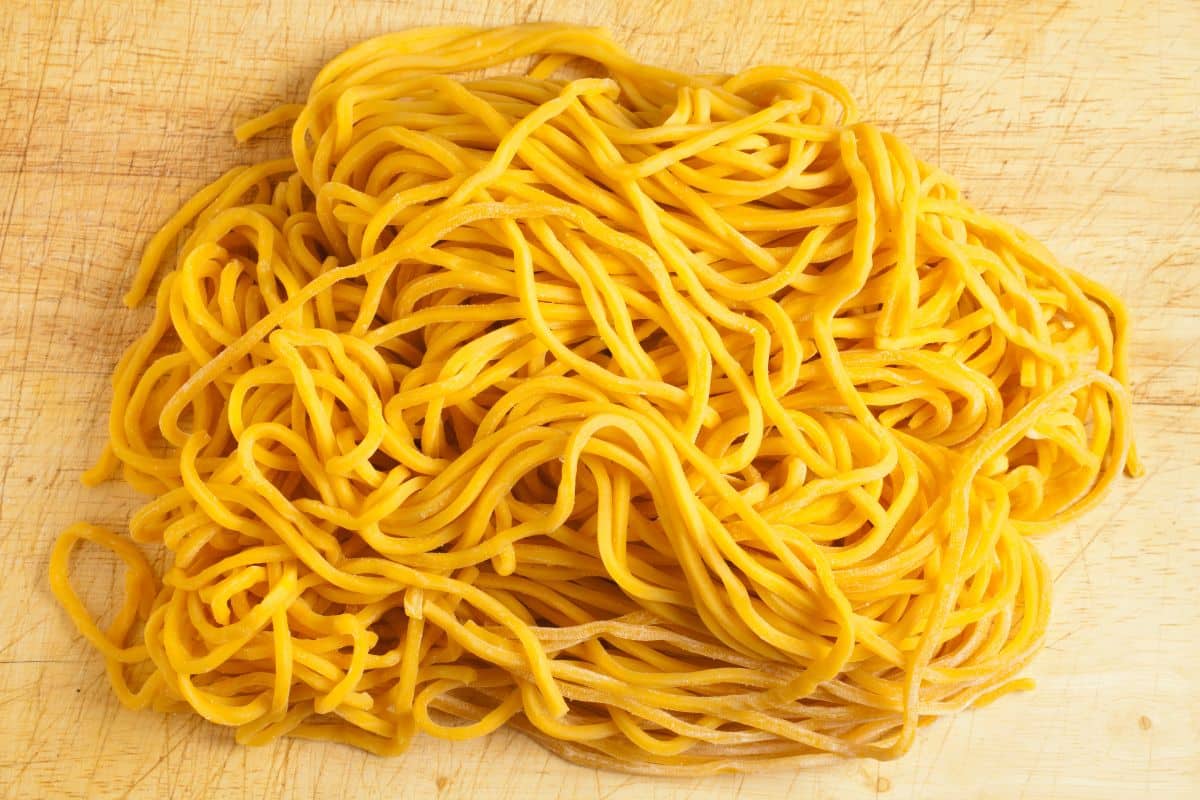
Origin and Description: Lo mein noodles are distinctly Chinese and made from wheat flour and eggs, which gives them their yellow color and a slightly chewy texture.
What are Lo Mein Noodles Used For? Lo mein noodles are used primarily in the dish named after them. Lo mein is a Chinese specialty consisting of noodles tossed with vegetables, meat, and a savory sauce. The term “lo mein” is Cantonese and simply means “stirred noodles.”
Ramen Noodles

Origin and Description: The Japanese are to thank for providing much of the diet of our early 20s with ramen noodles. Traditional ramen noodles are made from wheat flour, water, salt, and an alkaline mineral water called kansui, which gives the noodles their characteristic texture and yellow color.
What are Ramen Noodles Used For? They can be served in a variety of broths, to include miso, shoyu (soy sauce), or shio (salt), and topped with ingredients like sliced pork, seaweed, green onions, a boiled egg, or any number of ways college kids on a budget to think to use it.
Americans fell in love with instant ramen. This quick-cooking version of ramen noodles was invented by Momofuku Ando in Japan in the late 1950s. It is made by flash-frying and drying the ramen into the blocks we all know so well. Try it in a ramen noodle salad or perhaps in our quick and easy kimchi ramen recipe.
Reshteh
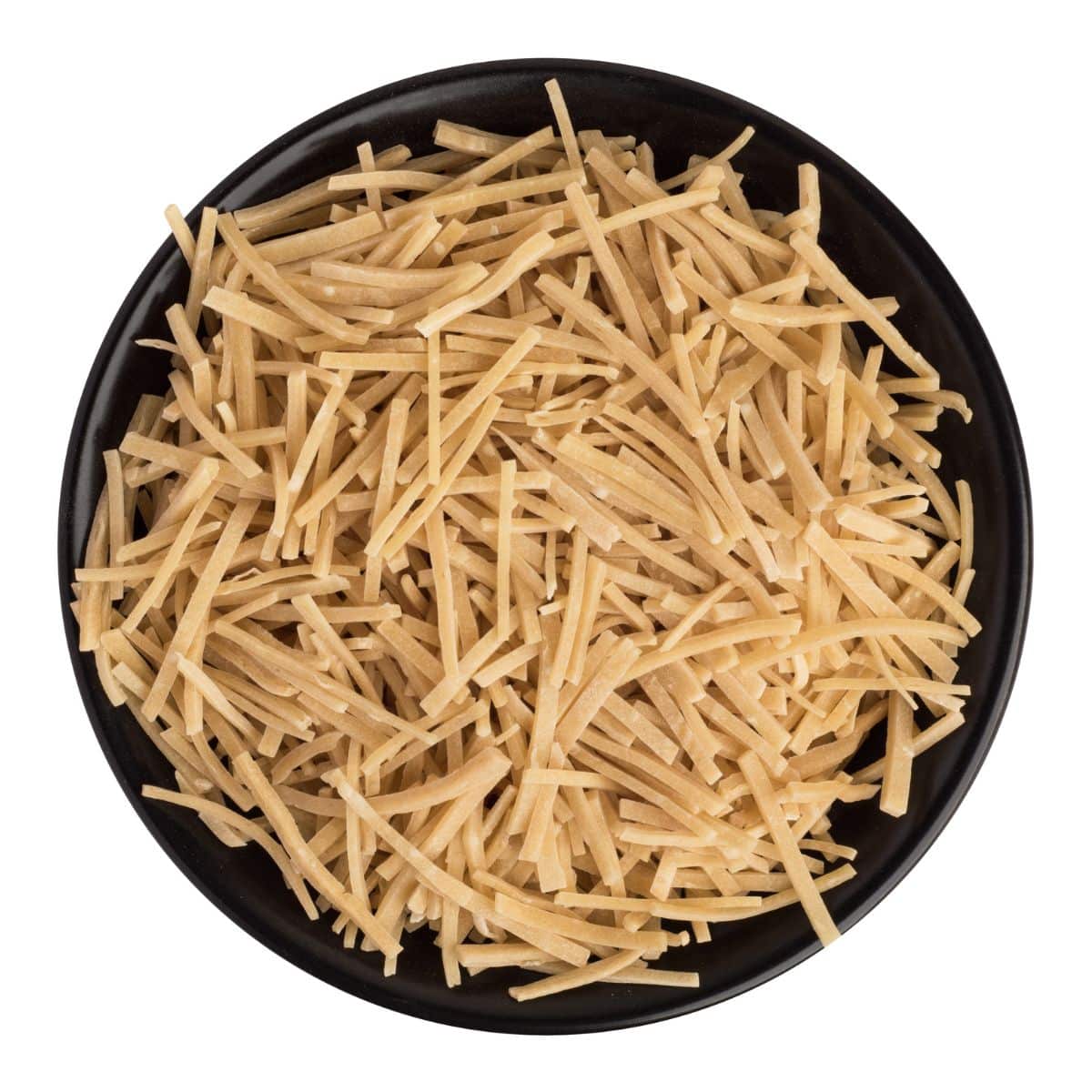
Origin and Description: Reshteh is a Persian noodle commonly used in Iranian cuisine. It is a flat, thin wheat noodle that resembles fettuccine.
What are Reshteh Noodles Used For? Reshteh is used in dishes like “Ash Reshteh,” a popular Persian soup made with herbs, legumes, and sometimes meat. Give our ash resheteh recipe variation a try. Reshteh is also used in soups and stews or served as a side dish.
Rice Stick Noodles
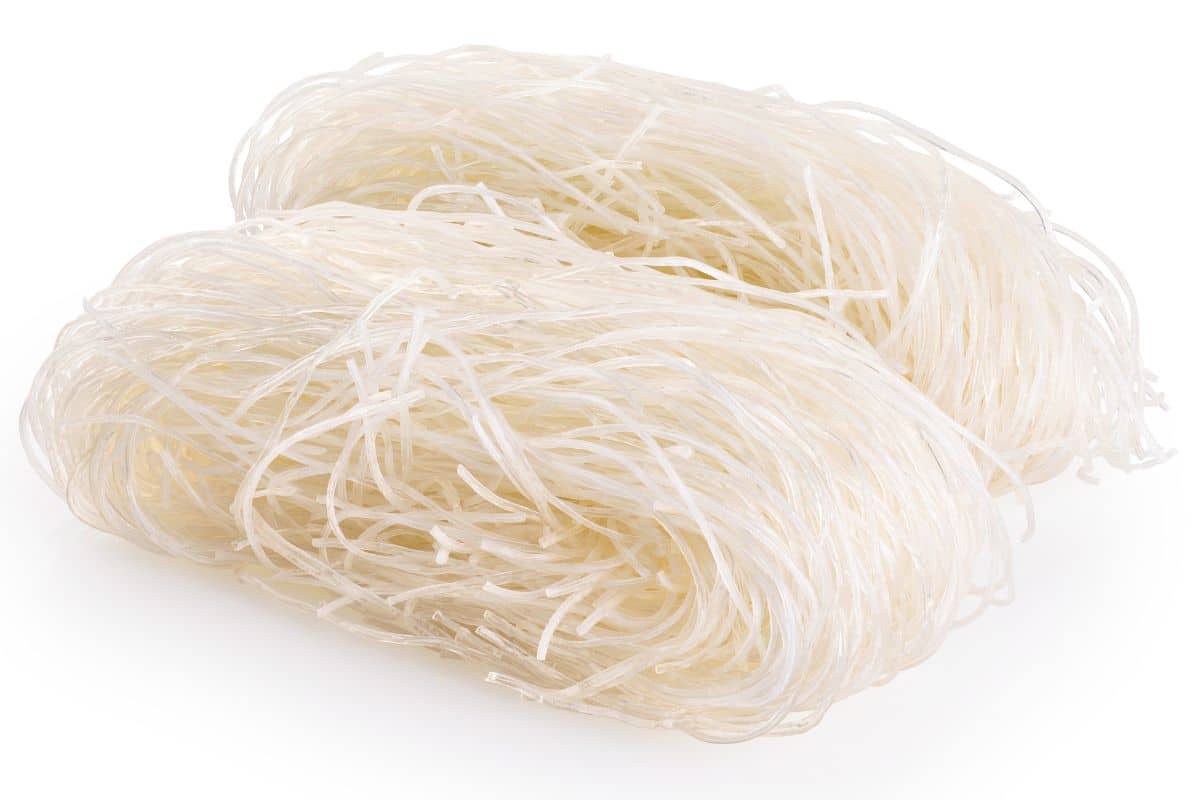
Origin and Description: Rice stick noodles are thin, flat, and nearly translucent noodles used in Chinese, Thai, Vietnamese, and other cuisines. These noodles are thin, flat, and translucent.
What are Rice Stick Noodles Used For? These are the go-to noodles for Pad Thai, Pho, spring rolls, and stir-fries. They absorb flavors well and have a chewy texture. They also hold their shape and texture well when cooked.
Shirataki Noodles
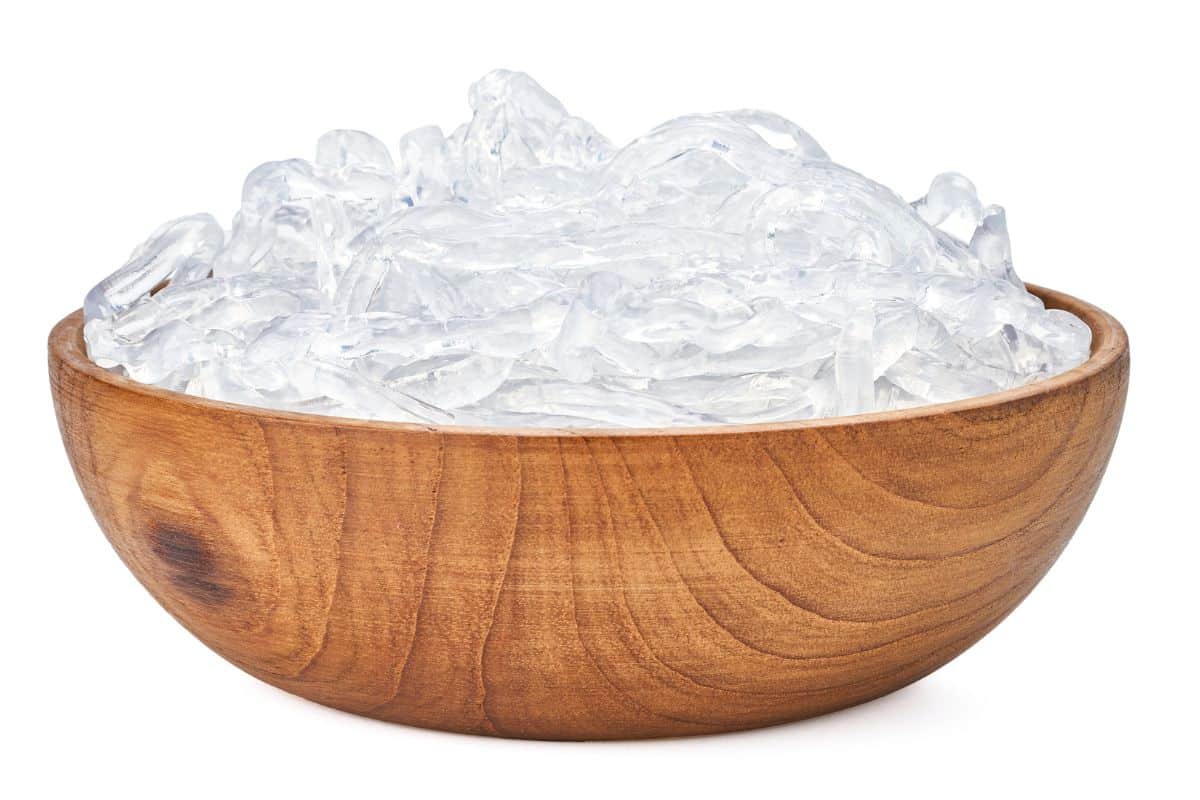
Origin and Description: Shirataki is a Japanese noodle that when cooked is a bit chewy, translucent, and gelatinous. They are a great low-carb, low-calorie alternative to other noodles if you are on a low-carb diet but still want to eat noodles. They are made from the konjac yam which is ground into flour and mixed with water.
What are Shirataki Noodles Used For? They are used in stir-fries, soups, salads, and even pasta recipes. As we suggested, they are also extensively used in low-calorie cooking, as their superpower is being virtually calorie-free. A 100-gram serving (about 3.5 ounces) of cooked noodles contains only 9 calories but 3 grams of fiber. If you are on a keto diet, these noodles are for you.
Soba Noodles
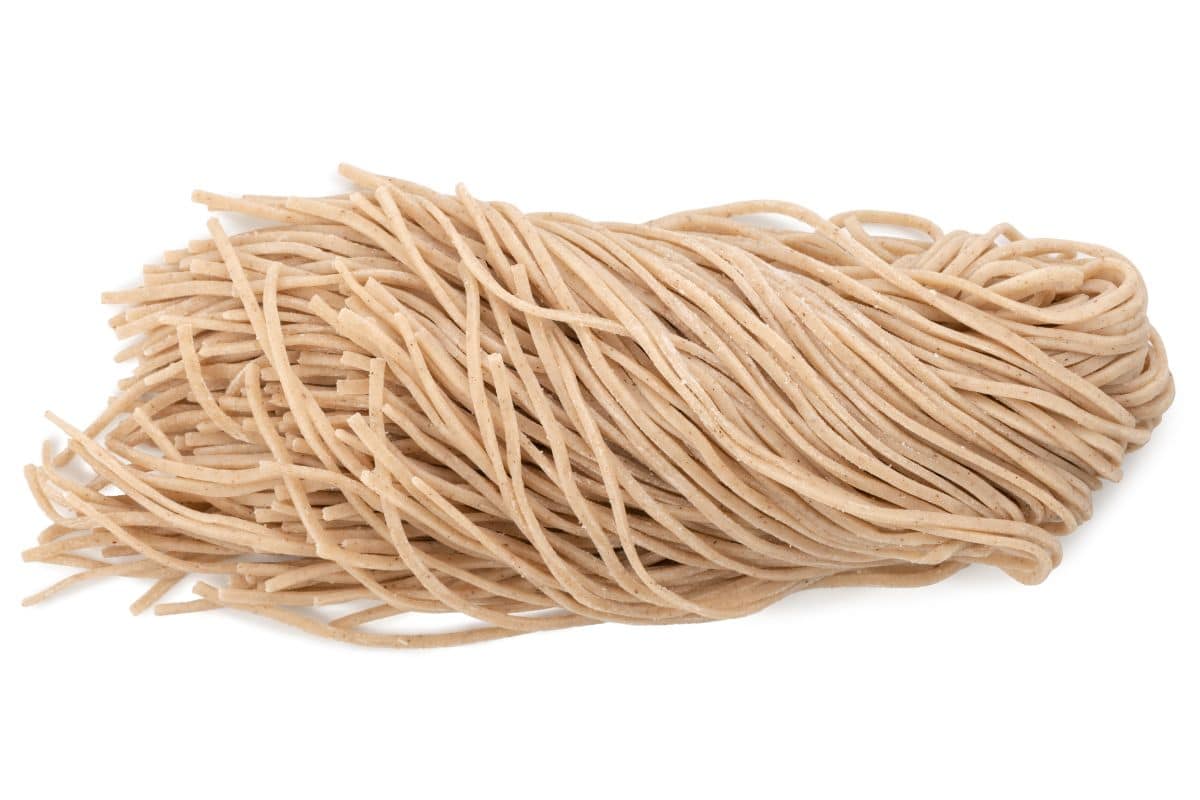
Origin and Description: Soba noodles are another uniquely Japanese noodle. They are thin, brown-gray noodles made from buckwheat flour or a combination of buckwheat and wheat flour. They have a nutty flavor, and are used in both hot and cold recipes.
What are Soba Noodles Used For? Soba noodles are used in Japanese-style soups or chilled with a dipping sauce. They are the go-to noodles in dishes like Zaru Soba and can also be used in stir-fries.
Somen Noodles
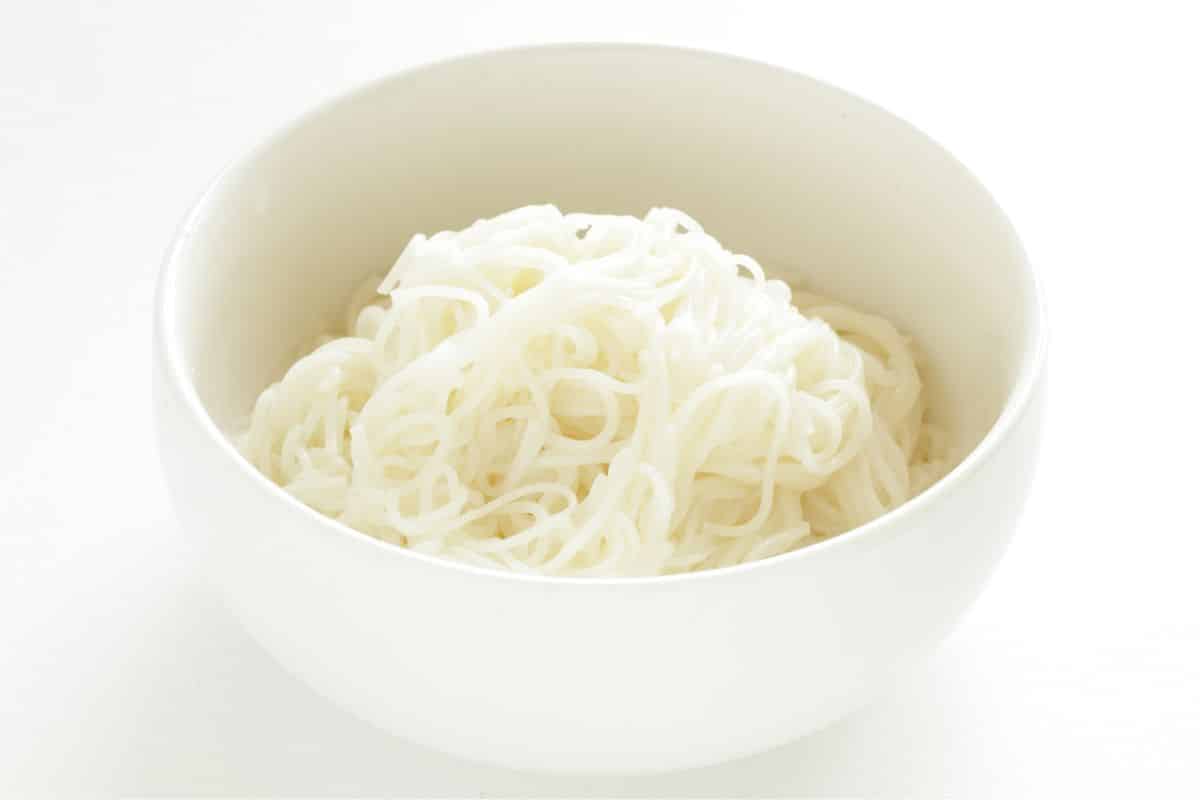
Origin and Description: Somen noodles are another distinctly Japanese noodle. Made of wheat, they are thin and white, and have been eaten in Japan for well over a thousand years. They are light, almost delicate noodles.
What are Somen Noodles Used For? They are often served cold with a soy-based dipping sauce called tsuyu. In Japan, the thinness of somen noodles is like a badge of honor among chefs, who are judged by their ability to make the noodles as thin as possible.
Tokoroten Noodles
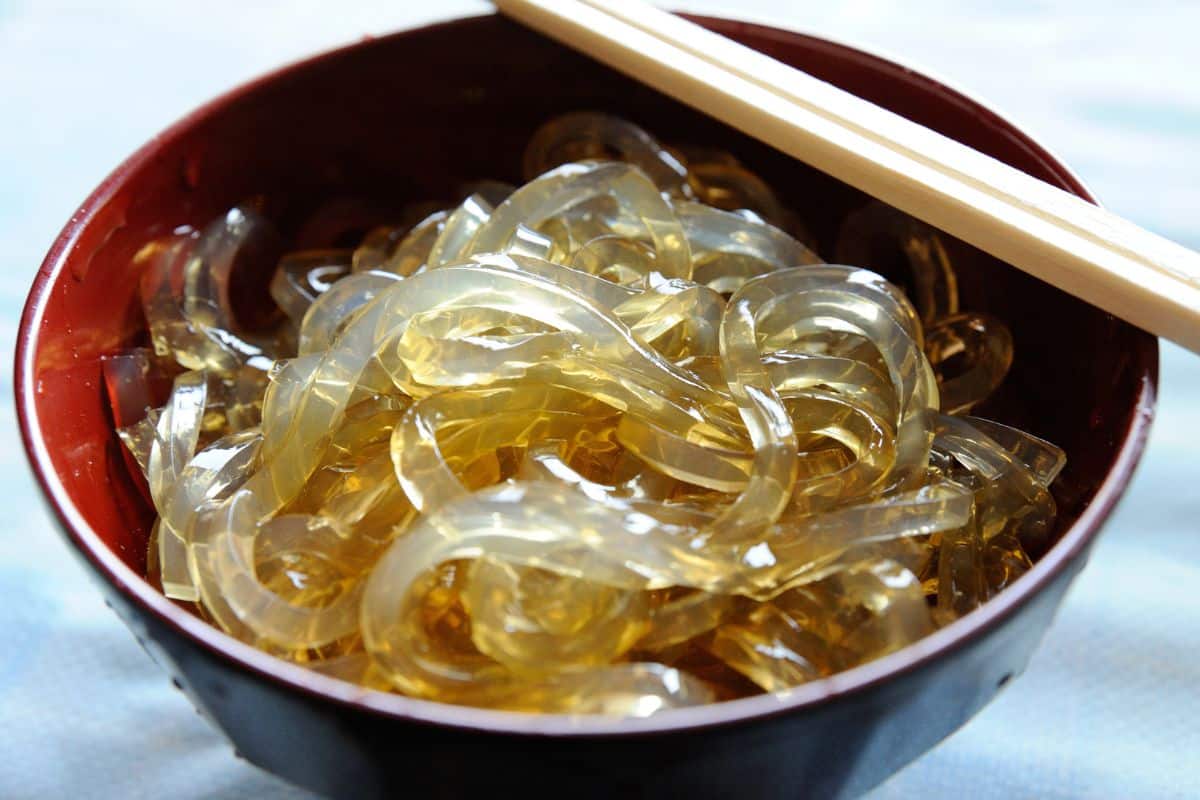
Origin and Description: Tokoroten is a type of Japanese noodle that was actually first made China. Tokoroten noodles are unique because they are made from tengusa, a type of seaweed. These gelatinous noodles have a mildly slightly sweet taste and chewy texture.
What are Tokoroten Noodles Used For? Tokoroten is often served cold with a soy-based dipping sauce. It is a low-calorie option among noodles, so it is a good option for those struggling with diabetes, trying to lose a few pounds, or even on a keto diet (in moderation).
Udon Noodles
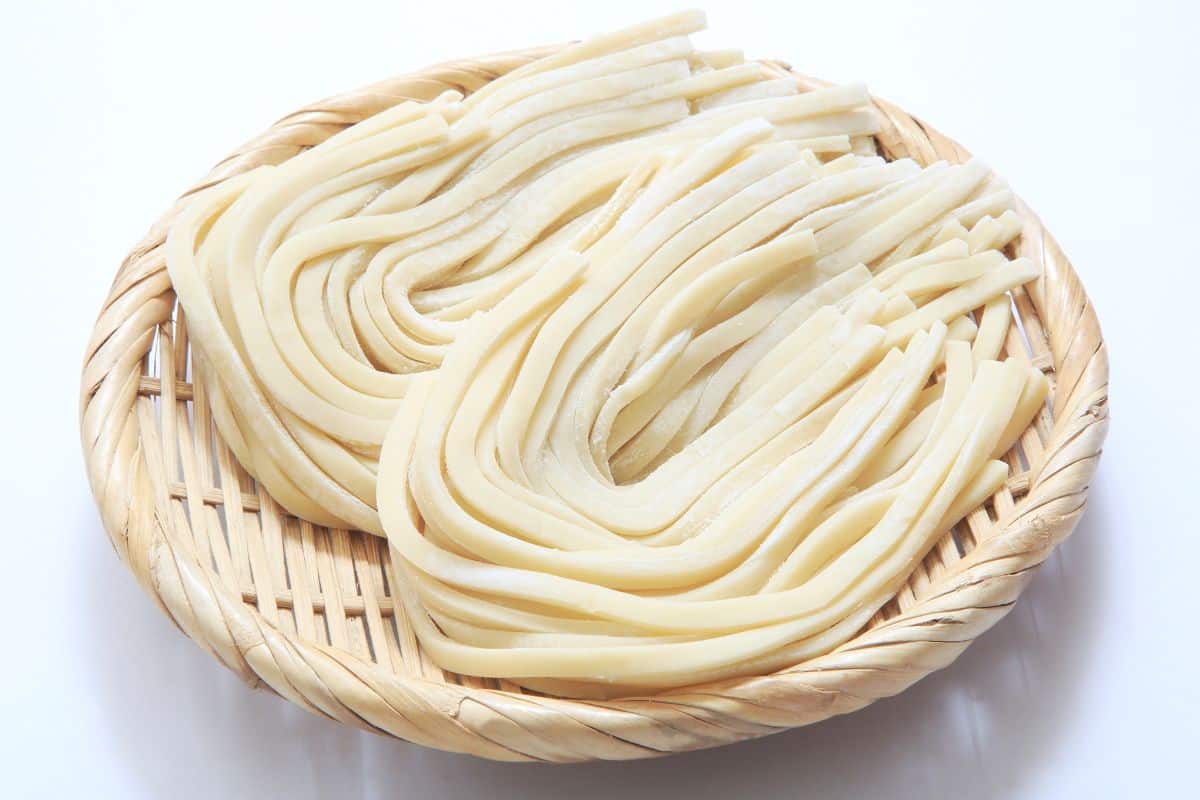
Origin and Description: Udon noodles are thick wheat noodles developed in China but associated with Japan after they hit that island in the 7th Century CE. They are white, thick, chewy noodles made from wheat flour, water, and salt. Depending on how they are made, they vary in thickness and texture from soft to firm.
What are Udon Noodles Used For? Udon noodles are used in soups, stir-fries, and hot pots. They can be served with just about any broth and with a variety of toppings, making them great in all sorts of Japanese cuisine. Give our kimchi udon noodles a try.
Vegetable Noodles
Noodles don’t have to be made from high-carb grain sources. If you are trying to cut some calories, limit your carbs, or just amp up the fiber, vitamins, and micronutrients in your diet, give any of these simple veggie substitutes a try.
Zucchini Noodles
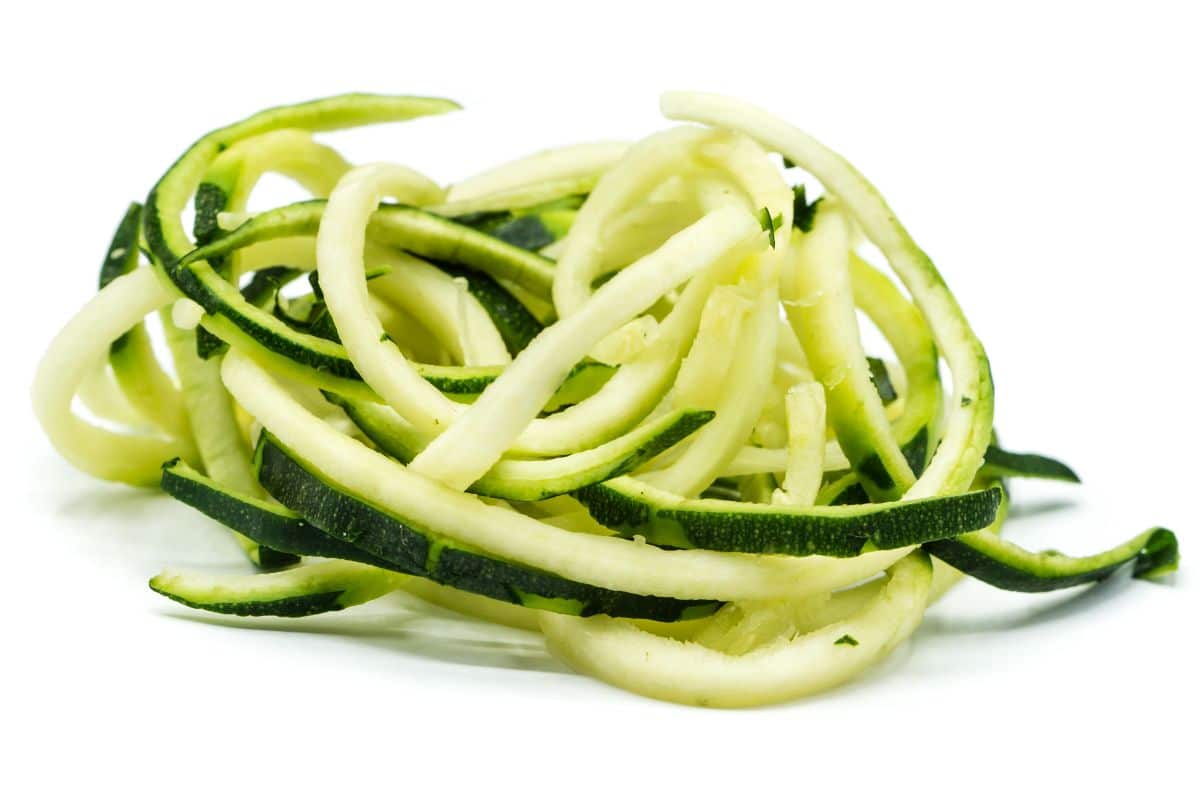
Zucchini noodles (Zoodles) started appearing in recipes a few years ago and for good reasons. They spiralize easily into noodles, have about 15% of the calories of grain-based noodles, and they take on the taste of whatever they are cooked with.
All you need is an inexpensive spiralizer if you want to make spaghetti or angel hair zoodles, or just use a mandolin or knife to make fettuccine or lasagna zoodles. If you are ready to try it, just follow our simple How to make zucchini noodles guide and give zucchini pasta with avocado pesto or perhaps a healthy zucchini noodle lasagna a try.
Carrot Noodles
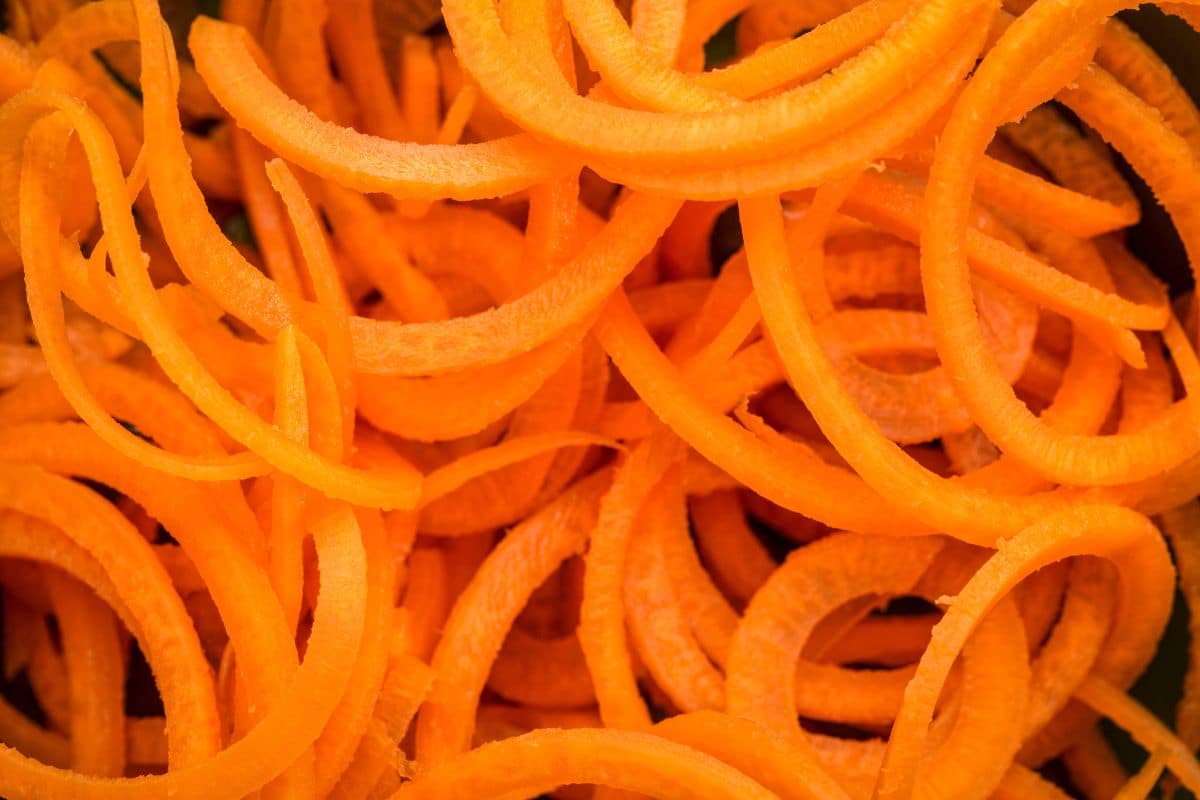
Carrol noodles are really easy to make. Just use a carrot peeler, but don’t stop at removing the outer skin. Peel them as thickly as possible. If you want some tips check out our guide to cutting carrots. We like carrot noodles best in Asian recipes. Give Asian carrot noodles a try.
Sweet Potato Noodles
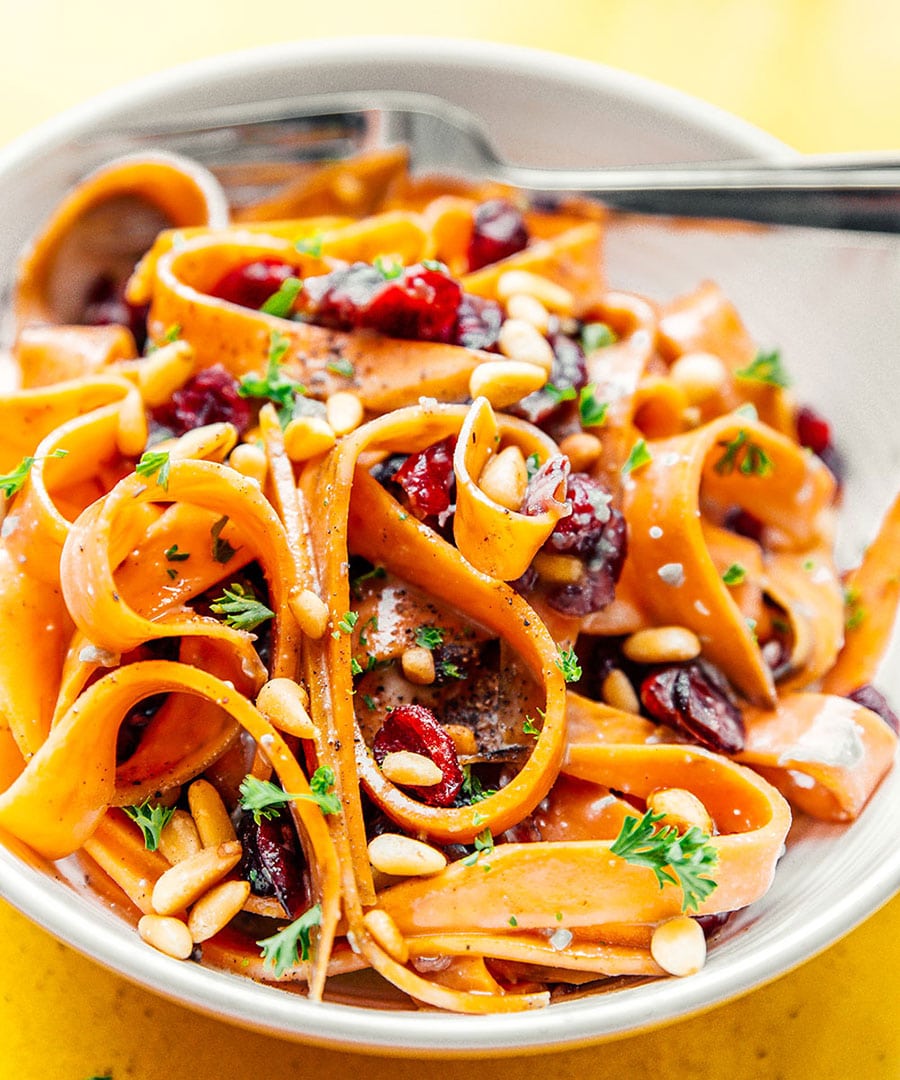
Sweet potatoes make great fettuccine noodles. Just use a mandolin to get them good and thin, though a knife will work in a pinch. Most spiralizers won’t be strong enough for hard potatoes, but it is possible if you microwave or boil them just briefly first. We prefer, however, to briefly saute the mandolin-cut “noodles” with a splash of oil until they’re slightly tender. Give it a try in this well-tested sweet potato fettuccine.
Asparagus Noodles
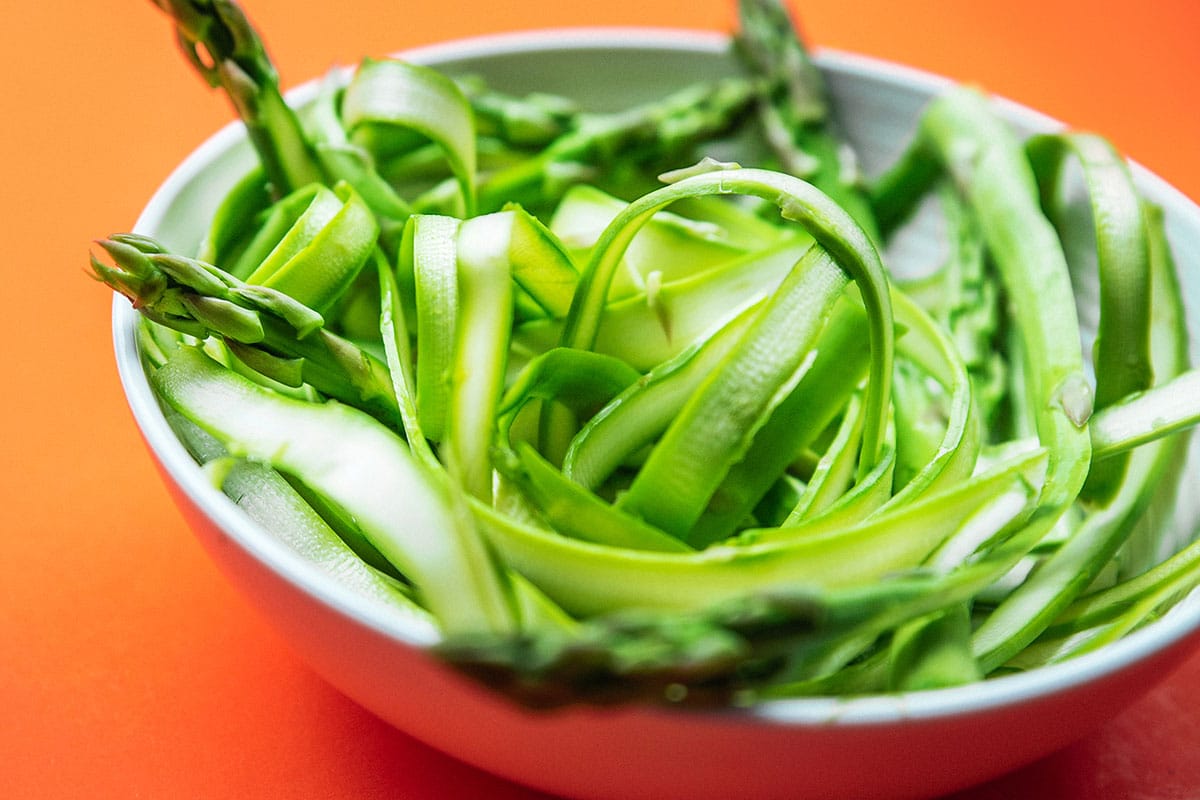
Asparagus noodles are best made with a vegetable peeler. Use it to shave the asparagus into long strips, moving from the tip to the bottom. This can take a few tries to get right, but you’ll get there! We don’t like to boil asparagus noodles. Just cook the asparagus noodles very briefly in a pan. Heat oil in a large saute pan over medium/high heat, then add asparagus. Cook them, tossing frequently, until they are bright green and slightly tender Should only take 1 to 2 minutes. Check out our guide to Asparagus noodles for exact instructions and tips.
Butternut Squash Noodles
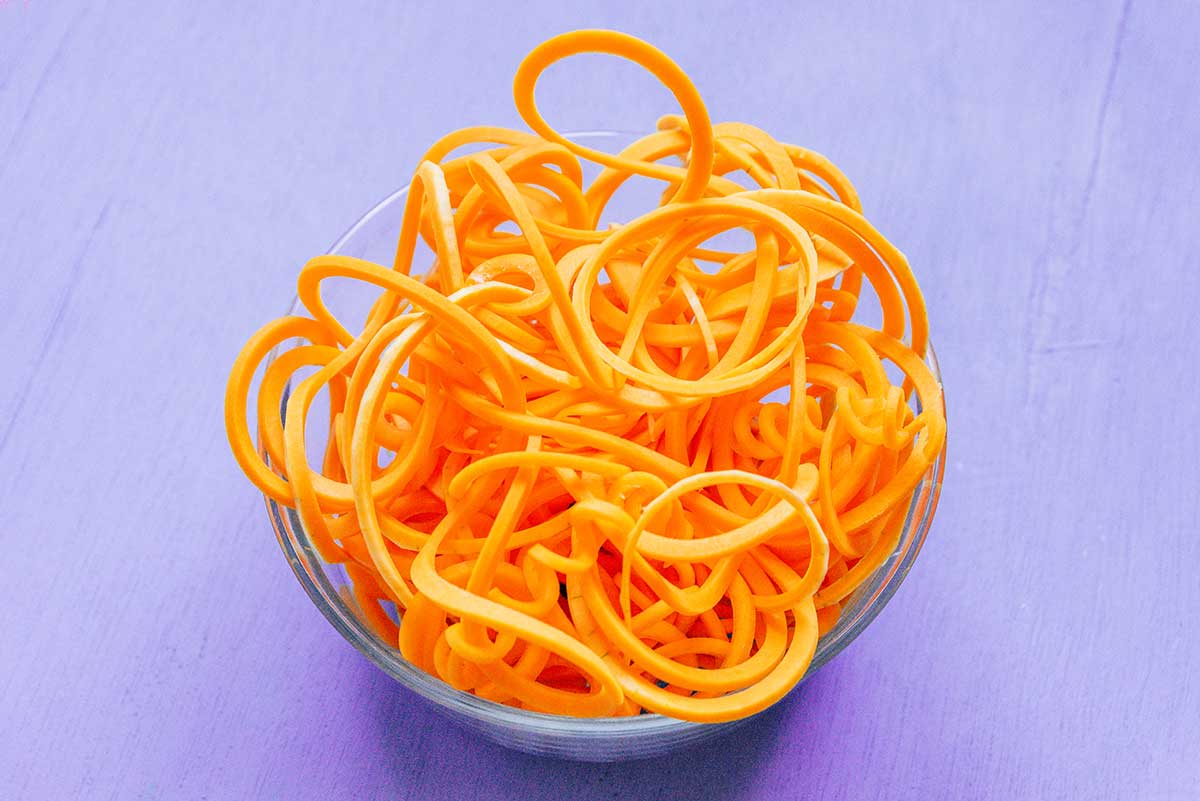
This is another great option for your spiralizer. Peel the squash, cut it in half, and get spiralizing. We have all the instructions for spiralizing in this Butternut squash pasta guide, and also our favorite spiralized recipe.
Spaghetti Squash
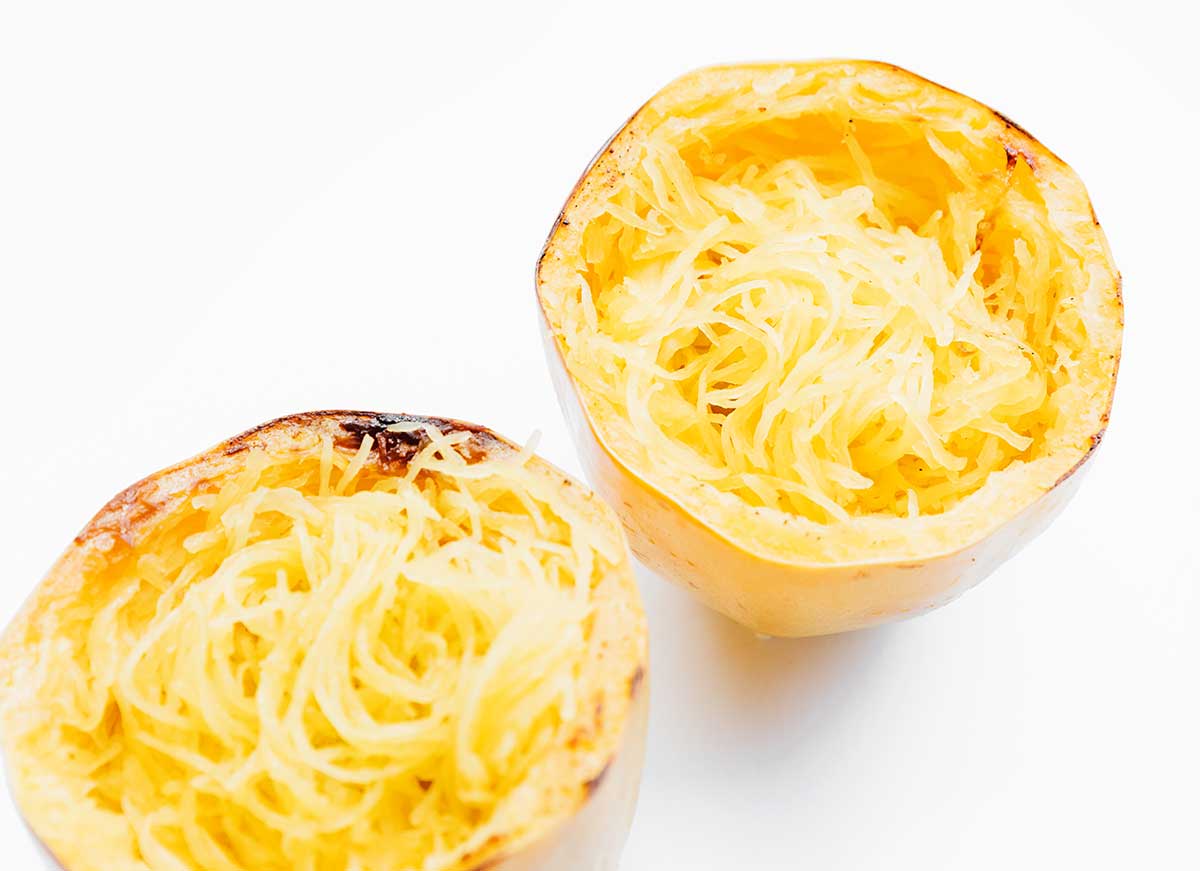
Spaghetti squash pretty much comes out of its skin as a faux noodle with the size and consistency of angel hair pasta. It makes an easy and very healthy pasta/noodle substitute. Give any of our 8 favorite spaghetti squash recipes a try.
Nutritionally, spaghetti squash doesn’t pack the same heavy dose of fiber, vitamins, and minerals as the other veggie noodles, but hey at only 20% of the calories you get out of ordinary noodles, you can’t go wrong. Below is a chart comparing the nutritional content of 8 ounces of spaghetti squash to 8 ounces of egg noodles.
This wraps up our look at 20 different types of noodles. We hope you found the noodle you are looking for, and by all means, give some of the veggie substitute noodles a try!


