

This post contains affiliate links.
Dive into the sweet debate between dates and figs! Discover the unique flavors, textures, and culinary uses of these popular dried fruits. Learn how dates and figs differ nutritionally and how to best incorporate them into your recipes for a delicious twist.
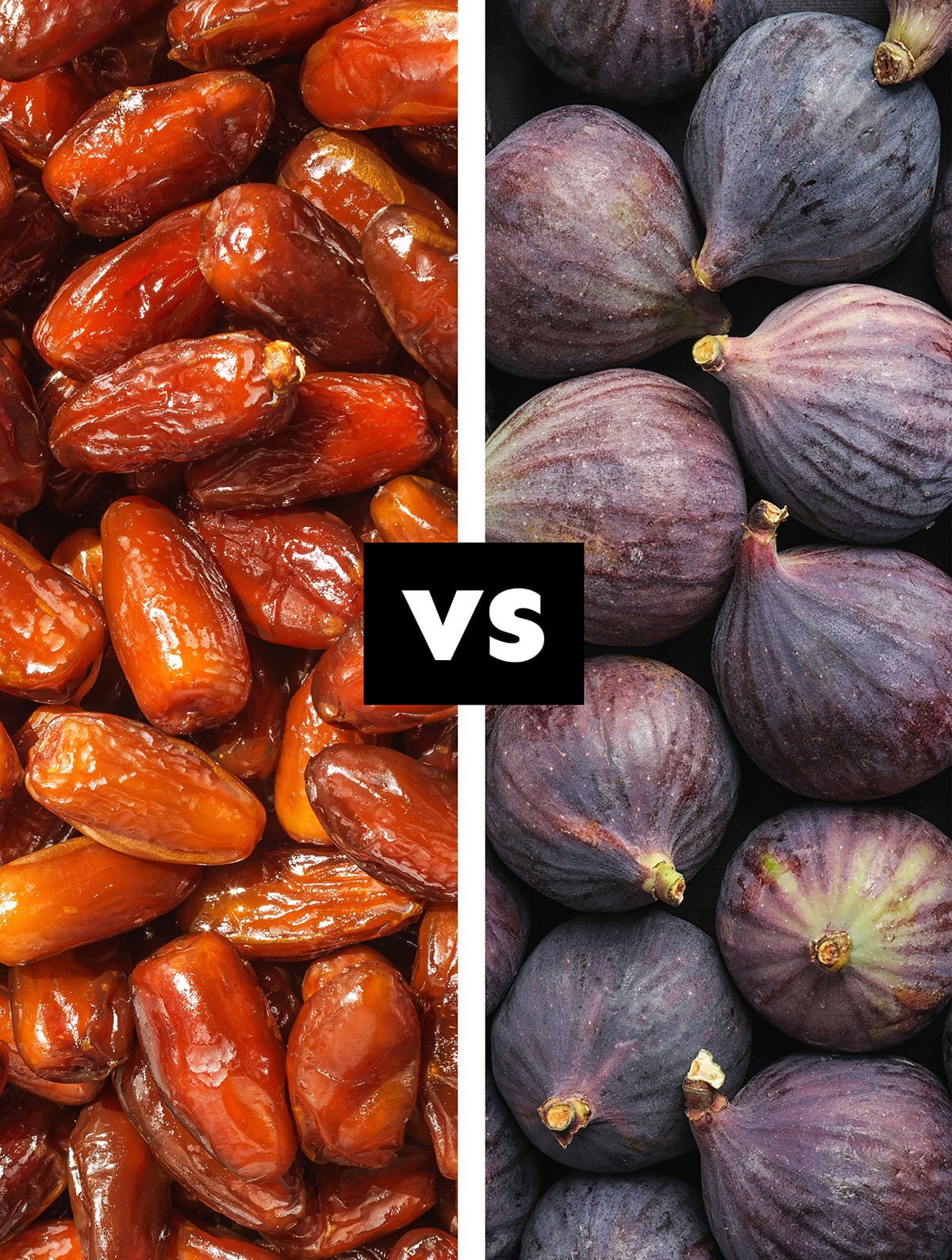
Are Dates and Figs the Same Thing?
No they are not, but the difference between figs and dates is less than the similarities. They are both super sweet fruits that have been cultivated for thousands of years. Both can be used as natural sweeteners in a whole lot of ways, and both are enjoyed around the world.
They are, however, different in some other ways – like calorie and nutrition content, and storability.
What Are Dates?
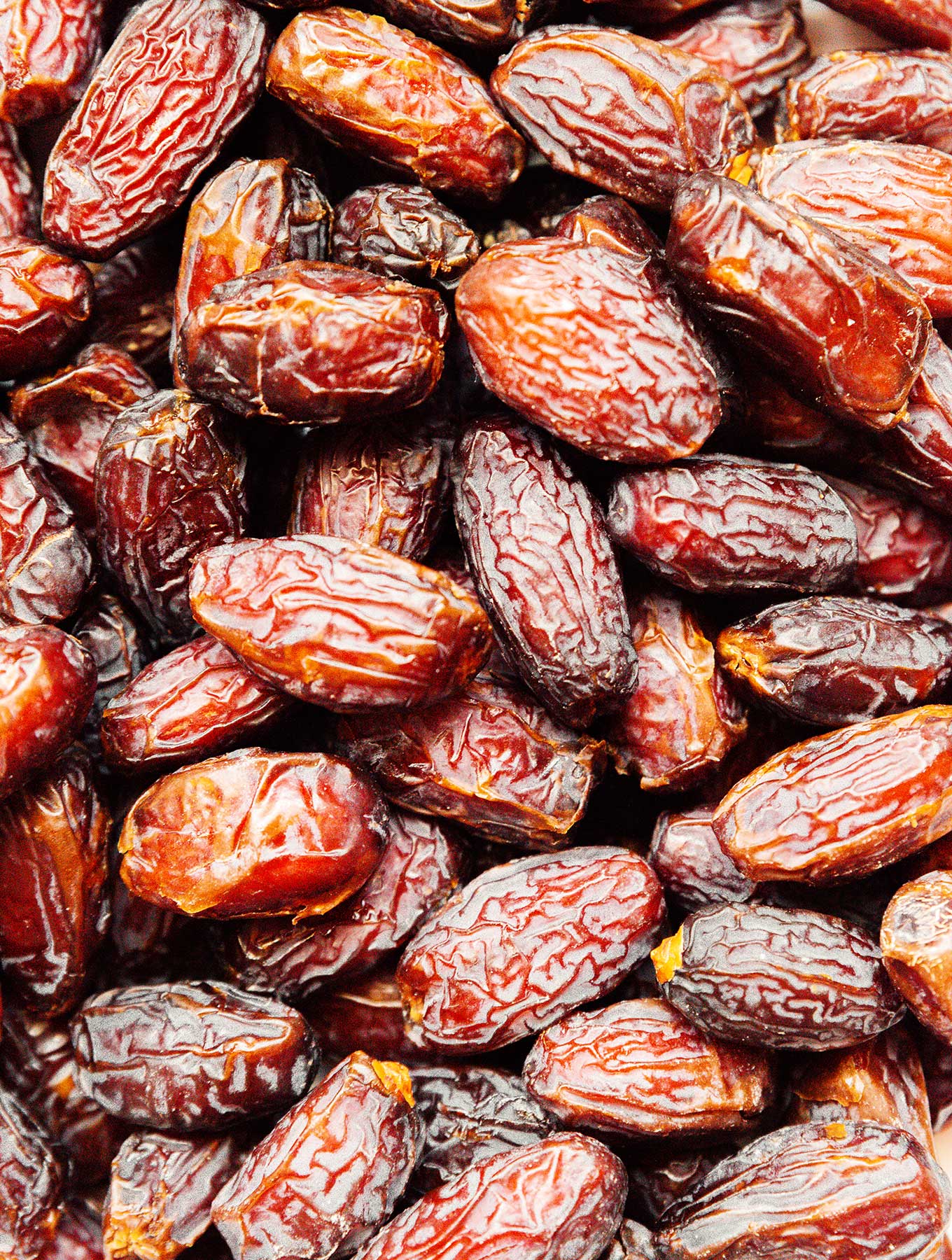
Dates are stone fruits. This simply means they have a single seed surrounded by an outer fleshy fruit (like peaches, plums, and mangoes). They’re grown on date palm trees in big bunches of hundreds of dates, and are an ancient fruit. Fossils of dates 50 million years old have been found, and early people likely ate them growing wild long before they were cultivated.
They were likely first cultivated in Mesopotamia and North Africa thousands of years ago, and remain an important staple there today. Dates were the ultimate food for nomadic people as they stay fresh a long time, and their calorie-dense nature allowed people to easily carry weeks of rations with them on journeys. Egypt is the largest producer of dates today, followed by most other Middle Eastern and North African nations. Date palms thrive in hot and arid climates making these regions, as well as much of California and Arizona, ideal places to grow nature’s little sugar babies.
What Do Dates Taste Like?
Naturally sweet and chewy! They are the perfect natural sweetener. They have a wonderful rich caramel flavor that can be described as something like honey, molasses, or both. Dates are oval shaped with a heavily wrinkled skin looking rather like prunes. They are typically dark brown to golden yellow. They can range from moist to a bit dry depending on how ripe they are, but are always chewy.
Date Varieties
There are many varieties of dates, but these are some of the most popular!
Medjool Date
Medjool dates are arguably the world’s favorite date. They are native to Morocco and were introduced to the United States in the 20th century. They are now primarily cultivated in California, Arizona, and the Middle East. Medjool dates are known as the King of Dates or Nature’s Candy for their large size, sweetness, and rich flavor. They are often enjoyed on their own as a natural dessert or used in various sweet recipes, such as date bars, energy bites, and stuffed dates with nuts or cheese.
Deglet Noor Dates
These dates originated in North Africa, particularly in Algeria and Tunisia. They are also commonly grown in the United States, Egypt, and other Mediterranean countries. Deglet Noor dates are semi-dry and have a slightly translucent appearance. They are often used in baking, added to cereals or oatmeal, and used as a natural sweetener in beverages.
Zahidi Dates
Zahidi dates are believed to have originated in Iraq and are now grown in various Middle Eastern countries, as well as California. Zahidi dates are medium-sized with a golden color and firm, chewy texture. They aren’t as sweet as some other varieties, and are commonly consumed as a snack, added to salads, or used in traditional dishes like date-based rice dishes.
Storing Dates
Store your dates in an airtight container in the fridge for up to a year! Even at room temperature they will last a few months. How do they stay fresh so long? Well, dates have the lowest moisture content of just about any fruit. In effect, they are naturally dehydrated. As they age, the sugar that makes them so sweet will come to the surface and appear on the skin as little white spots. This is not mold! Don’t worry about it.
Cooking with Dates
Dates are the ultimate natural sweetener adding both sweetness and texture to a variety of both sweet and savory recipes. They are great in desserts like:
- No Bake Chocolate Fudge
- Cranberry Bliss Bites
- Chewy Date Cookies
- Salted Date Caramel
- Homemade Larabars
- Or, try something a little more savory like Roasted Dates Stuffed with Goat Cheese
Date Health Benefits
For a fruit this sweet, dates are pretty nutritious. They are a good source of fiber, potassium, iron, and antioxidants. Eating dates can help improve digestive health, lower cholesterol levels, reduce inflammation, and support healthy brain function. They also have a low glycemic index, so while loaded with natural sugars they do not cause the steep insulin spike you might expect from such a sweet fruit.
What Are Figs?
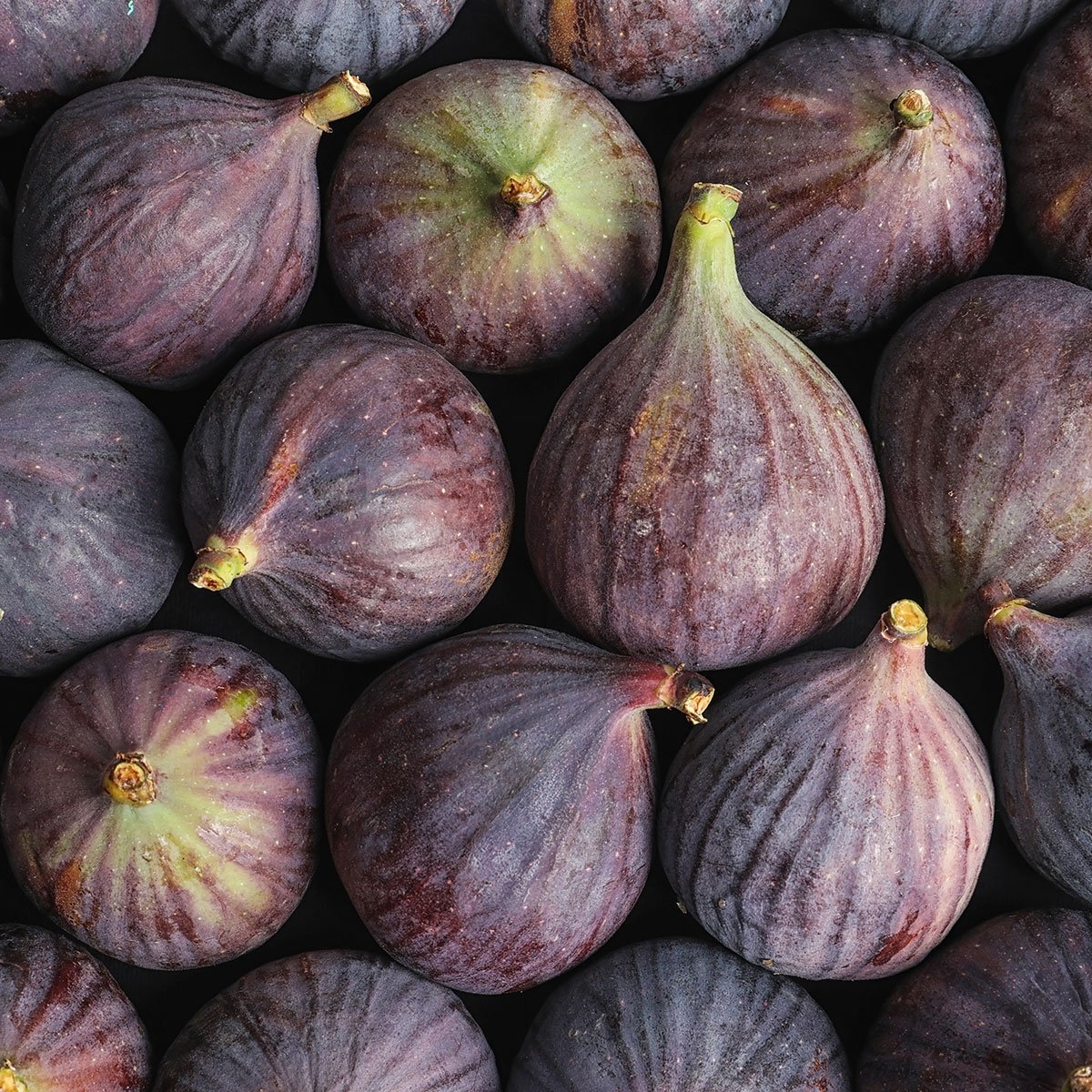
The other half of our fig vs date discussion is the humble fig. Like dates, figs are ancient fruits, and are believed to be one of the oldest cultivated fruits. They originated in the Middle East, particularly in the region that includes modern-day Iran and Iraq. Figs have been cultivated and enjoyed by various civilizations throughout history, including the ancient Egyptians, Greeks, and Romans. Today, they are grown in many regions around the world, including the Mediterranean, Middle East, California, and parts of Asia. They thrive in warm climates with well-drained soil.
Harvesting figs is not as simple as harvesting many other fruits. They do not continue to ripen once picked, so they need to be dried, canned, or immediately shipped fresh to markets as they are picked at the peak of ripeness. They also damage easily, so care in handling is important. This makes them a bit more expensive than many other fruits, but to many they are more than worth it.
What Do Figs Taste Like?
Figs, a member of the mulberry family, are naturally sweet due to their high sugar content. Their thin edible skin covers a soft chewy flesh filled with small seeds that are part of what makes them chewy. Figs have an unusual shape with a wide bulbous base that tapers up to the neck. The color can range from green to almost black and varies among the different fig varieties.
The flavor of figs varies with each variety, but is almost always very sweet and honey-like. Their thin skin can be found covered in a light fuzz, and when ripe the skin becomes markedly wrinkled. This is when you want to pick or purchase them. Choose figs that are smooth with unbroken skin which should be soft but not mushy. If a fig smells at all sour, it has started to ferment. Skip it.
Types of Figs
There are around 800 distinct varieties of figs, but many of these are slight variations or hybrids of other types. Here are some of the most popular types of figs (our comprehensive guide to types of figs here).
Adriatic Figs
These figs come in various colors, including green, yellow, or even light purple. They have a delicate, sweet flavor and a tender skin. These figs are commonly used for drying and making fig bars and other confections.
Atreano Figs
This fig has a light green skin and is typically smaller in size. They have a honey-like sweetness and a unique, fruity aroma. These figs are commonly used for fresh consumption, but they can also be dried.
Black Mission Figs
This is one of the most common and recognizable types of fig. They have a dark purple or almost black skin and a deep, rich flavor. They are often sweet and slightly tart. Mission figs are great for eating fresh, but they’re also used in jams, preserves, and baking.
Black Madeira Figs
Black Madeira figs are often said to be the best tasting fig readily available in the USA. Its flavor is intensely sweet with complex berry and caramel notes. The figs are medium to large in size and have a dark purplish-black skin.
Brown Turkey Figs
Brown Turkey figs are another fig commonly found in American grocery stores. They are medium-sized with a light brown or purple-brown skin. They have a milder, sweeter taste compared to Black Mission figs. They are often enjoyed fresh or dried, and they’re also suitable for making jams and other preserves.
Calimyrna Figs
These figs are larger in size and have a pale greenish-yellow skin. They have a nutty and lightly sweet flavor with a hint of vanilla. These figs are often enjoyed fresh, dried, or used in salads and cheese platters.
Storing Figs
We said that you can store dates for a year in your fridge or months in the pantry. This is NOT the case with figs. If you don’t use them right away, put them in a plastic bag and in the refrigerator, but only for a few days. If you don’t think you will use them soon, freeze them. In a sealed container, they should last for months frozen. Dried figs will last substantially longer, up to a month at room temperature and 6-12 months refrigerated.
Cooking With Figs
Figs are great eaten fresh either out of hand or sliced into a fruit salad, as a topping for cereal or oatmeal. Consider using figs as a natural sweetener in your morning smoothie. They will add both sweetness and texture to your workout drink.
You can use figs in a variety of delicious jams, preserves, and spreads. You can also take advantage of their natural sweetness to make cakes, muffins, and all sorts of pastries.
Don’t limit your use of figs to only desserts! They are a great add to any cheese platter or charcuterie board where they pair well with goat or blue cheese.


