

This post contains affiliate links.
With so many types of figs, we wanted to share an in-depth guide to 17 different types of figs for making one of the many Live Eat Learn fig recipes. From the Florentine fig to the gold fig, you’re sure to find the exact one you need!
Origin of Figs
Figs are a very old fruit, like thousands of years old (per fossil evidence). They originated in Mesopotamia and Persia (modern-day Iraq and Iran) probably around 9,000 BCE. Figs were popular in ancient Egypt, where they were considered a sacred fruit associated with fertility and prosperity.
As trade routes developed, the cultivation of figs spread to other parts of the Mediterranean, including Greece and Rome. Once the Romans started planting figs, they spread with the Roman army’s conquests. And with the “discovery of the New World,” it was only a matter of time before figs reached the Americas.
Fig Varieties
Adriatic Fig
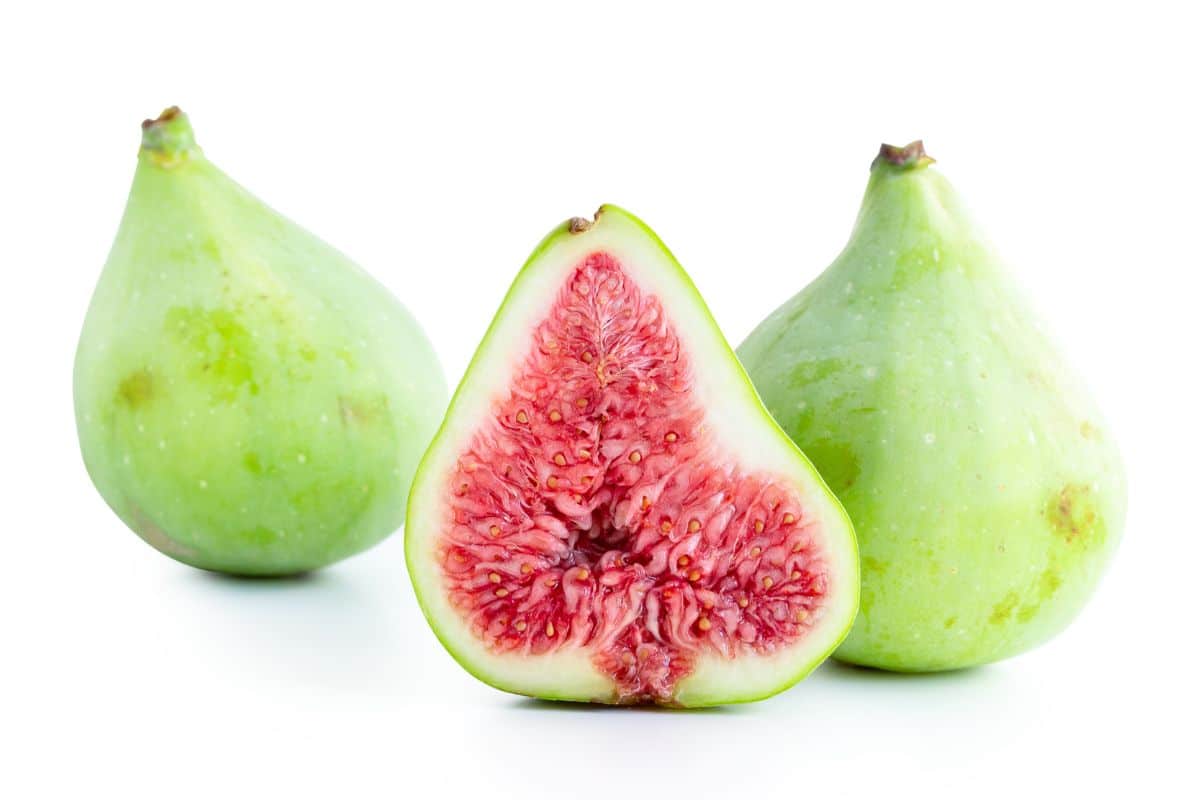
The Adriatic fig is native to the coastal areas around the Adriatic Sea (West of the Italian boot). It is now grown heavily in California, so we can easily get it in the USA. It has a pale green to yellowish skin and a pinkish pulp. It is a medium to large fig with a distinct teardrop shape. Its flesh is succulent and sweet, with a honeyed flavor.
Due to its sweet flavor, the Adriatic fig is a good one to just eat fresh, either on its own or as part of a fruit salad. It pairs really well with mild cheeses, complimenting both the sweet and savory components of a charcuterie board. Additionally, its honey-like sweetness makes it a popular choice for jams and preserves.
Black Mission Fig
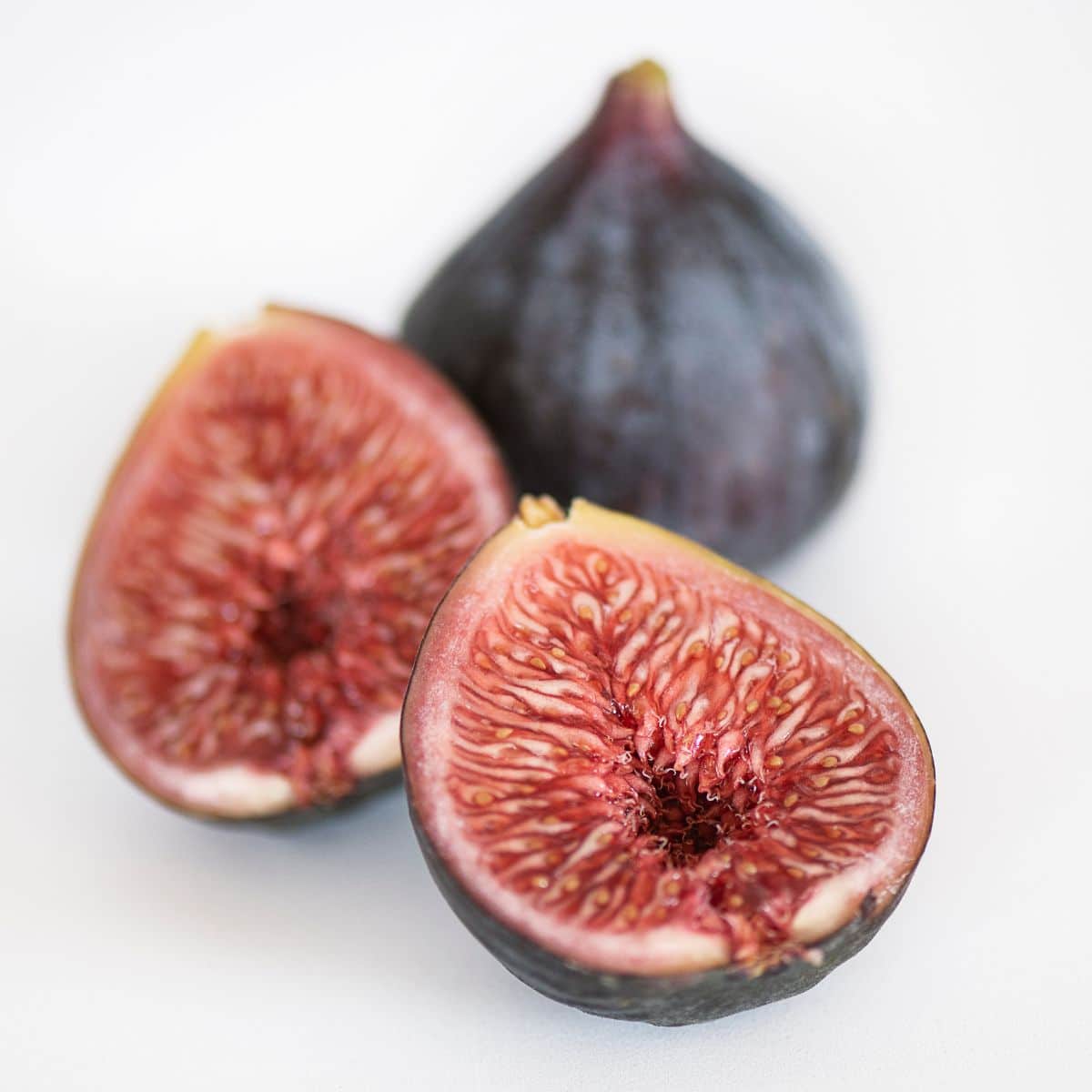
The Black Mission fig, originally from Spain, made its way to North America with Spanish missionaries in the 18th century. This is probably the most popular fig in the USA as it is often considered one of the best-tasting figs. You can spot it at the grocery or farmer’s market by its small to medium size and dark purple to black skin.
The mission fig’s pink to red pulp is quite sweet, dense, and chewy, which is what people most like in this fig. Understandably they are a favorite for eating fresh. Their sweetness, however, also pairs well with robust cheeses like blue cheese or goat cheese.
We believe this is the primary fig variety used in Fig Newtons (Nabisco likes to keep the type of fig they use hush hush). Side note, did you notice that they changed the cookie’s name to just Newtons back in 2012? How can I even trust they have figs in them anymore?? Just kidding – I’m pretty confident they are fig!
Brown Turkey Fig
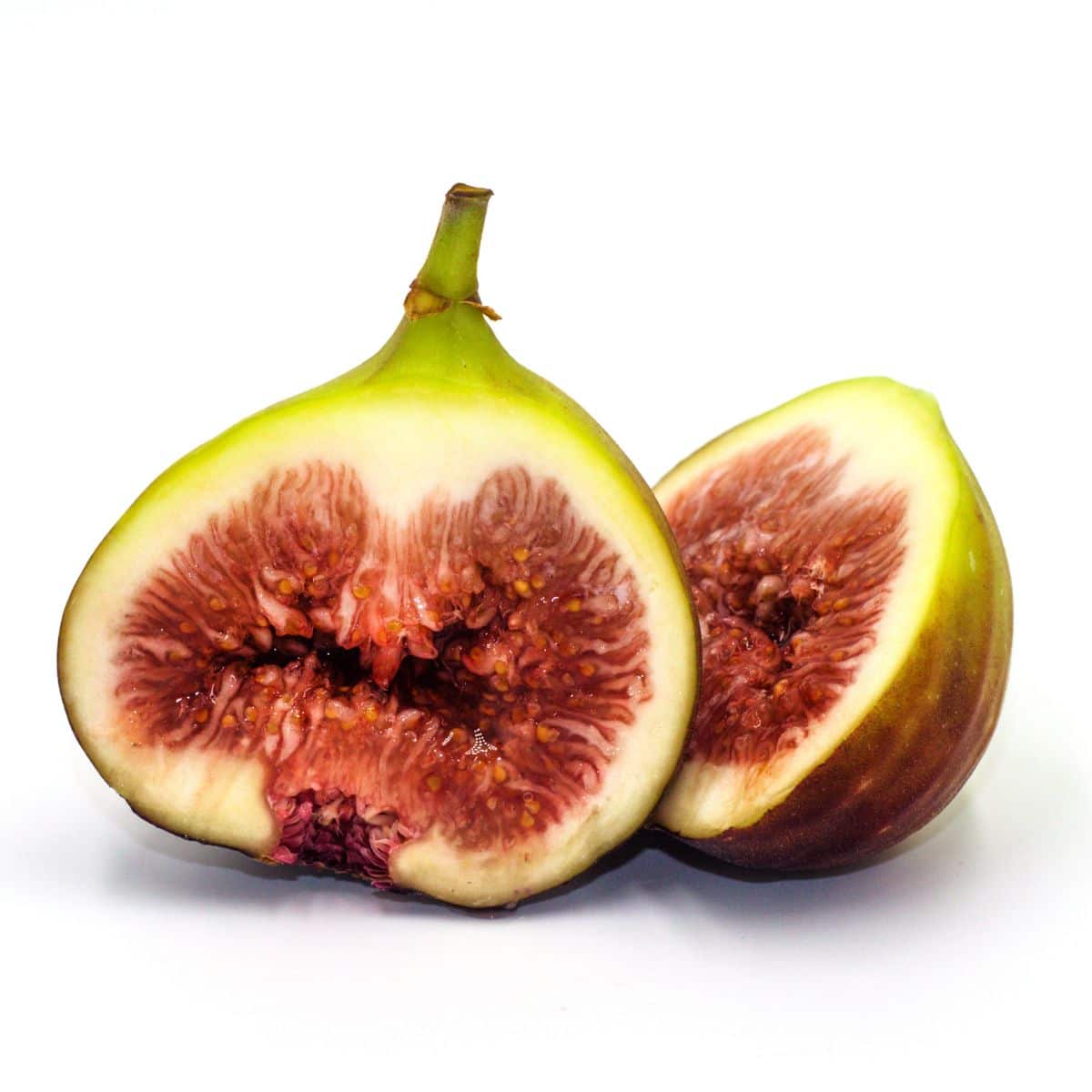
Like so many other figs, this one hails from the Mediterranean region. If you were considering planting a fig tree, this is your lady. It is pretty resilient growing in all sorts of soil and producing two crops a year.
These are medium to large figs with brownish-purple skin and a pinkish interior. The flavor is a mix of sweetness and mild acidity. The skin is thicker than other fig varieties, giving them a good chewy texture. This fig can really be used in about any recipe that calls for figs.
Calimyrna Fig
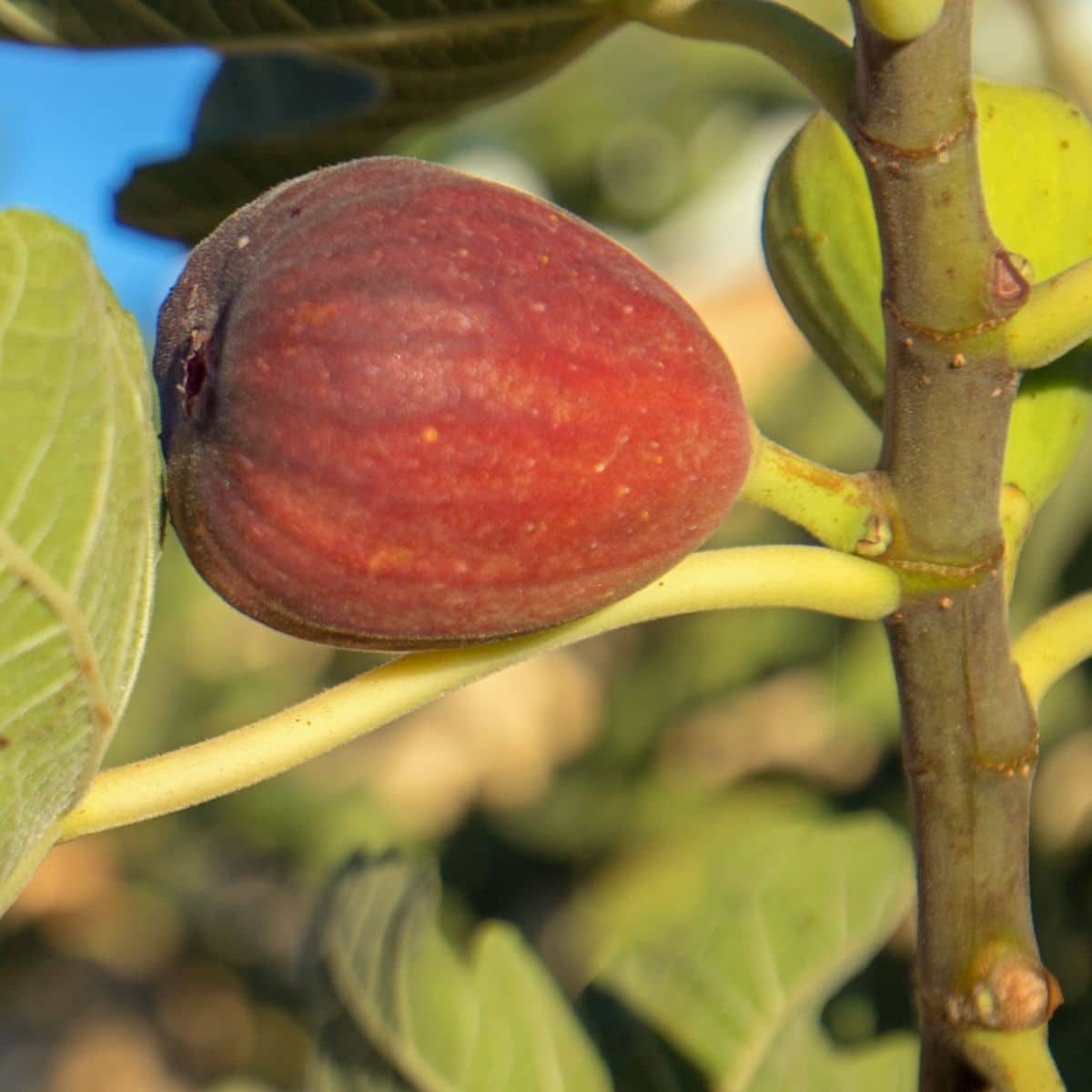
The Calimyrna fig comes from Turkey but was introduced to California in the late 19th century. They are large figs with an amber skin. The flesh has a pale golden hue, a pretty chewy texture, and a nutty, honey-like sweetness.
Their texture and flavor make them a popular variety. They are great, just eaten fresh or cut into green or fruit salads. The natural sweetness of Calimyrna figs pairs well with both savory and sweet recipes. They can be used in desserts like tarts and cakes, with cheeses, in chutneys, or grilled with meats.
Celeste Fig
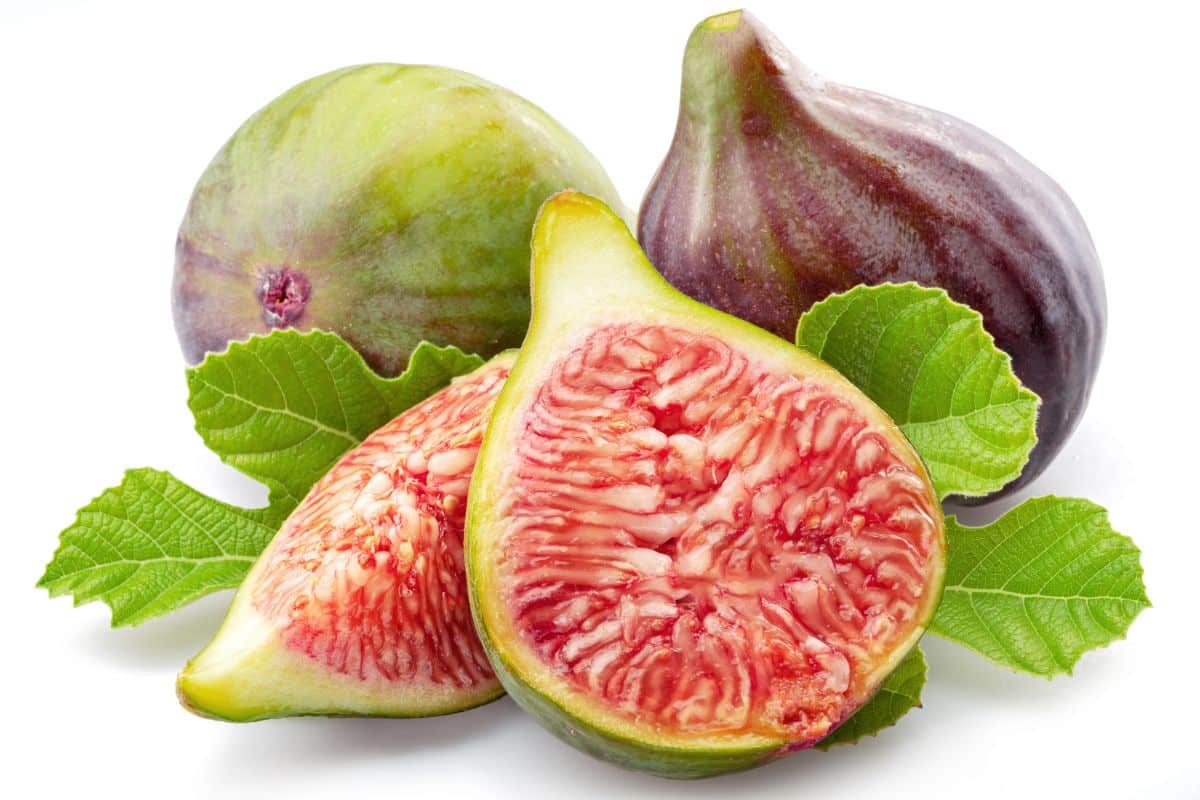
The Celeste fig, also known as the “Sugar Fig,” is grown heavily in Georgia and Louisiana. These smaller figs have light brown to violet skin and pale pink pulp. They are another sweet fig with a honey-like flavor.
Celeste figs are eaten fresh, either on their own or sliced and added to salads. Their sweetness makes them good in desserts such as pies, preserves, and jams. These figs pair exceptionally well with cheeses, making them an excellent choice for cheese platters. Additionally, they often dried into snacking figs.
Conadria Fig
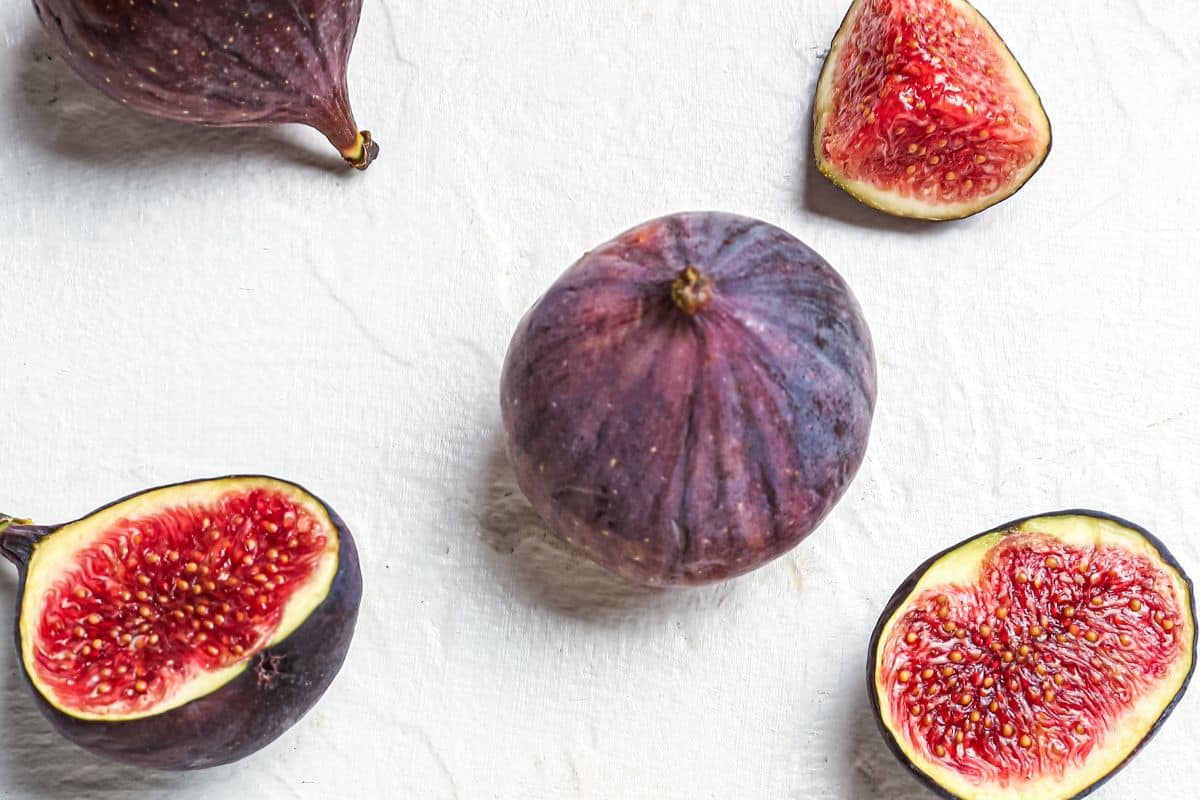
The Conadria fig originated in Italy and later found a new home in California. These figs are medium—to large-sized fruits with a greenish-yellow skin that is thinner than most other figs. The pinkish flesh is tender and sweet, with a typical fig hint of honey in its taste.
Conadria figs are excellent for both eating fresh and in the kitchen and are used in your best culinary creations like tarts and cakes. They also pair well with yogurt, cheeses, and charcuterie boards, as they have a nice balance of sweetness and acidity.
Desert King
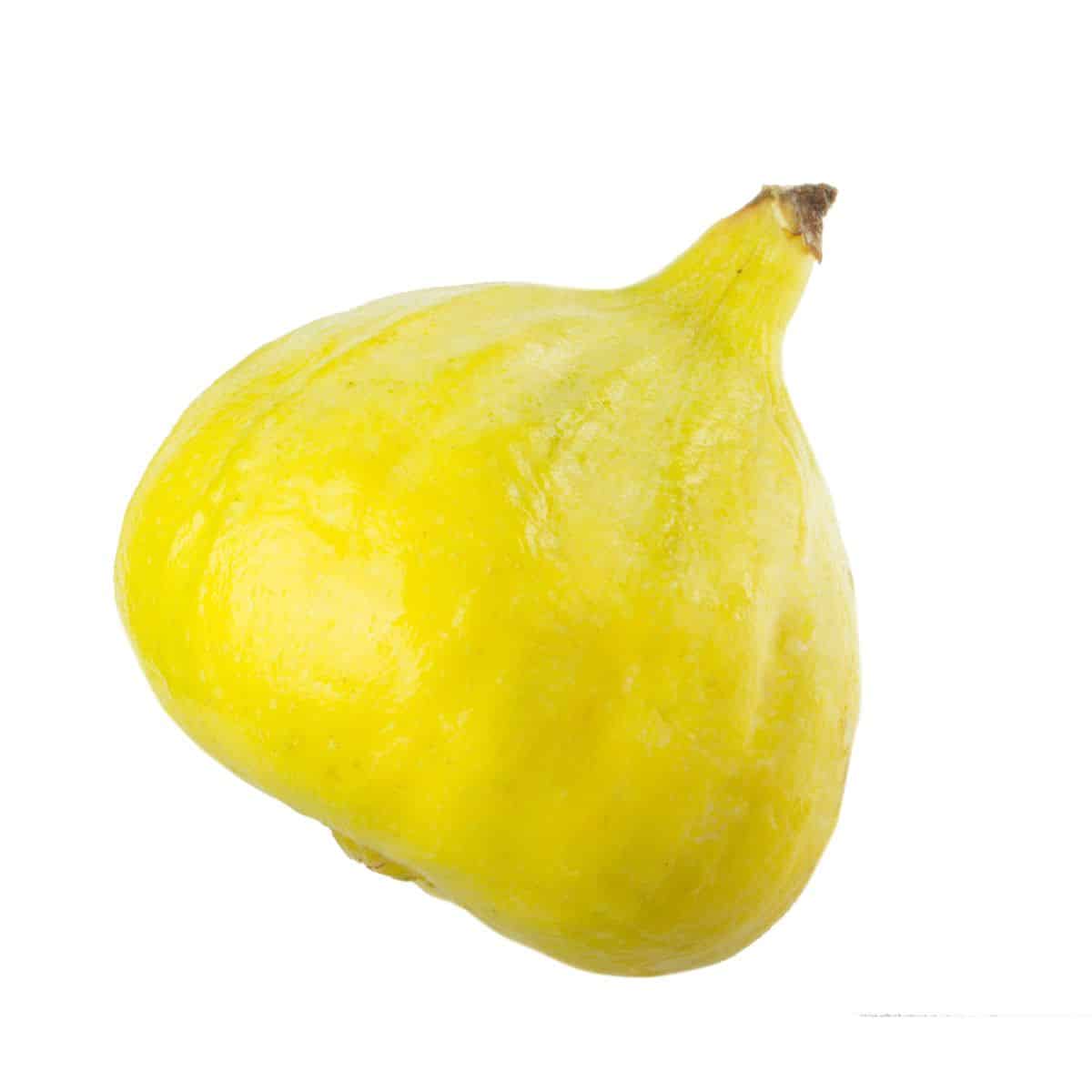
The Desert King is an unusual fig in that it originated in California in the 1920s. Fruits often do this. They develop natural hybrids of different varieties to form new ones.
As the name would suggest these are big figs. They have greenish-yellow skin, which often blushes with hints of purple when fully ripe. The flesh is typically pink, and the fruit has a luscious, honey-like sweetness. They aren’t quite as chewy as many other figs and fairly juicy.
They can be eaten fresh, dried, sliced into salads, or paired with cheese. We recommend grilling them, as they caramelize nicely. You can pretty much use this fig for anything.
Hardy Chicago Fig
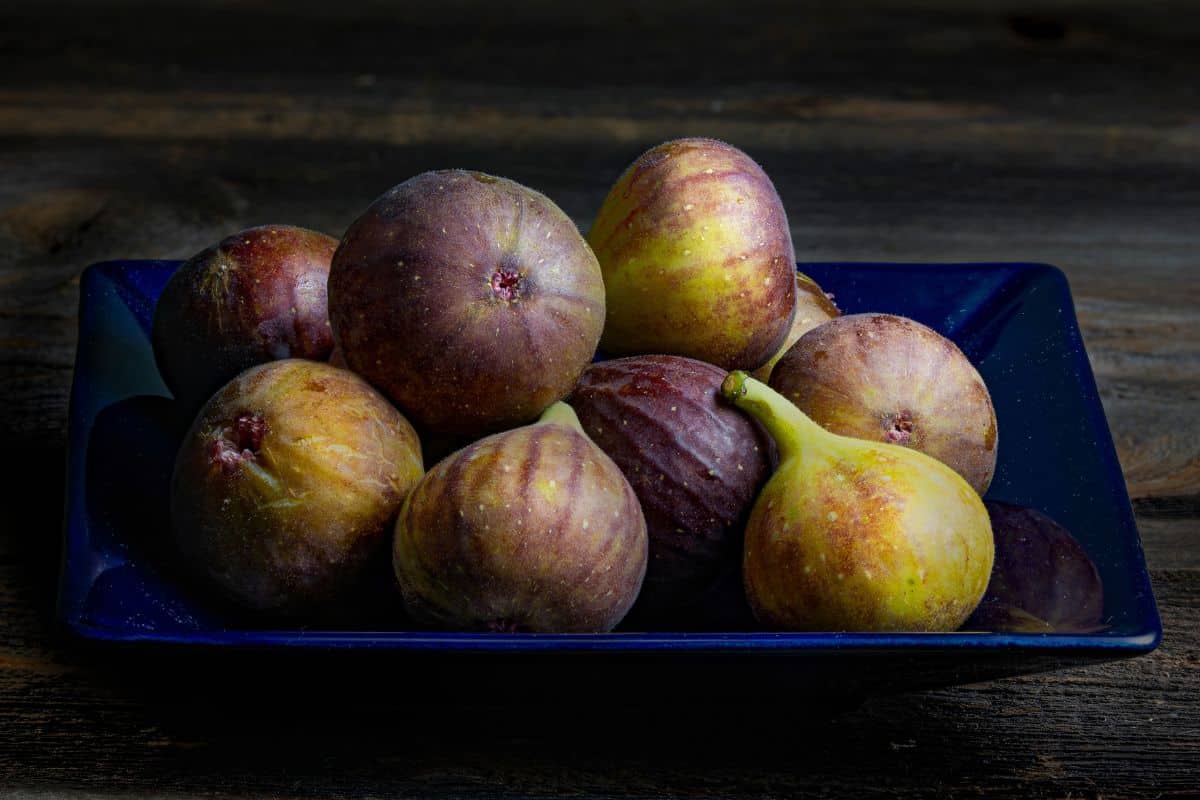
Hardy Chicago figs are actually from the warm regions around the Mediterranean. Their odd name comes from their ability to grow in cold climates with harsh winters. Sounds like Chicago to us.
These figs are medium-sized with a brownish-purple skin that deepens as the fruit ripens. The flesh is a rich pink to deep red, offering a nice contrast to the darker skin. They are sweet and have hints of both berry and honey. Like most figs, they are wonderfully chewy.
These figs are excellent for both fresh consumption and baking. They can be sliced and added to salads, used in preserves and chutneys, or eaten on their own.
Florentine Fig
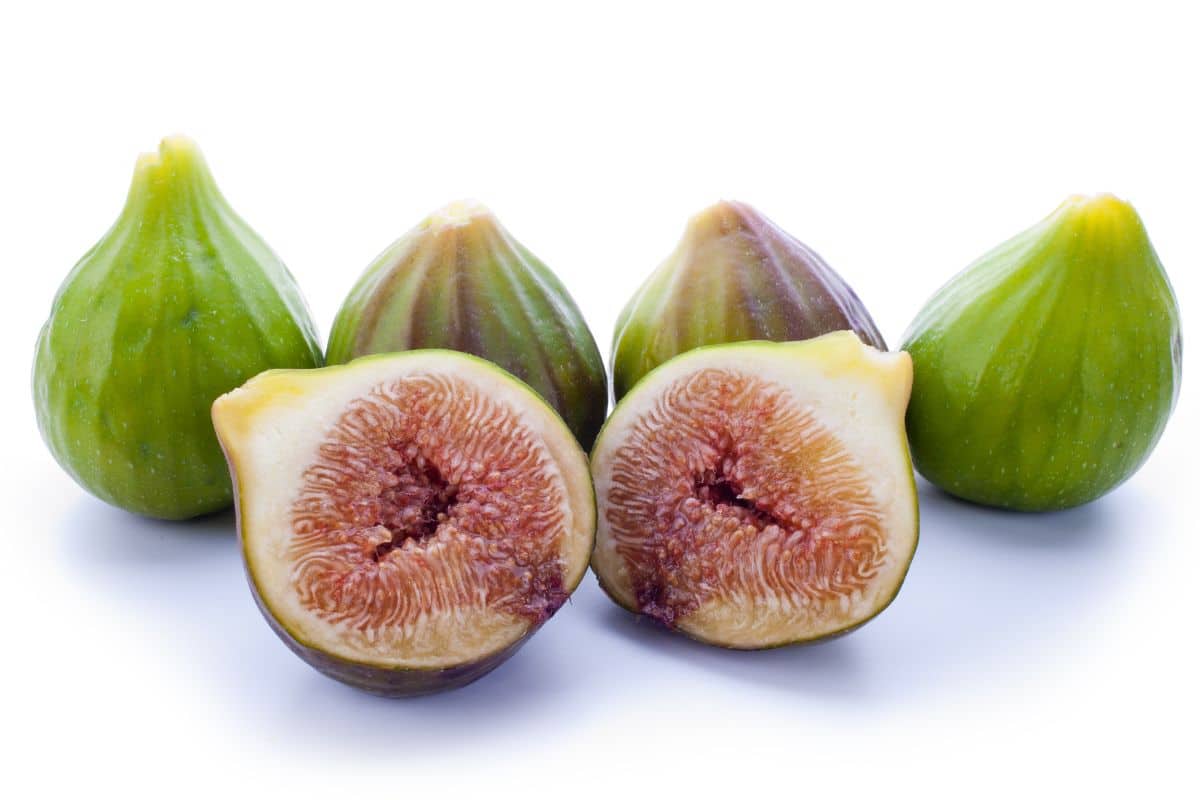
The Florentine fig is, as the name suggests, Italian, particularly the region of Tuscany and the city of Florence.
The Florentine fig has a distinctive pear-like shape and light green skin that turns slightly yellow when fully ripe. The flesh is pale pink with a honey-like sweetness and only slightly chewy.
Its wonderfully sweet taste lends it to both eating fresh and using it in the kitchen. It can be sliced and added to salads, or paired with cheeses like goat cheese or gorgonzola for a nice appetizer. Additionally, its sweetness makes it a superb candidate for desserts, such as fig tarts or jams.
Green Ischia Fig
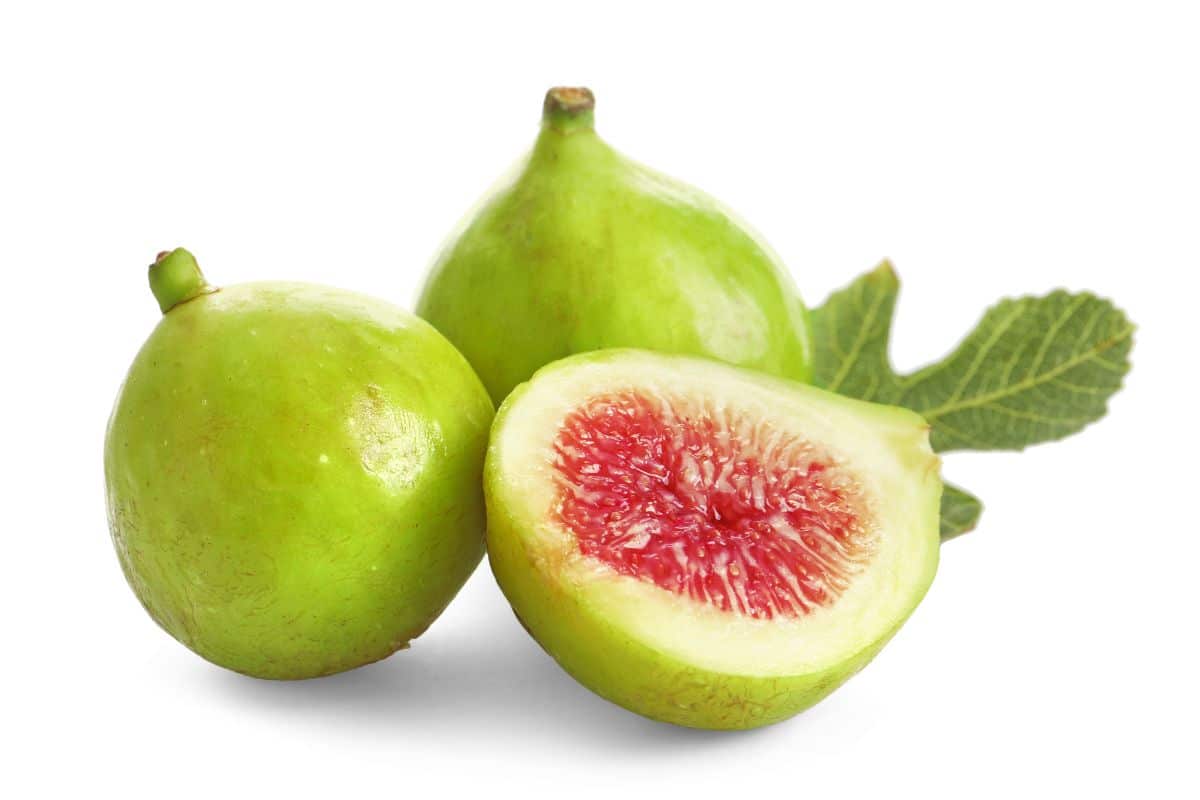
The Green Ischia fig comes from the Italian island of Ischia and has been eaten by the Italians for thousands of years. It is characterized by its vibrant green skin and plump, teardrop shape. The flesh is pink with a honeyed sweetness and hints of a floral taste. Like most figs, it is nice and chewy.
You can eat it fresh as a stand-alone treat, or add it sliced to salads and appetizers. This fig variety pairs exceptionally well with cured meats, such as prosciutto. It is also a star ingredient in desserts like fig and almond cakes, bringing a nice sweetness to baked goods.
Kadota Fig
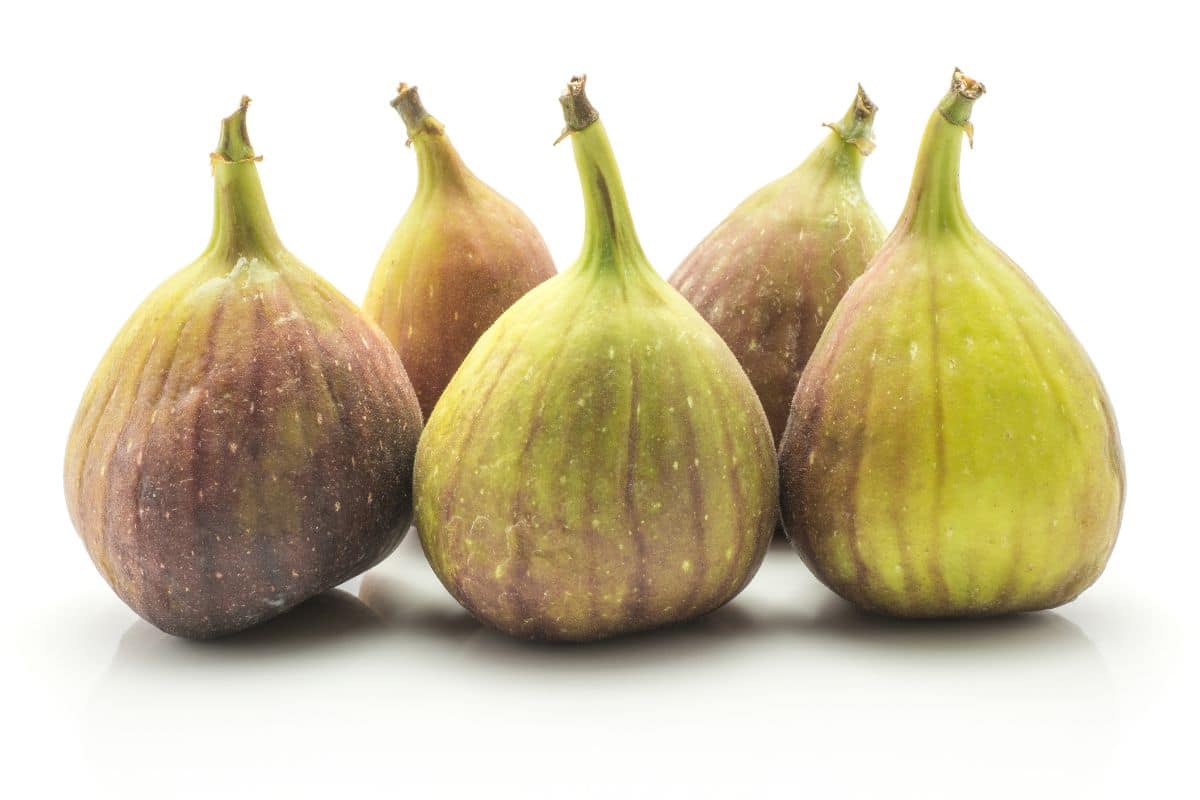
The Kadota fig is sometimes called the white fig and is another from Italy. This fig is identifiable by its light green skin and squat shape. It has a creamy pale flesh with a honey-like sweetness complimented by a hint of nutty flavor.
The Kadota fig has a delicate appearance. Its creamy, pale interior has a honeyed sweetness with a subtle nutty flavor. The texture is smooth and tender, making it a great choice for fresh consumption. This fig shines in salads, where its subtle flavor complements a variety of greens and cheeses.
LSU Gold
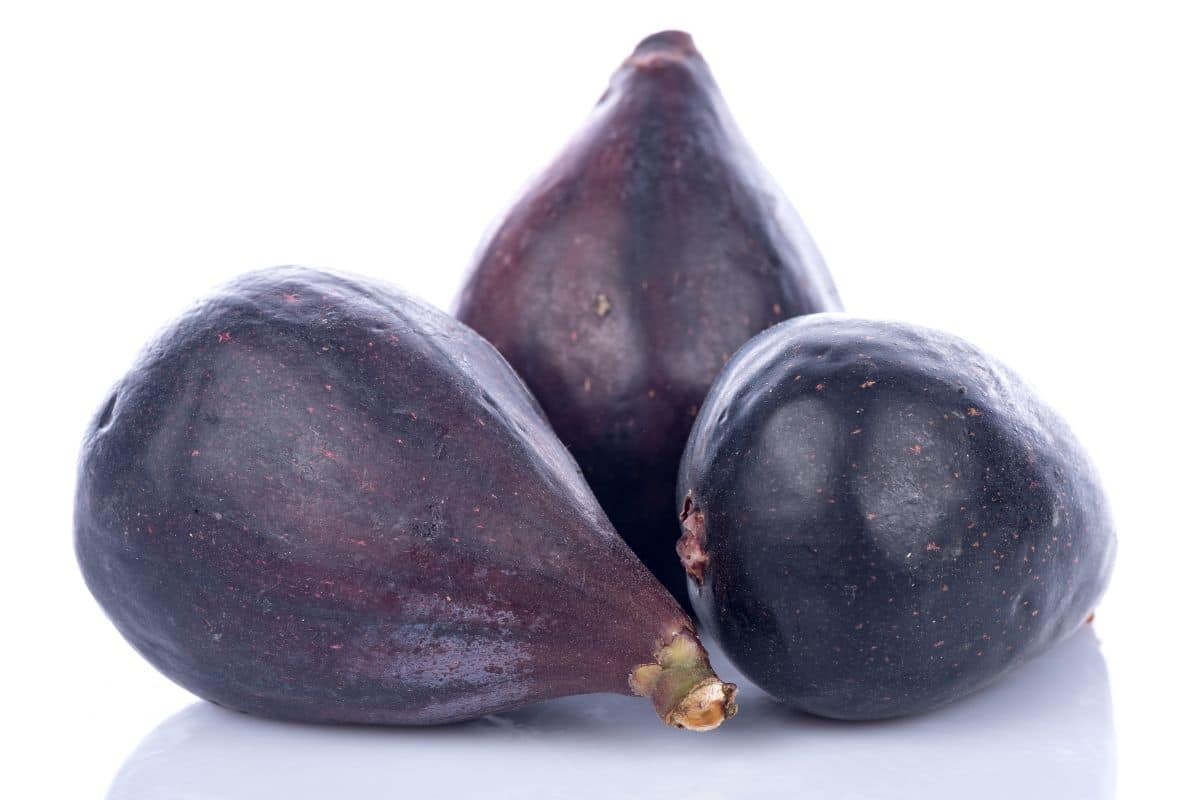
LSU Gold is a cultivar developed by the Louisiana State University (LSU) Agricultural Center. We mentioned earlier that nature develops some new varieties of fruit, but this is an example where we humans get into the act and create hybrids. The nice thing about this is that man-made hybrids are usually “designed” to have specific and desirable features.
These were developed to have a sweet amber pulp with a nice balance of sweetness and acidity. They can be eaten fresh, added to salads, or used in desserts like tarts and jams. They pair well with many cheeses, making them a popular choice for cheese platters. Additionally, LSU Gold figs can be grilled or roasted to enhance their natural sweetness.
Osborne Fig
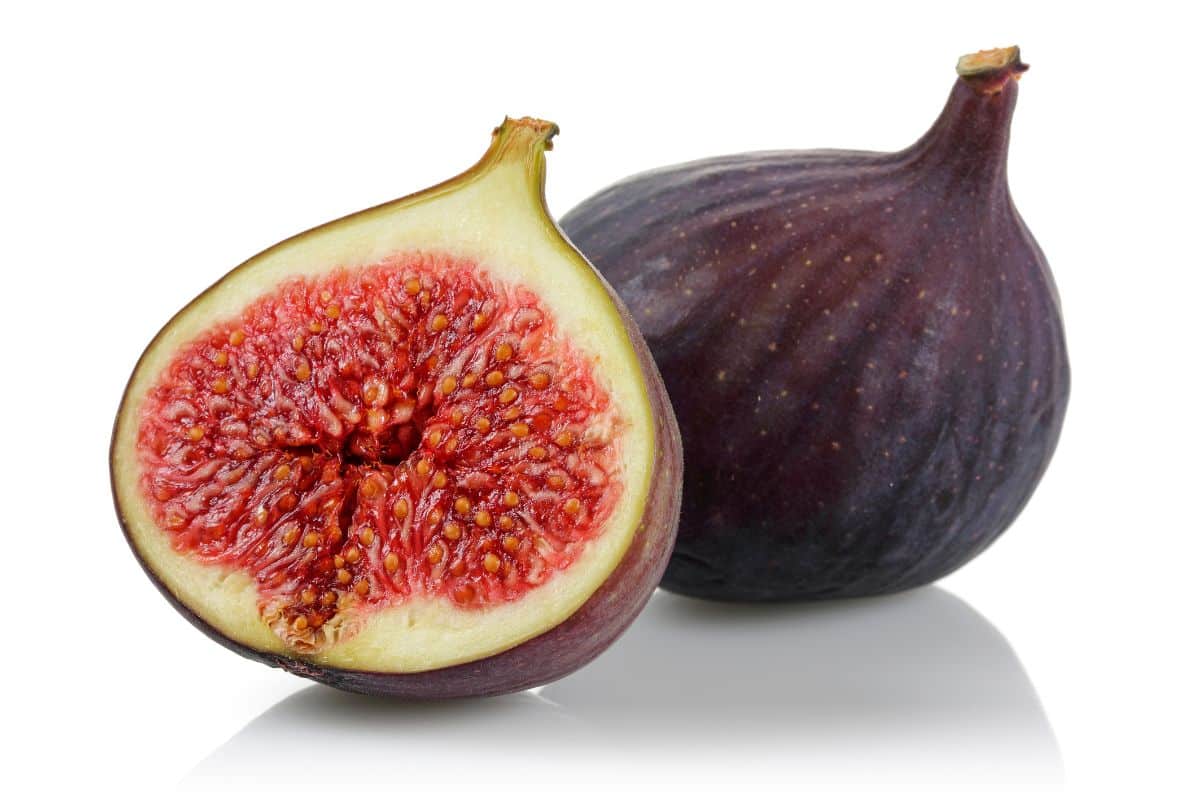
The Osborne fig was named after the nursery that developed it in Malaga, Spain. They are medium-sized with a distinctive bell shape. When ripe, the skin is striking purple-brown, and the flesh reddish-pink. This fig was developed to be intensely sweet, and we believe they hit the target.
Their sweetness and chewy texture make them great eaten fresh. If you can find them, consider using them in fruit salads and baked into pastries. Osborne figs are known for their sweetness, making them ideal for fresh consumption.
Panache Fig
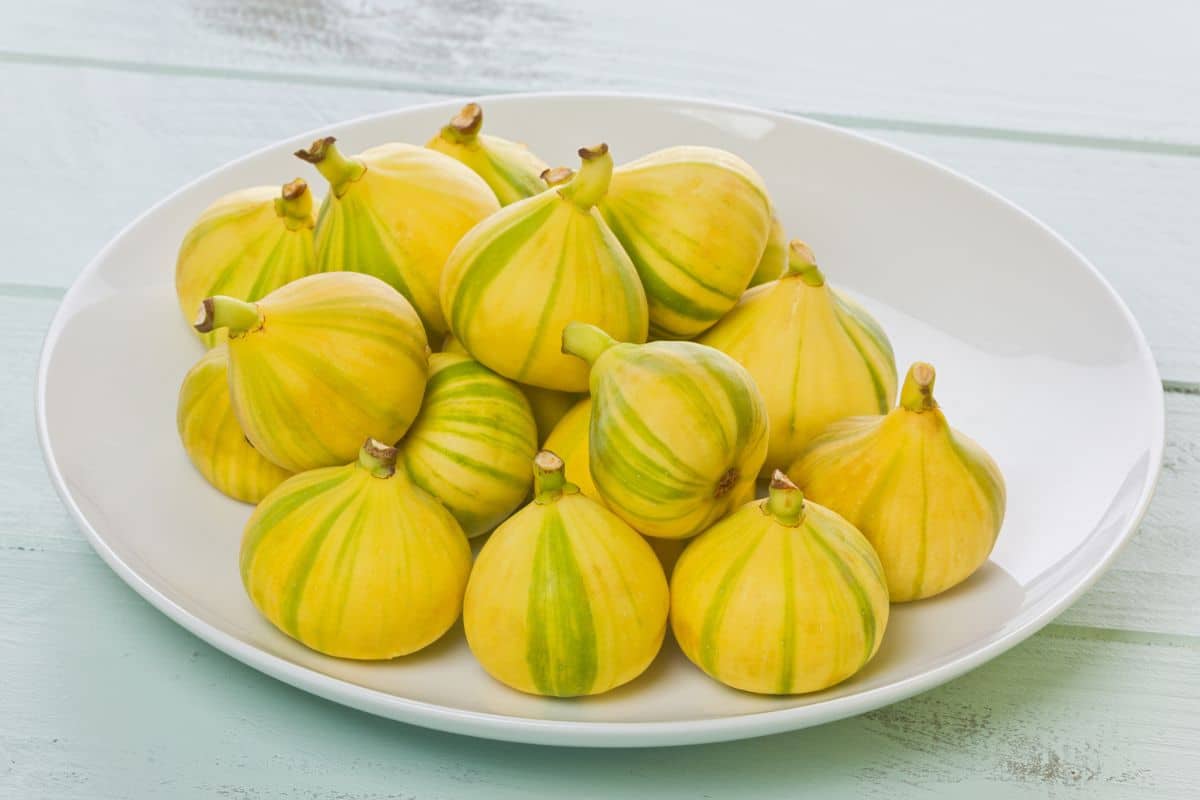
These are also known as Tiger Stripe figs and come from the South of France. The name “Panache” refers to the fig’s striking striped appearance, and they are instantly recognizable due to their green and yellow-striped skin. The flesh inside is a vibrant red with a sweet flavor similar to others but with a slightly nutty undertone.
Their visual appeal makes them a good choice for cutting into green or fruit salads, charcuterie boards, cheese boards, or really any use that shows off their unique look.
Portuguese Fig
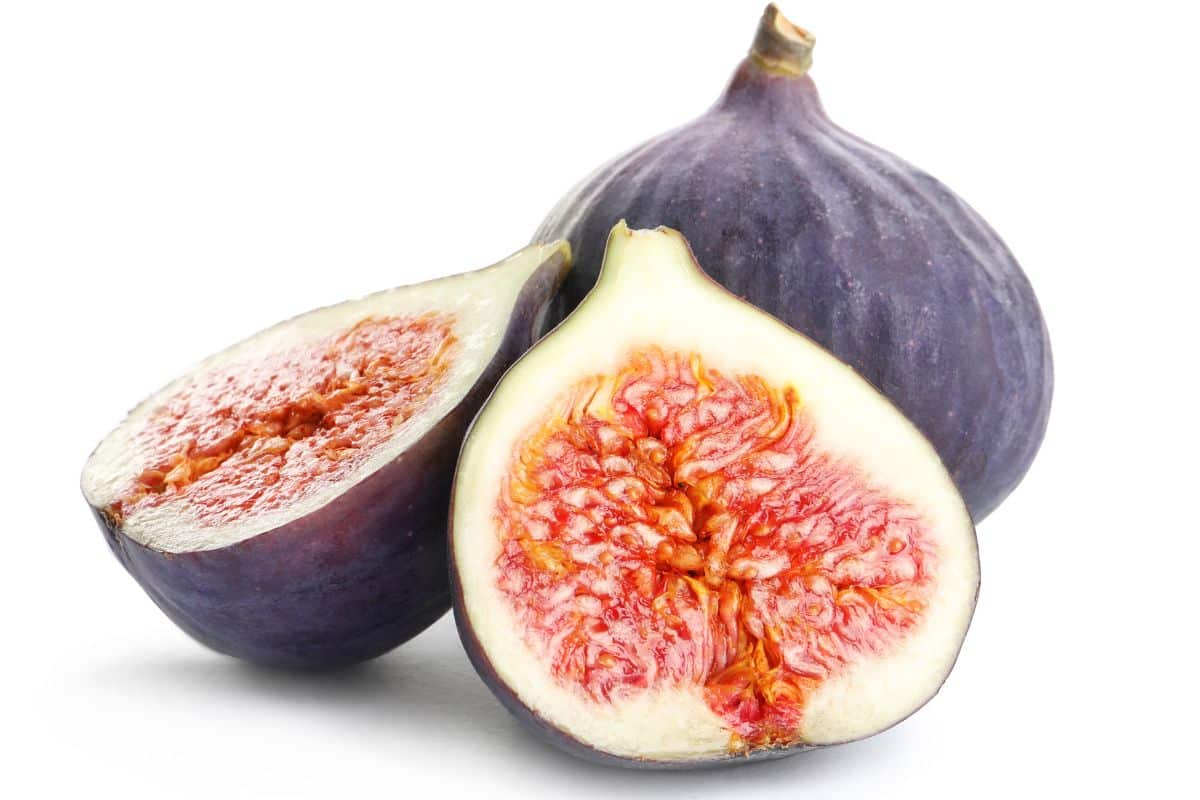
The Portuguese fig, naturally originated in Portugal. It is distinguished by its deep purple skin and vibrant, reddish-pink flesh. These are medium to large figs with a pear-like shape and sweet flavor.
We think their superpower is their jammy texture, which makes them ideal for jelly, jam, preserves, or compote. Consider pairing them with goat or blue cheese, as Portuguese figs complement cheese boards well.
Smyrna Fig
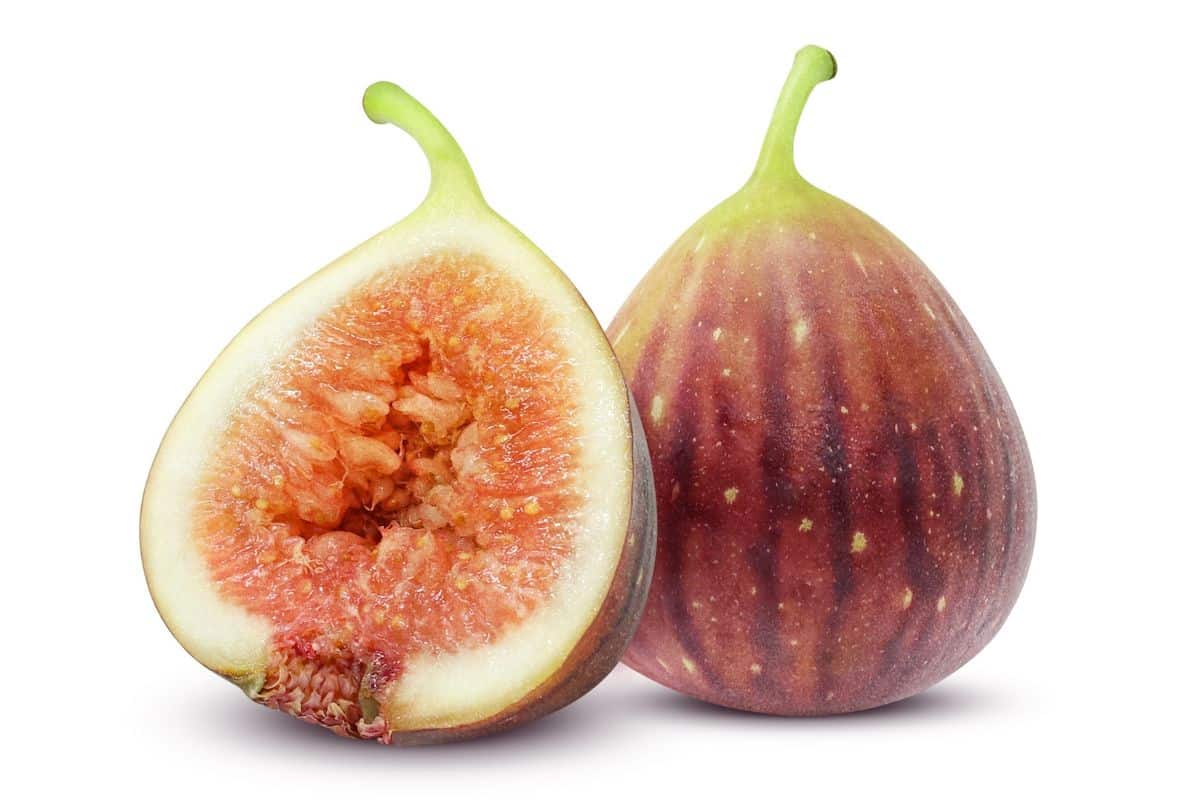
The Smyrna fig originated in the city of Izmir, formerly known as Smyrna, in Turkey. It is unusual in that it is pollinated by wasps. These large, rounded figs have a squat shape. Their smooth skin is yellow-green, concealing a pink pulp. Their flavor is sweet and honey-like.
Due to their sweetness, figs pair well with savory foods like prosciutto and salty cheeses and make great charcuterie board figs. Smyrna figs are often dried, which concentrates their flavor into nice snacks, and they are similarly used in making candied figs.
Texas Blue Giant Fig
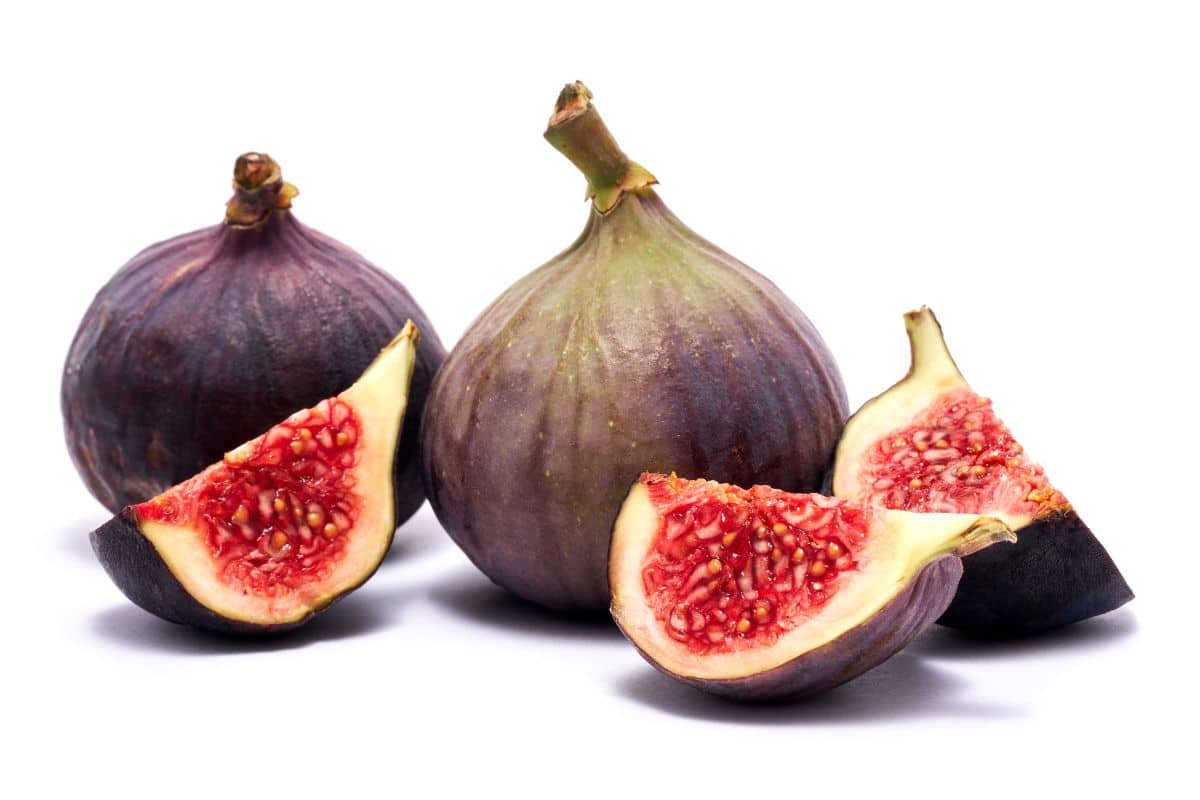
As the name suggests, the Texas Blue Giant fig has its roots in Texas. It is large with a vibrant blue-purple skin. The flesh is light pink to red and has a mildly sweet flavor. It is also a bit meatier than other fig varieties. Texas blue giants work well in salads, desserts, and as a topping for yogurt or ice cream.
That wraps up our look at different types of figs. We hope you found this helpful and that you found the perfect fig for your dessert creations. As always, happy cooking!


Where do I find fresh figs ? Even if I have to have them shipped.
Etsy is actually a great place to find fresh fruits! 🙂
I found a fig plant on my property, which is smack under the southern terminus of the central flyway just short of the Texas state line. Three guesses how it and its relatives got there. Could I upload a picture to see if you can identify it?
Hi Regina! What a fun find! Unfortunately we’re not able to accept images, but if you describe the fruit size, skin color, and flesh color when ripe, we might be able to help narrow it down!