

This post contains affiliate links.
If you’re looking for a specific type of pea or are just curious, we’re covering 40 types of peas and how to use them in this helpful guide!
What Are Peas?
Peas are members of the legume family together with lentils, kidney beans, black beans, soybeans, and more. With most peas, however, you can eat the pod which isn’t the case with these other legumes. This begs the question: are peas vegetables or are peas fruits?
Botanically peas are fruits, but we use them in the kitchen like vegetables. They are a fairly starchy “food” more akin to potatoes or sweet potatoes in terms of carbohydrate and calorie content than vegetables like broccoli or zucchini, and they definitely don’t have the somewhat higher sugar content found in many fruits. Peas are a bit of a maverick.
Most peas fall into one of three groups: English (garden) peas, snow peas, sugar snap peas, and field peas which are technically not peas. Each of these four types of peas has numerous sub-varieties.
Pea Trivia
Table etiquette is something we are all taught, but do you know the proper way to eat peas? Scroll to the bottom of this post for the answer!
Types Of Peas
English Peas
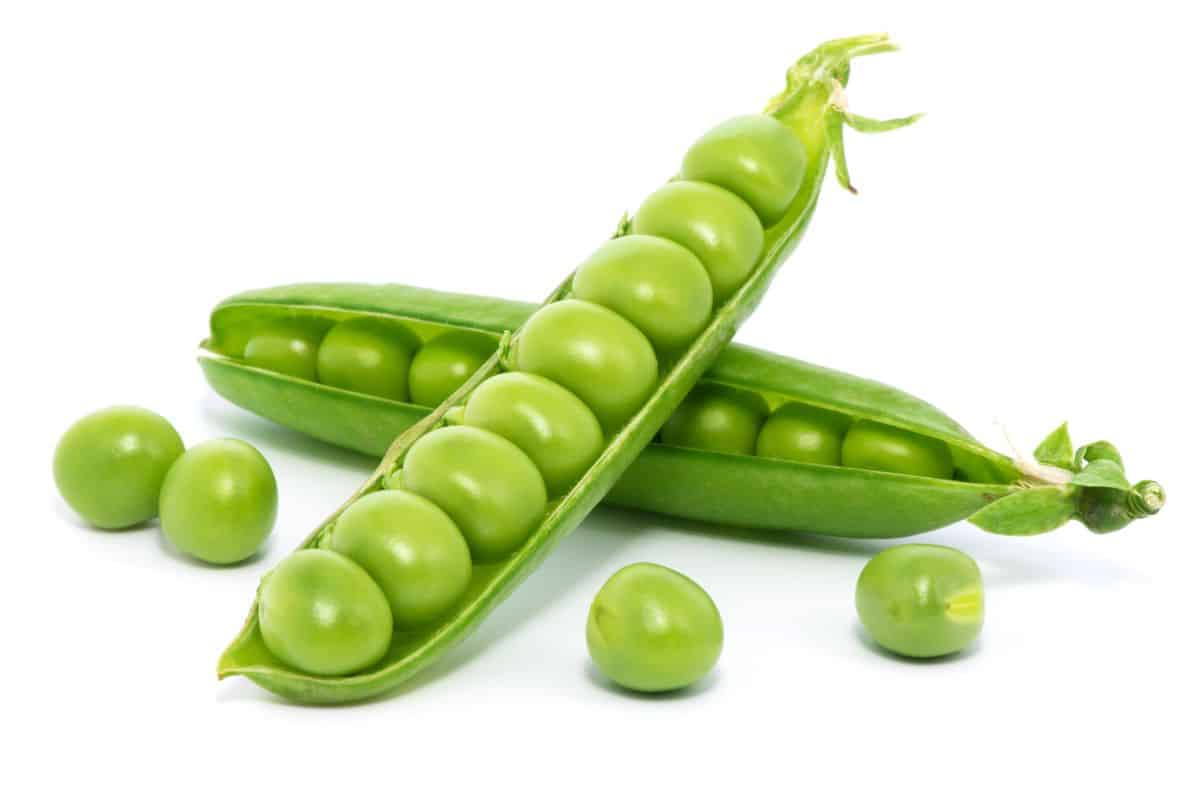
Origin: English peas, also known as garden peas, originated in the Mediterranean region and have been cultivated for centuries. They are commonly referred to as “English peas” due to their popularity in English cuisine. These peas thrive in cooler climates and are typically grown in temperate regions with mild summers.
Thomas Jefferson, the third US president, was responsible for introducing the English Pea to the United States. He brought them to his plantation in the early years of the 19th Century and they spread from there.
Description: English peas are small, round, and vibrant green legumes that develop inside pods. The pods are slightly curved and can grow to about 2 to 3 inches in length. Each pod contains several peas arranged in a row. These peas need to be shelled before consumption, meaning the outer pod needs to be removed to access the edible peas inside. Unlike other varieties, the pod is NOT edible.
Taste and Texture: English peas are known for their sweet and delicate flavor. When eaten fresh they have a satisfying burst of sweetness that makes them a delightful addition to many dishes. The texture of English peas is tender and slightly starchy, offering a pleasant contrast to their sweet taste. When cooked, they retain their vibrant green color and maintain a soft yet slightly firm texture.
Uses: English peas are very versatile and can be used in various culinary applications. They are often blanched or lightly cooked before being added to salads, pasta dishes, risotto, and vegetable medleys.
The peas can also be puréed into soups and sauces, lending their vibrant color and sweet flavor. Additionally, they can be incorporated into side dishes or used as a garnish to add a pop of color and freshness to a plate.
They are perfect for traditional English recipes like Shepherd’s pie or this slight twist for a chickpea pot pie. Mix them with your risotto or other pasta recipes for a nutritional bump, and of course, they are a key ingredient to many Asian cuisines. Try our extra healthy variant of Cauliflower fried rice or perhaps kimchi fried rice.
Ten Most Popular Types of English Peas
- Champion of England
- Garden Sweet
- Green Arrow
- Kelvedon Wonder
- Lincoln
- Little Marvel
- Maestro
- Progress No. 9
- Thomas Laxton
- Wando
Snow Peas
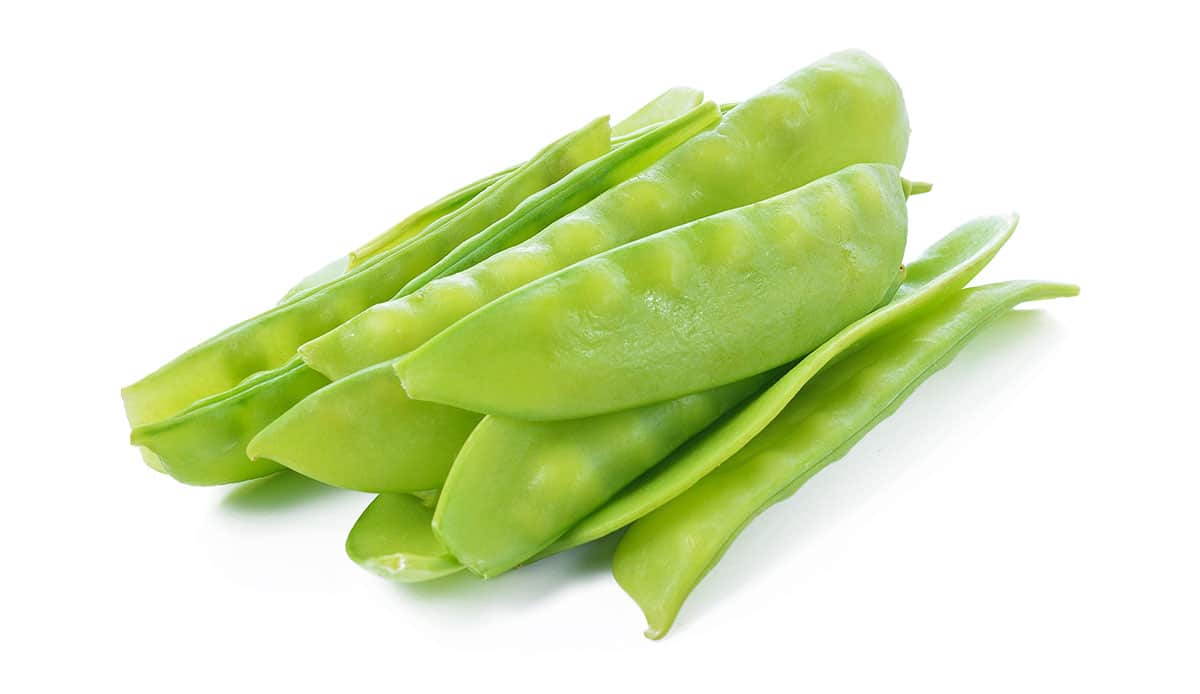
Origin: Snow peas, also known as Chinese pea pods, sugar peas, or mangetout, have their origins in East Asia, particularly China. They are a type of legume and belong to the same species as regular garden peas. Snow peas have a long history in Asian cuisine, particularly in Chinese, Thai, and Japanese dishes. They were introduced to Western cuisine relatively recently and have gained popularity for their unique flavor and versatility. Snow peas are now grown around much of the world, including Asia, Europe, North America, and Australia. They thrive in temperate climates and are often cultivated during cooler seasons.
Description: Snow peas are distinguishable by their flat, tender pods and small, undeveloped peas inside. Unlike garden peas, where the focus is on the round peas within an inedible pod, snow peas are valued for their crisp, edible pods. The pods are generally pale green, flat, and have a translucent quality.
Taste and Texture: Snow peas have a delicate and refreshing flavor. They offer a mild sweetness with a subtle hint of nuttiness. When properly cooked, their texture is crisp and crunchy, making them a great addition to both raw salads and cooked dishes. The contrasting textures of the tender pods and the slight crunch of the peas provide an additional sensory touch to your cooking.
Uses: Snow peas are incredibly versatile in the kitchen and can be used in a variety of ways. They can be added fresh to salads for an extra bit of crunch. They are also commonly used in dishes like fried rice, pasta, and noodle dishes. Due to their flat shape and vibrant green color, snow peas are often used to add visual appeal to various dishes. Their best trait, however, is arguably the crunch they add to your cuisine. Give them a try in Thai green curry or perhaps Buddha bowls.
Ten Most Popular Types of Snow Peas
- Blizzard
- Dwarf Grey Sugar
- Green Beauty
- Mammoth Melting Sugar
- Norli
- Oregon Giant
- Oregon Sugar Pod II
- Snowbird
- Snowflake
- Super Sugar Snap
Sugar Snap Peas
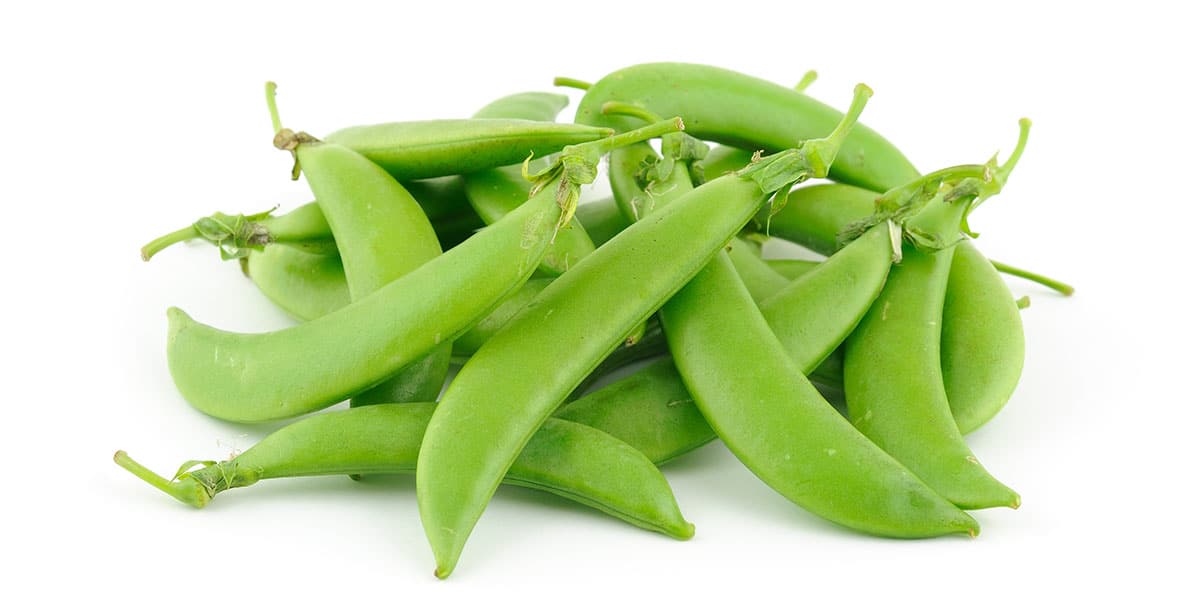
Origin: Sugar snap peas are a type of pea with an edible pod that were developed in the 1970s as a cross between garden peas and snow peas. They were bred to combine the best traits of both parent varieties – the sweetness and tenderness of the garden pea and the edible pods of the snow pea. Sugar snap peas are cultivated in various regions around the world, including North America, Europe, and parts of Asia.
Description: Sugar snap peas are characterized by their vibrant green color and plump, rounded pods. The edible pods are crisp and succulent containing small tender peas.
Taste and Texture: One of the key features of sugar snap peas is their delightful combination of sweetness and crunch. The peas inside the pods are tender and slightly sweet, while the pods themselves are crisp and juicy. When you bite into a sugar snap pea, you’ll experience a satisfying snap and a burst of fresh, sweet flavor. Sugar snap peas are best enjoyed when they are in season, typically during the spring and early summer months, as this is when they are at their peak freshness and flavor. When selecting sugar snap peas, look for pods that are bright green, plump, and firm. Avoid pods that appear dull or shriveled.
Uses: Sugar snap peas can be enjoyed in a variety of ways. They are sometimes just eaten raw as a healthy and refreshing snack. Their crispness and sweetness make them a favorite for vegetable platters and salads. In cooking, sugar snap peas are frequently used in stir-fries and sautés, where their vibrant color and crunchy texture add both visual appeal and a satisfying bite. Due to their versatility, they can also be steamed, blanched, or added to pasta dishes and casseroles.
Growing Your Own: Growing sugar snap peas in your garden can is a good option, as they are relatively easy to cultivate and can thrive in cooler climates. The vines of sugar snap peas can grow quite tall, often reaching heights of around 6 to 8 feet (1.8 to 2.4 meters) if supported properly. The plant produces delicate white or pale pink flowers that give way to the formation of the pods.
Ten Most Popular Types of Sugar Snap Peas
- Cascadia
- Sugar Ann
- Sugar Bon
- Sugar Daddy
- Sugar Flash
- Sugar Lace
- Sugar Magnolia
- Super Sugar Snap
- Sweet Snap
- Tender Sweet
Field Peas
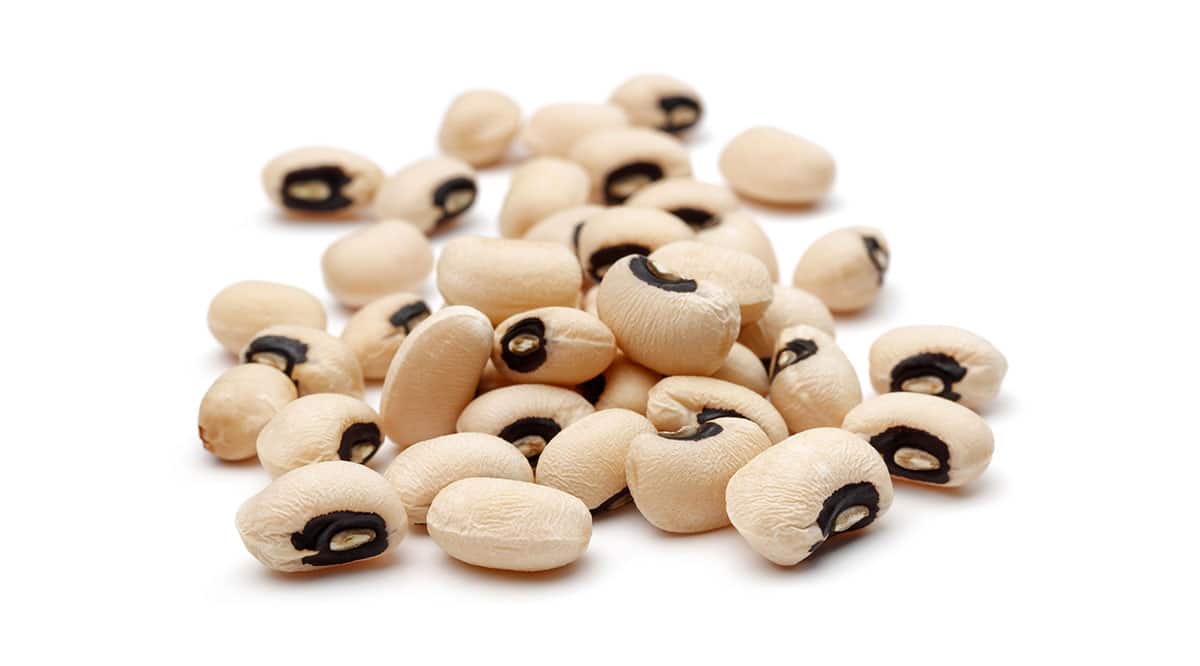
These guys are the wedding crashers in the pea family. Field peas, along with pigeon peas, and chickpeas are all in the legume family but are classified in entirely separate genera from peas and have characteristics more in line with other legumes like kidney beans and black beans. We will, however, discuss them here to round out our look at peas.
Origin: Field peas are an ancient legume with origins in the Mediterranean region, and have been a staple food in various cultures across the world for thousands of years. Field peas are well-suited to temperate climates and are commonly grown in many parts of Europe, Asia, and North America. They are often used as a rotational crop, as they can fix nitrogen in the soil, benefiting subsequent crops.
Description: Field peas are small, and round, and typically come in various shades of green, though some varieties can also be yellow or purple. They are usually harvested when the “peas” are fully mature and have developed within the pod. The pods themselves are not typically consumed in the same way as snap peas or snow peas; instead, the focus is on the mature peas inside.
Taste and Texture: Field peas have an earthy flavor with a slightly nutty undertone. Their taste can vary depending on the variety and how they are prepared. When cooked, they have a tender yet slightly firm texture. The texture of the outer skin and the creaminess of the inner pea combine to create a satisfying mouthfeel.
Uses: Field peas are versatile ingredients in the culinary world, and can be used in both fresh and dried forms. Fresh field peas can be shelled and added to salads, soups, stews, or sautés. Dried field peas are often used to make pea soups or are added to dishes for additional texture and protein. They are also commonly used in various traditional dishes across different cuisines. In some cultures, they are ground into flour and used to make bread or other baked goods.
Ten Most Popular Types of Field Peas
- Black-eyed Pea
- California Blackeye
- Crowder Pea
- Cream Pea
- Lady Pea
- Mississippi Silver
- Purple Hull Pea
- Texas Cream Pea
- Whippoorwill Pea
- Zipper Cream Pea
Chickpeas
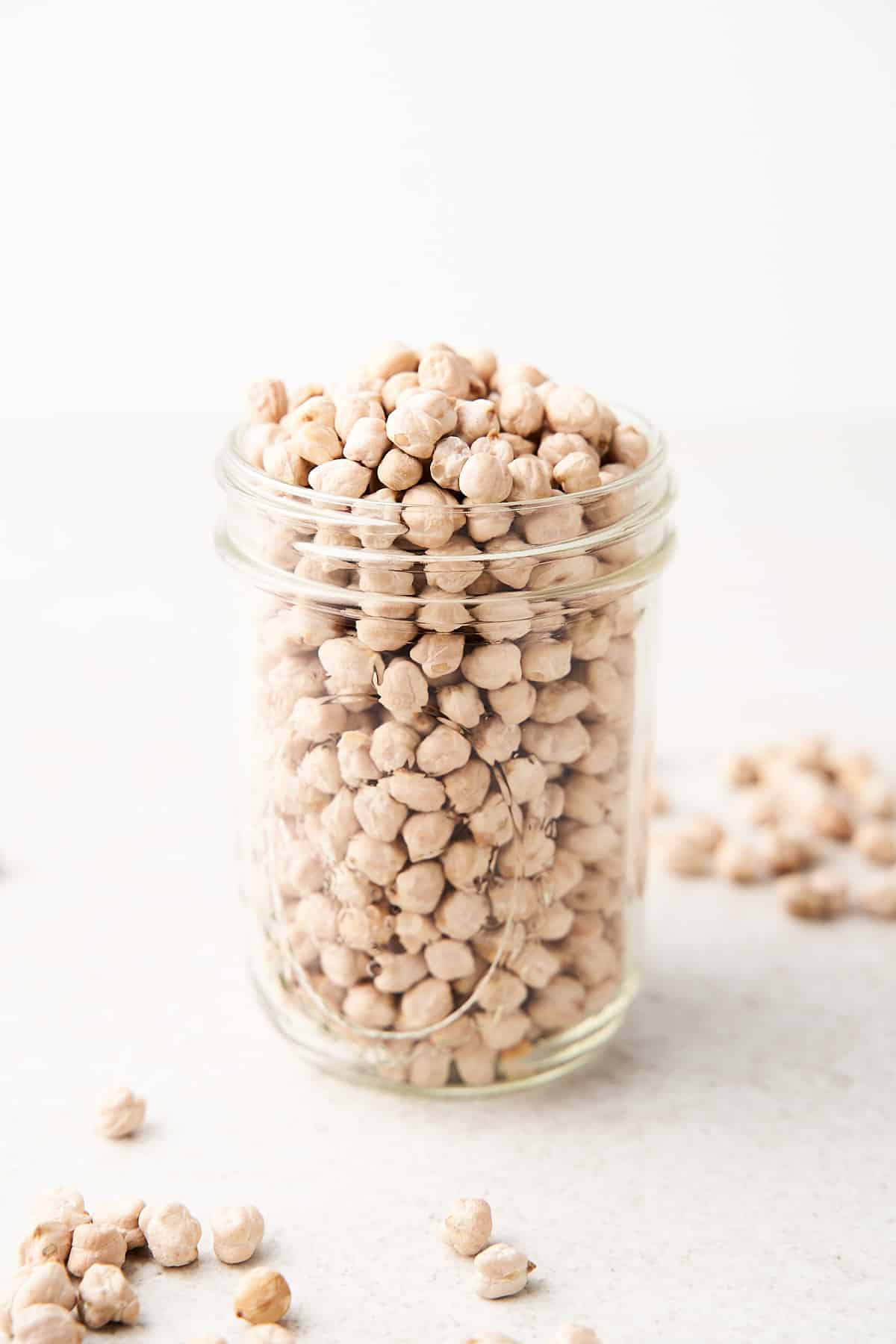
We think chickpeas are worth discussing here even though we just said that they aren’t botanically peas. These small, round, beige-colored legumes are a staple in many cultures around the world. They are a great source of protein, fiber, and other essential nutrients, making chickpeas a healthy and popular choice for vegetarians and vegans.
Also known as Garbanzo Beans, Chickpeas/garbanzo beans can be found in a variety of forms, including dried, canned, and ground into chickpea flour. They are an amazingly versatile ingredient that can be used in so many ways, from homemade hummus to chickpea curries or garbanzo salads. They can be roasted and eaten as a snack, or added to soups and stews for extra protein and texture. You can see still more with all of our chickpea recipes here.
Baby Peas
Baby peas are not a type of pea, but simply refers to young and small pea plants or the immature pea pods that are harvested while they are still small and tender. Baby peas are often considered sweeter and more tender than mature peas, and are commonly used in various culinary dishes such as salads, stir-fries, pea soup, and side dishes.
Pea Nutrition
Peas are a healthy vegetable choice particularly when eaten together with the pods. They are an unusually good source of vitamin A for a green vegetable and are also rich in vitamin C and fiber.
Are Peas Keto? They can be. Look at the carb counts listed below. If you eat whole pea pods in limited quantities, you can certainly work them into a keto or other low-carb diet.
How many Carbs are in Peas? A 100g (3.5 ounce) serving of raw snow peas with pods has about 6g of carbs, but 2g of this is fiber yielding only 4g of net carbs (total carbs minus fiber). Shelled garden peas are much higher with a 100g serving containing 14g of total carbs and 9g of net carbs.
Frequently Asked Questions
Here at Live Eat Learn we have been writing about veggies and vegetarian cooking since 2015 and have a database of all the questions we have received over the years! Here are a few of those we thought pertinent to the topic of different types of peas.
Are Chickpeas Peas?
Chickpeas, also called garbanzo beans, are regarded as beans, but botanically are neither beans nor peas.
What are Austrian Winter Peas?
The short answer is that they are a pea you don’t eat. They are used as a cover crop to protect soil, a forage crop for livestock, or a green manure crop to improve the fertility of soil. Don’t look for these at the grocery store.
What are Alaskan Peas?
These are a very cold-tolerant pea that thrives in the long summers of Alaska. They have a higher sugar content and are sweeter than many other varieties due to the long days of sunshine during an Alaskan summer.
What are Beach Peas?
Wait for it….they are peas that mostly grow wild around dunes at the beach. They are perennial plants found on sandy coasts mostly in New England, especially Cape Cod. They are known for their pretty purple flowers, and the shoots and leaves are often harvested for use in salads. The pods and peas are quite small perhaps only an inch long.
List of Pea Varieties
Should you need a more extensive list of peas here are 150 varieties of peas:
- Alaska pea
- Alderman pea
- Alderman Tall Telephone pea
- Ambassador pea
- Amish Snap pea
- Annabelle pea
- Apricot Beauty pea
- Arkel pea
- Austrian winter pea
- Avalanche pea
- Beach pea
- Big Marvel pea
- Black-eyed pea
- Blue Pod Capucijner pea
- Bolero pea
- Bonneville pea
- Boone pea
- Bradley pea
- Burpeeana Early pea
- Butterfly pea
- Calabrese pea
- Calibra pea
- Camelot pea
- Capucijner pea
- Carouby de Maussane pea
- Cascadia pea
- Champion of England pea
- Chateau pea
- Cherry Blossom pea
- China Pod pea
- Chinese Snow pea
- Comet pea
- Corne de Bélier pea
- Country Green pea
- Cream pea
- Crocket pea
- Dakota pea
- Dan’s Dwarf pea
- Dark Seeded Early Perfection pea
- Delta pea
- Desi pea
- Double Delicious pea
- Dwarf Grey Sugar pea
- Dwarf White Sugar pea
- Early Alaska pea
- Early Frosty pea
- Early Perfection pea
- Early Snap pea
- Eclipse pea
- Edible Podded pea
- Eiffel pea
- Encore pea
- Endurance pea
- Erin pea
- Eros pea
- Evergreen pea
- Excalibur pea
- Featherstone pea
- First Fleet pea
- Flemingdon pea
- Floranna pea
- Floretta pea
- Forestall pea
- Freezonian pea
- Frosty pea
- Garden Sweet pea
- Golden Sweet pea
- Green Arrow pea
- Green Feast pea
- Green Gem pea
- Greenfingers pea
- Greenfeast pea
- Greenhouse pea
- Greyhound pea
- Grijze Roodbloeiende pea
- Grijze Roodkokerwten pea
- Half Pint pea
- Hatif d’Annonay pea
- Hondo pea
- Homesteader pea
- Hurst Greenshaft pea
- Hurst Laxton pea
- Hurst Green Shaft pea
- Idaho pea
- Incas pea
- Indian pea
- Jakob-K’s Blaue oat-pea
- Karina pea
- Kelvedon Wonder pea
- Kennedy pea
- Kingston pea
- Knight pea
- Kruger pea
- Lagoon pea
- Laxton’s Progress pea
- Laxton’s Superb pea
- Laxton’s Supreme pea
- Lincoln pea
- Little Marvel pea
- Magnolia Blossom pea
- Mammoth Melting Sugar pea
- Mandarin pea
- Mangetout pea
- Marrowfat pea
- Mascara
- Maxigolt
- Merveille de Kelvedon
- Meteor
- Mighty Midget
- Oregon Giant
- Oregon Sugar Pod II
- Pea Shoots
- Penelope
- Petit Pois
- Progress No. 9
- Purple Passion
- Purple Podded pea
- Quickcrop pea
- Rondo pea
- Royal Snow pea
- Sabre pea
- Sakura pea
- Schreiners pea
- Shelling pea
- Snowbird pea
- Snowflake pea
- Snow Green pea
- Snow Mammoth pea
- Snow pea
- Snap pea
- Snowbird pea
- Spring Blush pea
- Sugar Ann pea
- Sugar Bon pea
- Sugar Daddy pea
- Sugar Magnolia
- Sugar pea
- Sugar Pod pea
- Super Sugar Snap pea
- Sweet Pea
- Sweet Horizon pea
- Tall Telephone pea
- Thomas Laxton pea
- Tom Thumb pea
- Wando pea
- Wee pea
- Wrinkled pea
- Yellow Podded pea
- Zipper Cream pea
- Zucca pea
That wraps up our look at different kinds of peas. We hope you found pea varieties here you can use, and as always happy cooking!
Trivia Answer
The proper etiquette for eating peas is to squash them on the back of your fork!


Greetings from The Netherlands, Sarah!
Growing up in the Midwest in the 1950s my two sisters and brother were raised by my Grandmother. Of necessity we gardened extensively- easily more than two acres every year, as well as harvesting fruits, nuts and herbs from the surrounding nature. Canning and drying were the order of the day, yet we still needed to shop for some foods. One of our favorites was canned Canadian Giant Peas- the individual peas were HUGE(typically 20 cm or larger diameters!). Any suggestions as to the breed?
Hi Roy! That’s a tough one as there are so many types of peas! Could it be the Oregon Giant Snowpea?
Unknown, Sarah!
After trying to research I resorted to contacting an EXPERT! I can share that my Grannie would buy the peas in a large tin can(close to a quart? which was labeled bragging that they were from Canada. I’ve noted that Canada is the worlds’ largest exporter of peas, most production seems to be in the Great Plains provinces. Yet we always thought our giant peas came from Newfoundland, Labrador or Quebec…
Googled: What produce is grown in Newfoundland?
Print Guide – Newfoundland and Labrador Farm Guide
The largest commodities in Newfoundland and Labrador agriculture are Dairy, Chicken, Eggs, Greenhouse and Nursery, and VEGETABLES.
(seems they forgot Maple Syrup…)
The Giant Peas I can recall as being the best tasting ever! Unusually, my younger sister Robin had a serious heckle on peas- we could always tease her with a stealthily deposited pea on her dinner plate!
Still busy with research! Appreciated the timely response!
Regards from The Netherlands,
Old gringo
Great article – I am researching peas and found answers to question.
What are brown speckled peas? A pea, like dried green peas or in the bean family, similar to chickpeas? Thank you!
Brown speckled peas are actually field peas, which are part of the legume family—so they’re closer to beans and chickpeas than to fresh green peas. They’re usually dried, cook up creamy, and are often used in Southern dishes much like black-eyed peas.