

This post contains affiliate links.
In this helpful guide to Mexican vegetables, we cover 50 types of Mexican vegetables, from peppers to avocados to black beans!
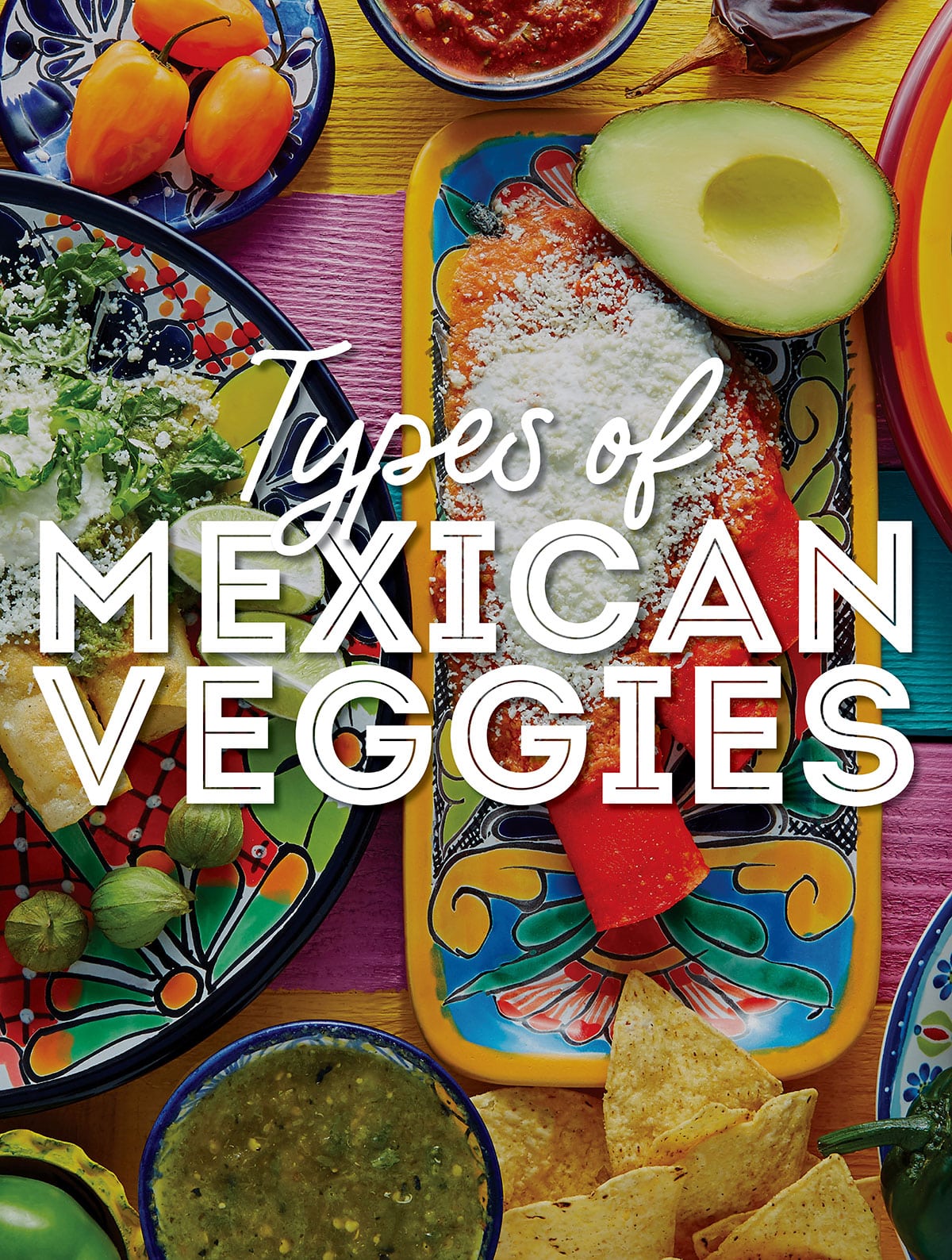
Mexico is home to so many wonderful vegetables and Mexican recipes use even more variety of vegetables! Our list of 50 Mexican veggies has some every day worldwide veggies and a few less common regional specialties native to Mexico.
What are Mexican vegetables?
Mexican vegetables can range from vegetables that are native to Mexico and those that are common in Mexican cuisine. Like many regions of the world, Mexico’s culinary scene has been influenced by other nations through colonization, trade routes, and more. This is also how some non-native vegetables arrived in Mexico and thus showed up in classic Mexican dishes.
We will deepdive into all the vegetables that originated in Mexico and those that did not but are used in Mexican cuisine. Some are technically fruits, but if we use them in the kitchen in Mexican recipes like vegetables, they’re included.
Tasty Trivia!
Which of these is not a food from Mexico? The answer is at the end of this post!
- Burritos
- Chimichangas
- Sopapillas
- Tacos
Types Of Mexican Vegetables
Click the links below to jump to a certain type of Mexican veggie, or just keep scrolling to explore all the vegetables!
Alberjón
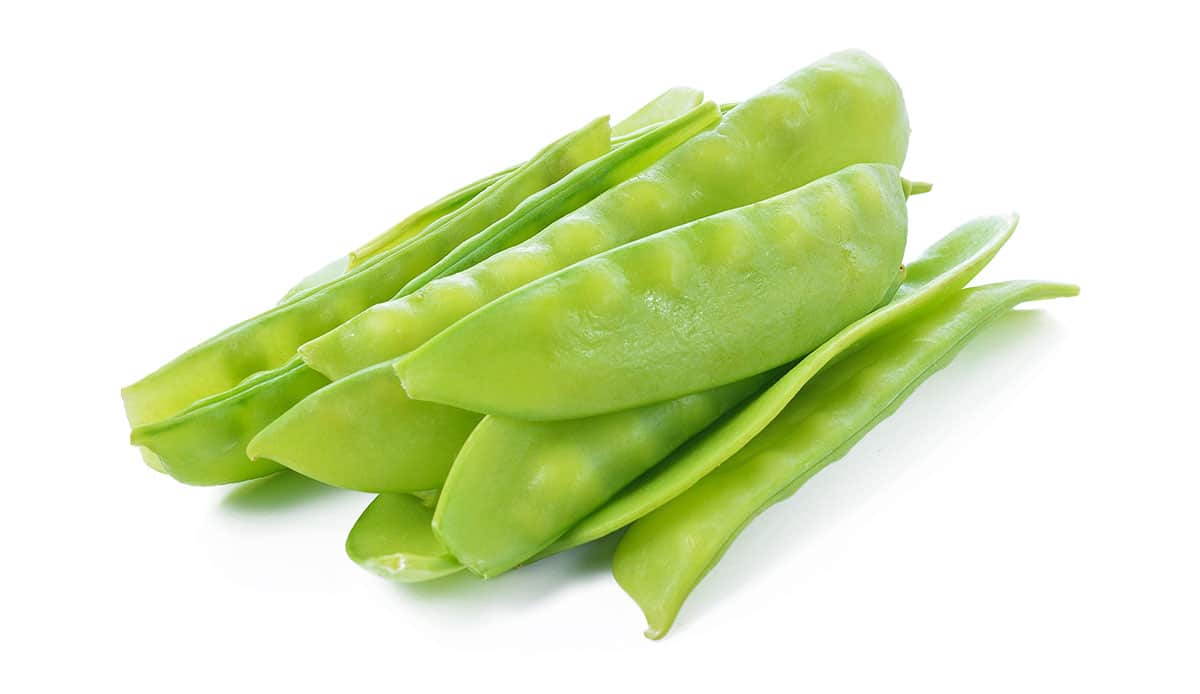
Origin and Flavor: Alberjón is also known as “guisante de nieve” in Spanish, which translates to “snow pea.” They have a crisp and sweet flavor with a mild pea taste. The pods are tender and edible.
Uses: Alberjón is commonly used in Mexican cuisines, such as tamales and tacos. Its edible pods are often enjoyed raw as a crunchy snack or added to salads for a burst of sweetness. It’s a versatile vegetable that adds both flavor and texture to cooking.
Amarillo Pepper
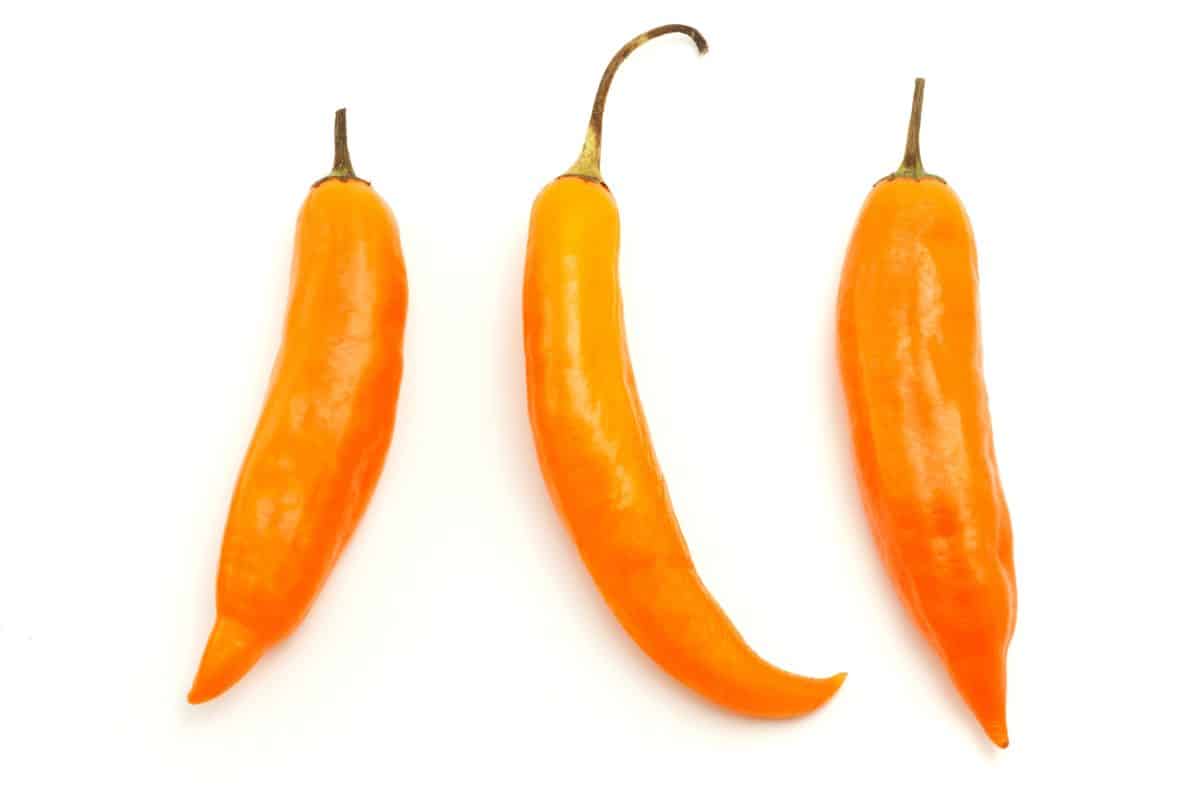
Origin and Flavor: Amarillo peppers are known as “chile amarillo” in Spanish. The word “amarillo” translates to “yellow” in Spanish, but the peppers can range from pale yellow to orange when ripe. They have a moderately spicy and fruity flavor with a hint of citrusy notes.
Uses: They can be roasted, chopped, or blended into sauces, salsas, and marinades. They are also commonly used in traditional dishes like “chiles en nogada,” where the peppers are stuffed with a mixture of meats and fruits and topped with a walnut-based sauce.
These types of peppers are an essential component in many Mexican dishes, contributing not only heat but also a distinct fruity flavor. They are often used alongside other chili peppers to create balanced and complex flavors in Mexican cuisine.
Ancho Chile Pepper
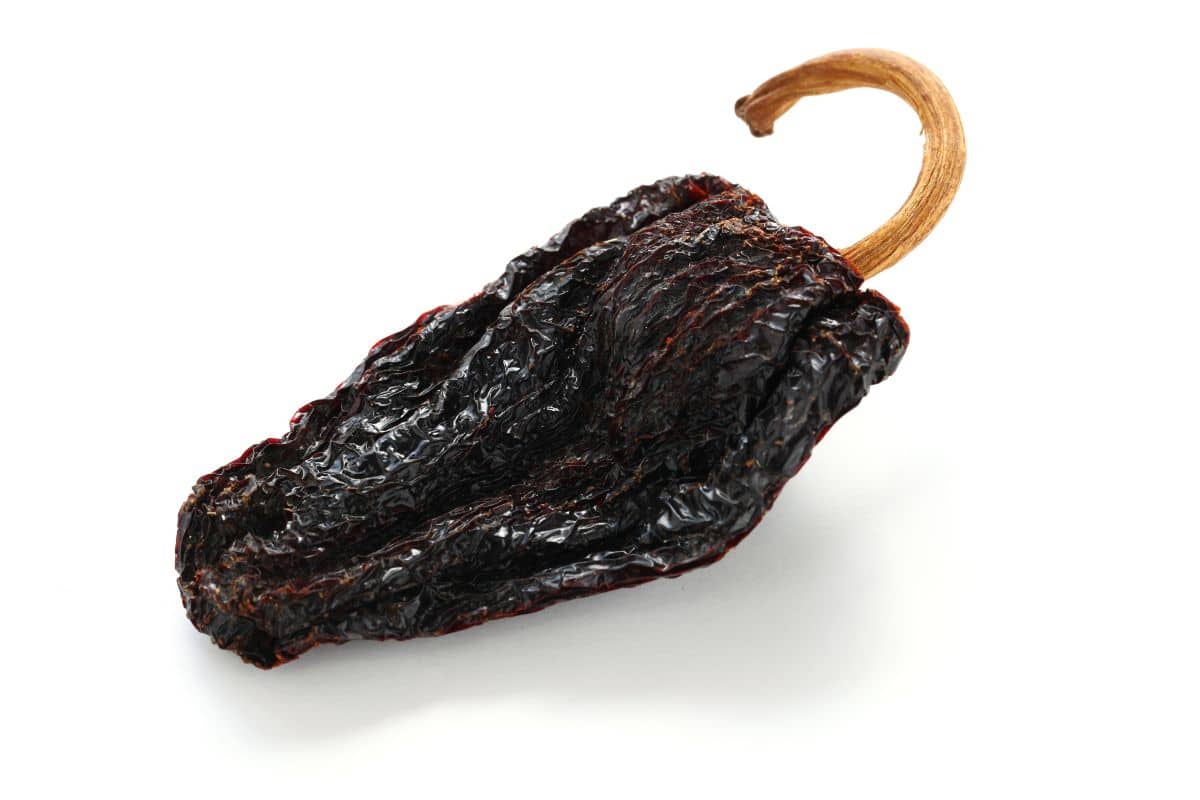
Origin and Flavor: Ancho are dried poblano peppers. I mean there had to be a reason it looks as scary as the photo suggests. Ancho means “wide” in Spanish referring to the flat earth-shape of this pepper. They have a smoky yet mildly sweet flavor with mild to moderate heat. Poblanos are hot, but nowhere near the top of the hot scale.
Uses: Ancho chiles are often rehydrated and blended into sauces, such as mole, enchilada sauce, and adobo. They are also used in stews, soups, and meat marinades.
Avocado
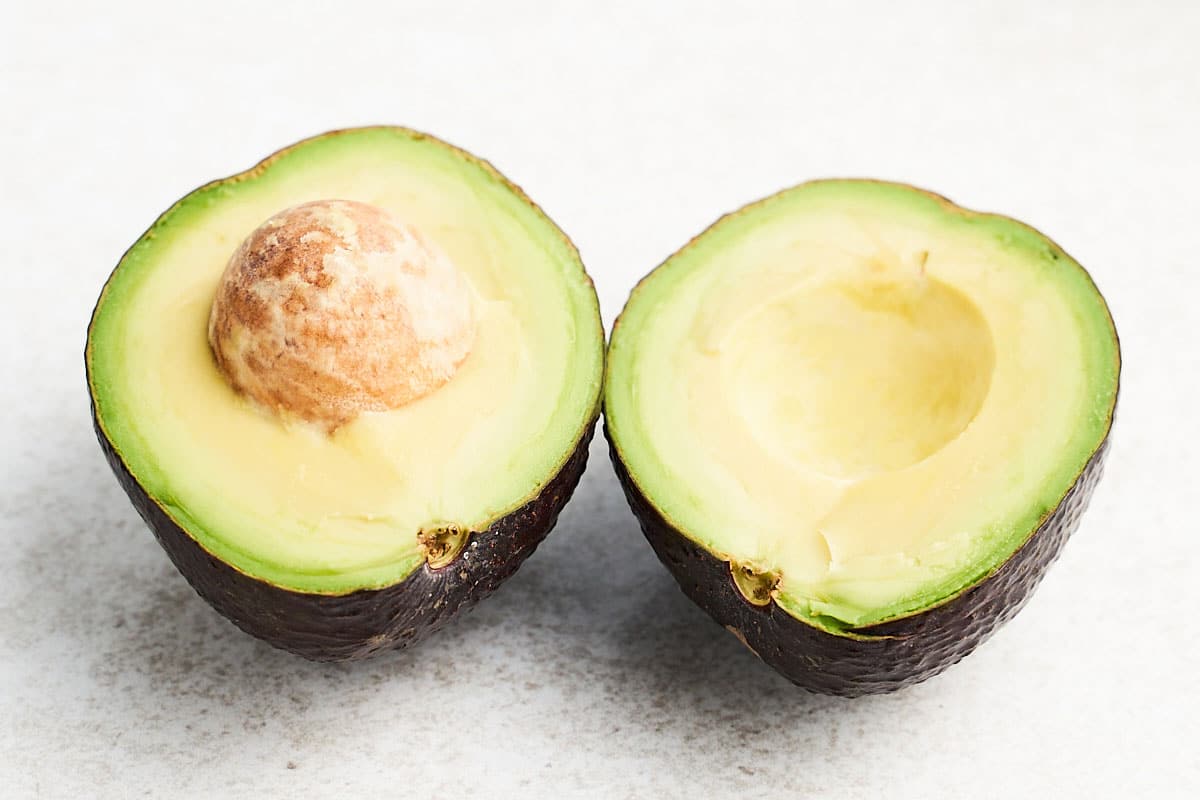
Origin and Flavor: Avocados are native to Mexico and have been cultivated there for thousands of years. They have a creamy, buttery texture and a mild, nutty flavor.
Uses: Avocado is an almost ubiquitous ingredient in Mexican cuisine. Its superpower, of course, is being mashed into guacamole, a wildly popular dip made with avocados, lime juice, onions, garlic, cilantro, and other seasonings. Sliced avocado is also used as a topping for salads, tacos, tostadas, and soups. Avocado is even used in sweet creations like avocado ice cream. Trust us on this one, and you don’t even need an ice cream maker.
Ayocote Morado (Purple Runner Beans)
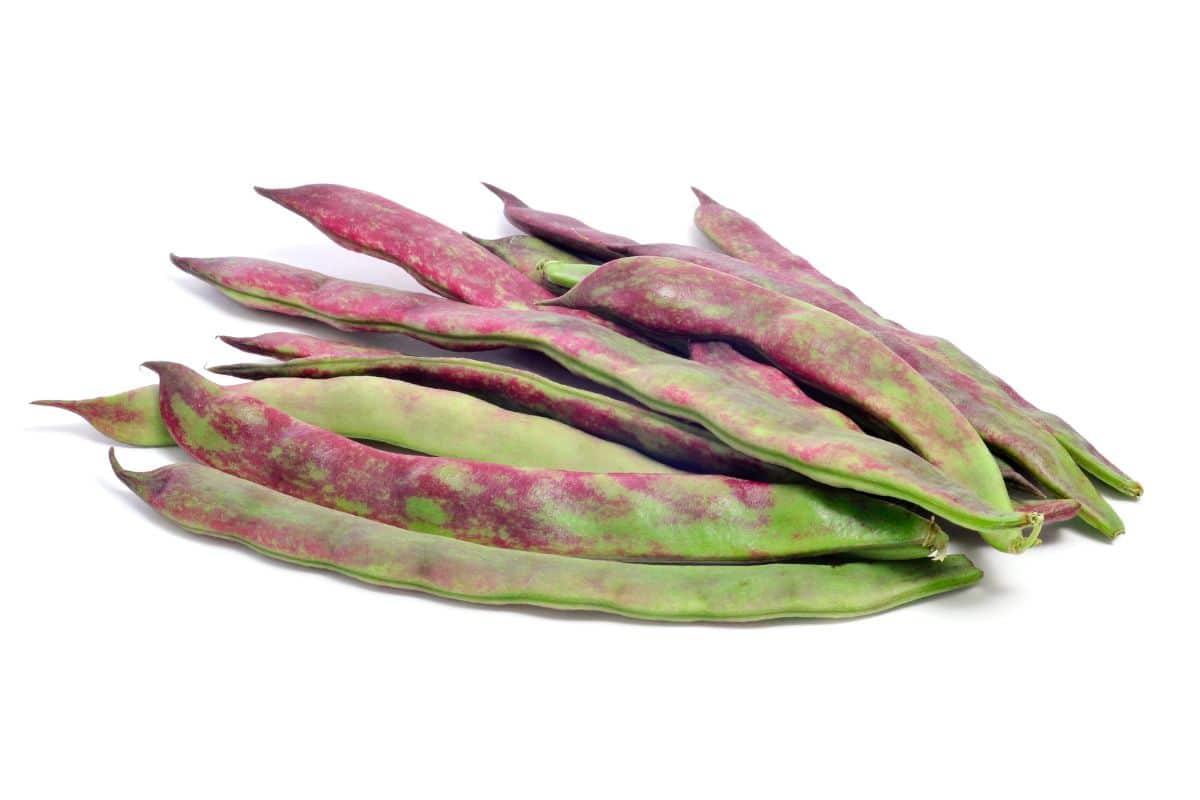
Origin and Flavor: These Mexican beans are also called purple runner beans. They are related to kidney beans but are a bit smaller, and have a mildly nutty flavor and a slightly starchy texture.
Uses: Ayocote morado is often used in quite a few traditional Mexican dishes, like stews and soups. They hold their shape well when cooked, and their color adds a little flare to your cooking. The beans are also sometimes used in salads or as a side dish.
Bayo Bean
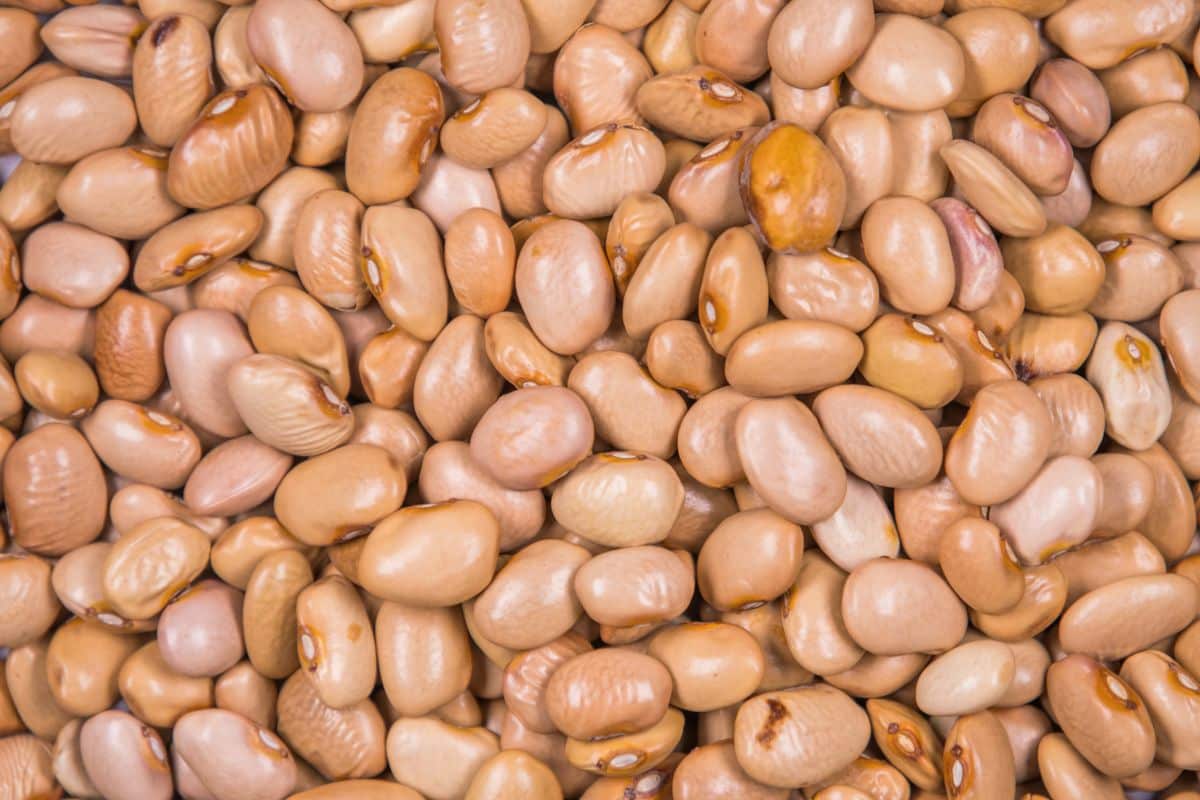
Flavor: Bayo Beans originated in Central Mexico thousands of years ago, and spread out from there. They are firm on the outside but have a creamy, almost buttery texture on the inside. Raw, they are brown to almost pinkish, but turn tan when cooked. They have a sweet earthy flavor.
Uses: Bayo beans are often used in Mexican cuisine because of their ability to absorb flavors well. This makes them great at absorbing the spices and seasonings used in frijoles de la olla, refried beans, and a variety of other Mexican favorites.
Beet
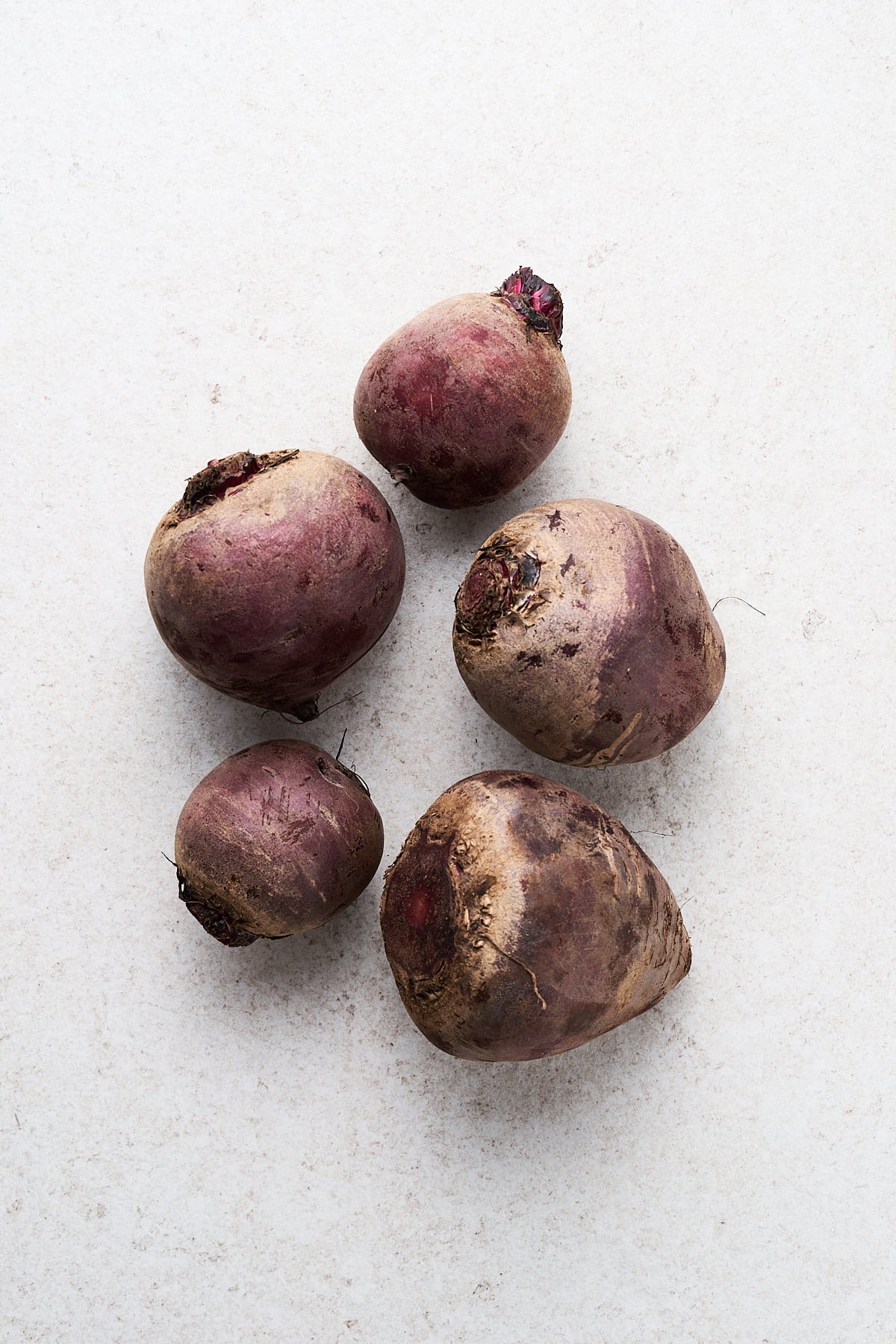
Origin and Flavor: Sometimes referred to as “betabel”, beets have a mildly sweet and earthy flavor with a tender texture. They did not originate in Mexico. They are native to areas around the Mediterranean sea, and were probably first cultivated in Ancient Egypt. They are, however, commonly used in Mexico especially around Christmas.
Uses: In Mexico, pickled beets are sometimes added to traditional dishes like tacos or used as a topping for tostadas. Additionally, the leaves of the beet plant, known as “betabel greens” or “acelgas,” are also consumed as a leafy green vegetable in Mexican cooking.
Bell Pepper
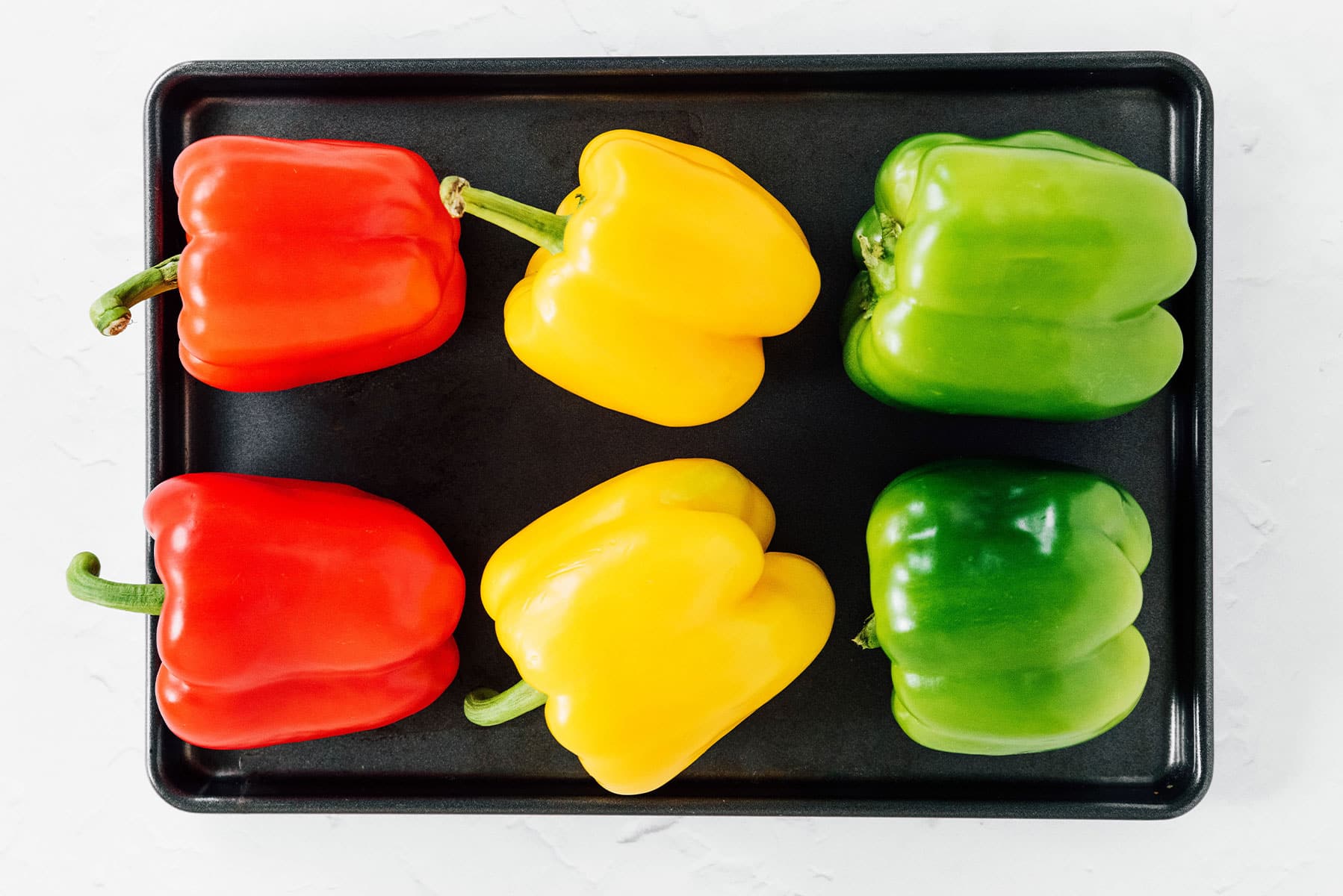
Origin: Bell peppers are commonly known as “pimiento morrón” or simply “pimiento” in Mexico. Many peppers are native to Mexico, but the bell pepper isn’t one of them. Peppers were taken back to Europe by Christopher Columbus on one of his several voyages, and became popular there.
Bell peppers were developed in Europe and brought to North America in the early 19th Century. Today, China is the world’s largest producer of bell peppers, but we are still going to include them as a Mexican vegetable because we can’t make fajitas without them. Personally, I tend to stack them so high in fajitas that I can’t fold over the tortilla!
Flavor: Bell peppers have a sweet and slightly tangy flavor, and their flavor can vary slightly based on the color which is generally green, red, yellow, or orange. There are, however, also purple, white, brown, and stripped bell peppers. They are one of the few peppers with no spiciness. This is known as a Schiller Heat Unit rating of zero.
Uses: For our money, the best use of bell peppers, not just in Mexican cuisine, is in fajitas. That said, they are great in chiles rellenos (stuffed peppers), salsas, and stir-fries. Their vibrant colors and crisp texture make them a versatile ingredient in both cooked and raw preparations.
Black Beans
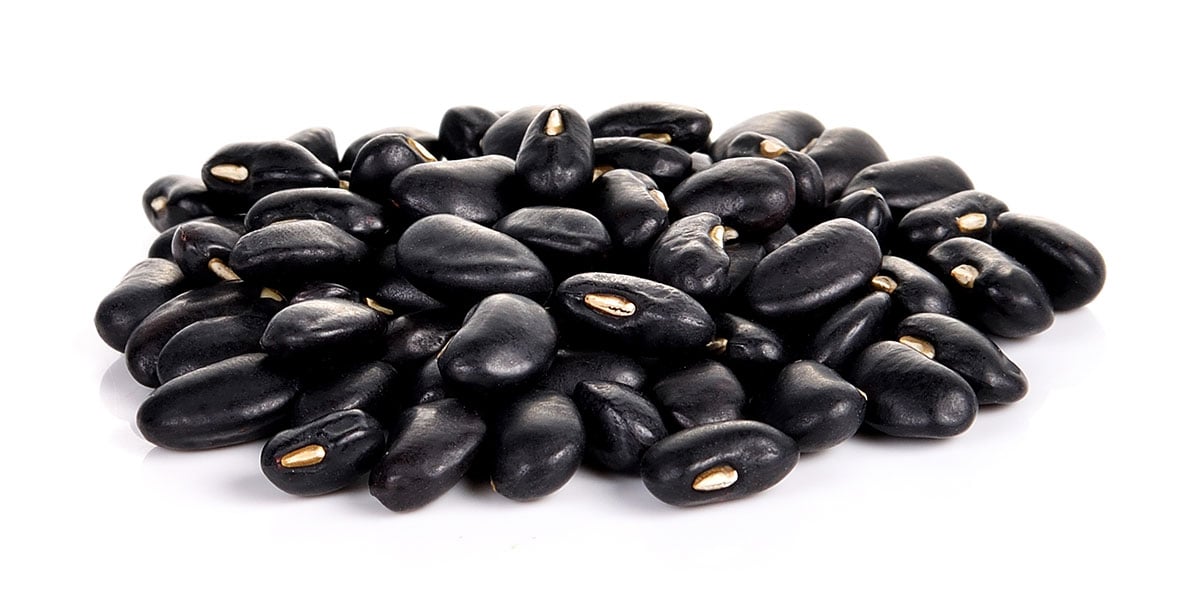
Origin and Flavor: Also known as Frijoles Negros, they have a dense, earthy flavor with a slightly creamy texture when cooked. Black beans are native to Central and South America, and were eaten by indigenous people over 7,000 years ago.
Uses: Black beans are a staple in Mexican cuisine, and refried beans may be their most popular use. In short, the beans are cooked, mashed, and then fried. Black beans are also used in burritos, enchiladas, tacos, and bean soup.
Cactus (Nopales)
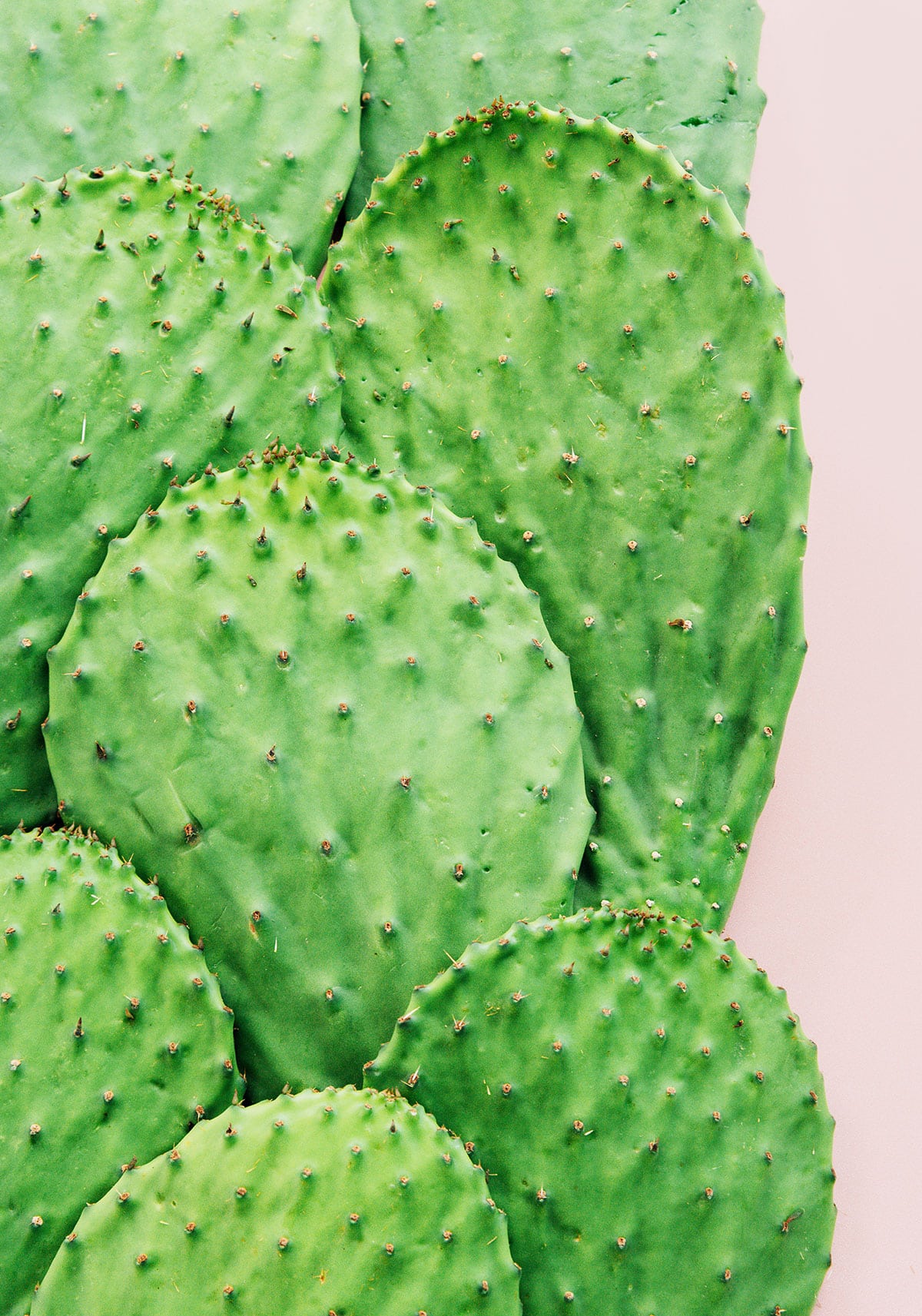
Flavor: Nopales are also called the Prickly Pear Cactus. They have a somewhat tart and tangy flavor, and a crunchy texture similar to green beans or okra.
Uses: Nopales are used fairly commonly in Mexican cuisine. They are used in salads, stews, and side dish recipes. They can be grilled, sautéed, or boiled and are often found in recipes for tacos, scrambled eggs, or even salsa.
Calabaza
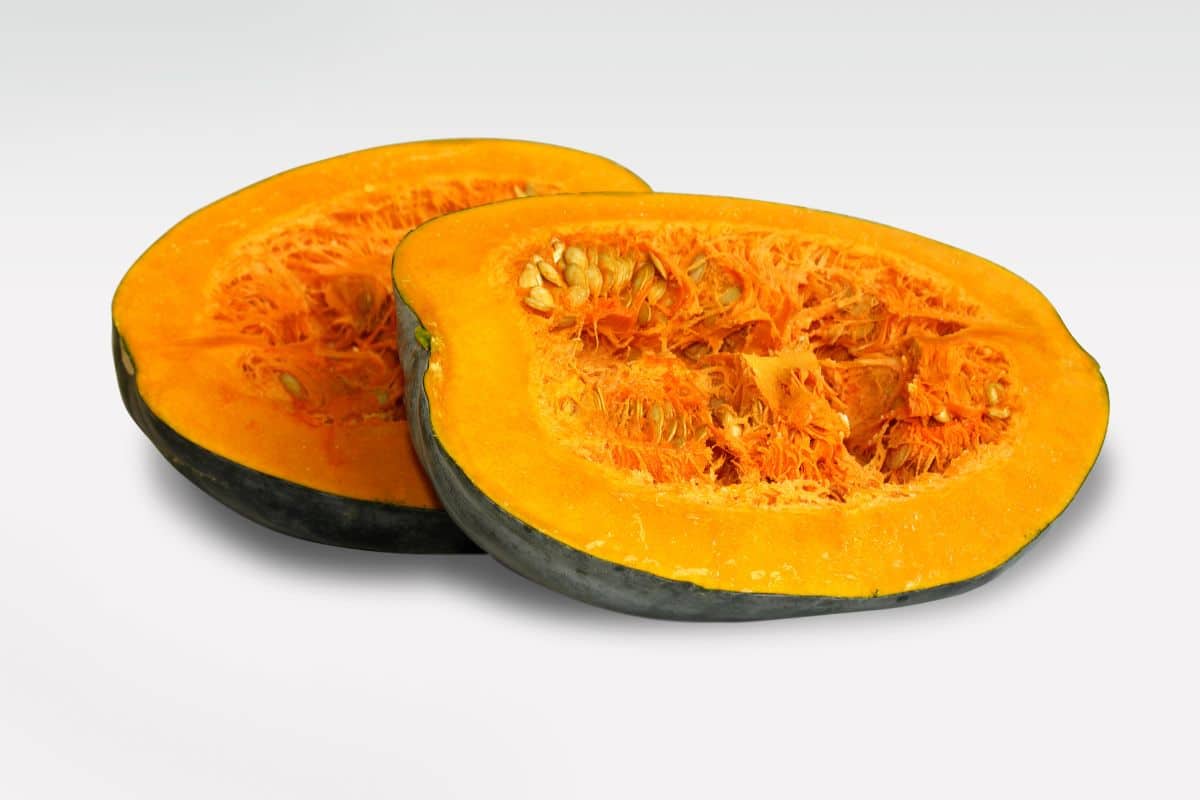
Origin and Flavor: Calabaza is also called the Mexican Squash or West Indian Pumpkin. It has a sweet, nutty flavor similar to butternut squash. Squash are native to Central and South America and have grown in Mexico for thousands of years.
Uses: Calabaza is used in soups, stews, and even desserts. It can be roasted, sautéed, mashed, or pureed. One popular use is “Calabaza en Tacha,” which is candied calabaza eaten during the Día de los Muertos (Day of the Dead) celebration.
Calypso Beans
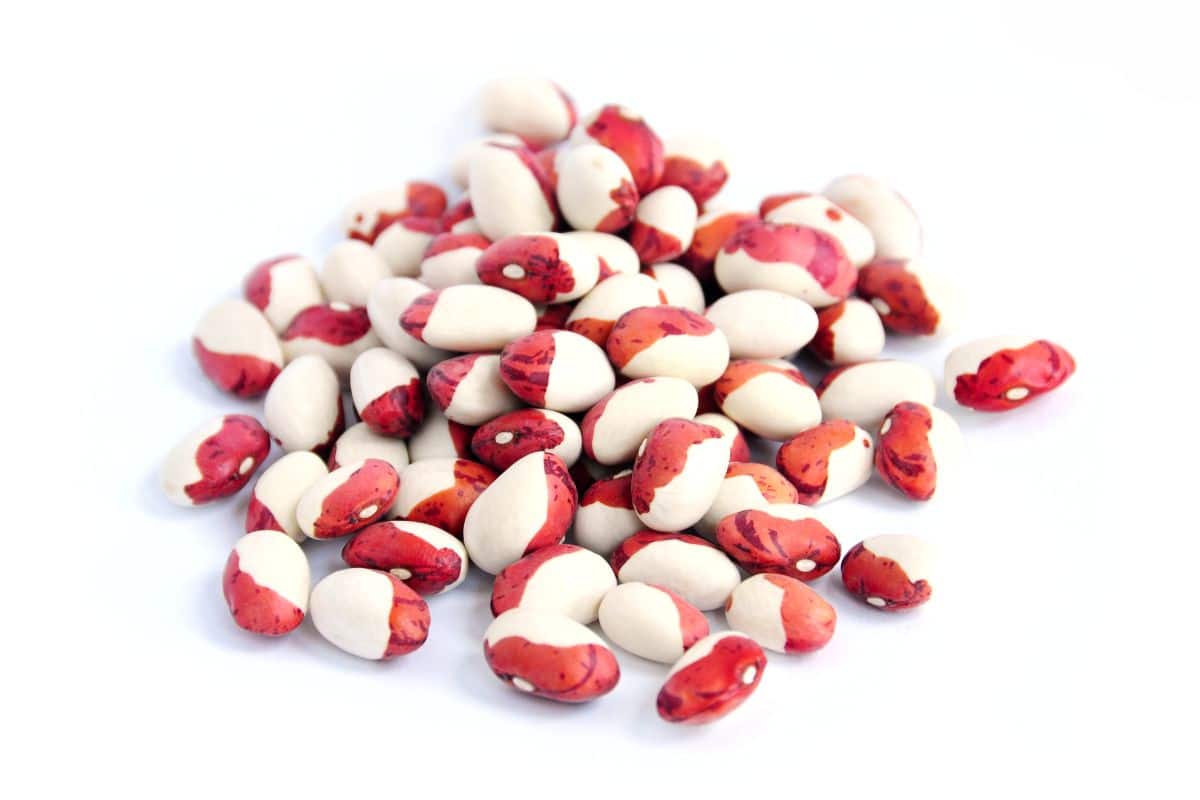
Origin and Flavor: Also called Frijoles Calypso, Yin Yang Beans, or Orca Beans, calypso beans have a creamy texture and a mild, nutty flavor. They originated as a hybrid of kidney beans in the Caribbean about 400 years ago. The unique black and white markings on calypso beans resemble the yin and yang symbols, which is how they got their alternate name “Yin Yang Beans.”
Uses: They are a good bean to use in any beans and rice recipe, and hold their shape well when cooked. They are also a great addition to salads or as a side dish.
Canary Bean
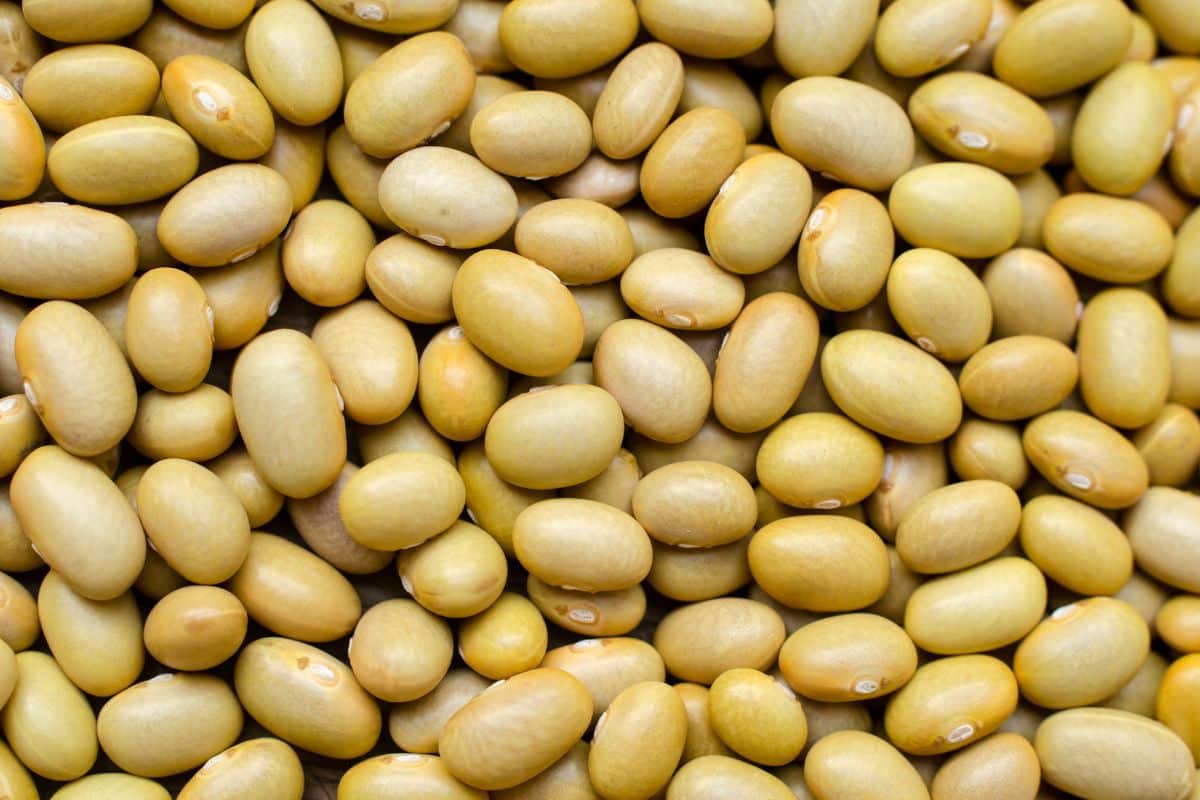
Flavor: Canary beans have a mild, creamy flavor and a slightly starchy texture.
Uses: They’re a staple in Mexican cuisine often used in dips, refried beans, and soups. They absorb flavors well, so they work in most bean recipes.
Chayote
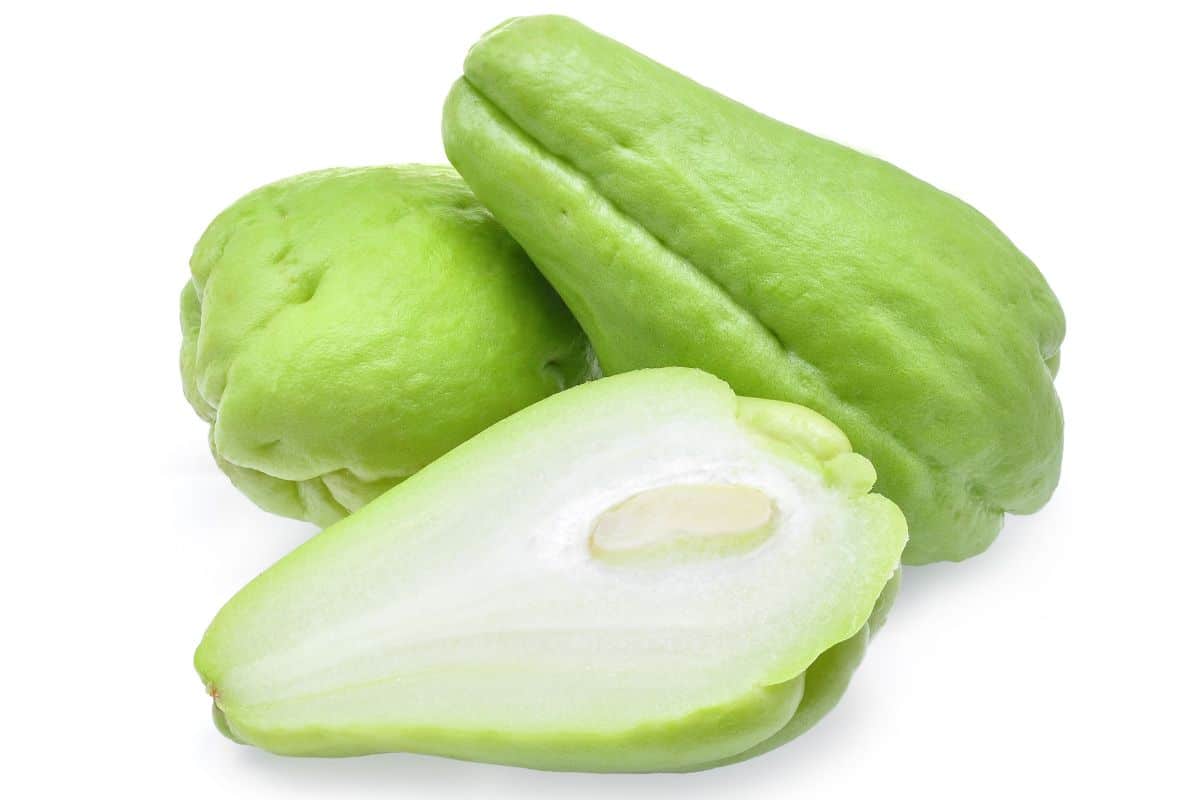
Origin and Flavor: Chayote are also called the vegetable pear, mirliton, or choko, and are native to Mexico, Guatemala, and Honduras. Chayotes have a slightly crisp texture similar to a cross between a cucumber and a potato if you can get your mind around that. Its flavor is often described as a mix between zucchini and pear, with a hint of cucumber.
Uses: Chayote is used in a variety of Mexican dishes, including soups, stews, salads, and side dishes. It can be cooked or eaten raw. It is also sometimes used as a filling for enchiladas or added to salsas for a refreshing crunch.
Chile de Árbol
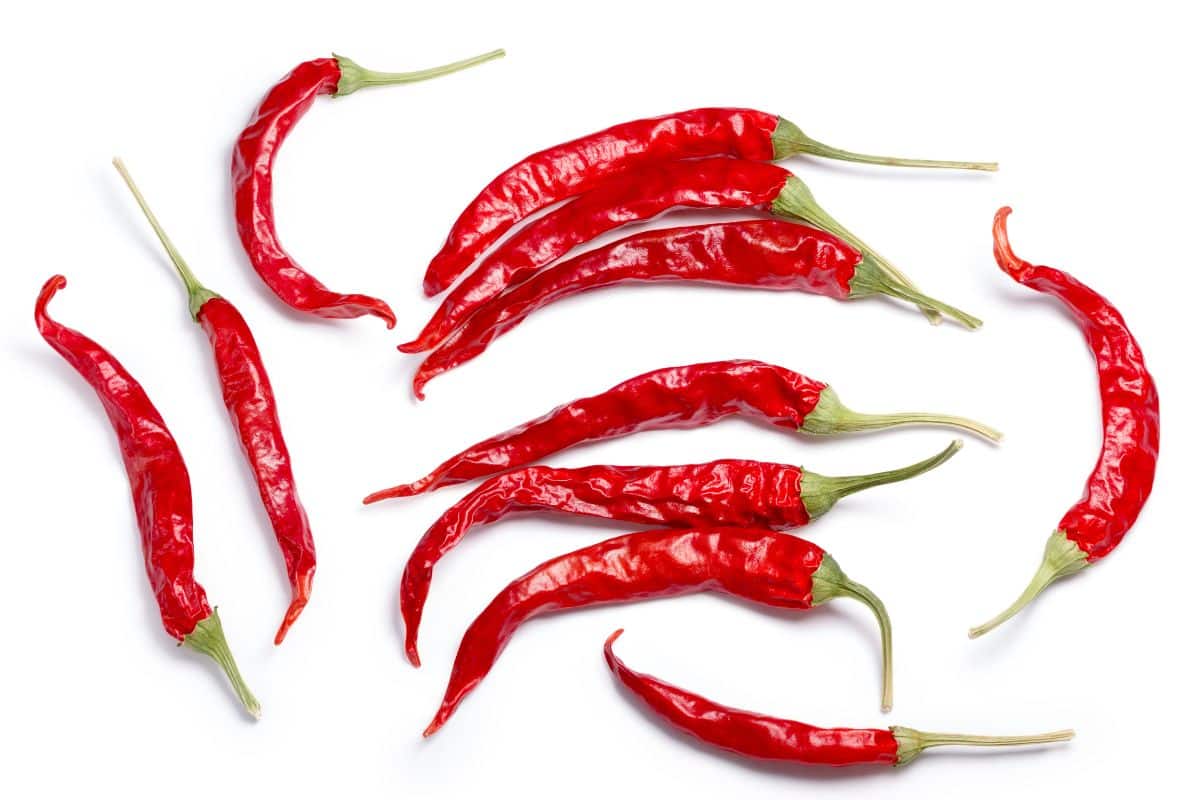
Origin and Flavor: Sometimes called the bird’s beak chile, it is known for its fiery heat and bright, slightly smoky flavor. The heat level can vary, but generally, it’s quite spicy. The Shiller Heat Unit (SHU) score is 15,000-30,000. If you aren’t familiar with the SHU ratings, this puts it several times hotter than Jalapenos. You can learn more about the SHU and other hot peppers here.
Uses: These chilies are often used to make spicy salsas, sauces, and marinades. They can also be dried and ground into a powdered spice to add heat and flavor to dishes. They are a staple in many Mexican recipes that require a kick of spiciness.
Chile Pasilla (Pasilla Chile)
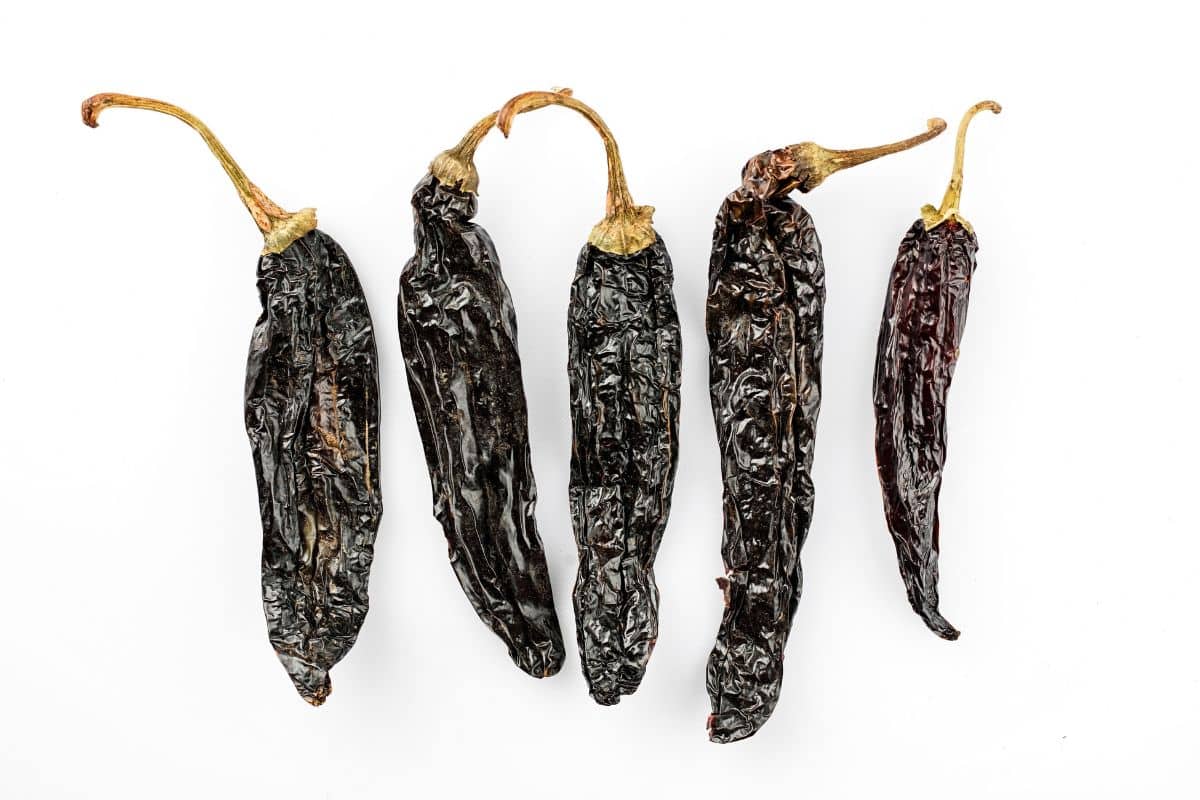
Origin and Flavor: This chile is known as Pasilla Bajio (when fresh) and chile negro (when dried). Pasilla chiles have a rich, smoky, and complex flavor with fruity undertones. They are mildly spicy, and their heat level is significantly lower than that of many other peppers with an SHU of 250-2500.
Uses: Pasilla chiles are often used in sauces, moles, and stews to add depth of flavor and a touch of mild heat. They are commonly dried and rehydrated before use, and their versatility makes them a key ingredient in various traditional Mexican dishes.
The name “pasilla” translates to “little raisin” in Spanish, which references the chile’s dark color and wrinkled appearance when dried. Pasilla chiles are an essential component of the “holy trinity” of chiles used in traditional mole sauces, along with ancho and mulato chiles.
Chiles
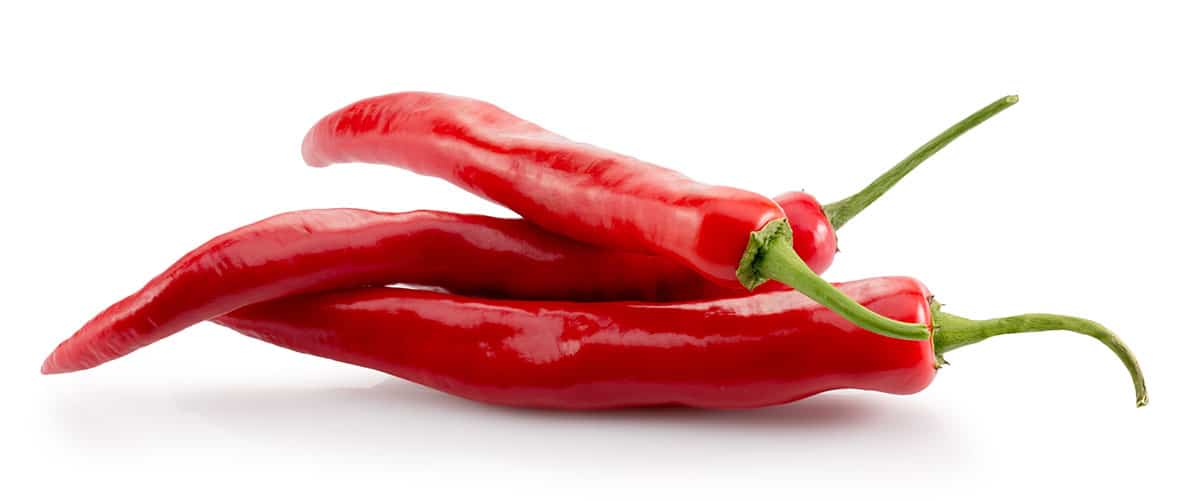
Origin and Flavor: Chiles can have a wide range of flavors, from mild and slightly sweet to intensely spicy and earthy. The flavor depends on the type of chili. When Spaniards arrived in the “New World” chiles were a whole new thing to them. They took the name directly from the Aztecs, and the Spaniards decided the word “chili” would mean “hot pepper,” because it reminded them of the spicy flavor of black pepper, which had been used in Europe for centuries.
Uses: Chiles are a fundamental part of Mexican cuisine. They add both heat and flavor to cooking. They are used in salsas, moles, sauces, stews, and even beverages like Micheladas. They can be dried, roasted, pickled, or used fresh.
Chipotle
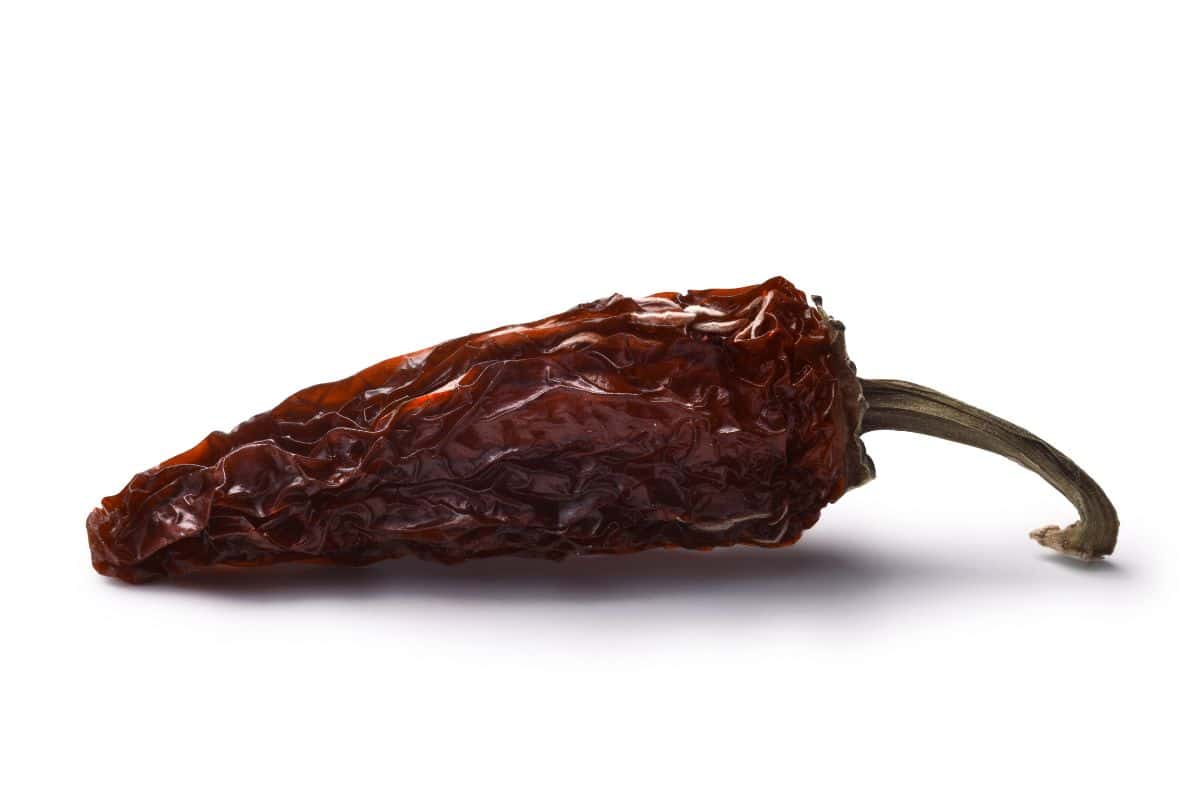
Origin and Flavor: Chipotles are smoke-dried ripe jalapeño chili peppers used for seasoning, often referred to as “smoked chiles” due to the process by which they are prepared. They have a moderate level of heat and a great smoky flavor. The name “chipotle” comes from the Nahuatl (Aztec) word “chilpoctli,” which means “smoked chili.”
Uses: Chipotles are usually sold in canned adobo sauce. They are used to flavor everything from chili to salsas, marinades, and soups.
Corn
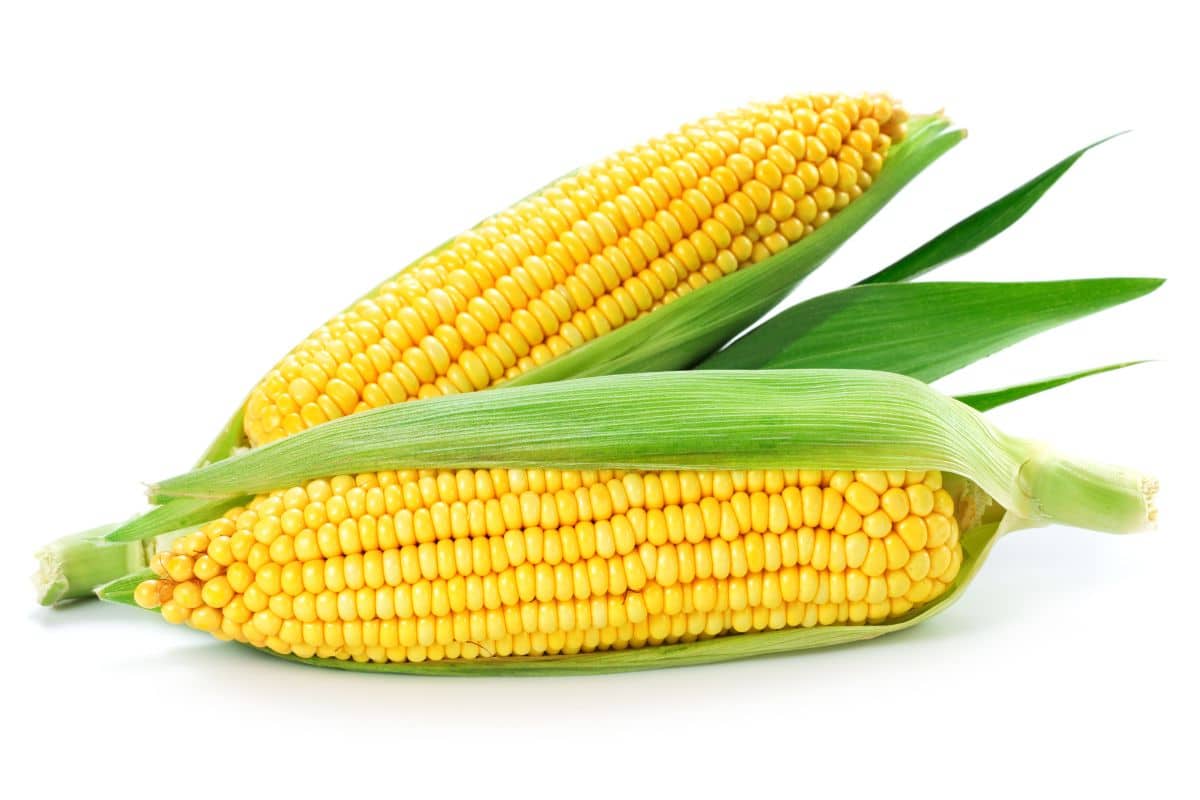
Flavor: Corn is known as maíze in Mexico, and is well known for its naturally sweet and earthy flavor. It has been a staple in the diets of people across the Americas for thousands of years and remains a large part of Mexican cuisine.
Uses: Corn is used to make tortillas, tamales, pozole, and many other dishes. It can be eaten on the cob, roasted, grilled, or ground into masa (dough) to make tortillas and other maize-based dishes.
Cucumber
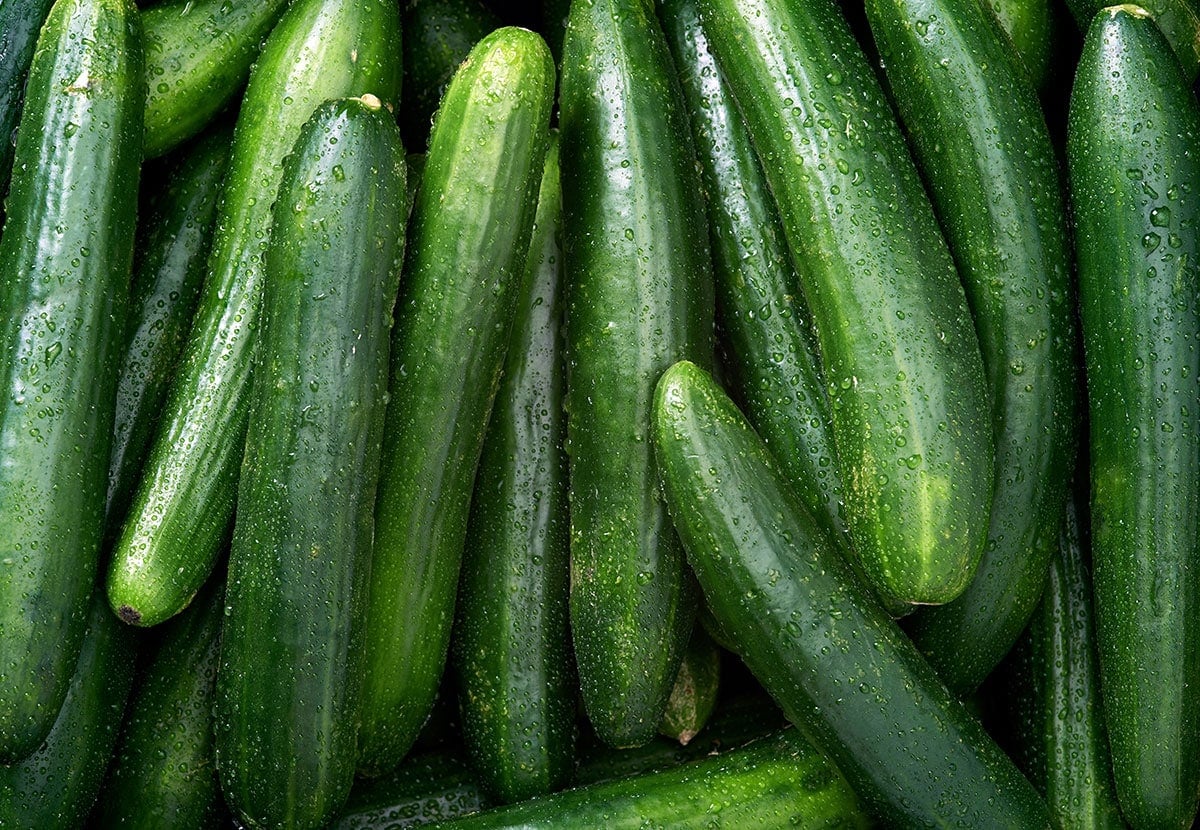
Origin: It seems like we are cheating by putting cucumbers on the list of Mexican vegetables, as they are neither native to Mexico nor vegetables. Cucumbers originated in India but are today grown around the world, including in Mexico. They are also technically fruits, but we use them in the kitchen like vegetables.
Uses: Cucumbers certainly have a place in Mexican cuisine, including pepinos con chile, a popular Mexican cucumber snack or street food that translates to “cucumbers with chili.” It is a simple yet delicious dish made with sliced cucumbers seasoned with chili powder, lime juice, and salt.
Ejotes
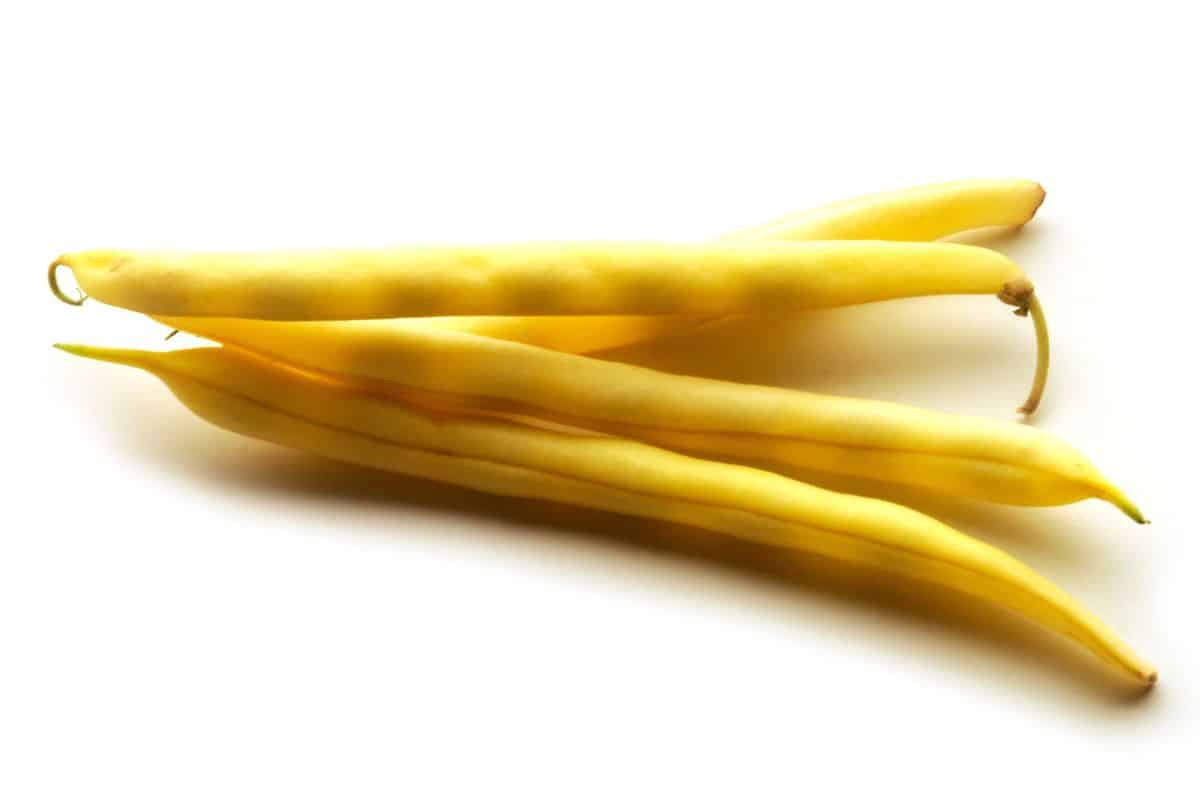
Origin and Flavor: In the USA we know these as green beans or string beans, but they are native to Central and South America. We feel silly telling you what green beans taste like, so suffice to say they are slightly sweet with an earthy flavor and crisp texture.
Uses: Green beans definitely have a place in Mexican cuisine. They can be included in stews like “caldo de ejotes,” in salads, and as a side dish to complement main courses. They are also sometimes included in traditional dishes like “chiles en nogada,” which are stuffed poblano peppers, or in ejote a la Mexican (Mexican-style green beans).
Epazote
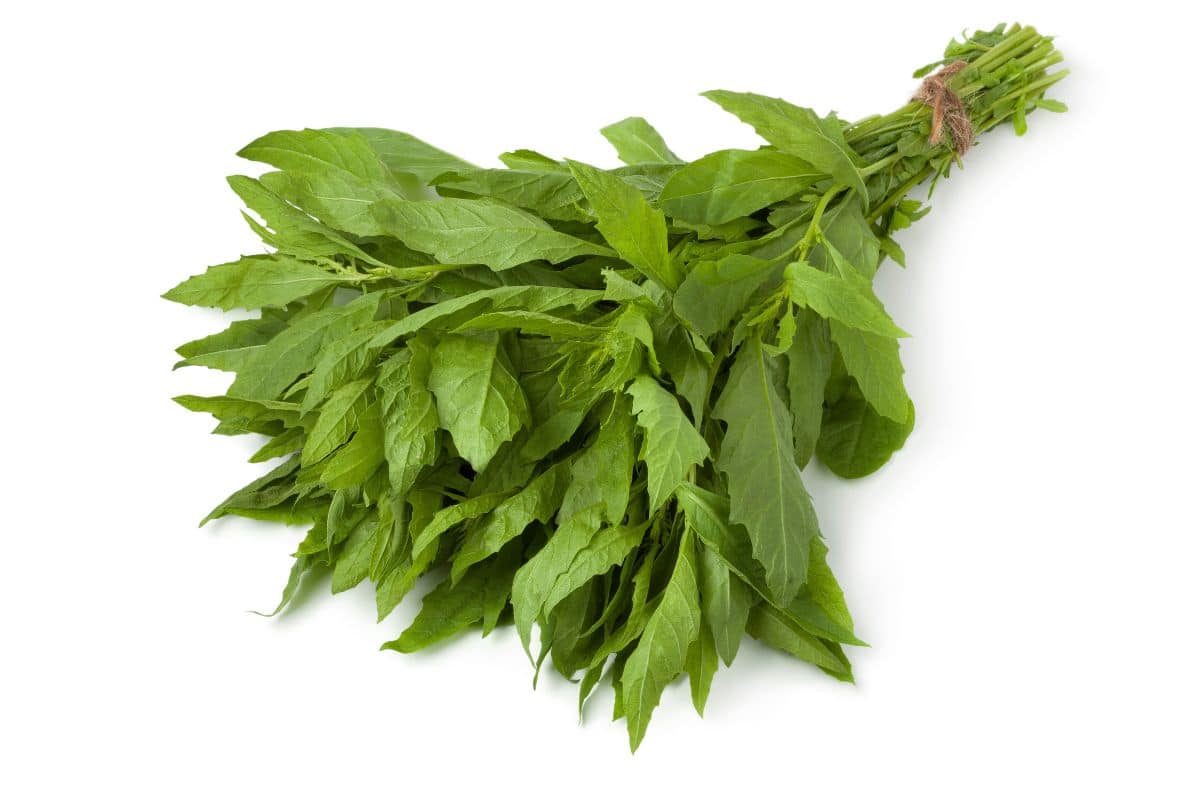
Origin and Flavor: Also known as Mexican tea, it is an important herb in Mexican cooking, especially bean dishes. Epazote has a strong, pungent flavor with citrus and earthy undertones. Some describe its flavor as a combination of oregano, anise, and mint.
Uses: Epzote is believed to help reduce the gas-producing effects of beans. It’s used in dishes like “frijoles de la olla,” a traditional bean stew, and “quesadillas de flor de calabaza con epazote,” which combine it with squash blossoms in quesadillas.
Flor de Mayo
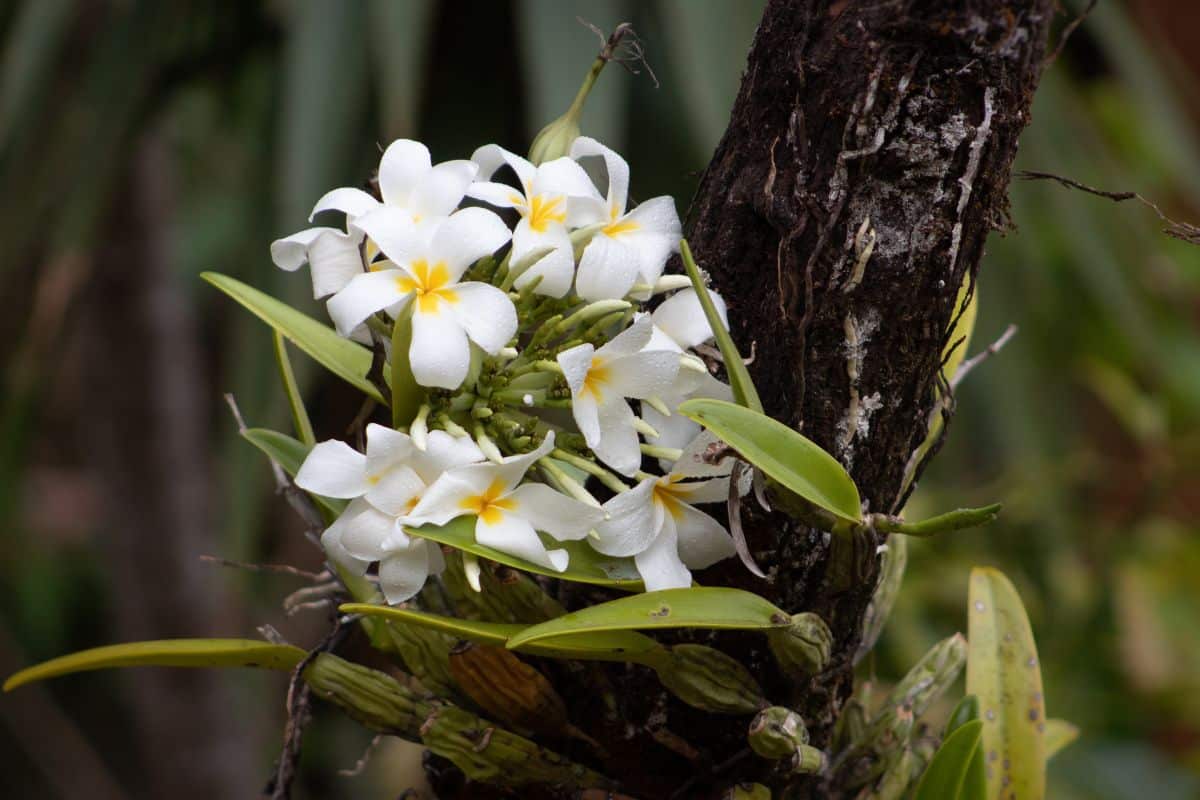
Origin and Flavor: You may see this called mayflower, Mayan dayflower, or commelina diffusa. Flor de Mayo is a type of edible flowering plant, and its delicate blue petals are used in various culinary applications. The flavor of flor de Mayo is mild and slightly sweet, and it is often used in traditional Mexican dishes, particularly in the Yucatan region.
Uses: It’s often added to soups, stews, and salads. It’s known for its use in dishes like “sopa de lima,” a Yucatecan lime soup, in which the petals are added for both flavor and color.
Garbanzo Bean
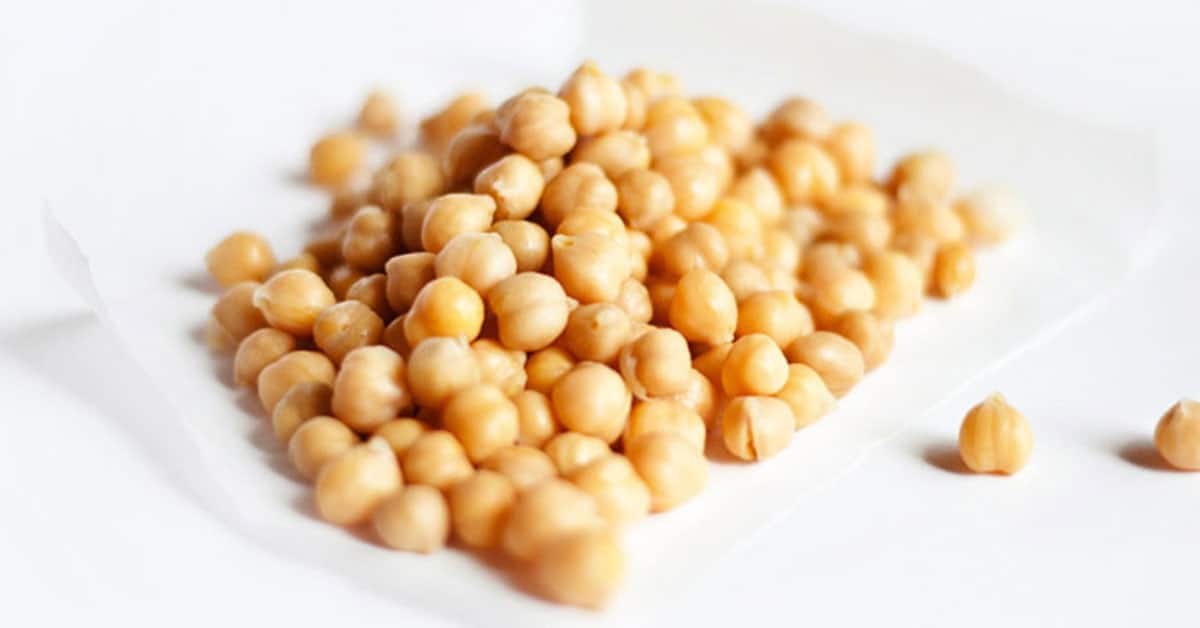
Origin and Flavor: Also known as chickpeas, they are not native to Mexico. Their origin appears to be out of Europe over 5,000 years ago. Mexico is, however, one of the world’s top 10 producers of chickpeas today. Garbanzo beans have a nutty and earthy flavor with a slightly starchy texture.
Uses: Garbanzo beans have many uses in Mexican cuisine. They are popular in Sopa de Garbanzos, a chickpea soup often made with a tomato-based broth, vegetables, and sometimes chunks of meat. You might also try Ensalada de Garbanzos, a chickpea salad made with cooked chickpeas, tomatoes, onions, cilantro, lime juice, and spices, or perhaps Tacos de Garbanzos.
Chickpeas are not only used in savory dishes but are also used to make sweet treats like garbanzo bean fudge, known as “dulce de garbanzo.”
Guajillo Chile
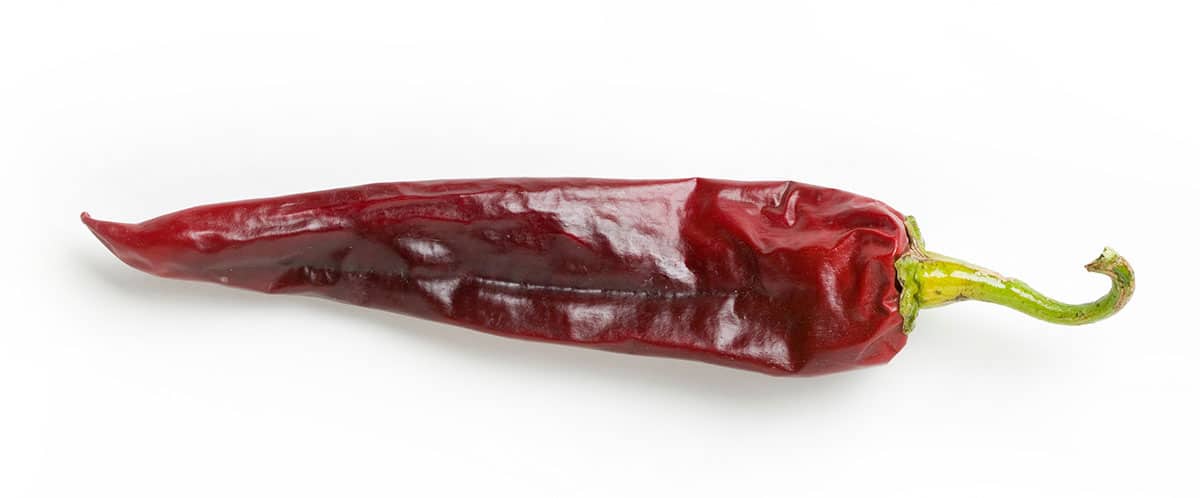
Origin and Flavor: Guajillo chiles are dried chili types of peppers produced in Mexico. They are deep red peppers that are moderately spicy and have a slightly sweet flavor often described as smoky and tangy. Their Shiller Heat Unit (SHU) score of 2,500 to 5,000 puts them just a bit milder than Jalapenos.
Uses: Guajillo chiles are used in sauces, salsas, and stews. They are often toasted and soaked before being blended into sauces like adobo or enchilada sauce. Guajillo chiles are also used in marinades for meats and poultry. When buying guajillos look for peppers that feel firm but not too tough.
Habanero Pepper
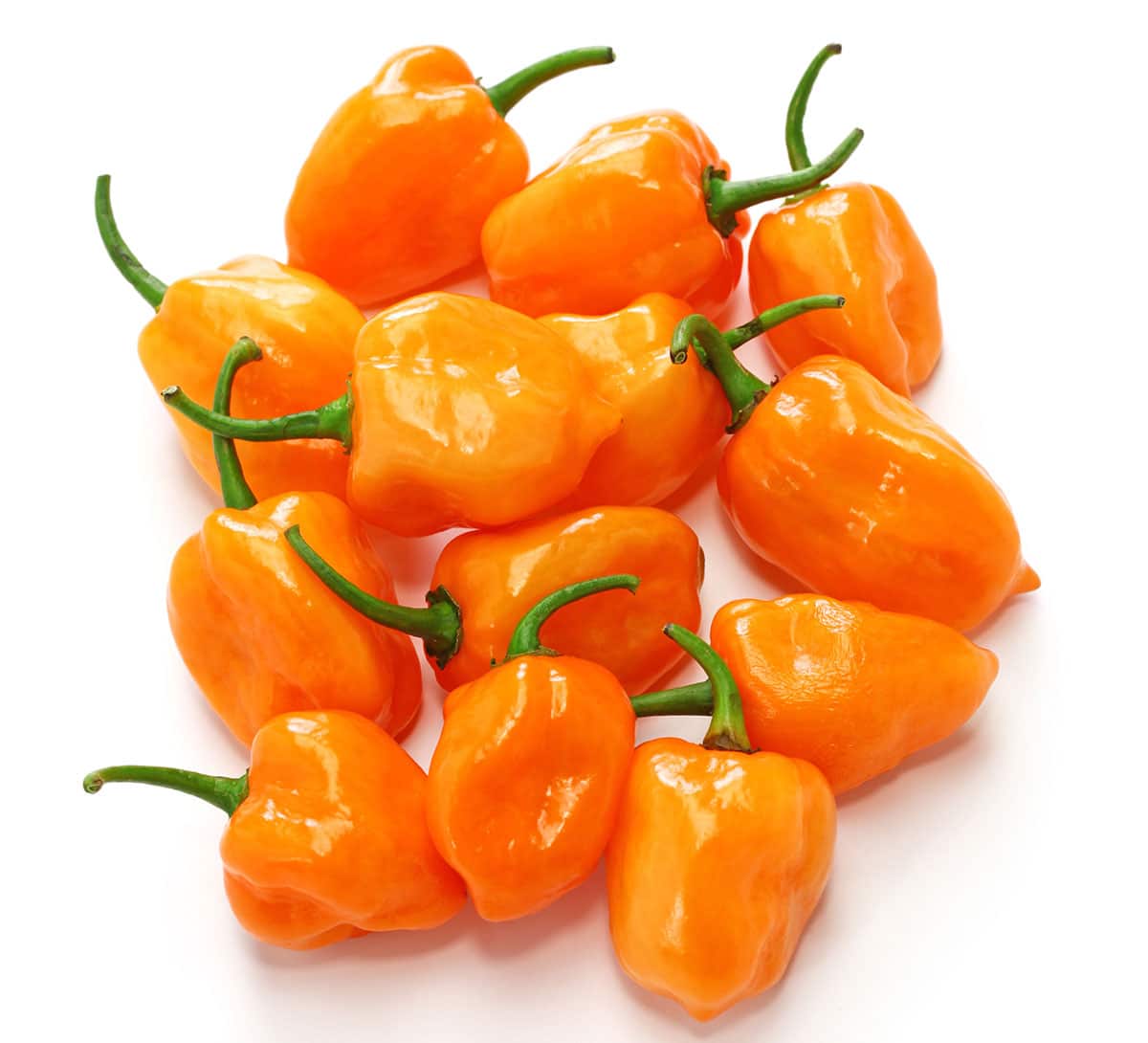
Origin and Flavor: Habaneros are referred to as “habaños” in Mexico. The habanero pepper is native to the Yucatan Peninsula in Mexico, and has become one of the most well-known and widely cultivated chili peppers in the world. It was named after the Cuban city of La Habana (Havana) though it originated nowhere near Cuba. Havana was just a long time hub for the sale of all sorts of peppers.
They are crazy spicy and have a fruity tropical flavor if you can get past the heat to taste them. They range from 100,000 to 350,000 Scoville Heat Units (SHU) on the Scoville scale, making them one of the hottest chili peppers.
Uses: Habanero peppers add heat and flavor to salsas, marinades, and sauces. They are also used to make the famous condiments “salsas de habanero.” They can also be pickled or added to soups and stews to infuse them with their fiery flavor.
Huauzontle
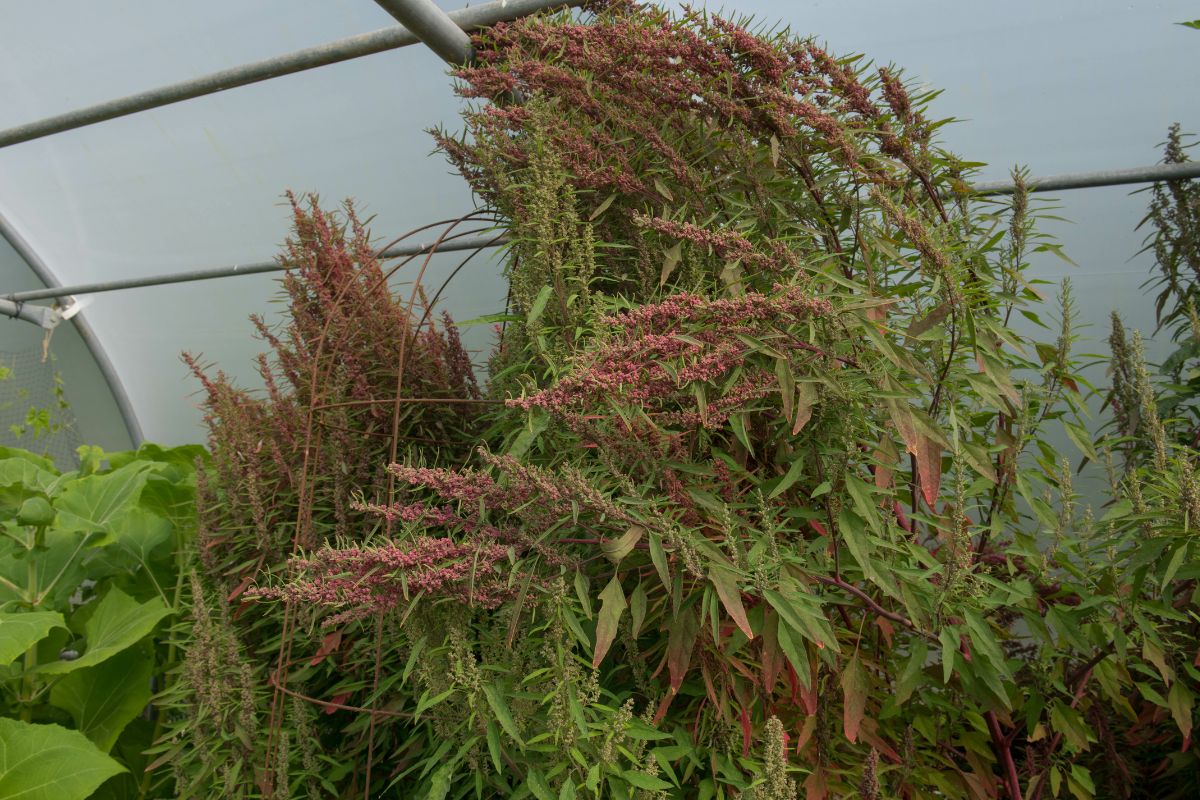
Origin and Flavor: Huauzontle, also called Aztec broccoli, has an earthy flavor with a bit of bitterness, similar to spinach or chard. It is a traditional Mesoamerican crop that has been cultivated for centuries. It was a staple in Aztec cuisine and remains popular in Mexican cooking today.
Uses: Huauzontle is often used in traditional Mexican dishes like soups, stews, and casseroles. The tender young shoots and leaves are commonly used in specialties like “huauzontle en caldillo,” which is a soup made with a tomato-based sauce. The plant’s edible flower clusters are sometimes battered and fried, similar to tempura, and served as a side dish or appetizer.
Huitalacoche
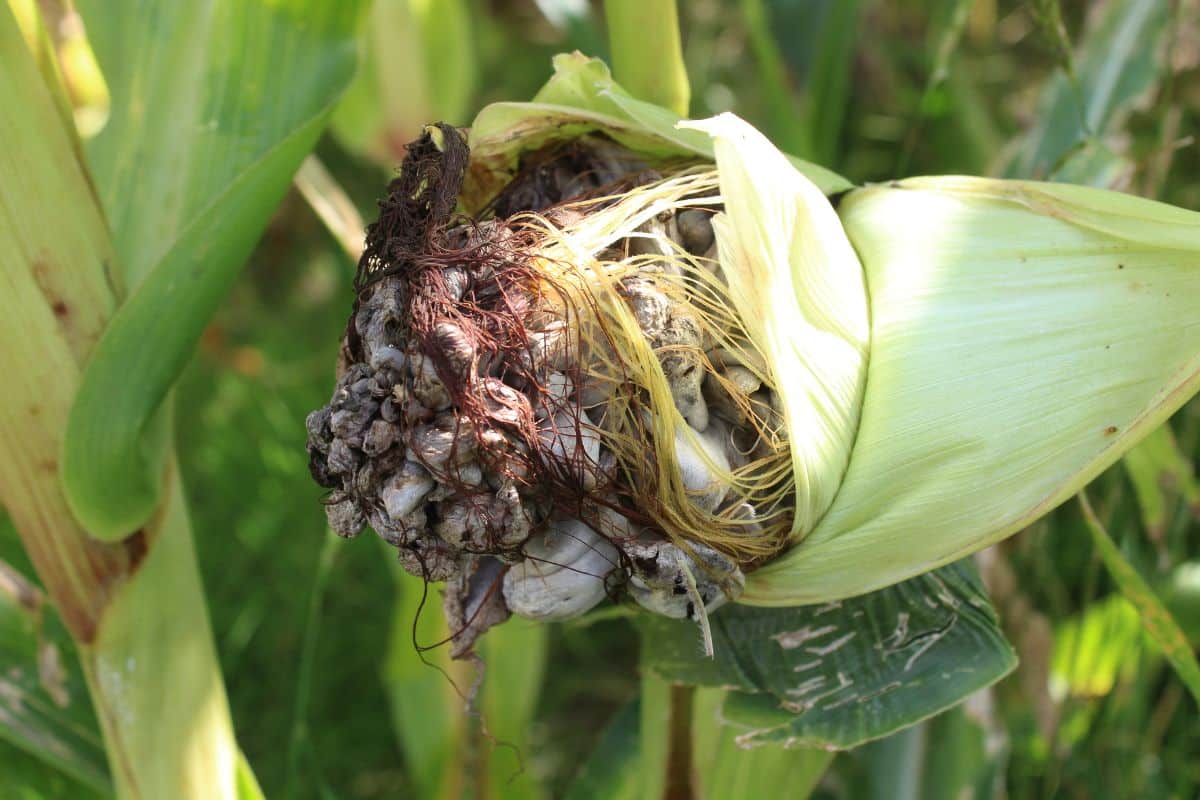
Origin: Huitalacoche is a type of fungus that infects corn. It forms distinctive black or grayish galls on the ears of corn but is edible and has been eaten for centuries in Mexico. It has a rather unique earthy, smoky, and slightly sweet flavor. It is also known as corn smut or Mexican truffle, which we can only assume is a bit of sarcasm.
Uses: It’s often used in quesadillas, tamales, and soups.
Jalapeño Pepper
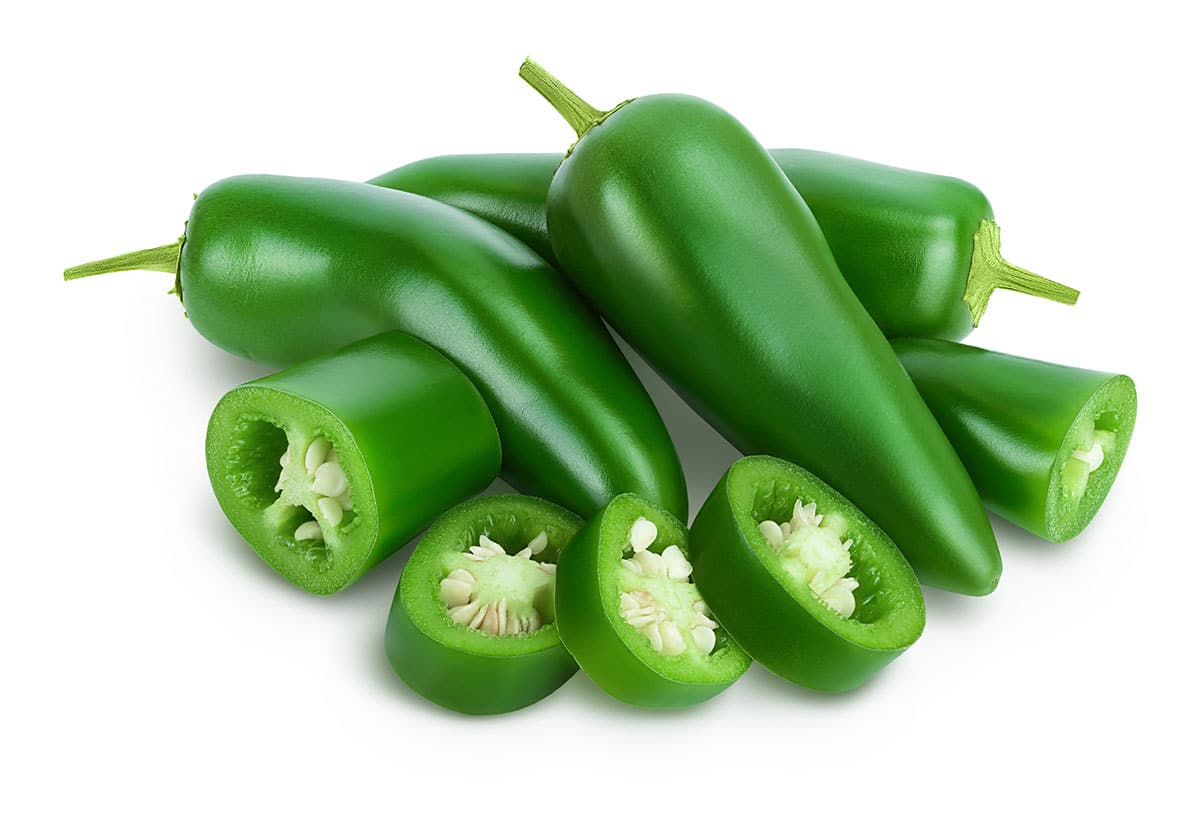
Origin and Flavor: The name “jalapeño” is derived from the city of Xalapa (sometimes spelled Jalapa). The jalapeño pepper is a medium-sized chili pepper, usually green when young and maturing to red or orange. It has a slightly wrinkled appearance and a medium to high level of spiciness. This is the first pepper that, for most people, starts getting “hot”. As the SHU rating (1000-8000) suggests, there is a pretty wide range of heat in jalapenos depending on where they are grown.
Uses: The jalapeno is one of the most commonly used peppers in cooking and are a great add to blender salsas, vegetarian chilis, or try it stuffed with cheese in the form of these vegetarian jalapeno poppers! This may not be a Mexican recipe, but they sure are good.
Jicama
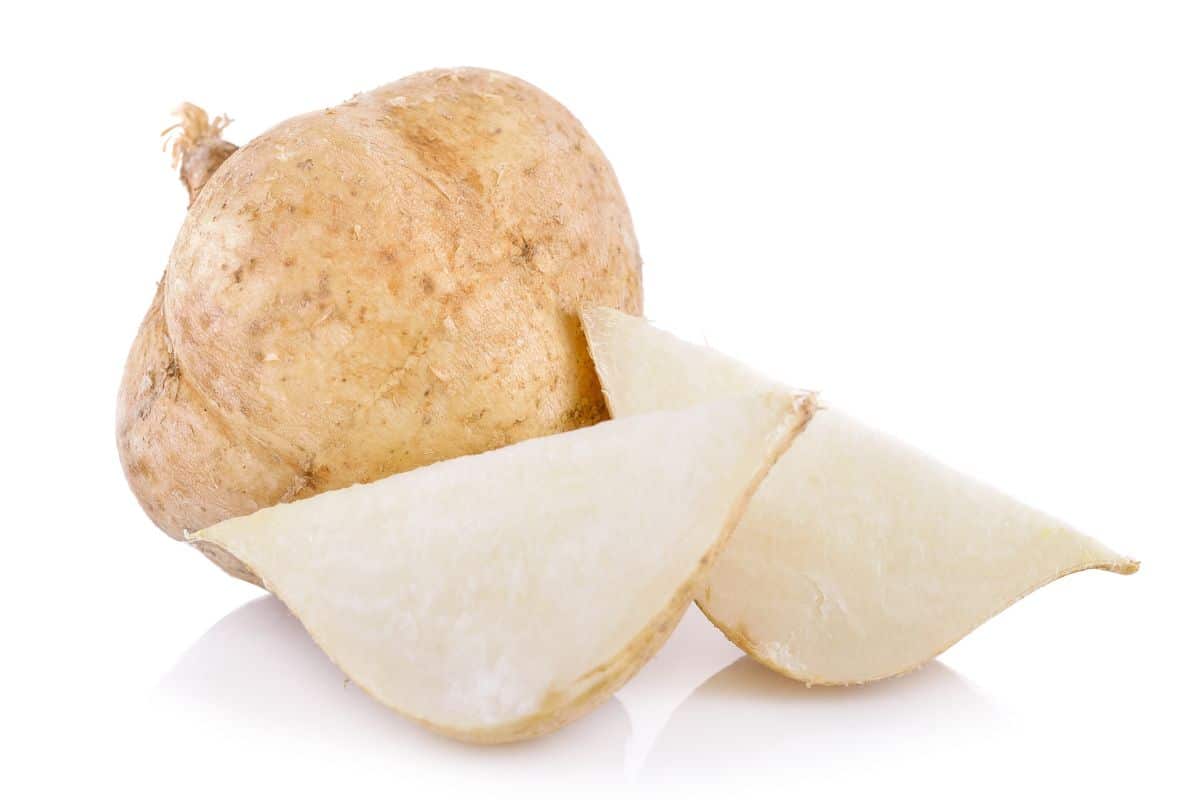
Origin and Flavor: The jicama is also known as the Mexican yam bean or Mexican turnip. It is a root vegetable with a rough, brown outer skin and crisp, juicy, white flesh inside. Jicama is very low in calories but loaded with fiber. Its mild, slightly sweet flavor and crisp texture make it a common ingredient in Mexican cuisine.
Uses: Jicama is commonly eaten raw. It’s often sliced into thin sticks or rounds and served with lime juice and chili powder as a crunchy snack. We like it in these jicama wraps.
Lechuga (Lettuce)
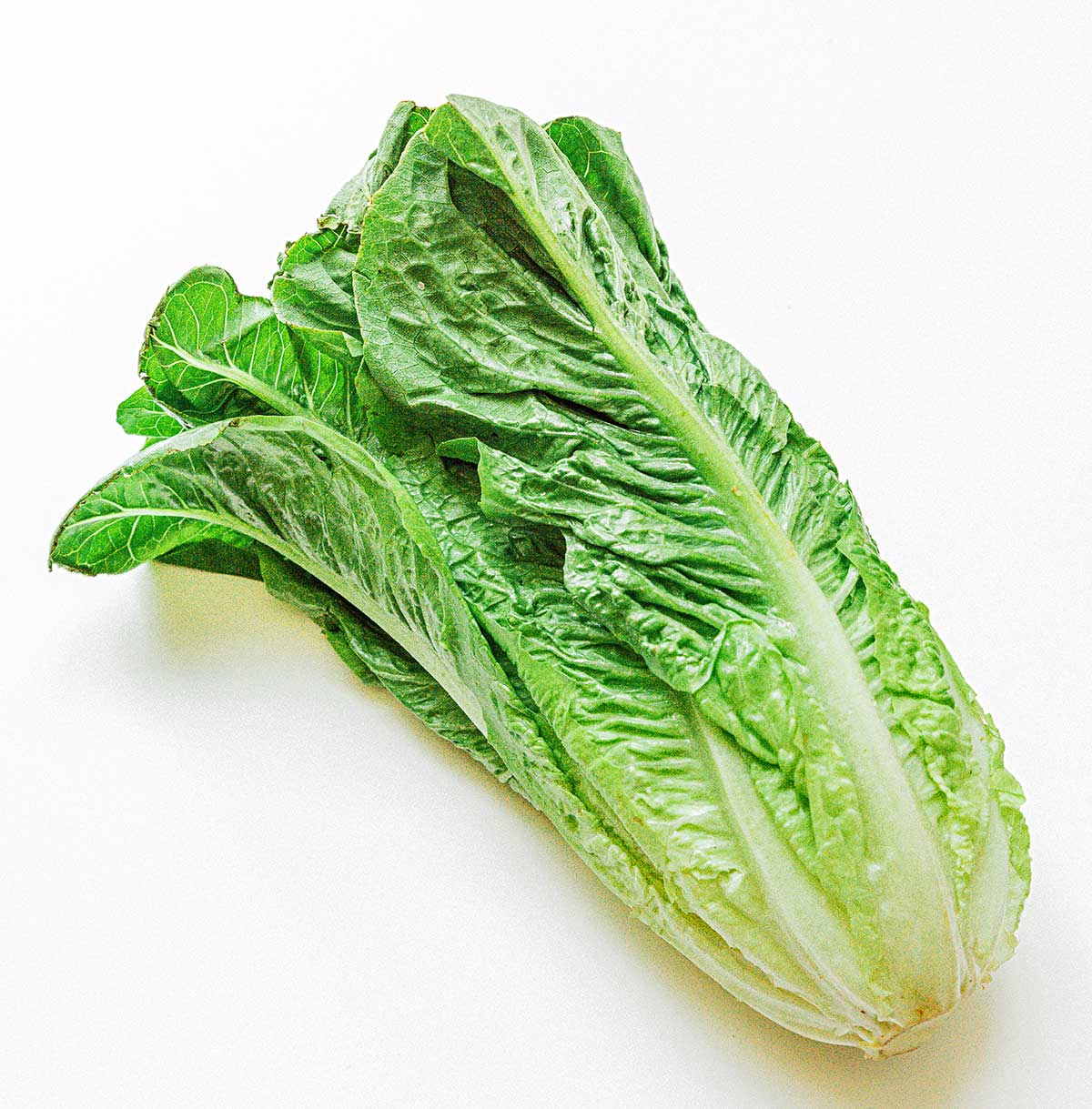
Origin and Uses: Lettuce is native to both North America and Mexico. It forms the base for Mexican salads, including the popular US taco salad. It is also used in Mexican sandwiches (tortas) and tacos.
Moro (Black-Eyed Pea)
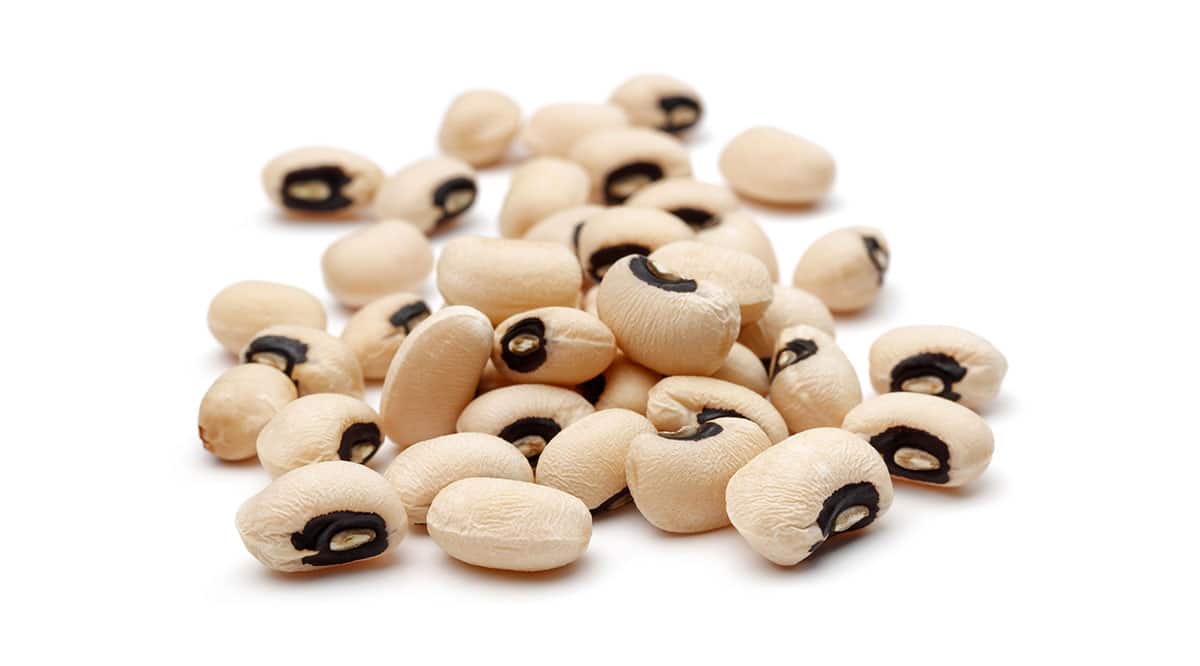
Origin and Flavor: In Mexico black-eyed peas are called Moro or Ojo de Venado, which translates to “deer eye.” Black-eyed peas have a nutty earthy flavor with a creamy texture when cooked.
Uses: Moro is used extensively in Mexican cuisine. One favorite is “Sopa de Ojo” (black-eyed pea soup), and it can also be found in stews, salads, and sometimes even in tamales or taco fillings.
Mushrooms
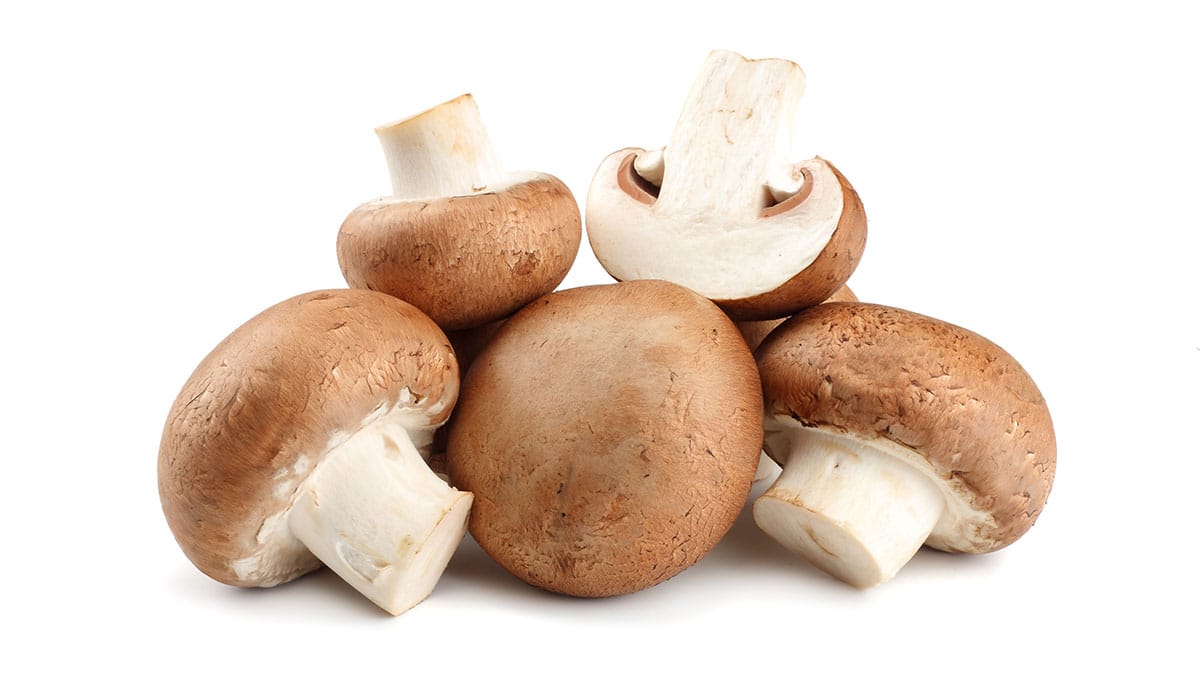
Origin: Mushrooms have been an important part of Mexican cooking since before the Spanish arrived. One of the most noteworthy forms of fungus in Mexican cuisine is the huitlacoche that grows on corn and is used in some specialized Mexican cuisine. Check out the huitlacohe’s entry above.
Uses: More common mushrooms are also used in Mexican cooking like sauteed mushrooms as a popular filling for griddled quesadillas and corn empanadas in central Mexico.
Onion (Cebolla)
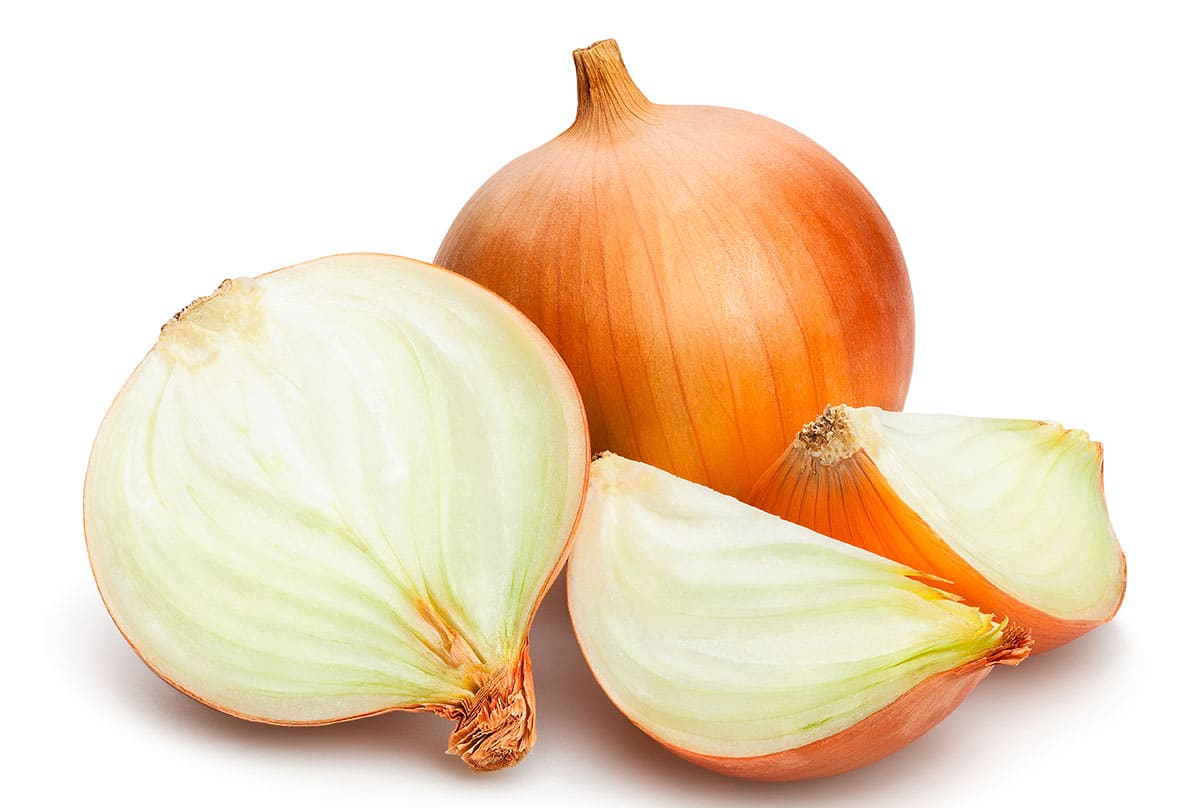
Origin and Flavor: Onions are well known for their pungent and slightly sweet flavor when cooked. Their flavor intensity varies between the many varieties.
Uses: Onions are a staple in many cuisines around the world. In Mexican cuisine, they are often used to provide flavor to a wide variety of dishes to include fajitas, guacamole, salsas, and a host of others normally grilled or sauteed. Though not a hard rule, white onions are generally used in cooked cuisine and red onions in raw like salads or guac.
Peruano Pepper
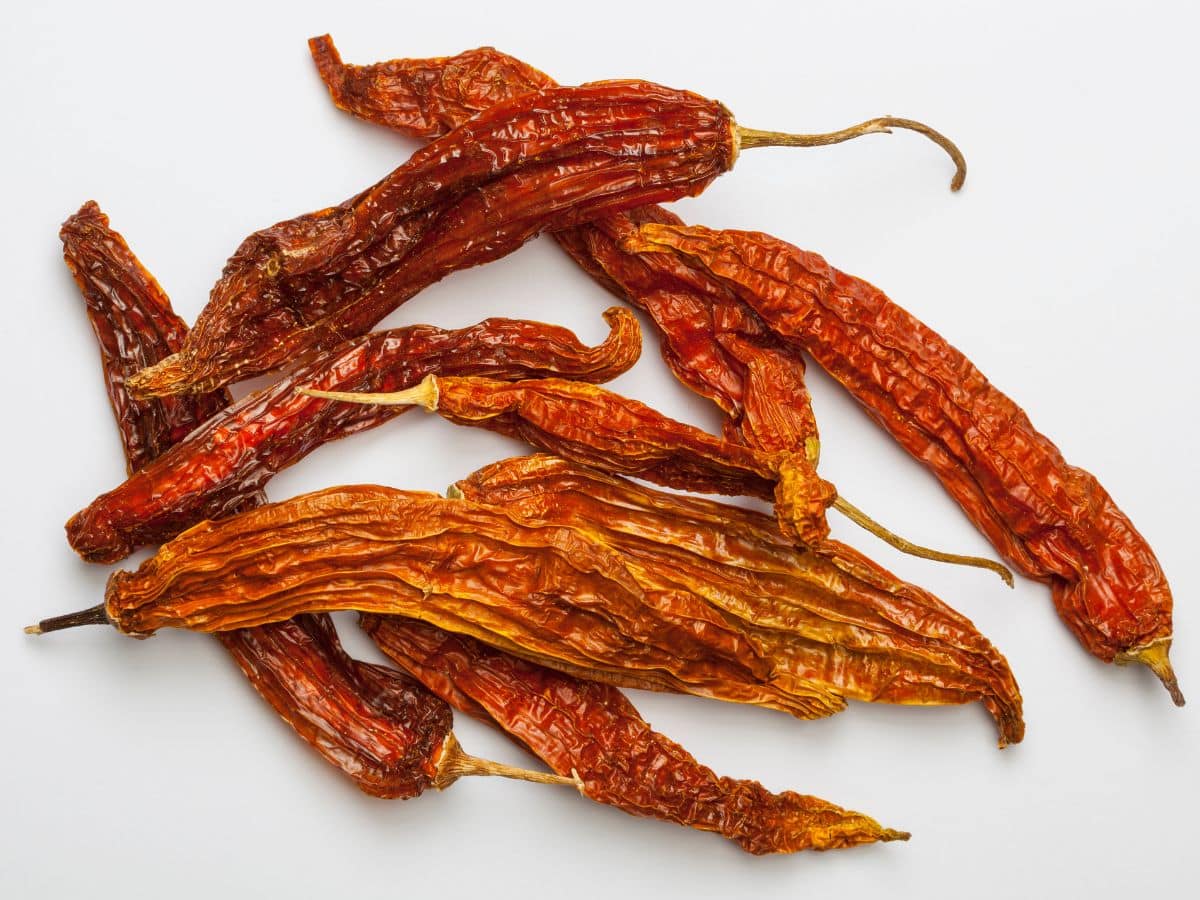
Origin and Flavor: Peruanos are also known as the Peruvian yellow pepper or Aji peruano amarillo. They have a moderate to high level of heat, ranging from around 5,000 to 15,000 Scoville Heat Units (SHU) which is a bit hotter than jalapenos. They aren’t quite as sweet as some other chili peppers, but we sort of wonder how anybody can tell when your mouth is on fire.
Uses: Peruano peppers are used to make a variety of sauces like “Aji Amarillo” sauce. This sauce is a staple in Peruvian and some Mexican cuisines, used to add flavor and a f heat to dishes like ceviche, stews, and grilled meats.
Pinto Bean
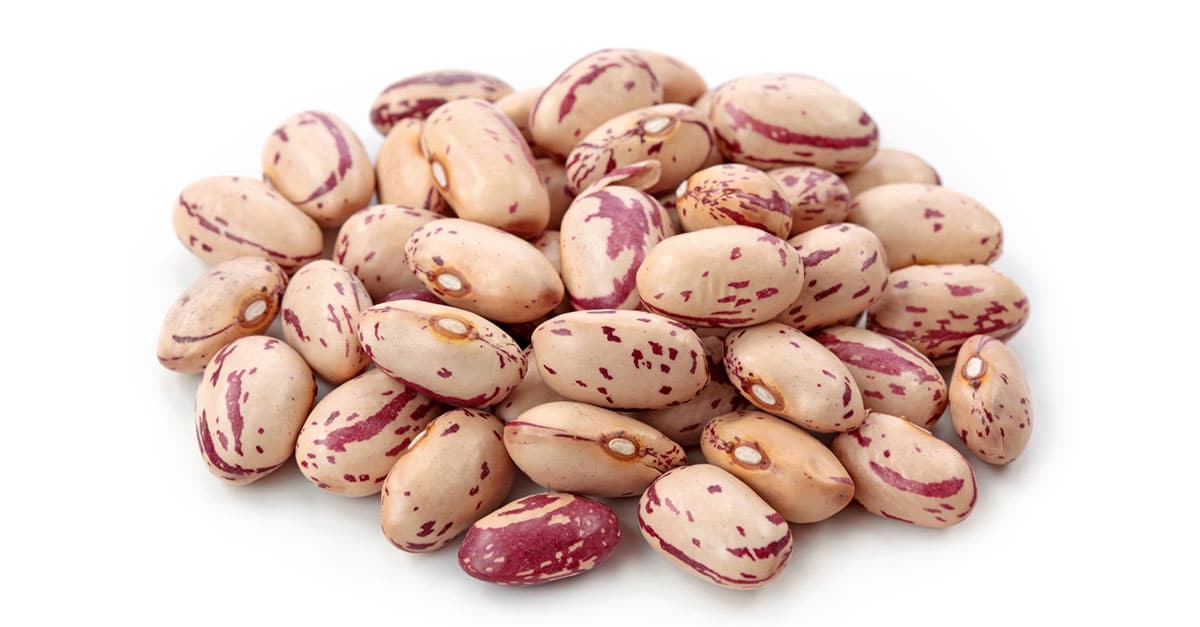
Origin and Flavor: The name “pinto” means “painted” in Spanish, referring to the mottled appearance of the bean’s skin. Pinto beans have a creamy texture and a nutty earthy flavor.
Uses: They are used extensively in dishes like refried beans, burritos, enchiladas, and soups. They can also be served as a side dish or as a filling for tacos. They are also often mixed with rice and corn flour to make posole.
Poblano Pepper
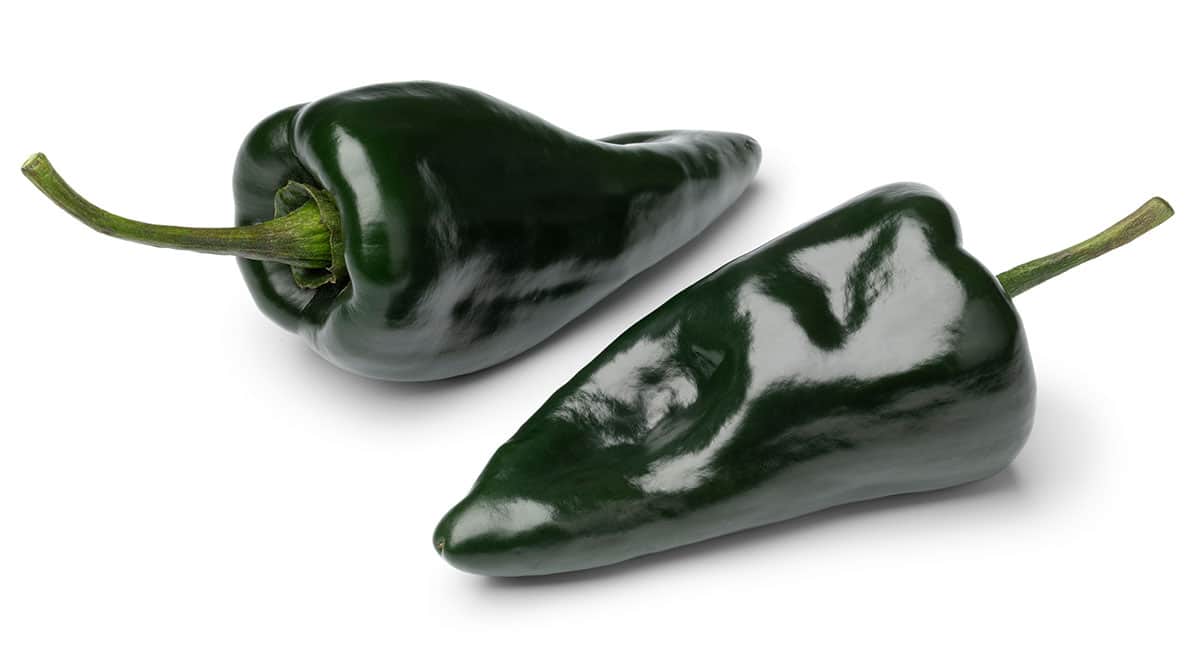
Origin and Flavor: Poblano peppers originated centuries ago in Mexico, but today they are also very popular in the USA. They have a medium level of heat and a slightly sweet and earthy flavor.
Uses: Poblano peppers can be roasted and used to make chiles rellenos, a dish in which roasted peppers are stuffed with cheese, meat, or other fillings. Poblano is also used to make “Chiles en Nogada,” a Mexican dish typically served during Independence Day celebrations. The colors of the dish (green, white, and red) represent the Mexican flag. Poblano peppers are also the main ingredient in “mole poblano,” a sauce that includes chocolate, spices, and various types of chili peppers.
When dried, poblano peppers are known as “ancho” peppers, which are used to make chili powder.
Potato
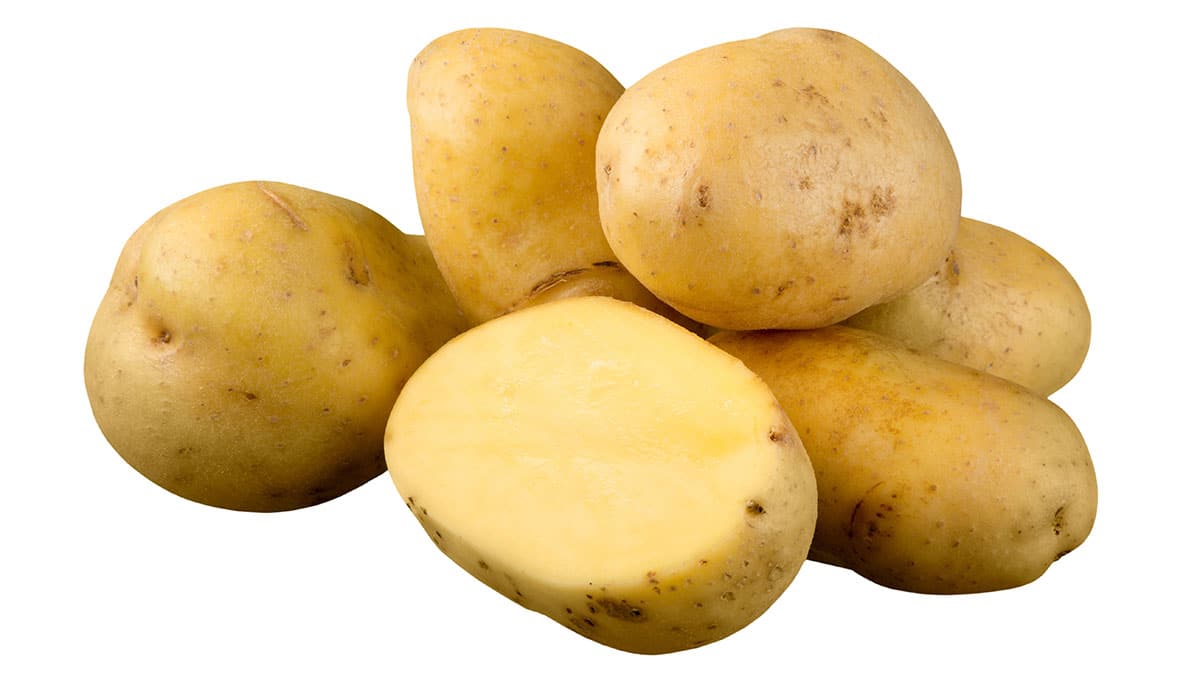
Origin and Uses: We don’t normally associate the potato with Mexico, but it has been cultivated in Mexico since the Spanish introduced it in the 16th Century. Of course, it is used in soups and stews, but also in some gordita and burrito recipes, often deep fried.
Pumpkin
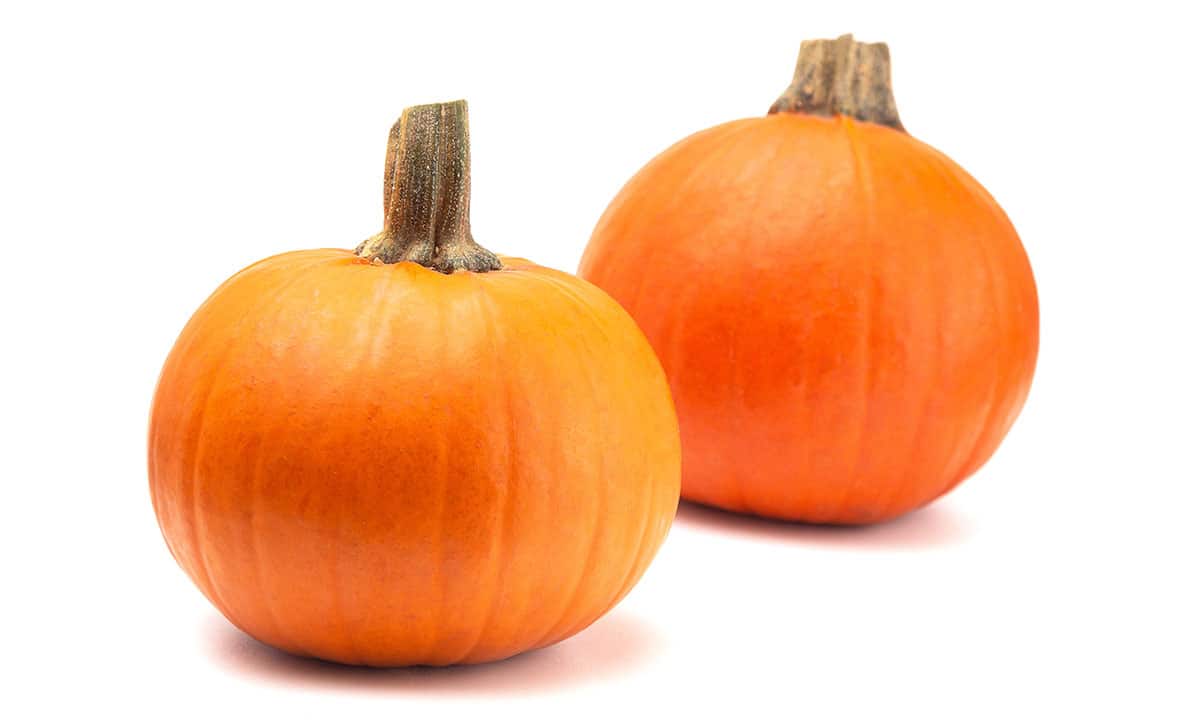
Origin: We believe that pumpkins originated in North America about 9000 years ago, and ancient pumpkin seeds, estimated to be 7-9,000 years old, have been found in Mexico.
Uses: Pumpkin is commonly used in Mexican cuisine to make dishes like “calabaza en tacha,” which is a candied pumpkin dessert served during Dia de los Muertos (Day of the Dead) celebrations. It’s also used to make soups, stews, and fillings for tacos and tamales.
Pumpkin seeds, known as “pepitas,” are a popular snack and are also used as a topping for some Mexican dishes. If that isn’t enough, the flowers of the pumpkin plant, known as “flores de calabaza,” are also edible and commonly used in Mexican cuisine, often battered and fried.
Purple Corn
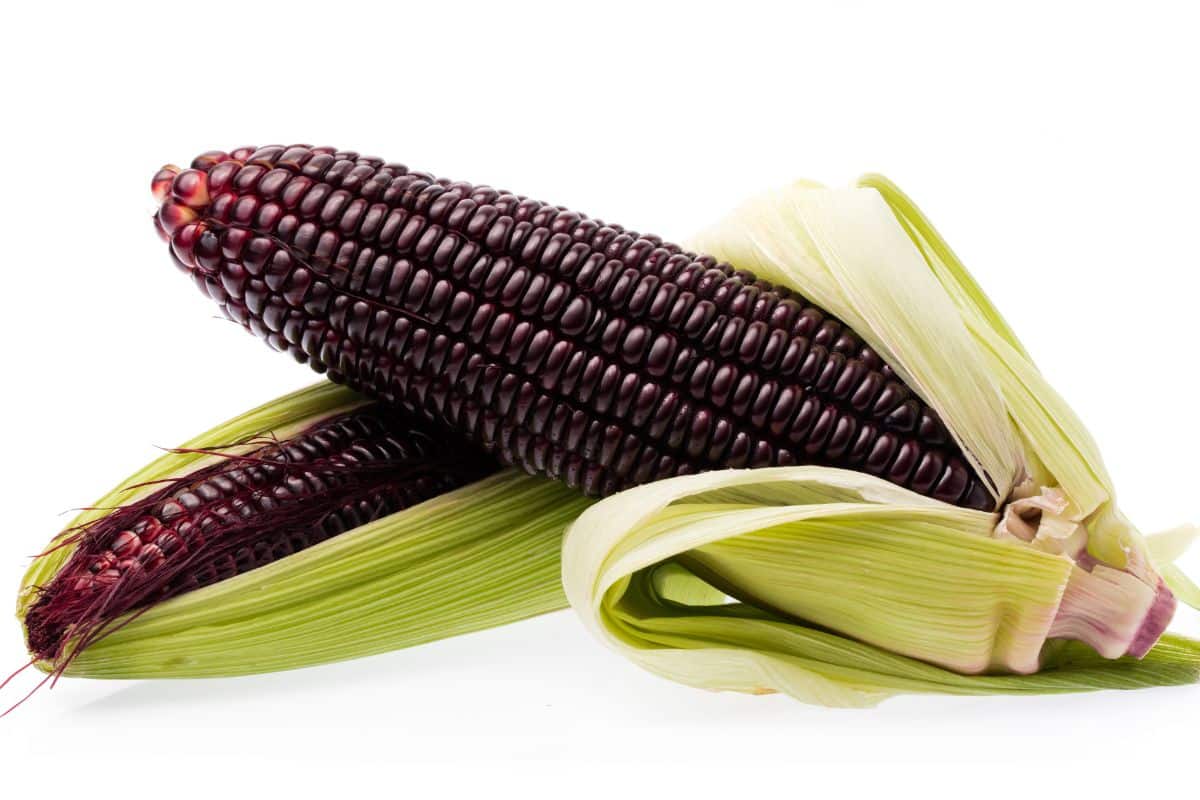
Origin: Purple corn is called “maíz morado” in Spanish. It is an ancient variety of corn that has been cultivated in the Andean region for centuries. The deep purple color of the corn is due to the presence of anthocyanins, which are antioxidants that also give other purple and blue fruits and vegetables their vibrant colors.
Uses: Purple corn is used to make traditional Mexican drinks like “chicha morada,” a sweet and refreshing beverage made from purple corn, fruits, and spices. Pasilla chiles are dried versions of the chilaca pepper and are commonly used in mole sauces, which are a hallmark of Mexican cuisine.
Quelites
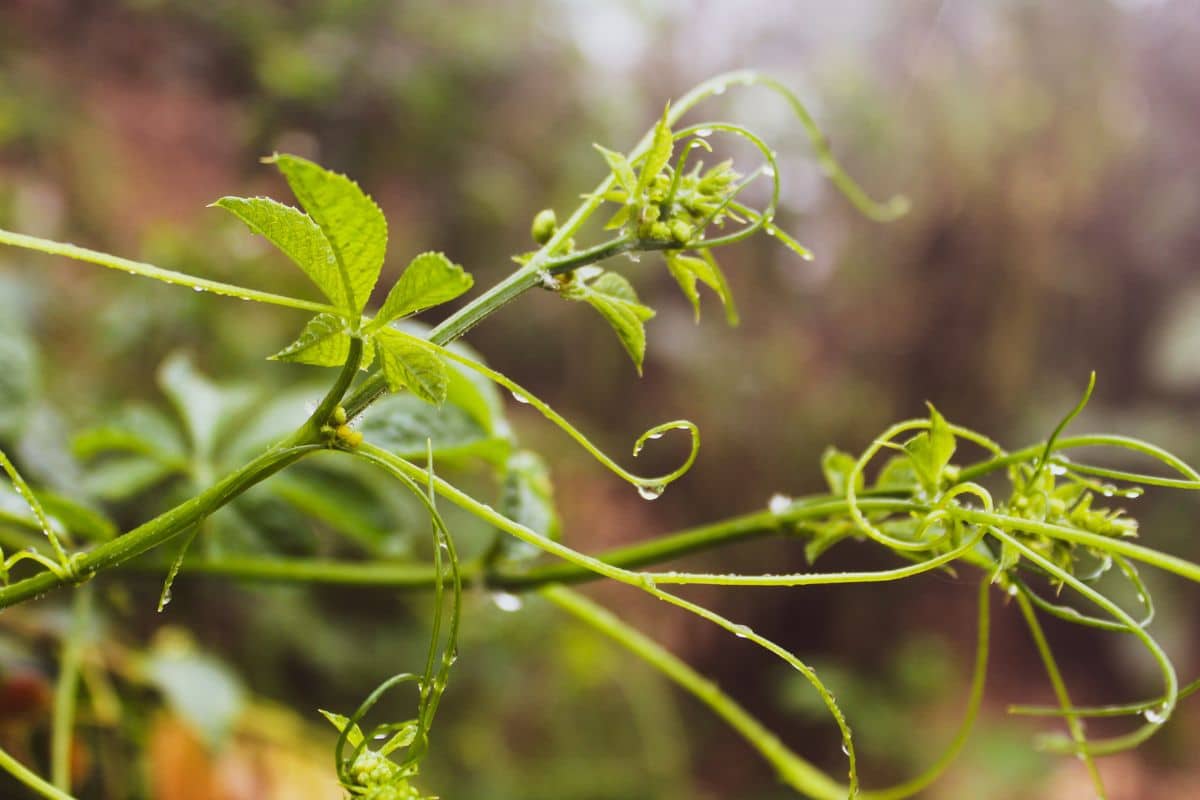
Origin: Quelites refer to various edible wild greens and herbs commonly used in Mexican cooking. Quelites can include a wide variety of plants, such as amaranth leaves, purslane, lamb’s quarters, and more.
Uses: They are often sautéed with garlic and onion, used in soups, added to tamales, or used as a filling for quesadillas and tacos.
Sangre de Toro (Kidney Beans)
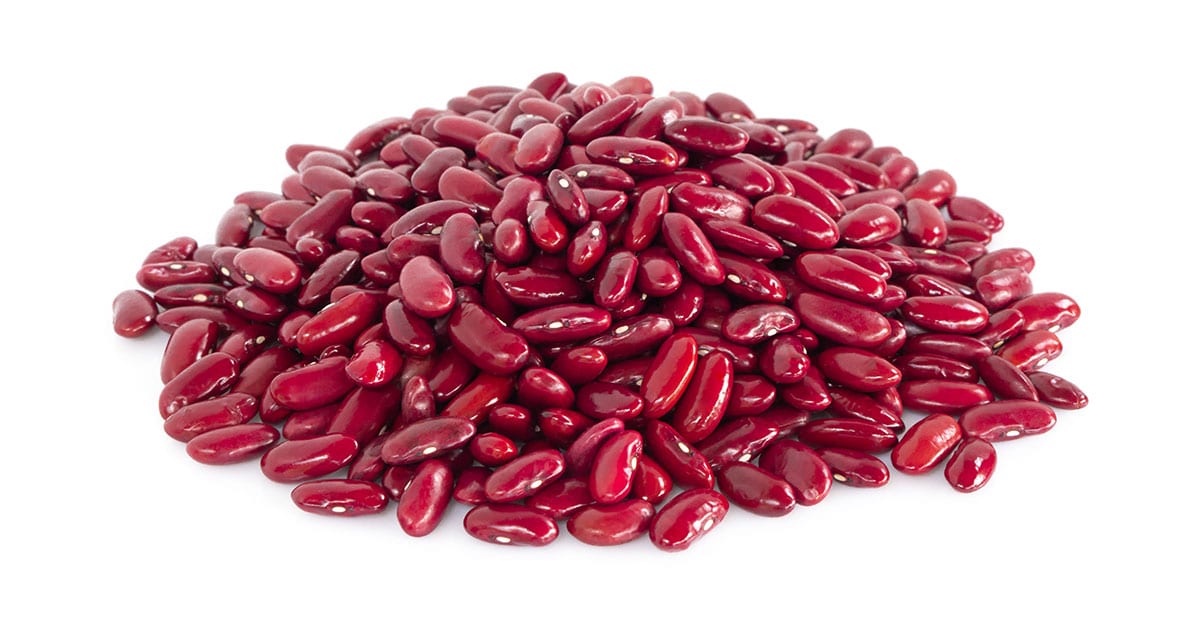
Origin: We know these as red kidney beans, but they are also called frijol Sangre de toro. They are native to Peru and likely date back 9,000 years. With the migration of native people, they spread across South and Central America and are today an integral part of Mexican cuisine. The name “Sangre de Toro” translates to “Blood of the Bull” in English, referring to their dark red color.
Flavor and Uses: Kidney beans have an earthy flavor and starchy texture. In Mexican cuisine, they are used in dishes like frijoles refritos (refried beans), soups, stews, and salads. They can also be found in enchilada and quesadilla recipes.
Serrano Pepper
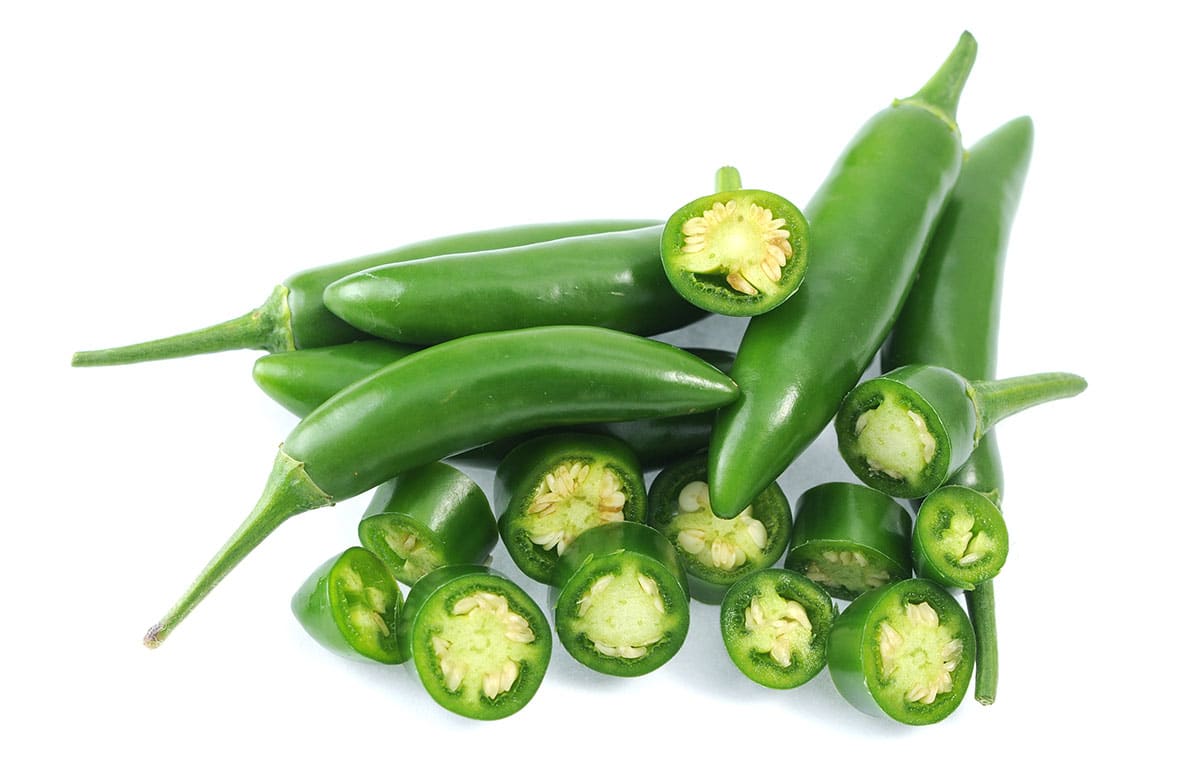
Origin and Flavor: These peppers have a fiery heat and vibrant flavor. Serranos are from the Mexican states of Puebla and Hidalgo. Their name comes from the Sierras Mountains in those regions. The Scoville Heat Scale (SHU) of serrano peppers range between 10,000 to 25,000 SHUs. That is pretty hot. If you want to know more about peppers and their ratings check out types of peppers.
Uses: Though hotter than Jalapenos, they are often eaten raw, but also used in pico de gallo, salsa, and chili. They are one of the most popular peppers in Mexican recipes.
Tomate (Tomato)
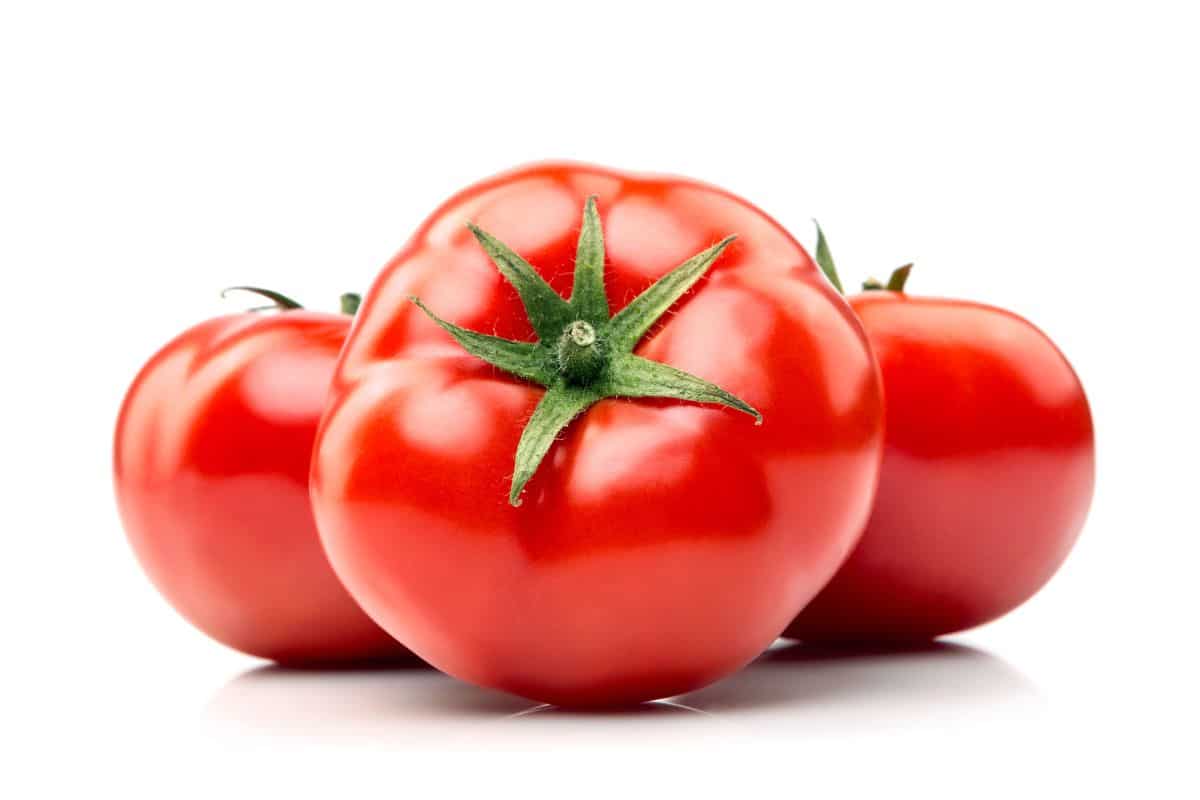
Origin: Tomatoes are native to the Andes Mountains of South America where they grew wild in what is now Peru and Ecuador. We believe, however, that they were first cultivated in Mexico well before the Spanish came.
The name is derived from the Aztec word tomatl. Early domesticated tomatoes appear to have been small and yellow, but over time growers bred them into the huge variety of tomatoes we know today that can be red, green, yellow, orange, or even purple when ripe.
Uses: Tomatoes are a staple in Mexican cuisine, and are used in a wide variety of dishes. They are essential for making salsa, guacamole, and pico de gallo. They are also used in stews, sauces (such as mole), and various meat and vegetable dishes.
Tomatillo
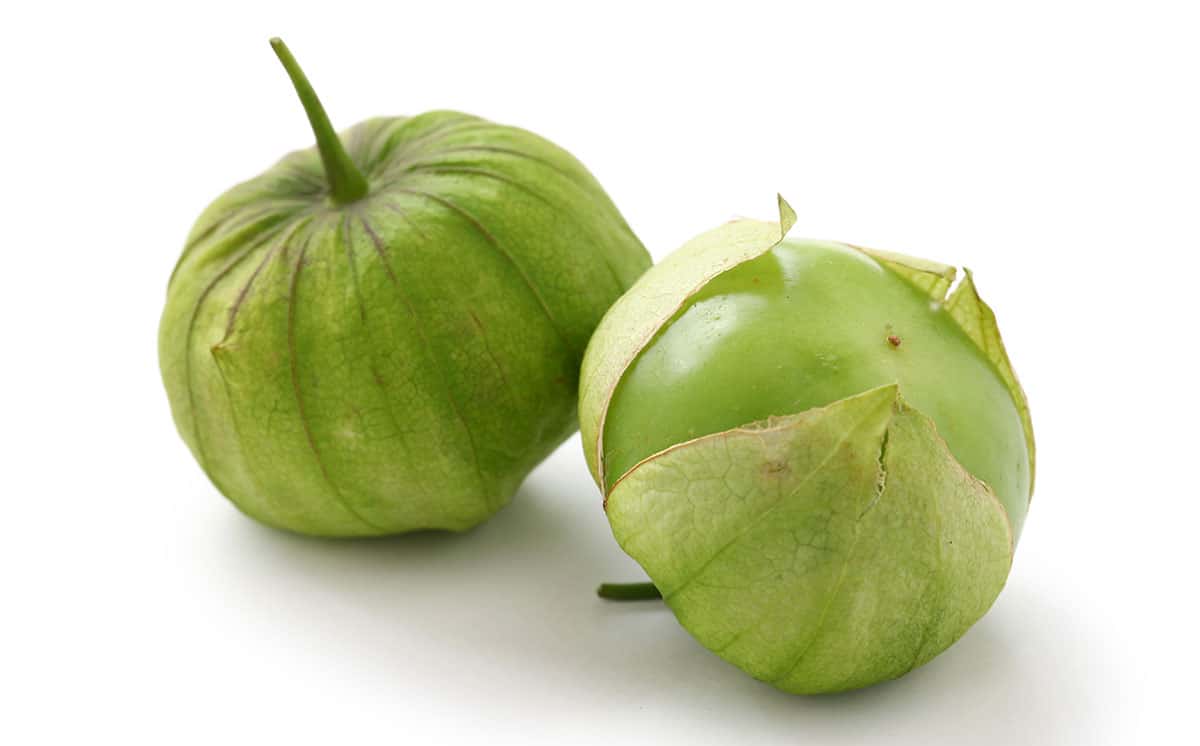
Origin and Flavor: Tomatillos are called tomate verde in Mexico, which translates quite simply to “green tomato.” They have a tart and slightly citrusy flavor. They are often described as having a more herbal and tangy taste than a Roma or beefsteak tomato.
Uses: Tomatillos are featured in Mexican green sauces like salsa verde. They can also be used to make tangy and flavorful sauces for enchiladas, chilaquiles, and tamales.
Vaquita Roja (Red and White Bean)
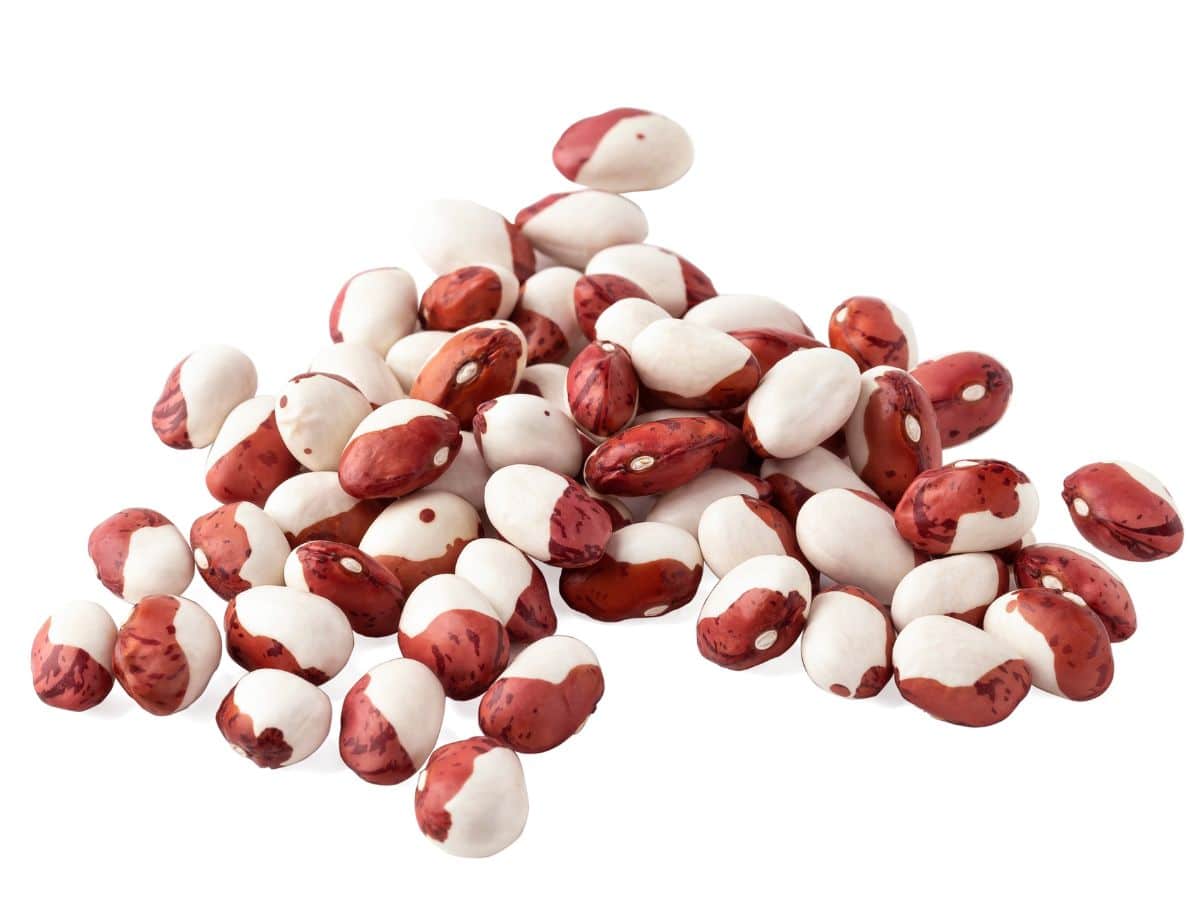
Origin and Flavor: Vaquita beans are also known as “Vaquita Roja” in Spanish, and they are sometimes simply referred to as red and white beans. The name “vaquita” means “little cow” in Spanish, possibly referring to the spots on the beans that resemble a cow’s hide. Vaquita beans have a nutty flavor and develop a creamy texture when cooked.
Uses: These beans are used in chili, soups, stews, and refried beans. They are also used to make “frijoles de olla,” which are slow-cooked beans seasoned with herbs and spices.
Zucchini
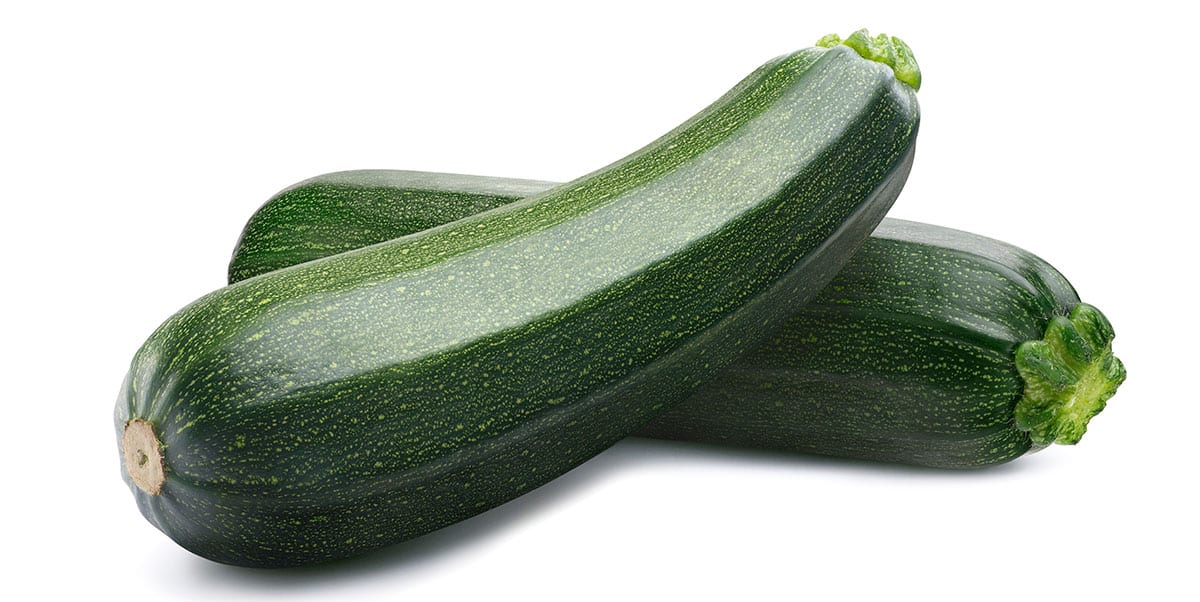
Origin: Zucchini are commonly known as “calabacitas” in Mexico. Okay, we have two admissions in this last entry. Zucchini are neither Mexican nor vegetables. The humble zucchini is a summer squash, and squash as a family is most definitely Mexican (well, really, most of the Americas). Squash was taken back to Europe by Christopher Columbus and became popular there. The modern zucchini was developed in Italy and returned to North America in the 1920s.
Flavor and Uses: Zucchini has a mild, slightly sweet flavor and a tender texture when cooked. Calabacita is used in a variety of Mexican dishes, such as soups, stews, and vegetable side dishes. It’s often sautéed, grilled, or added to dishes like “calabacitas con elote,” which is a dish made with zucchini, corn, and other ingredients. Zucchini is also a key ingredient in “rajas con calabacitas,” a dish that combines strips of roasted poblano peppers with zucchini.
That wraps up our list of 50 Mexican Vegetables. We hope you found the Mexican vegetable you were looking for, even if it is native to some other distant land. As always, happy cooking from your friends at Live Eat Learn.


It didn’t tell me the answer to the trivia question 😕
the picture you added for the nopales is a prickly pear also known as a tunas, those are not nopales.
Oops! Thank you for pointing out that mistake. Fixing it now!