This post contains affiliate links.

From figs to fuji apples, we’re covering it all in this list of 17 fruits that start with F (along with some helpful information about each one)!
We can think of any number of reasons to want a list of fruits that begin with F, so whatever the reason, you have it! And if you are looking for a vegetarian recipe featuring an F List fruit, here are a few of our favorites as well
Florida Cherry
Florida Cherry is also called the Surinam cherry as they originated in the South American nation of Suriname. They are often planted for ornamental reasons, but the tiny pumpkin shaped cherries are tangy and quite good if picked at peak ripeness. These come in green, orange and red colors The orange can be quite tart and the redder the sweeter. Florida Cherries are not often available commercially, but can often be found growing naturally. Like others, these cherries these are quite healthy.
Fuji Apples
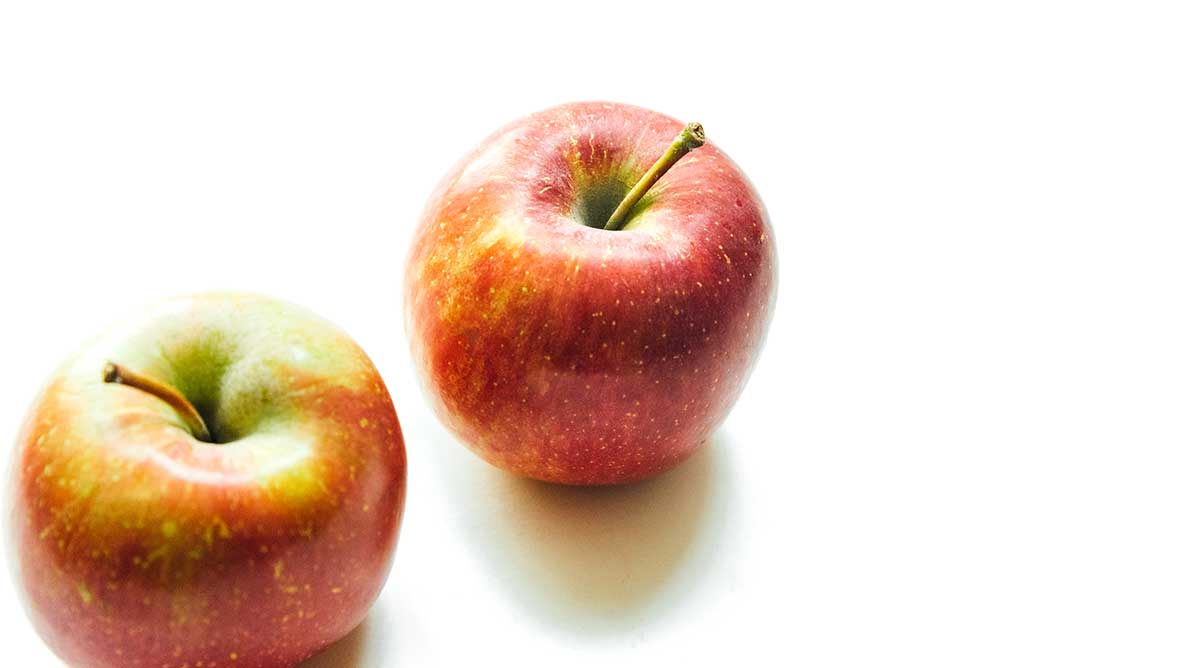
Fuji Apples originated in Fujisaki Japan in the 1930s, and are Japan’s most popular apple variety today. They are a larger sweet apple variety that work well for baking, but they also hold up well in recipes where they’re sautéed! You can also use these to make delicious and sweet apple juice. Our favorite use for them is in a Sweet Apple Crisp Recipe. For suggestions on how to select, store, cut and cook with a variety of apples check out this quick guide to apple varieties and nutrition.
Fairchild Tangerines
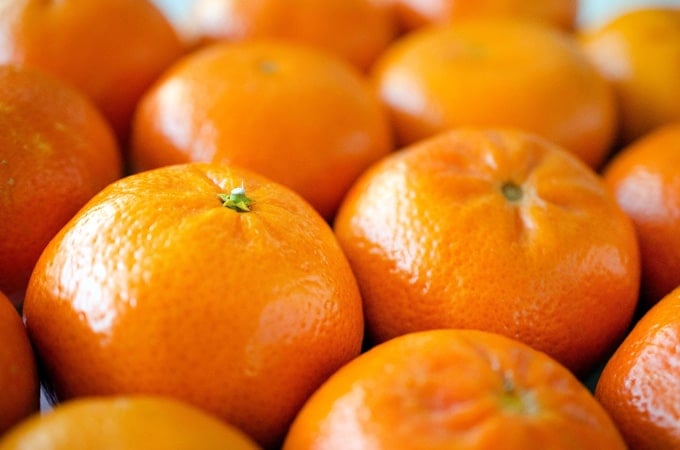
Fairchild Tangerines are a cross between an Orlando tangelo and clementine mandarin, andare heavily grown in California. They are a bit harder to peel than other tangerine varieties and contains seeds, but are known for their sweet flavor and juiciness. “Tangerine” was originally just another word for the fruit mandarin, but the term tangerine has begun to take on another meaning. What we call tangerines in the U.S. are commonly more tart and have a deeper orange/red color than the common mandarin.
False Mastic Fruit
False Mastic Fruit is scientifically called Sideroxylonfoetidissimum and belongs to the Sapotaceae family. Okay, I couldn’t resist adding that useless fact. The fruit is a native of Florida. While it is edible, the insides are so sticky that they are purported to have been used as a glue in the 19th Century. Despite this, people do often eat then raw. Finding recipes for this fruit is not easy.

Feijoa
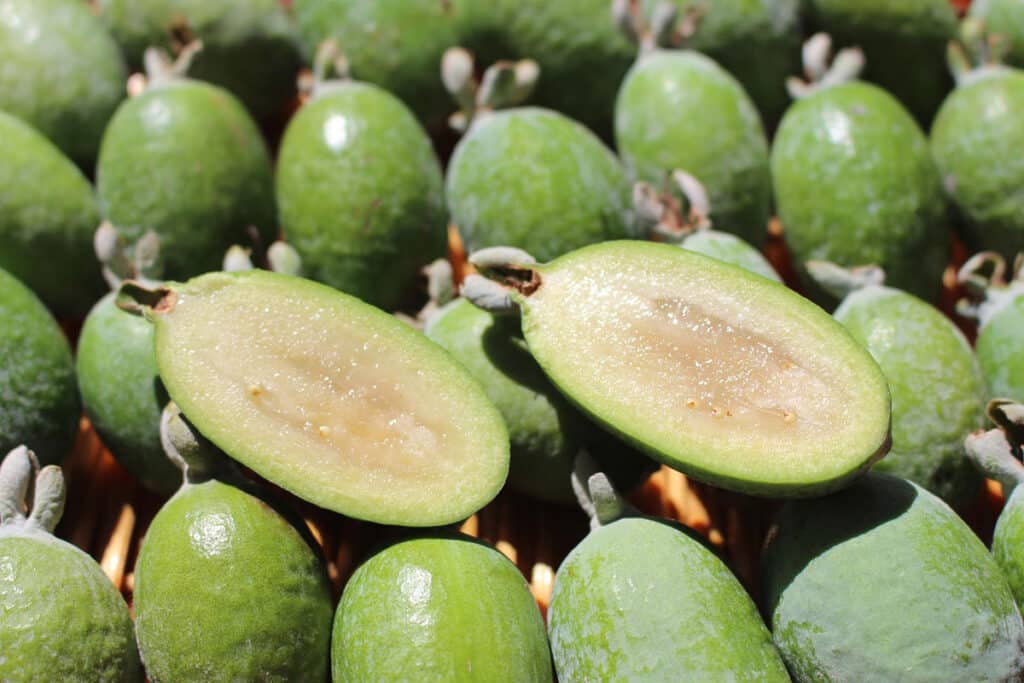
Feijoa is also called pineapple guava and guavasteen and is native to Argentina, Brazil, Paraguay, and Uruguay. This sweet fruit came to California sometime around 1900 and can be eaten raw or made into a jam, jelly, crisp, crumble, bread, ice cream, or even salsa.
Finger Lime
Finger Lime are originally from Australia, but they are now also grown in the USA. As their name suggests, they are an elongated lime, usually 2-3 inches long. Their inside, however, is not like an ordinary round lime as they contain small round vessels like small beads filled with juice. They are difficult to find and often cost as much as $100 per pound. As a result, they are generally used only with fine cuisines. There are a variety of recipes for these limes in seafood, sushi, salads, and desserts. If the price of these unique limes is too much, stick with ever-versatile common limes.

Forest Strawberries
Forest Strawberries are also called wild strawberries, woodland strawberries, European strawberries, or Alpine strawberries. They are very similar to the garden strawberry many grow at home or pick at commercial patches. The berries tend to be smaller largely because of the soil treatments and watering farmers and gardeners provide their plants but are lacking in the wild. They have about the same health benefits as most strawberries and can be used in just about any strawberry recipe!

Figs
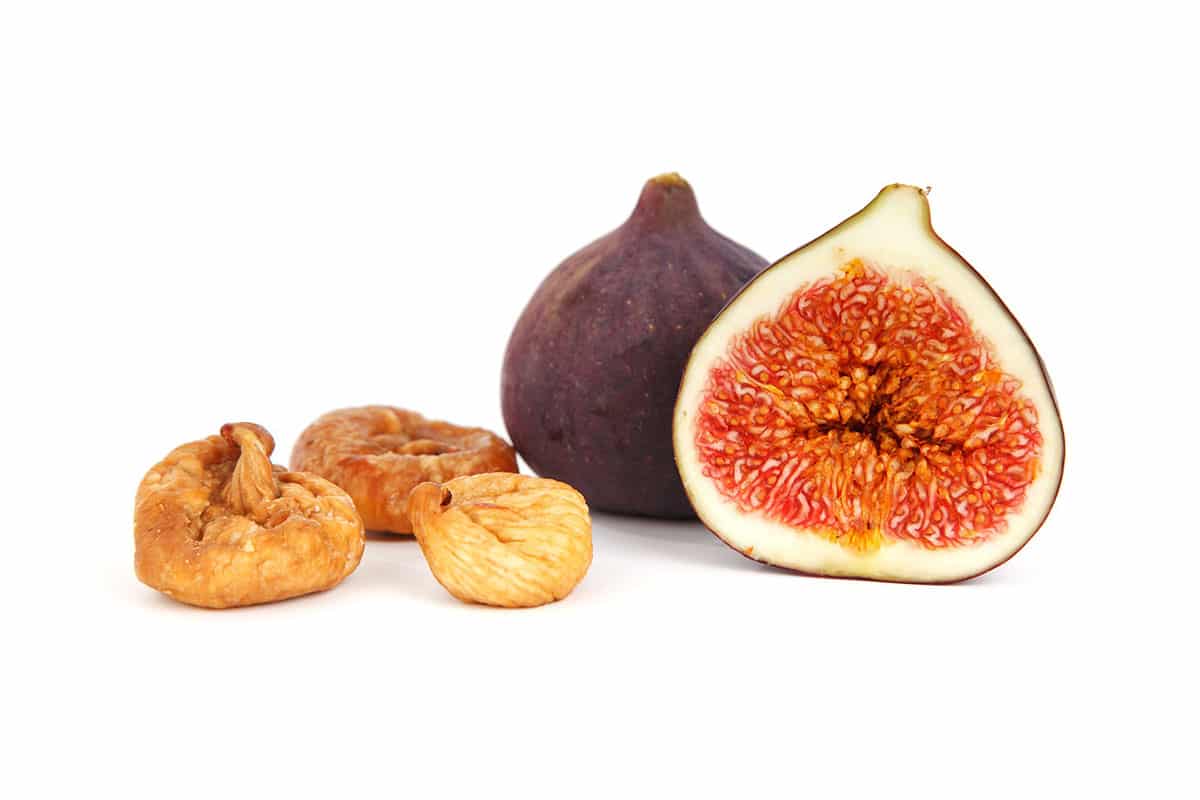
Figs appear to have come from the Mediterranean area thousands of years ago, but they are now grown throughout the world. They can be eaten fresh, dried, in jams & jellies, and myriad ways in a variety of desserts. Today Turkey is the world’s largest producer of figs followed by Egypt, Morocco, and Algeria.
Fe’I Banana
Fe’I Bananas are common only on certain Pacific islands. They have bright orange to red skins and are normally eaten cooked vs raw. They contain more starch and less fructose (sugar) than most banana varieties, so locals often cook them with coconut cream. Like so many of these other fruits that start with F, these are going to be hard to find, but if you want to try one of our many healthy banana recipes, give them a try!

Flatwoods Plum
Flatwoods Plum is sometimes called the hog plum or sloe plum as they are often fed to pigs. These plums normally grown in the wild, so you don’t often find them in grocery stores though they can occasionally be found in farmer’s markets. They are native to East Texas though they can also be found in Florida and Virginia.

Fascell Mango
Fascell Mango came into existence in the 1930s through a Florida nurseryman who crossbred two other mango variants. The mango is originally from South Asia but made their way across the tropics and into America around 1880. Today, mangoes are the most commonly eaten fruit in the world with India being the greatest supplier. It’s a stone fruit, meaning it has one hard seed surrounded by tasty fruit. Peaches, cherries, and plums are all stone fruits as well. If you need information on how to select, cut, or use mangos, check out our guide to mangoes. You might also try a cool Mango Margarita Slush or Mango Smoothie Recipe

Fazli Mango
Fazli Mango is a variety grown mostly in Bangladesh and West Bengal. Locally they are used in jams. In recent years these large mangos have been exported around the world making them difficult, but not impossible to find. Your best bet is at large international markets found in many major cities.

Farkleberry
Farkleberry are small berries that grow across the American Southeast as far as Indiana. The most common recipe for them appears to be in cookies though they are also good in jams and sometimes even wine. They are more commonly foraged vs intentionally grown, and are ripe when black and remain perfectly edible even when they have shriveled on the vine.
Fox Grapes
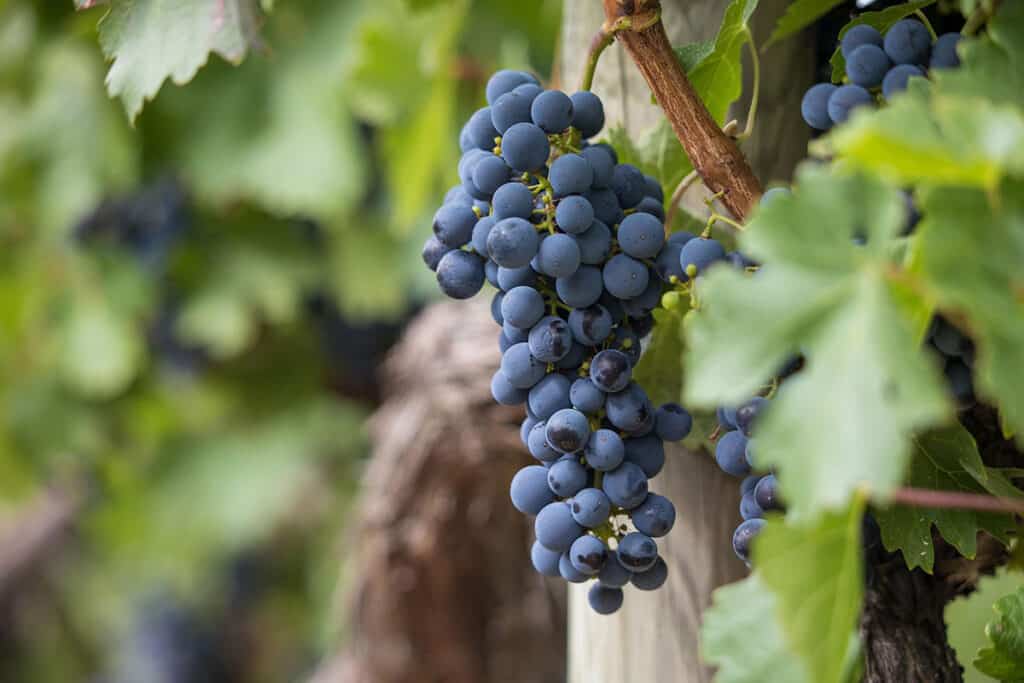
Fox Grapes are native to eastern North America and are used primarily in wine making, and they are excellent for use in a variety of wines. This variety of grape isn’t commonly used as an eating fruit.
Fibrous Satinash Fruit
Fibrous Satinash Fruit. Okay, when you look for a list of Fruits that begin with F, you are going to get some unusual exotic fruits. This is one of them. It is native to the monsoon prone forests of Indonesia and New Guinea. It is also called the small red apple and apricot satinash. It is used regionally in jams and sweets.

Fukushu Kumquat
Fukushu Kumquat is a fruit that grows on a small very ornamental tree in Japan. They are known for their sweet-tart flavor making them good in a variety of salads, with yogurt, in salsa, and in jellies & jams. You can find all sorts of intriguing kumquat recipes such as on avocado toast, with seafood, etc. Give it a try. You may find it worth the effort of finding kumquats.

Five Flavor Berry
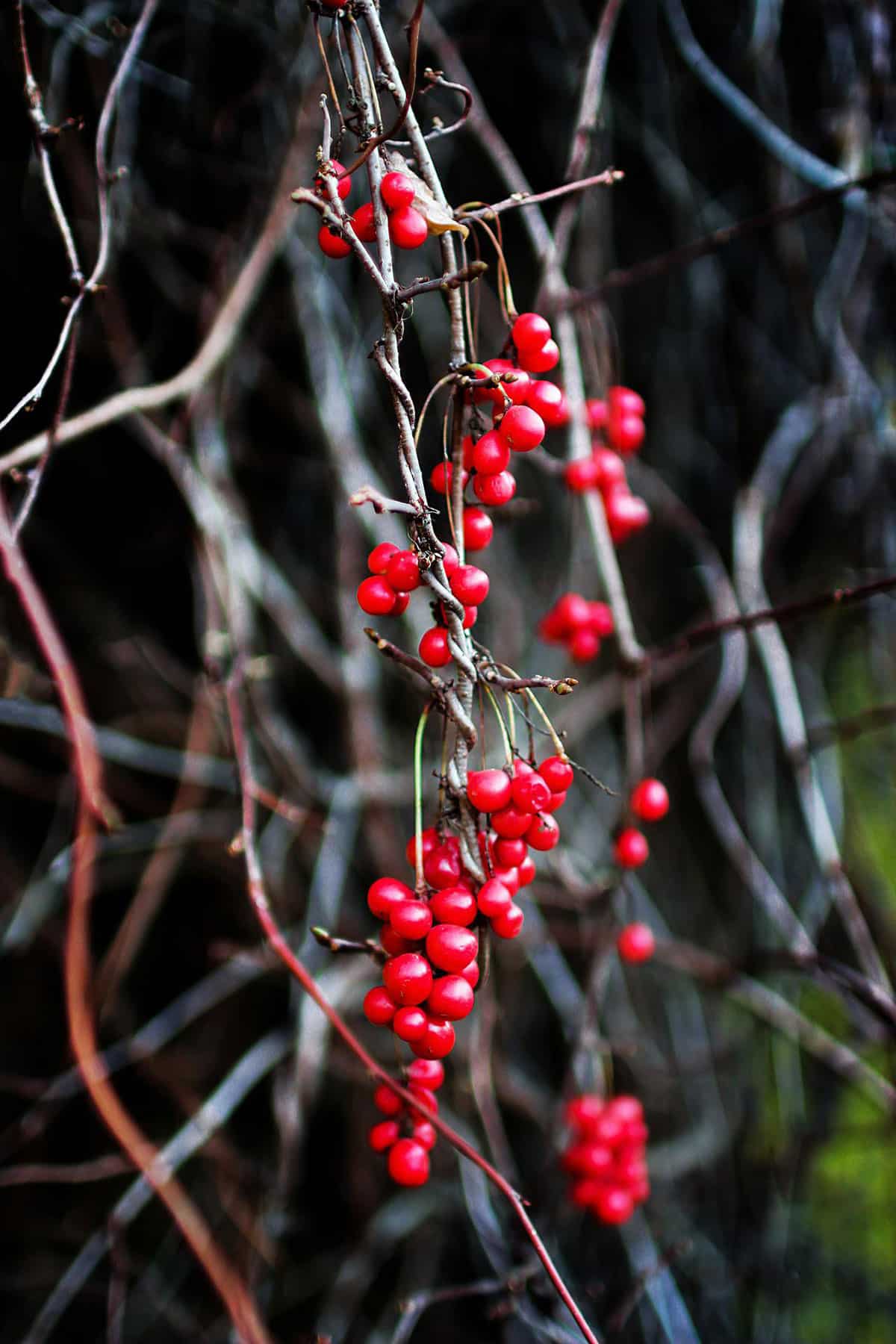
The flavor Berry is also known as chisandra chinensis, which appears to be Chinese for five-flavor fruit. This purple-red berry grows on a vine and is variously described as having five flavors: salty, bitter, sweet, pungent, and sour. This fruit is rarely used in cooking but instead is important in Chinese medicine. Some Chinese consider it beneficial to the Qi (the life force or energy in all living things). There are also Western studies showing positive effects on Alzheimer’s, depression, and liver disease.