

This post contains affiliate links.
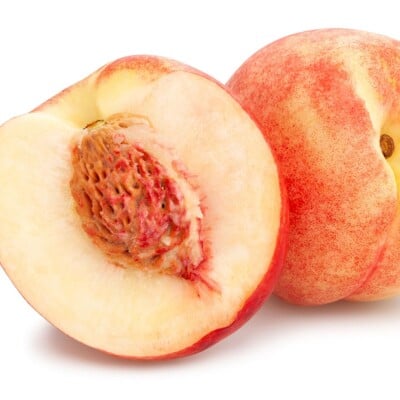
Say hello to the white nectarine, a sweet and juicy white nectarine with a floral flavor and lower acidity than yellow nectarines. Here’s everything you need to know about white nectarines!
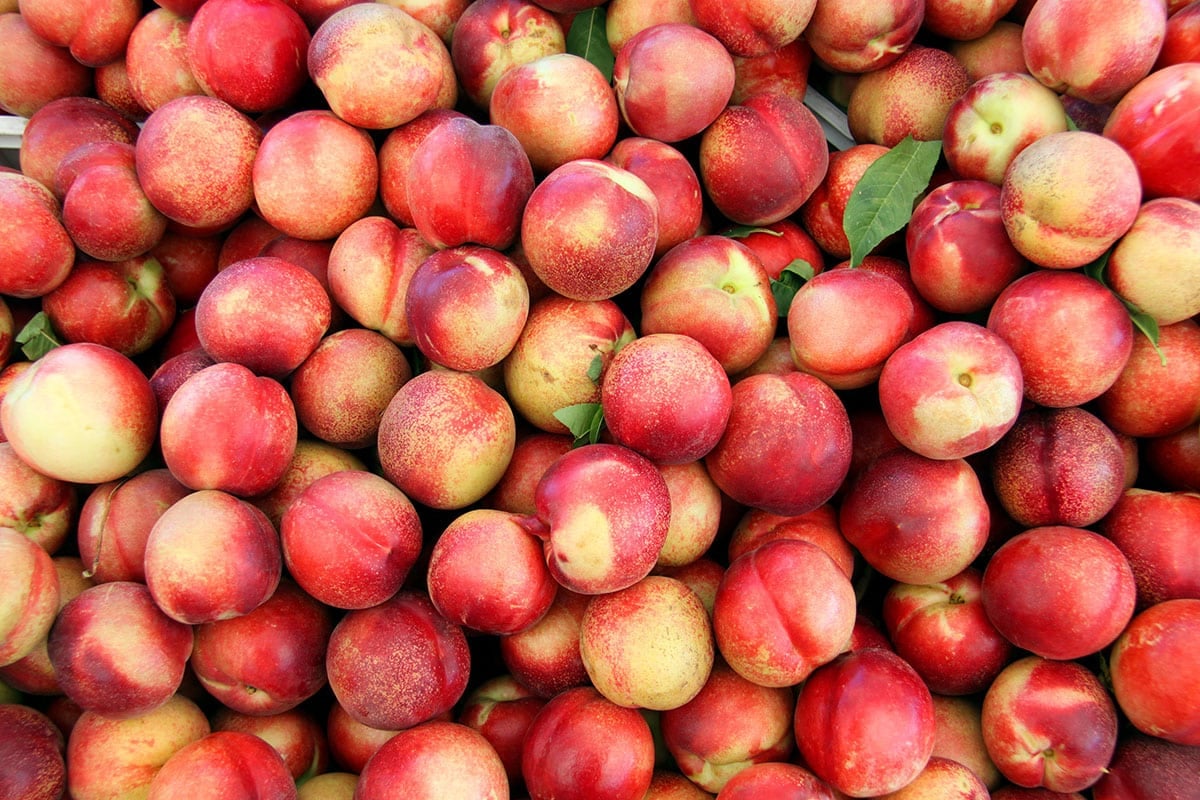
What is a White Nectarine?
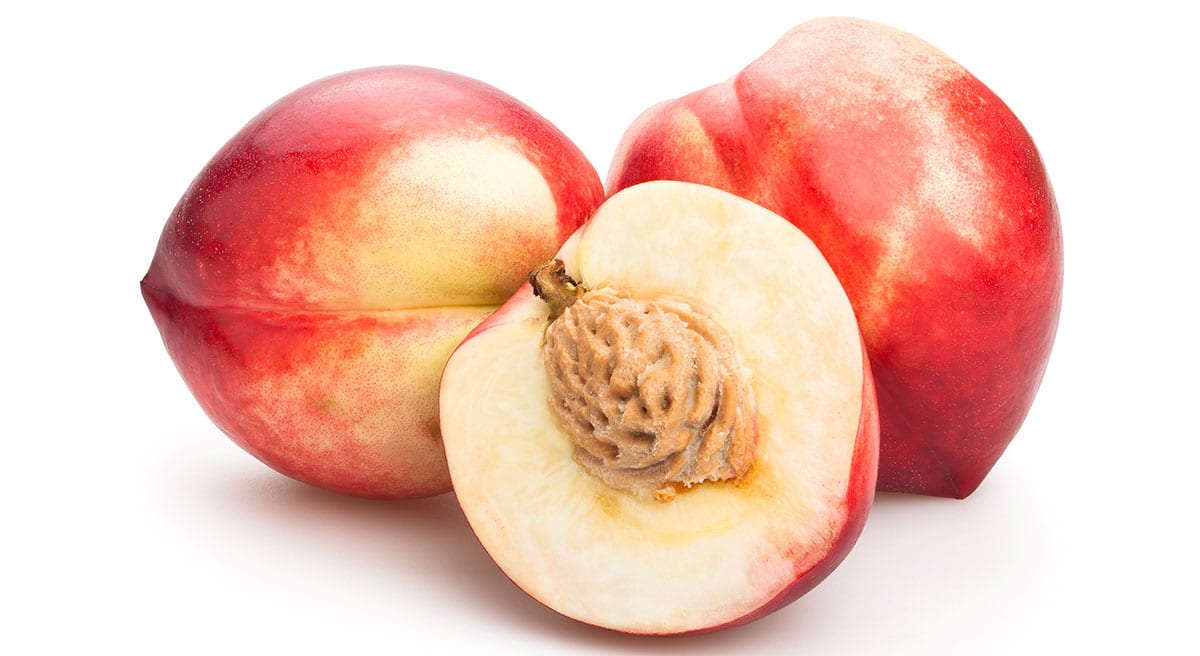
White nectarines are a stone fruit (one seed at the core) closely related to the yellow nectarine and peach, but what sets it apart is its pale, smooth skin and its flesh, which is creamy white instead of yellow or orange. White nectarines are exceptionally sweet with a slightly floral flavor. This makes them a good choice for people who prefer a milder, less acidic taste than with yellow nectarines or peaches.
Fruity Trivia!
Where did the name nectarine come from? And what does it mean? The answer is at the end of this post!
Difference Between White and Yellow Nectarines
White nectarines are a distinct variety of nectarines with their own unique appearance, taste, and texture. Let’s look at each.
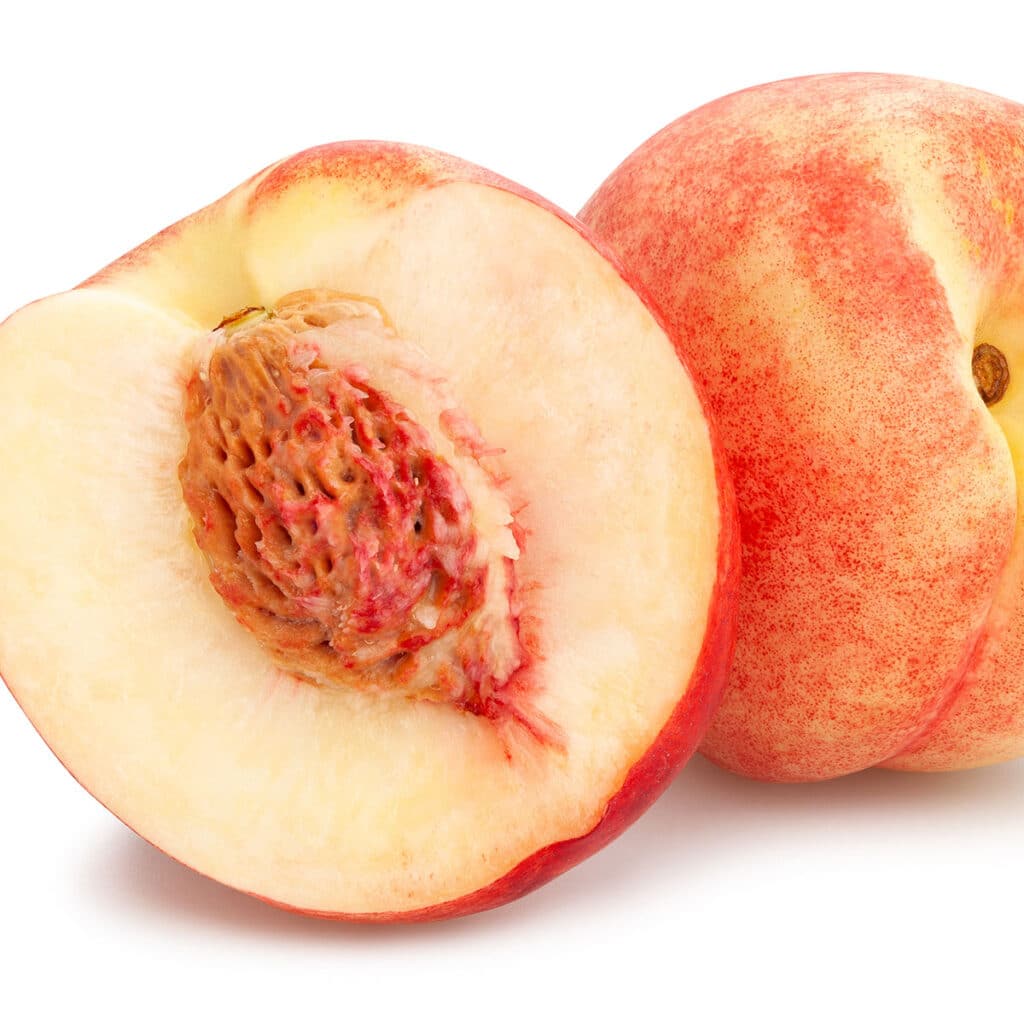
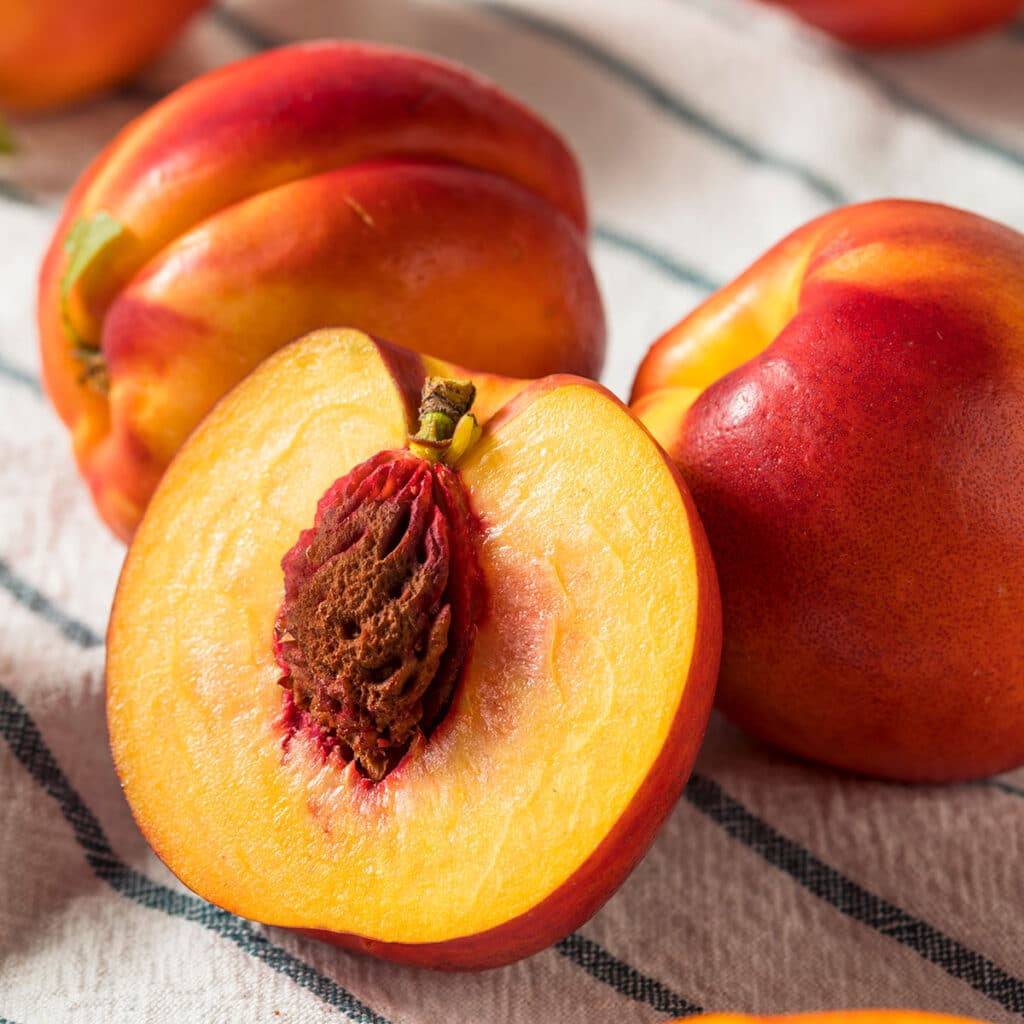
Appearance: The most obvious difference between white and yellow nectarines is, of course, their skin color. White nectarines have a pale, creamy, or light greenish-yellow skin with a slight blush. They look more like white peaches than nectarines. Yellow nectarines have a bright orange-yellow and are fuzzier than their white cousins.
Taste: White nectarines are sweeter than their orange cousins and have a honey-like flavor. They are also less acidic than yellow nectarines, which are tangier, more tart, and almost peachy. We think that white nectarines are a good option for those who like sweeter, less acidic fruit.
Texture: White nectarines have a tender, juicy, and melt-in-your-mouth texture similar to a ripe pear or watermelon. Yellow nectarines are also juicy but slightly firmer and less prone to bruising.
Best White Nectarine Uses
Either nectarine can be eaten fresh like you would an apple, sliced over cereal or yogurt, or in fruit salads. You can also spruce up your green salad with nectarine. Of course the super-power of nectarines is in desserts like pies, tarts, cobbler, or a sweet nectarine crisp. They also add a luscious, sweet flavor to jams and preserves. Furthermore, they can be grilled to enhance their natural sugars, paired with savory dishes, or added to cocktails and smoothies.
We assert that you can use white and yellow nectarines interchangeably, and can use either nectarine interchangeably with peaches. They really aren’t all that different.
White Nectarine Nutrition Info
White nectarines are not only delicious but also a healthy choice. A medium-sized white nectarine (150g or about 5 ounces) contains:
- 64 Calories
- 15 grams of carbs
- 1 gram of protein
- 2 grams of fiber
- 15% of the RDA of Vitamin C
- 1% of the RDA of Vitamin A
- 6% of the RDA of Potassium
There isn’t much difference in nutrition content between white and yellow nectarines except in their Vitamin A content. Like most yellow and orange fruits, yellow nectarines contain a healthy dose of beta carotene, which the body converts to vitamin A.
How to Select White Nectarines
Selecting the best nectarines at the grocery store to find the sweetest and juiciest is pretty simple. Here are some tips for selecting ripe white nectarines:
- Choose nectarines that have a creamy white skin. A yellow or pink blush is fine. The fruit should be firm but yield slightly to gentle pressure. Avoid nectarines with green splotches or hard spots, as they aren’t fully ripe.
- Ripe white nectarines have a sweet, fragrant aroma. Give them a sniff; a pleasant, fruity scent is a good sign of ripeness.
- Avoid nectarines with bruises, cuts, or soft spots.
- Heavier nectarines tend to be juicier. Pick up a few and compare their weight in your hand to gauge which ones are likely to be the juiciest.
How to Store Nectarines
To keep nectarines fresh and flavorful, follow these storage tips:
Room Temperature: If your nectarines are not fully ripe when you purchase them, leave them at room temperature to ripen. They will become softer and sweeter over a few days. White nectarines are best eaten within a few days of ripening. They will become overripe quickly, so don’t wait more than a week to use them.
Refrigeration: Once ripe, store white nectarines in the refrigerator to slow down the ripening process and extend their shelf life. Place them in a plastic or paper bag to prevent them from absorbing strong odors from the fridge.
Freezing: You can freeze nectarines for up to six months. Slice the nectarines into quarters or eights and remove the pit. Put them in a dated airtight bag and toss them in the freezer. We don’t recommend eating them raw after thawing. Fresh nectarines are much better for that, but use them instead in your smoothies or desserts.
White Nectarine Origin
Nectarines (white and yellow) are a cultivar of peaches. They were created by a natural genetic mutation that gave them their smooth skin without the fuzzy surface that characterizes peaches.
They are believed to have originated in China as much as 3,000 years ago. Later, through trade along the Silk Road, they were introduced to the Mediterranean region and subsequently to the United States during the early 19th Century.
Where are White Nectarines Grown?
White nectarines are grown in regions with warm, temperate climates. They grow well in areas like California, which produces 95% of the nectarines grown in the USA. China is the world’s leading producer growing more than the rest of the world combined. Other countries, such as Australia, South Africa, and several Mediterranean countries, also cultivate white nectarines. They are actually grown on every continent except Antarctica, where pretty much nothing grows, least of all nectarines.
Trivia Answer
When nectarines reached Ancient Greece, the juice from the fruit was called “Nectar of the Gods”. From this came the name nectarine.
This concludes our look at white nectarines. They really aren’t dramatically different from yellow nectarines and are so closely related to peaches that you can use one in lieu of the other. We hope you found this helpful article, and as always Happy Cooking from your friends at Live Eat Learn!


