

This post contains affiliate links.
Beans, beans, they’re not just musical fruits! If you’ve ever wandered down the aisles of your local grocery store, chances are you’ve seen an array of beans staring back at you, from navy beans to great northern beans and everything in between. But what sets these legumes apart? We’re breaking down navy beans vs Great Northern beans and how to use each in your cooking!

Appearance
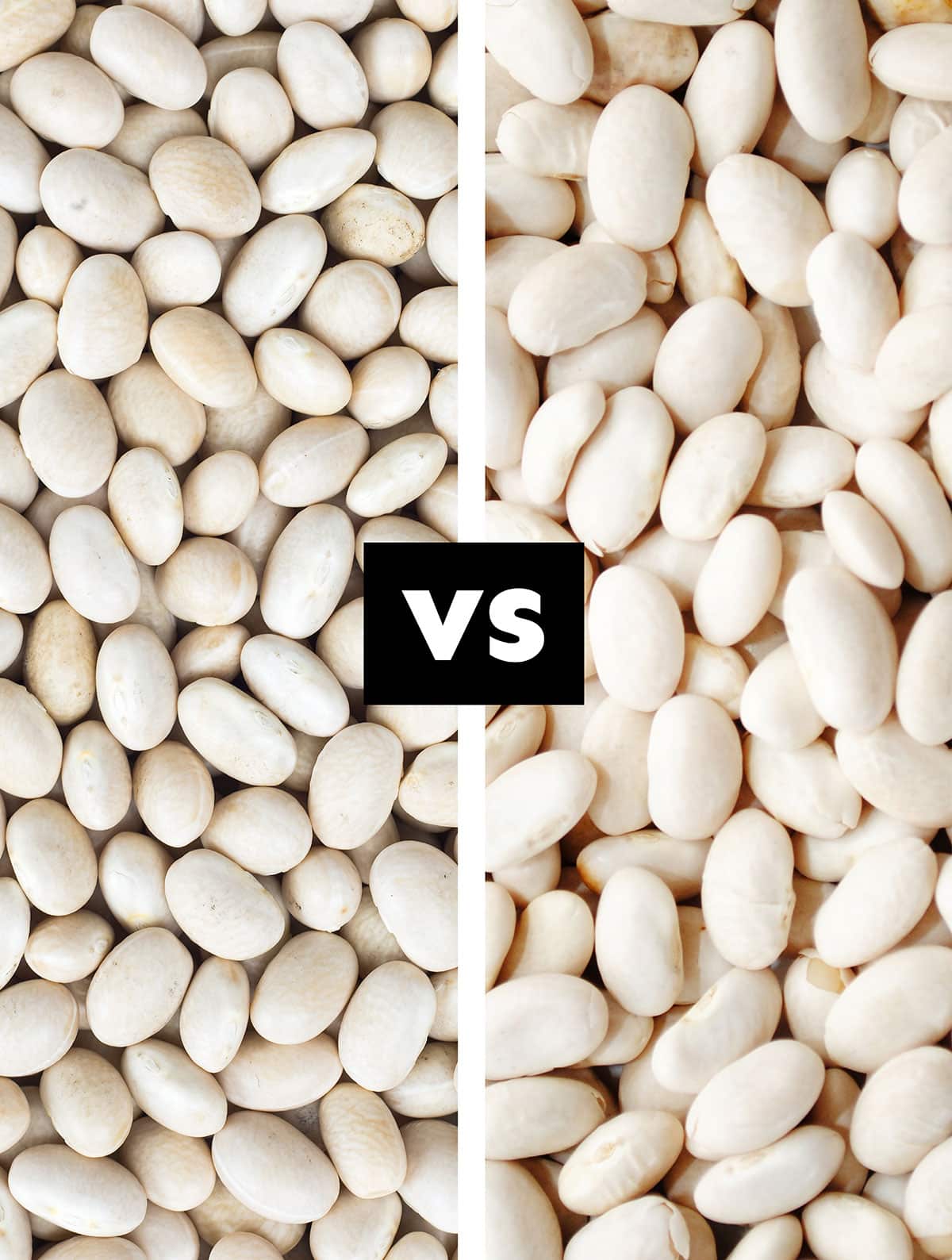
Navy Beans: These are small, flat, oval-shaped beans. They are white or off-white with smooth, glossy skin.
Great Northern Beans: Great Northern beans are a bit larger and plumper than navy beans, about medium-sized. They are white to light cream-colored and have a kidney bean shape.
Flavor and Texture
Navy Beans: These beans have a mild, slightly nutty, and earthy flavor. Their mild taste allows them to easily absorb the flavors of the other ingredients they are cooked with, making them a good option in many recipes. Navy beans have a creamy and smooth consistency when cooked, making them a good option for soups.
Great Northern Beans: Great Northern beans also have a mild taste. Like navy beans, they absorb flavors well, making them a versatile ingredient.
Culinary Uses
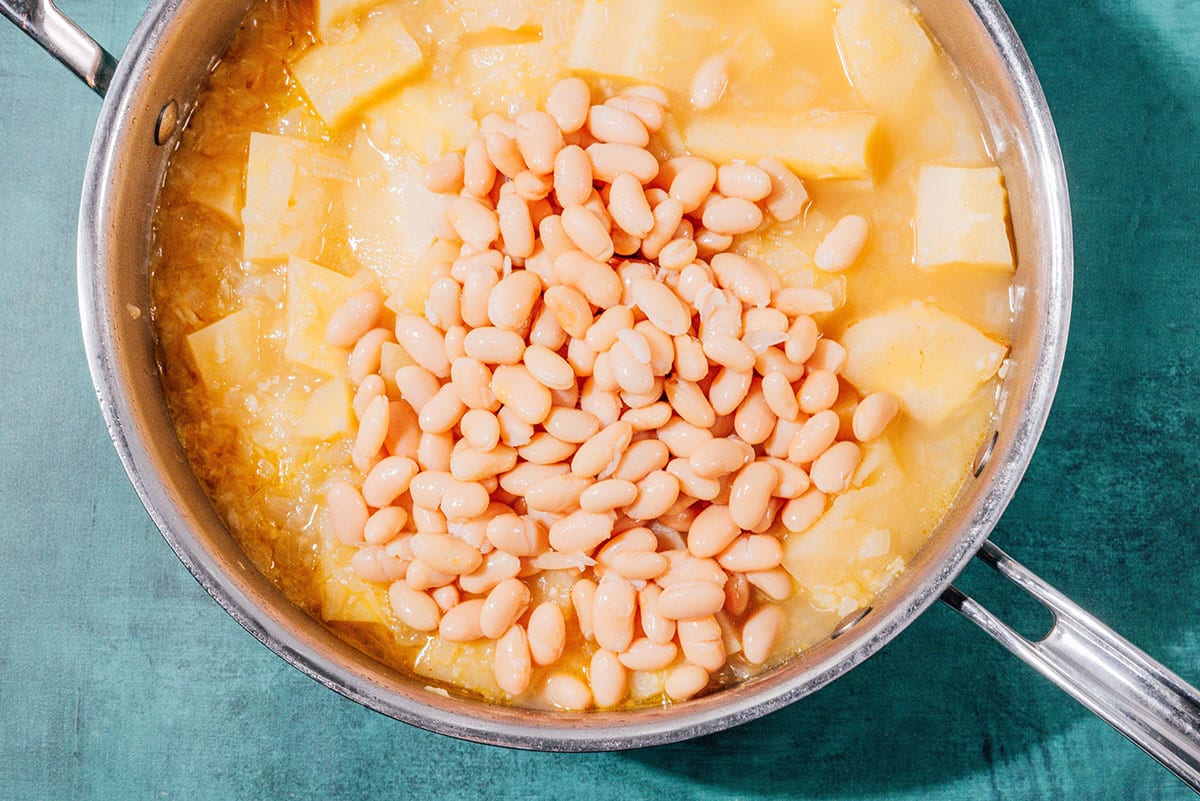
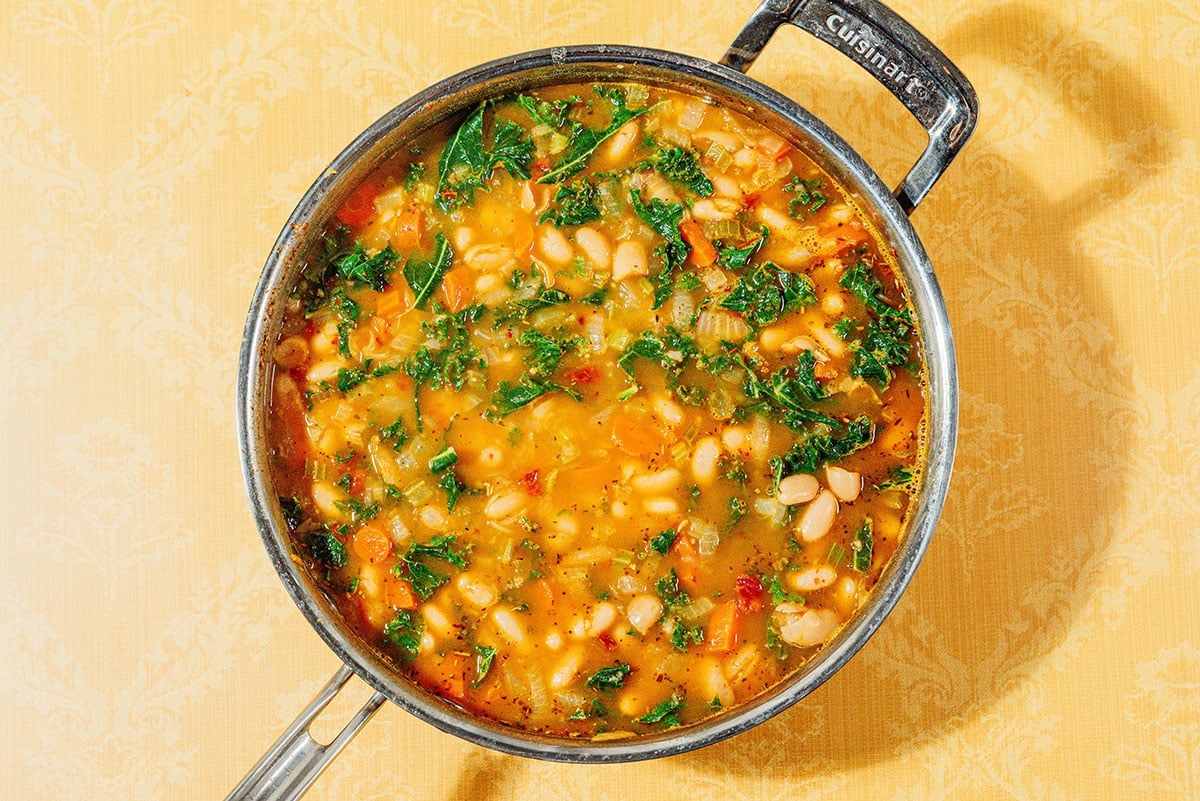
Navy Beans: Our top recommendation is to use them in any white bean chili recipe. If you don’t have a favorite, try our White Bean Bean Chili which works equally as well with either navy or great northern beans as does Tuscan White Bean Soup.
We also like them in salads, though we believe that just about any bean is a great nutritional addition to your salads. Give this healthy Roasted cauliflower salad with Great Northern Beans a try. Navy beans are also often used in baked bean recipes as the base for dips and spreads and even desserts.
Great Northern Beans: They are often used as a base for soups, stews, and casseroles, where they easily absorb the flavors of the other ingredients. Great Northern beans can be added to salads for extra protein and texture or mashed and used as a filling for vegetarian burger patties. They’re also an excellent choice for making dips like white bean dip. Try them in Creamy Gnocchi Soup or as a toast topping in Creamy Caesar Beans On Toast.
Storage
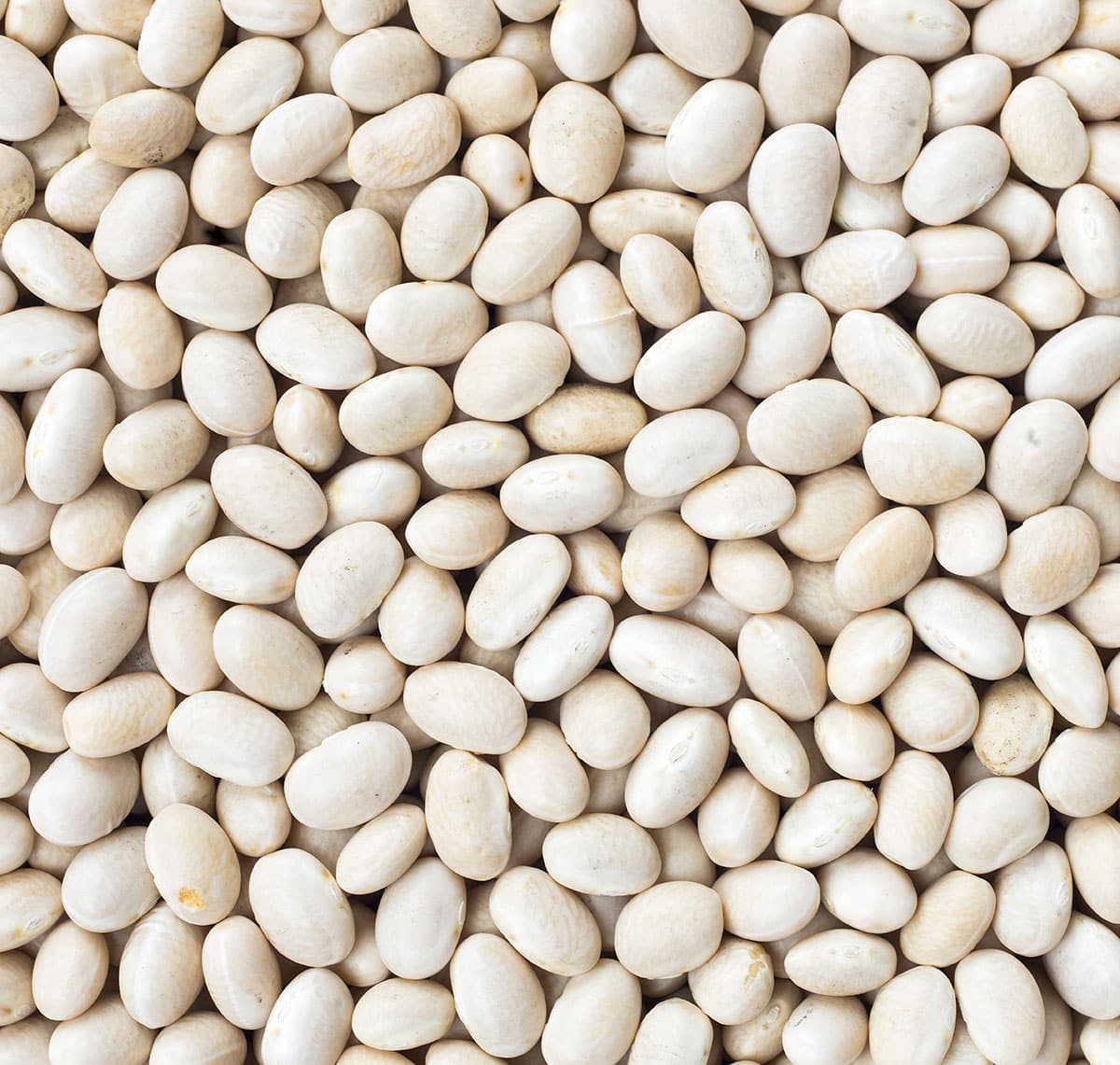
The same guidelines apply to both navy and great northern beans. Store dry beans in a cool, dry place in an airtight container. Canned beans, on the other hand, can be stored in a pantry or cupboard until their expiration date. Once cooked, store them in an air-tight container in the refrigerator optimally for no more than 3-4 days. For longer-term storage, cooked beans can be frozen.
Substitutes for Navy Beans and Great Northern Beans
The best great northern bean substitute is the navy bean and similarly the best navy bean substitute is the great northern bean. Beyond this, the best substitutes for these beans depend on the specific recipe you’re preparing and the flavor, texture, and nutritional profile you’re aiming for.
Here are some alternatives you can consider, but if none peak your interest check out 29 Types of Beans for a whole lot of other options.
Cannellini Beans: You may know these as white kidney beans. They are a little larger than navy beans and have a creamy texture when cooked. Their flavor is a reasonable match for either navy or great northern making this an easy substitute.
Pinto Beans: Pinto beans are medium-sized and have a sort of earthy flavor. We think they work just fine in recipes like white chili, but if you are uncertain, you can always open the can and taste them to see if you think they are a reasonable substitute for the recipe you are making.
Butter Beans: In most of the USA, we call these lima beans. They are larger than navy and Great Northern and have a distinctly buttery flavor. They can be used as a substitute, but their flavor and texture may be more noticeable in the dish.
Chickpeas: Chickpeas have a nutty flavor and a slightly firmer texture than navy or great northern beans. While they can work in some recipes, the flavor difference may be more pronounced. Here at Live Eat Learn, we love chickpeas and are maybe biased. We would easily use chickpeas in place of either bean.
Black-Eyed Peas: These beans have a distinct flavor and texture, and we think are best used in recipes with a Southern or Creole influence.
Adzuki Beans: Adzuki beans are small and have a slightly sweet flavor. They might not be an exact match for navy beans, but they can work in some recipes where you’re looking for a different taste and texture.
Black Beans: Black beans are a bit of a stretch as a substitute. They are smaller than navy or great northern beans and have a strong flavor. While not a good direct substitute, they can be used in recipes where the color and flavor won’t be an issue.
Northern Beans Vs Navy Beans Nutrition Information
Looking to add more beans to your diet but not sure which type to choose? Let’s talk Navy Beans versus Great Northern Beans in terms of nutrition! When it comes to the numbers, a 100-gram serving of cooked navy beans packs in around 127 calories, providing a small amount of Vitamin C (1% of your recommended daily allowance), 10-12% of folate, 8-9% of iron, and a touch of calcium. Plus, they offer about 8.7 grams of protein and 7 grams of fiber, making them a fantastic source of vegetarian protein and a decent fiber boost for your daily intake.
Now, onto the Great Northern Beans. Surprisingly similar in many ways to navy beans, these also boast around 127 calories per 100 grams cooked, with that same hint of Vitamin C (1% of RDA), slightly higher folate (32% of RDA), 9% of iron, and a touch more potassium (10% of RDA). Their protein content comes in at 8.2 grams, accompanied by 6.2 grams of fiber, making them another great option for protein and fiber intake.
You might have noticed a trend here – these beans are pretty close in their nutritional profiles! But why bother with Vitamin C when these beans barely contain any? Well, it’s all about variety. Even though beans aren’t a big source of Vitamins A and C, they shine as a plant-based protein powerhouse and are packed with fiber, something many of us could use more of in our diets. The recommended daily allowance for fiber is 25g for women and 38g for men, yet a whopping 90% of Americans fall short of hitting these goals. Just a small portion of these beans can help bridge that gap.
One thing to note if you opt for canned beans: their nutritional content aligns closely with cooked-from-dried beans but with notably higher sodium levels. So, while they’re convenient, keep an eye on your sodium intake if you go the canned route.
Origin and History
Navy Beans: Scientifically known as Phaseolus vulgaris and sometimes called Haricot beans or Boston beans, navy beans are a type of common bean that originated in the Americas. While the exact origins are not well-documented, they are believed to have been cultivated by indigenous populations in the region that now encompasses Mexico and Central America.
These beans gained their name due to their historical use as a staple food by the United States Navy during the 19th and early 20th centuries. They were a valuable source of sustenance for sailors on long voyages due to their long shelf life and high nutritional content. Navy life then wasn’t exactly what we see in Top Gun or Navy recruiting commercials to include the food. Beans were a staple in the navy diet!
Great Northern Beans: Like navy beans, their scientific name is Phaseolus vulgaris (that ends today’s Latin Lesson, we promise), and also like Navy beans they are a type of common bean that originated in the Americas. So, are great northern beans the same as navy beans? No, but the difference between navy beans and great northern beans is less than their similarities.
The name “Great Northern” likely refers to the beans’ larger size and northern distribution in the United States. These beans were cultivated by native American tribes for centuries before becoming a staple in European cuisine following the Columbian Exchange. They are closely related to navy and cannellini beans. The great northern bean is particularly popular in the northern regions of the United States, where it is often used in comfort foods like stews and casseroles.
Well, that wraps up our look at Great Northern beans vs. Navy beans. The differences between navy beans and Great Northern beans are less than the similarities. We hope you found something you could use here and perhaps one or two navy bean recipes you might try. As always, happy cooking!


