

This post contains affiliate links.
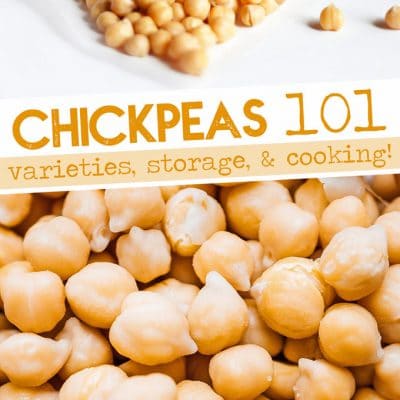
Are chickpeas good for you? And why should we be eating more of them? Everything you need to know about chickpeas (a.k.a. garbanzo beans), including different varieties, uses, and nutrition information.

Health benefits of chickpeas
Chickpeas are a staple in the world of legumes. But are they as healthy as we think? In short, yes.

Chickpea Nutrition
A nutritionists favorite ingredient! Chickpeas are a great source of fiber and plant-based protein, as well as load of nutrients, like folate and iron! I’ll put on my nutritionist brain and break it down! (This information is per 1 cup (164g) of canned or cooked chickpeas)
Calories: 269
Chickpeas are middle of the road in terms of calories – they’re not low calorie, but also not packed with calories. Chickpeas contain a similar amount of calories as most peas and beans like it (helloooo healthy legumes).
Carbohydrates: 45 grams
Chickpeas are not a low-carb food, so they’re not suited for a keto diet. But with loads of complex carbs and fiber (see below), they have a relatively low glycemic index.
Fiber: 12 grams
Chickpeas are an excellent source of insoluble and soluble fiber, and have 50% of your Daily Value (DV). This means that chickpeas can make you feel full, helping you to eat less and lose weight. Fiber is also great for maintaining gut health!
Protein: 15 grams
Chickpeas are a good source of protein, making it great for building and maintaining muscle. Like many plant-based proteins, they don’t contain all the essential amino acids that we need, but they are rich in a few, including lysine and arginine.
Fat: 4 grams
While not completely fat-free, chickpeas are relatively low-fat.
71% Daily Value of Folate
Chickpeas are rich in folate, which is a water-soluble vitamin that helps make DNA & RNA.
28% Daily Value of Phosphorus
They also contain a good amount of phosphorus, the mineral that works with calcium to help build strong bones and teeth bones and teeth.
26% Daily Value of Iron
For a vegetarian diet, any plant source with this much iron is a huge win! Chickpeas are high in iron, which is a major component of hemoglobin, the protein that makes up red blood cells and carries oxygen around the body.
17% Daily Value of Zinc
They also contain zinc, a mineral important in strengthening the immune system, healing wounds, and maintaining the sense of taste and smell.
Phew! That’s a lot of chickpea nutrition. If that didn’t fill you in, here are answers to some common questions about chickpeas!
Are chickpeas starch or protein? Both! Chickpeas contain both starches and proteins. But while they may be a starch, they are a great source of fiber and have a lower glycemic index than their other starchy veggie counterparts (like potatoes).

Types of Chickpeas
There are different varieties of chickpeas which vary by the plant itself, then there are varying forms you may find these legumes in your grocery. So first, here are a few varieties you may find around the world:
- Kabuli: Large and beige with thin skin, these are increasingly common in American groceries. They have a mild nutty, creamy flavor.
- Desi: Small and dark with yellow interiors, these guys are most popular worldwide. They have a thicker, more nutritious seed coat than the Kabuli-type beans.
- Green: These are younger chickpeas with a sweet flavor, almost like green peas.

How to Buy Chickpeas
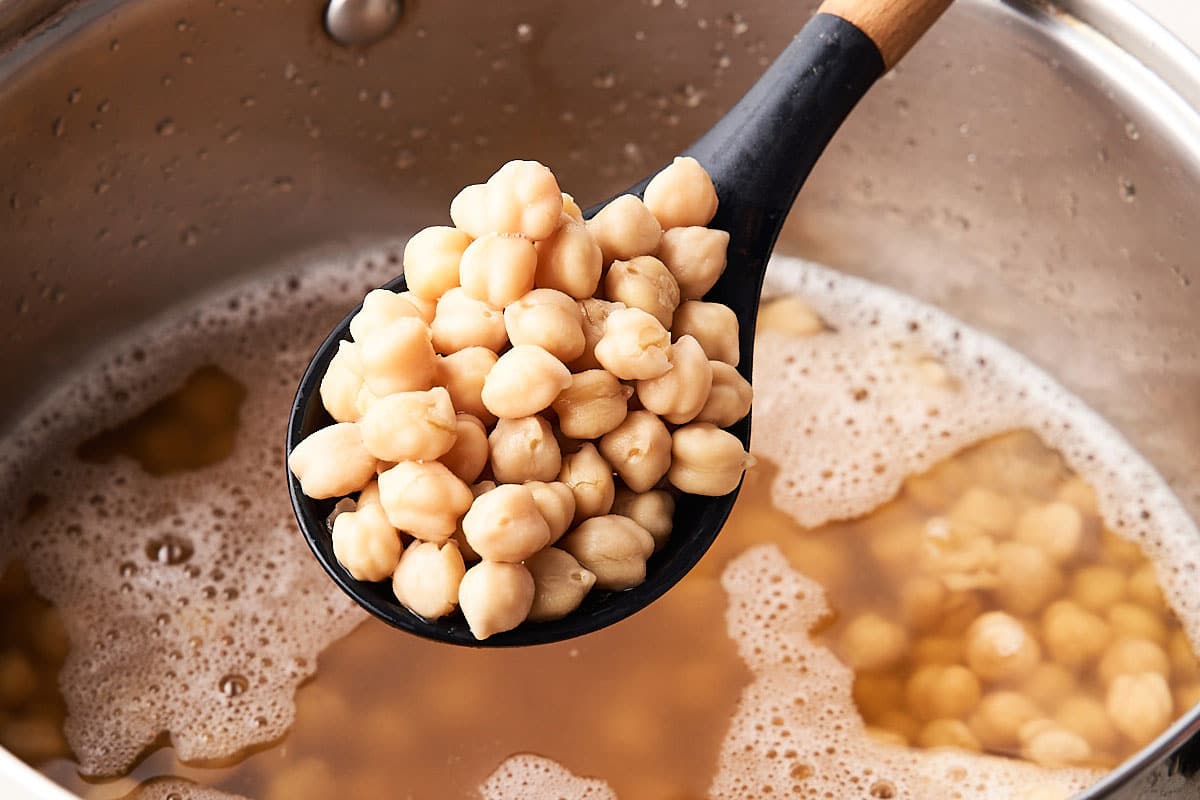
Dried chickpeas: You may find dry chickpeas in the bulk section of your grocery or with the canned goods. These should be stored in an airtight container for up to a year. The longer they’re stored, the more moisture they’ll lose and the longer they’ll take to cook.
Canned chickpeas: Canned chickpeas are pre-cooked chickpeas. You can eat canned chickpeas straight out of the can! Just be sure to rinse them off before chowing down to wash out excess sodium!
Chickpea flour: Indian and Italian cuisines both incorporate chickpea flours into a lot of dishes, from curries to pastas! In fact, India is crazy about chickpeas and produces more than any other country in the world. (Here’s how to make chickpea flour!)
Healthy chickpea recipes
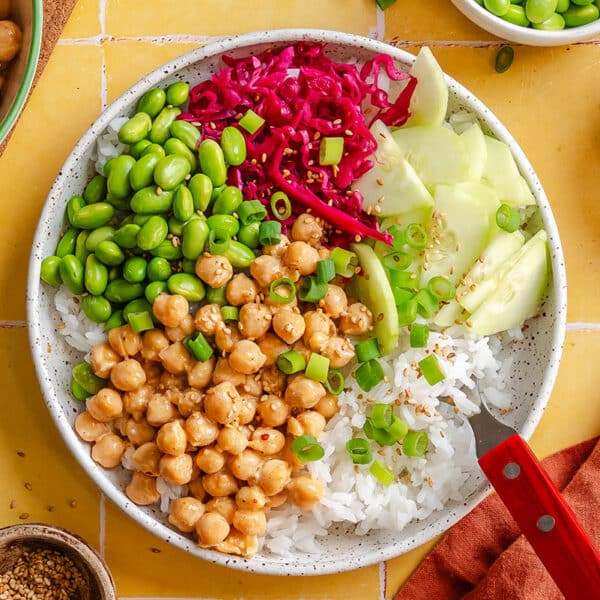
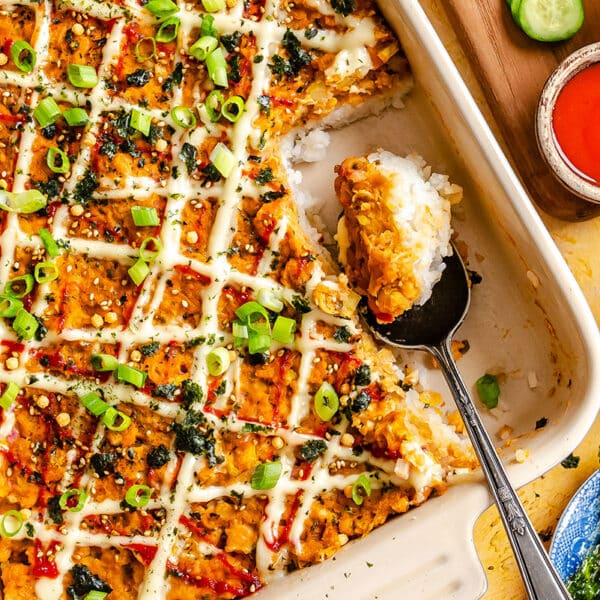
Ready to get cooking? We love chickpeas here at Live Eat Learn and put it in everything from chickpea salads to traditional hummus Check out all our chickpea recipes here!



That was really interesting! Thank you!! Your blog is absolutely beautiful 🙂
Aw, thanks so much Jane!! I honestly learn so much by doing these ingredient rundowns each week. Hope you learned a little something too 🙂
Chick peas are very good for a high fiber snack. Drain and rinse canned chick peas and add 1 tablespoon mayo. Delicious.
good run down, but how and what spice do you use when roasting them?
Thanks Mare! I have a post with 2 variations of roasted chickpeas, a cinnamon sugar recipe and a creamy ranch recipe. You can find those recipes here. And I have another recipe that coats the chickpeas in a spicy paprika seasoning to be used as a filling for gyros, and that recipe is here. The general formula is 1 can of chickpeas, 1 Tbsp oil, 1/4 tsp salt, and 2 Tbsp seasoning of choice.
Thank you. I’m about to try to make my own Hummus…
Enjoy, Wanda! 🙂
I’d add, when opening a can of chickpeas, if you find the liquid to look jelly/gloppy, throw that can. It may have sat for long on the shelves or there may have been something with the cooking. Normally the liquid should stay liquid pretty much like water. I’ve once got gases after making hummus out of a ‘jellly’ chickpeas can, may not happen always but why take a risk.
Thanks for the tip, Mathias! I’ve never experienced this but will be on the lookout.
The yellow font you use for parentheticals is very difficult to read. I suggest instead italics in the black font. Otherwise, the piece is interesting and informative.
Thanks for letting me know, Kevin! I’ll see about making that more readable 😀
Your information was wonderful. I make a lot of salads with chickpeas. How can I rinse them from the can and get those skins off quickly? I don’t like the skins coming loose in my salads.
Thanks so much, Janet! Chickpeas are delicious in salads, but those skins sure can be pesky. The easiest way I’ve found is to cover them with a clean towel and gently rub to loosen the skins. They won’t all come off, but a majority will.
Genuinely dried is better with beans for storage and when you soak them overnight it loosens that outer skin they usually just float to the top of the water, sometimes a bean or 2 floats to the top too but that’s a sign that those beans are no good, if the actual bean floats it’s probably bad and lacking nutritients that makes it heavier
Really useful information and straight to the point.
Happy to hear you’re liking it, Vyvyan!
Agree with Jane, so interesting and all the information needed about chickpeas in one post. Thankyou
You’re very welcome! 😀
Your site is fantastic!
Aw, thanks so much Toby!
What volume, drained is in a 16 ounce can of chickpeas? Or a 15 or 15.5 ounce can?
About 1.5 cups! 😀